
Share this episode:
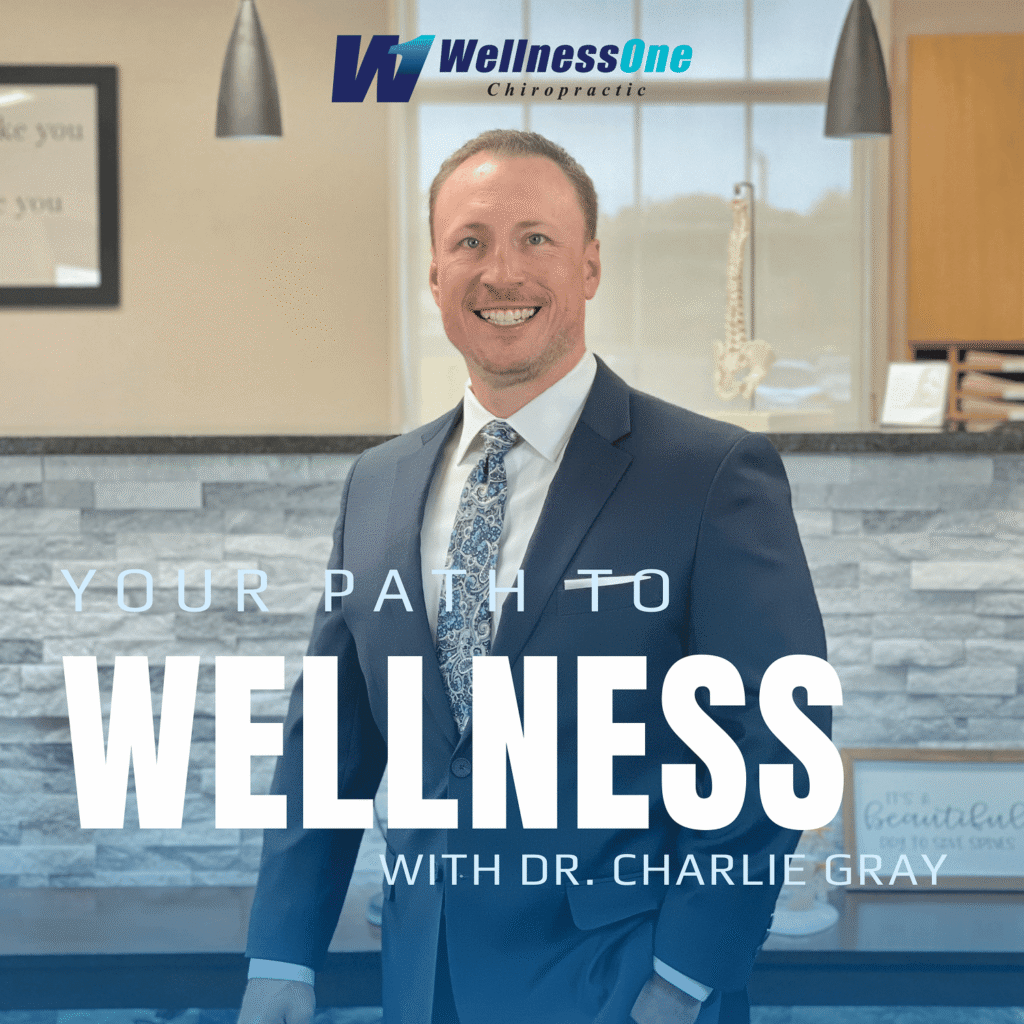
In this episode of the Wellness One podcast, Dr. Charlie Gray tackles a surprisingly common source of back and neck pain — time spent behind the wheel. Whether you have a short daily commute or spend hours driving, poor posture in the car can quietly take a toll on your body over time.
Dr. Charlie Gray breaks down simple, actionable tips you can start using right away to support your spine, reduce muscle tension, and arrive at your destination feeling better than when you left.
If you find yourself stiff, sore, or fatigued after driving, this episode is for you. Tune in and learn how small adjustments behind the wheel can make a big difference in your long-term health and comfort.
Hey there, and welcome back. I’m Doctor Charlie Gray, and you’re listening to the Wellness One podcast, coming to you from right here in Hickory, North Carolina. Thanks for tuning in today.
So let me ask you something. How long was your commute this morning? Ten minutes? Thirty? Maybe you’ve got a long drive for work, or maybe you’re hauling the kids around town all day. Whatever it looks like for you, most of us are spending a whole lot more time behind the wheel than we probably realize. And here’s the thing — the way we sit in that car seat is quietly doing a number on our backs, our necks, and our hips. Today I want to talk about that. Simple, practical tips you can start using right now to protect your spine every single time you get in the car.
Now, here’s what I hear a lot in my office. People come in with neck pain or lower back stiffness, and when we start talking about their daily routine, driving comes up almost every single time. And it makes total sense when you think about it. You’re locked into one position, you’re not moving, the seat is vibrating, and most people are slumped forward with their chin jutting out toward the windshield. That posture puts a tremendous amount of stress on the cervical spine — that’s the neck — and on the lumbar region, which is your lower back. Over time, that adds up.
So let’s break this down. The first thing I want you to think about is your seat position. A lot of people sit way too far back from the steering wheel, and then they end up leaning forward to reach it. That’s a recipe for back pain. You want to be close enough that your arms are slightly bent when you hold the wheel. Your elbows should not be fully extended. When you’re reaching and straining to hold the wheel, your shoulders round forward, your upper back curves, and your head follows. Get that seat close enough so you feel supported.
Next — and this one is huge — think about the angle of your seat back. Most people recline it a little too much. You might think that feels comfortable, but when you lean back too far, you actually lose the natural curve in your lower back. You want your seat back at roughly a ninety to one hundred degree angle. Sit up, make contact with the back of the seat, and let the seat support you rather than fighting against it.
Now here’s something a lot of people never think about — lumbar support. Most modern cars have it built right in, usually a little knob or dial on the side of the seat. A lot of folks never touch it. Take a minute to adjust it so it fills in that curve in your lower back. You should feel gentle support there, not pressure, just support. If your car doesn’t have it, a small rolled-up towel works great. Just tuck it right behind your lower back. Simple, effective.
Here’s what’s interesting — even perfect posture breaks down on a long drive. Your muscles get fatigued. So if you’re on a long trip, I want you to set a reminder on your phone every forty-five minutes to an hour. When that alarm goes off, pull over safely, get out, walk around for just two or three minutes. Roll your shoulders back, do a gentle neck stretch side to side, shake out your legs. That little reset makes a massive difference in how you feel when you arrive.
And one more thing — your headrest. Make sure it’s adjusted so the middle of the headrest is level with the middle of the back of your head. It’s not just for comfort. It’s there to protect your neck in the event of a collision. A lot of people have it too low, and it actually does more harm than good in that position.
So to recap — sit close enough to the wheel, keep that seat back upright, use your lumbar support, take breaks on long drives, and check that headrest.
If you’re already dealing with neck pain, back pain, or that nagging stiffness after every drive, I’d love to see you in the office. A lot of times these things are very treatable, and we can put together a plan that gets you feeling better and helps you stay that way. Don’t just push through it. Come get evaluated.
We are located right here in Hickory, North Carolina, and we would love to have you in. You can reach us at Wellness One — just give us a call or visit our website to schedule. Thanks so much for listening today. Drive safe, sit tall, and we’ll talk again soon.

I have been coming to this place for a few years now. I will never regret my decision to come in for a visit. I was developing sciatic pain, and the pain was unbearable especially at work. Dr. Gray and the ladies have helped with the recovery. I was able to go from 3 visits a week, to one visit every 3 weeks. The staff are really friendly and will remember your name. They make you feel welcomed and better with each visit.

Having been under maintenance chiropractic care for a few years, I found Wellness One & Dr. Gray as soon as I unpacked after relocating to Hickory. The staff, led by Breanna, are kind and cheerfully efficient. Dr. Gray listens to my concerns and often changing needs. He keeps this grandma moving and able to fully enjoy life with my family!

I highly recommend Dr. Gray. Every single time I’ve had a situation that I needed therapy they have provided great service and it helped me tremendously.

The atmosphere is very friendly and there is hardly any wait time to be serviced.

Excellent chiropractor. Great kind staff. Easy to schedule.

I’ve been going for a couple of months now and think it is a wonderful experience. Everyone is very friendly and welcoming and they listen to me. Thanks❤️

After not being able to schedule an appt for 2 mo. due to work schedule and previous appointments, I went back and found what was missing, regular checkups are needed. I will miss these guys due to my family is moving.

I am not the patient, a family member is being treated. Pleased with the friendliness and professionalism of staff. Also surprised by follow up by Dr. Definitely recommend them.

The chiropractor "Mr.Gray" and the staff at this chiropractic office are great! Not only do they want you to be healthy they also want to keep you there and progress your livelihood. If I had to recommend anyone to a chiropractic office it would hands down be Wellness One.

Dr Gray explains everything to you about what is needed and tells you why. Breanna at front desk is very helpful and has a great personality

Everyone is so welcoming here and really know there stuff dr grey knew exactly were i and my son hurt. Incredible people highly recomended
