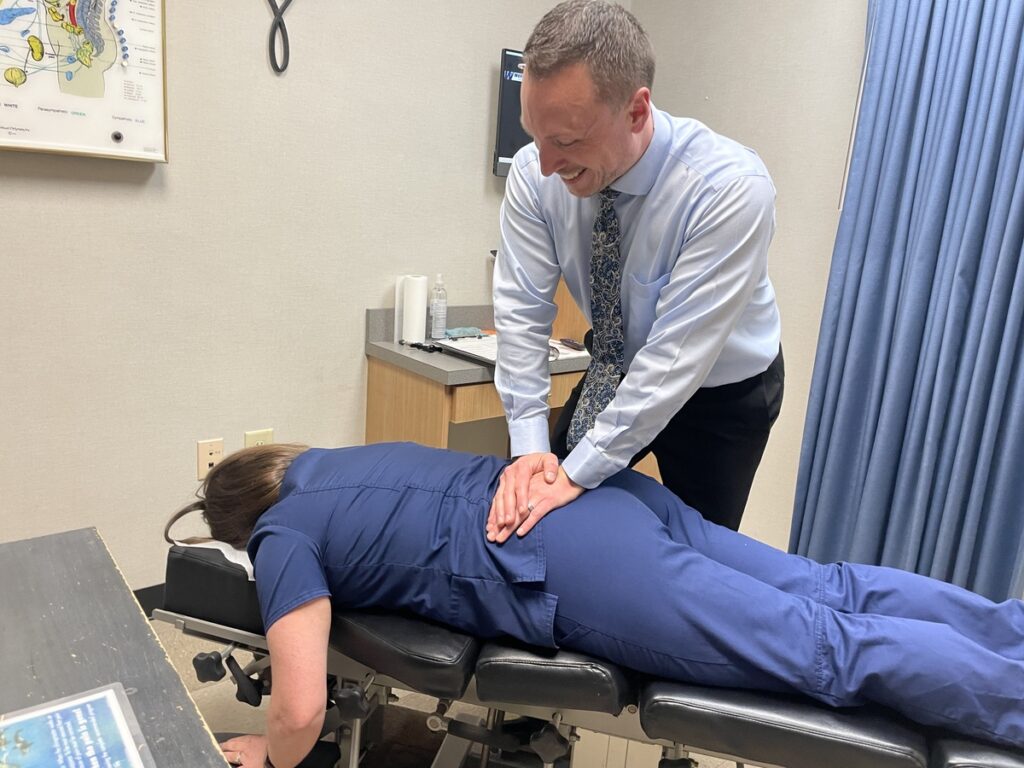
Chiropractic adjustments are essential for keeping your spine healthy and functioning at its best. By gently realigning your spine, these adjustments ease tension on your vertebrae and the surrounding muscles, which not only helps to alleviate pain but also improves your overall mobility. But there’s more to maintaining spinal health than just getting adjusted!
There are several natural and effective ways to support your spine’s wellness. Here are some tips you can incorporate into your daily routine:
- Stay Active: Engage in regular physical activity, such as walking, swimming, or yoga. These activities strengthen your back muscles and improve your flexibility, which can help prevent future pain.
- Mind Your Posture: Be mindful of how you sit and stand. Try to keep your back straight and shoulders back when sitting at your desk or using your phone. Good posture can make a significant difference in your spinal health.
- Ergonomic Workspaces: If you work from home or at an office, ensure your workspace is set up ergonomically. A chair that supports your lower back and a desk at the right height can prevent strain on your spine.
- Stay Hydrated: Drinking plenty of water is vital for spinal health. Hydration helps keep the discs in your spine healthy and cushioned.
- Stretch Regularly: Incorporate stretching into your daily routine. Simple stretches can reduce stiffness and improve your spinal flexibility.
- Mindful Lifting: When lifting heavy objects, always bend at your knees and keep the load close to your body to avoid putting unnecessary strain on your back.
- Regular Chiropractic Care: Make chiropractic adjustments a regular part of your wellness routine. Regular visits can help keep your spine aligned and prevent discomfort before it starts.
By following these tips and prioritizing chiropractic care, you can take significant steps toward achieving and maintaining optimal health. Remember, your spine is the foundation of your overall well-being, and taking care of it naturally can lead to a happier and healthier life!
Key Takeaways
- Chiropractic adjustments are a gentle and effective way to realign your spine, helping your nerves communicate better and preventing potential health issues that can arise from misalignments.
- By getting regular adjustments, many people experience reduced pain and increased mobility, which can make everyday activities more enjoyable and enhance their overall quality of life.
- These adjustments also play a vital role in maintaining proper posture, which can decrease muscle strain and lower the risk of injuries while you move about your day.
- Personalized chiropractic care means that we take the time to perform ongoing evaluations, allowing us to catch any potential spinal issues early on and address them effectively.
- When you commit to consistent spinal adjustments, you are promoting your body’s natural healing abilities, which can greatly enhance your overall wellness and vitality through improved spinal health.
Takeaway Tips:
- Consider scheduling regular chiropractic visits to help manage pain and maintain your spinal health.
- Pay attention to your posture throughout the day; simple adjustments can make a big difference in reducing strain on your muscles.
- Stay active and engage in exercises that promote spinal health, such as stretching and strengthening your core.
- Listen to your body; if something doesn’t feel right, reach out for a chiropractic consultation to discuss your concerns.
Understanding Spinal Health: The Foundation of Well-Being
When considering your overall well-being, it’s important to understand that spinal health is at the core of how you feel and function each day. Your spine isn’t just a structure that supports your body; it allows for movement and stability. When your spine is healthy, you’ll notice less pain and increased mobility, which can elevate your mood and boost your energy levels.
To truly grasp the significance of spinal health, it’s crucial to recognize the strong connection between your spine and nervous system. The spine protects the spinal cord, which serves as the primary pathway for nerve signals traveling to and from your brain. If there are any misalignments or dysfunctions in your spine, it can disrupt this vital communication, potentially leading to a variety of health issues.
As a chiropractor, I encourage you to prioritize your spinal health through regular movement, strengthening exercises, and being mindful of your body mechanics. Here are a few simple tips you can incorporate into your daily routine:
- Stay Active: Aim for regular physical activity that promotes flexibility and strength in your spine. Activities like walking, swimming, or yoga can be very beneficial.
- Practice Good Posture: Be conscious of how you sit, stand, and move. Maintaining good posture can alleviate strain on your spine and prevent discomfort.
- Bend with Care: When lifting objects, bend your knees and keep the item close to your body. This reduces unnecessary stress on your back.
- Take Breaks: If you sit for long periods, take short breaks to stretch and move around. This helps prevent stiffness and keeps your spine healthy.
- Stay Hydrated: Drinking plenty of water supports the discs in your spine and helps maintain their cushioning ability.
Investing time in understanding and caring for your spine can lead to significant improvements in your overall health and quality of life. Chiropractic care is an excellent choice for achieving optimal health, focusing on natural healing and wellness. By seeing a chiropractor, you can receive personalized care that addresses your specific needs, helping you to feel your best every day.
The Importance of Proper Posture
Proper posture is essential for maintaining your spinal health and overall well-being. As a local chiropractor, I want to emphasize how vital it is to sit and stand correctly. When you maintain good posture, you distribute weight evenly across your spine, which helps reduce strain on your muscles and ligaments. This alignment not only plays a crucial role in preventing back pain but also promotes better breathing and digestion.
Here are some important benefits of proper posture, along with the consequences of poor posture:
| Benefits of Proper Posture | Consequences of Poor Posture |
|---|---|
| Reduces back pain | Increases risk of injury |
| Improves balance | Causes muscle fatigue |
| Enhances breathing | Leads to spinal misalignment |
| Boosts confidence | Affects digestion |
| Promotes energy levels | Triggers headaches |
To maintain proper posture throughout your day, consider these simple tips:
- Sit Smart: When sitting at a desk, make sure your chair supports your lower back. Keep your feet flat on the floor and your knees at a right angle.
- Stand Tall: Practice standing with your shoulders back and your head aligned over your spine. Imagine a string pulling the top of your head upward.
- Take Breaks: If you’re sitting for long periods, take regular breaks to stretch and move around. This prevents stiffness and helps maintain good alignment.
- Use Supportive Gear: Invest in ergonomic chairs or cushions that promote good posture. These tools can help align your spine more naturally.
- Stay Active: Regular physical activity strengthens the muscles that support your spine. Consider incorporating exercises that focus on core strength and flexibility.
Ergonomic Workspaces: Creating a Supportive Environment
Creating an ergonomic workspace isn’t only vital for your spinal health, but it also plays a significant role in your overall comfort and wellness—especially if you find yourself spending long hours at a desk. A thoughtfully designed workspace can help alleviate strain on your back and neck, making it a key aspect of maintaining a healthy lifestyle.
As a chiropractor, I want to share some practical tips to help you set up a supportive environment that promotes natural healing and wellness:
- Chair: Opt for an adjustable chair that offers good lumbar support. This helps maintain the natural curve of your spine, reducing the risk of discomfort and pain.
- Desk Height: Ensure your desk is at elbow height. This allows your arms to rest comfortably while typing, which minimizes strain on your shoulders and neck, and promotes better posture.
- Screen Position: Position your monitor at eye level. This helps prevent you from tilting your head down or craning your neck, which can lead to discomfort over time.
Taking the time to create an ergonomic workspace not only enhances your comfort but also supports your body’s natural alignment.
Stretching and Strengthening Exercises for Spinal Health
A well-designed ergonomic workspace is essential for maintaining spinal health, but incorporating stretching and strengthening exercises into your daily routine is just as important. Regular stretches can enhance flexibility and relieve tension in your back and neck, promoting a healthier spine. Simple moves like the cat-cow stretch or seated forward bends can provide significant relief and improve your overall well-being.
Strengthening exercises, such as planks or bridges, help build core stability, which is vital for supporting your spine. Aim to include a mix of both stretching and strengthening exercises at least three times a week. This balanced approach can help prevent pain and discomfort, keeping you active and mobile.
Always listen to your body; if something doesn’t feel right, feel free to modify your movements. Consider setting reminders to take short breaks throughout your day for these exercises. Remember, consistency is key! By integrating these practices into your life, you can vastly improve your spinal health and overall wellness.
While these exercises can greatly benefit your spinal health, don’t forget to consult with a chiropractor for personalized guidance. Chiropractic care focuses on natural healing and pain relief, ensuring your body functions at its best. By prioritizing spinal health through exercises and chiropractic adjustments, you can achieve optimal health and a better quality of life.
Mindful Movement: The Role of Body Mechanics
To promote spinal health, it’s essential to be mindful of your body mechanics during everyday movements.
As a chiropractor, I can tell you that maintaining proper posture, practicing intentional breathing, and incorporating regular stretching can significantly improve your spinal alignment and overall well-being.
Here are some simple tips you can easily integrate into your daily routine:
- Posture Check: Whether sitting, standing, or walking, always be aware of your posture. Keep your shoulders back, your head aligned with your spine, and your feet flat on the ground. This helps distribute your weight evenly and reduces strain on your spine.
- Breathe Deeply: Engage in intentional breathing. Taking deep breaths can help you relax and reduce tension in your body, which is vital for a healthy spine.
- Stretch Regularly: Incorporating gentle stretches into your day can help relieve tension and improve flexibility. Focus on stretches that target your back, neck, and hips, as these areas often carry stress.
- Listen to Your Body: Pay attention to how your body feels. If you experience discomfort or pain, it’s important to address it promptly. Chiropractic care is a natural and effective way to relieve pain and promote healing.
By understanding the importance of body mechanics and integrating these practices into your life, you can support a healthier spine and significantly reduce your risk of injury.
Importance of Posture
While many people may not realize it, the way you hold your body—your posture—plays a crucial role in your overall health. Maintaining proper alignment is vital for keeping your spine healthy and functioning well. Good posture not only supports your spine but also enhances your physical performance and daily activities. By being mindful of how you move and sit, you can prevent discomfort and promote better health.
Here are some key benefits of maintaining good posture:
- Reduces strain on your muscles and ligaments, which lowers the risk of injury and discomfort.
- Improves circulation, allowing your body to function more efficiently, giving you more energy throughout the day.
- Boosts confidence, which can lead to a more positive outlook on life and improved interactions with others.
Incorporating mindful posture into your daily routine is easier than you might think and can lead to significant improvements in your well-being. Whether you’re sitting at your desk, standing in line, or moving around your home, it’s important to remember that your spine deserves the best care possible.
Here are a few tips to help you achieve and maintain good posture:
- Adjust Your Workspace: Ensure your chair and desk are at the right height so your feet are flat on the ground and your arms are at a 90-degree angle when typing.
- Take Breaks: If you sit for long periods, make it a habit to stand up and stretch or walk around every 30 minutes to keep your muscles engaged.
- Strengthen Your Core: Incorporate exercises that strengthen your core muscles, as a strong core supports a healthy spine.
- Be Mindful of Your Movements: When lifting heavy objects, bend at your knees and keep the load close to your body to reduce strain on your back.
- Visit Your Chiropractor: Regular chiropractic adjustments can help improve your posture and spinal alignment, providing natural relief from pain and discomfort.
By prioritizing your posture and understanding the importance of spinal health, you can enjoy the many benefits that come with it. Chiropractic care is an excellent choice for achieving optimal health and can guide you on your journey to a pain-free, healthier lifestyle.
Breathing and Movement
Good posture is essential for effective movement, and your breathing plays a crucial role in achieving that. When you engage in mindful movement, pairing it with proper breathing can greatly improve your body mechanics.
Start by inhaling deeply through your nose, allowing your diaphragm to expand, and exhale fully. This rhythmic breathing not only fills your muscles with oxygen but also fosters relaxation, which is vital for maintaining good posture.
As you move throughout your day—whether you’re exercising, working, or simply going about your routine—take a moment to notice how your breath affects your body’s stability and control. By coordinating your breath with your movements, you can enhance your physical performance and reduce tension in your spine.
Remember, every breath is an opportunity to connect with your body. This connection ensures that each movement you make is intentional and supportive of your spinal health. To further support your well-being, consider regular chiropractic care. A chiropractor can help align your spine, improve your posture, and promote a healthy movement pattern, all of which contribute to natural healing and pain relief.
Here are some simple tips to incorporate into your daily routine:
- Practice Deep Breathing: Take a few moments each day to focus on your breath. Inhale deeply and exhale slowly to encourage relaxation.
- Mind Your Posture: Whether sitting or standing, keep your shoulders back and your spine aligned. Regularly check in with your posture throughout the day.
- Incorporate Movement: Engage in gentle movement like stretching or walking. This can help keep your muscles flexible and your spine healthy.
- Regular Chiropractic Visits: Consider scheduling regular appointments with a chiropractor to maintain your spinal health and overall well-being.
Daily Stretching Practices
Daily stretching practices are crucial for maintaining flexibility and supporting spinal health, which is essential for overall wellness.
By dedicating just a few minutes a day to stretching, you can significantly improve your well-being. Stretching not only helps reduce tension but also enhances your posture and increases your range of motion.
As a chiropractor, I emphasize the importance of natural methods for achieving optimal health, and incorporating these effective stretches into your daily routine is a great start:
- Cat-Cow Stretch: This gentle movement helps warm up your spine and relieve back tension. It’s a wonderful way to start your day or unwind in the evening.
- Seated Forward Bend: This stretch is fantastic for targeting your hamstrings and promoting relaxation in your lower back. It can be particularly beneficial if you’ve been sitting for long periods.
- Chest Opener: By stretching your chest and shoulders, you can counteract the negative effects of slouching. This is especially important for those who spend a lot of time at a desk or looking at screens.
Remember, regular stretching not only helps you feel better physically but also contributes to your mental well-being.
When combined with chiropractic care, these practices can lead to a more balanced and pain-free life. Always listen to your body, and if you’re experiencing persistent pain, consider visiting a chiropractor for personalized advice and care. Together, we can work towards your health goals naturally and effectively.
The Impact of Sleep Position on Spinal Alignment
Your sleep position plays a crucial role in your spinal alignment, which can greatly influence your comfort and long-term health. Here’s how different sleep positions can affect your spine and some tips to help you sleep better:
| Sleep Position | Impact on Spinal Alignment | Tips for Improvement |
|---|---|---|
| Back Sleeping | This position promotes a natural spinal curve, reducing pressure on your discs. However, make sure to use a supportive pillow to maintain the curve in your neck as well. | |
| Side Sleeping | Sleeping on your side can help align your spine, but it may lead to shoulder and hip strain if you don’t have the right pillow and mattress support. Consider using a thicker pillow to fill the space between your head and the mattress for better alignment. | |
| Stomach Sleeping | This position often leads to neck strain and misalignment because of the twisting required. If you find it hard to change, try placing a thin pillow under your pelvis to reduce strain. | |
| Fetal Position | Curling up can be comfortable, but if you curl too tightly, it can compress your spine. Try to keep your body more elongated while still in this position to maintain better alignment. |
As a chiropractor, I recommend paying attention to your sleep position and making adjustments where necessary. Proper spinal alignment during sleep can prevent discomfort and enhance your overall well-being. If you’re experiencing pain or discomfort, consider visiting a chiropractor who can help you achieve optimal health through natural care and personalized treatment plans. Remember, your spine is the foundation of your body, and taking care of it is essential for a healthy, active life!
Nutrition and Hydration: Supporting Your Spine From Within
To maintain a healthy spine, nutrition and hydration are crucial elements that provide vital support from within. Your spine thrives on the right nutrients to stay strong and flexible, while proper hydration ensures the cushioning between your vertebrae is well-maintained. By paying attention to what you eat and drink, you can significantly improve your spinal health and overall wellness.
- Calcium and Vitamin D: These two nutrients work together to keep your bones robust, helping to prevent fractures and maintain a strong skeletal structure. Foods like leafy greens, dairy products, and fortified cereals can be great sources of calcium, while sunlight and foods like fatty fish can provide Vitamin D.
- Omega-3 Fatty Acids: Found in fish like salmon and nuts such as walnuts, omega-3s are excellent for reducing inflammation, which is essential for a healthier spine. Including these in your diet can support your body’s natural healing processes.
- Water: Staying hydrated is critical for spinal health. Adequate hydration ensures that your spinal discs remain well-lubricated and cushioned, helping to prevent pain and discomfort. Aim to drink plenty of water throughout the day to keep your body functioning optimally.
By incorporating these nutritional elements into your daily routine, you can foster a more resilient spine that allows for free and comfortable movement.
Remember, prioritizing nutrition and hydration is a straightforward yet powerful step toward enhanced spinal health.
In addition to these dietary tips, regular chiropractic care can play a vital role in maintaining your spinal health. Chiropractic adjustments help align your spine, reduce pain, and promote overall wellness.
Embracing a lifestyle that includes good nutrition, hydration, and chiropractic care can lead you to a healthier, more vibrant life. Take control of your health today by making these simple changes and prioritizing your spine’s well-being!
Regular Check-Ins: The Value of Professional Assessments
In addition to maintaining a balanced diet and staying hydrated, regular check-ins with your chiropractor can significantly boost your spinal health. These evaluations are key to spotting any potential issues early on, which allows for timely and effective natural healing. Your chiropractor will provide personalized advice tailored specifically to your needs, helping you achieve and maintain optimal wellness.
| Assessment Type | Frequency | Benefits |
|---|---|---|
| Posture Evaluation | Every 3-6 months | Identifies misalignments and improves overall posture |
| Range of Motion Test | Annually | Monitors flexibility and mobility for daily activities |
| Strength Assessment | Biannually | Evaluates muscle support and helps prevent injuries |
| Spinal Alignment Check | Every 6 months | Ensures your spine is aligned for optimal function |
Scheduling these regular appointments not only allows you to keep your spine healthy but also empowers you to engage in an active lifestyle. Each visit provides you with valuable insights into your spinal health, ensuring that you are on the right path to preventing future complications.
Here are some general tips to enhance your spinal health:
- Practice good posture: Be mindful of how you sit and stand throughout the day.
- Stay active: Regular exercise strengthens your muscles and supports your spine.
- Stretch regularly: Incorporate stretching into your daily routine to maintain flexibility.
- Listen to your body: If you feel discomfort or pain, don’t wait—schedule a visit with your chiropractor.
Prioritize these check-ins with your chiropractor; your spine will thank you for it! Remember, chiropractic care is a natural and effective way to achieve and maintain optimal health without the need for invasive procedures or medication.
Conclusion
Incorporating chiropractic adjustments into your routine is an essential step towards achieving optimal spinal health. By ensuring you maintain proper posture throughout the day, setting up an ergonomic workspace, and practicing mindful movement, you actively support your spine’s well-being. Remember, even your sleep position plays a crucial role in spinal health, so consider how you rest at night. Nutrition is also key—fuel your body with wholesome foods that promote healing and vitality.
Regular visits to your chiropractor can help keep your spine aligned and functioning at its best. These adjustments not only relieve pain but also enhance your overall wellness by allowing your body to heal naturally. Embracing these straightforward practices can lead to lasting benefits, including a more vibrant and pain-free life.
Here are a few easy tips to implement in your daily routine:
- Mind Your Posture: Check in with your posture regularly. Keep your shoulders back and down, and your head aligned over your spine.
- Set Up Your Workspace: Make sure your desk and chair are set up to support your body. Your computer screen should be at eye level, and your chair should support your lower back.
- Stay Active: Incorporate gentle stretches and movements throughout your day to keep your spine flexible and strong.
- Prioritize Sleep: Choose a sleep position that supports your spine, such as lying on your back or side with a supportive pillow.
- Eat Well: Fuel your body with nutritious foods. Consider incorporating anti-inflammatory options like fruits, vegetables, and healthy fats to support your healing.
By prioritizing chiropractic care and these healthy habits, you’re setting yourself up for a life filled with comfort and vitality.