If you’ve ever struggled with tight muscles or a limited range of motion, you’re not alone. Many people experience stiffness and discomfort, which can impact daily activities and overall well-being. Boosting your flexibility is not just about feeling better; it can enhance your performance in various activities, making everything from exercise to daily tasks easier and more enjoyable.
Incorporating simple daily habits, like dynamic warm-ups and targeted stretches, can lead to noticeable improvements in your flexibility. But how can you create a routine that fits seamlessly into your busy life? The first step is understanding the fundamentals of body movement and the importance of spinal health.
As a chiropractor, I emphasize that a well-aligned spine plays a crucial role in your overall health and flexibility. When your spine is in alignment, your muscles can function optimally, allowing for greater mobility and reduced tension. Here are some essential techniques and tips to help you improve your flexibility and support your spinal health:
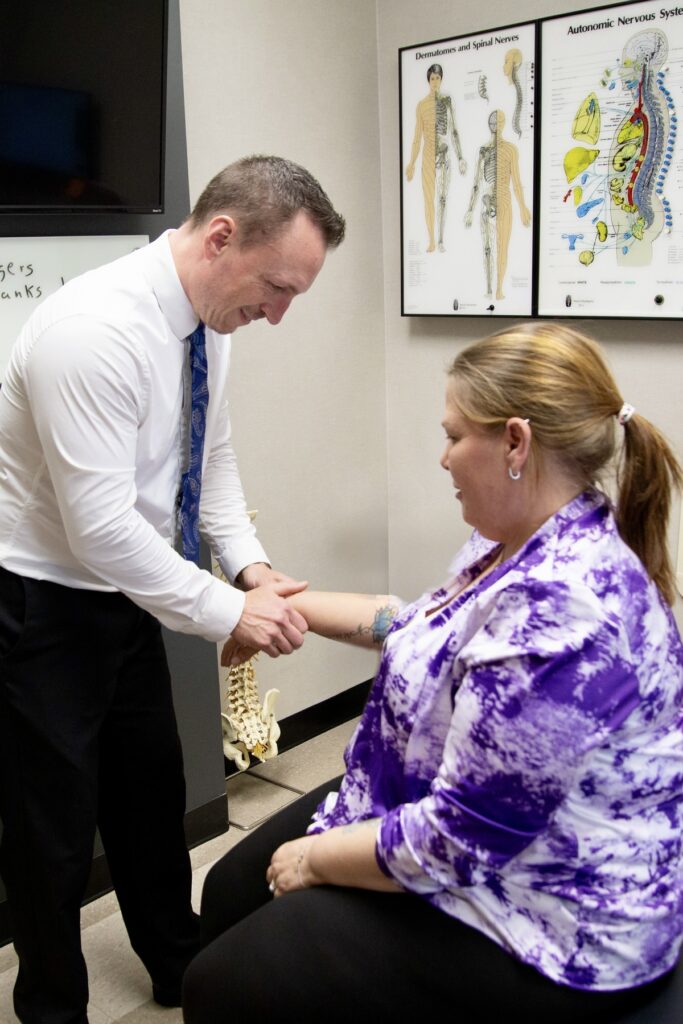
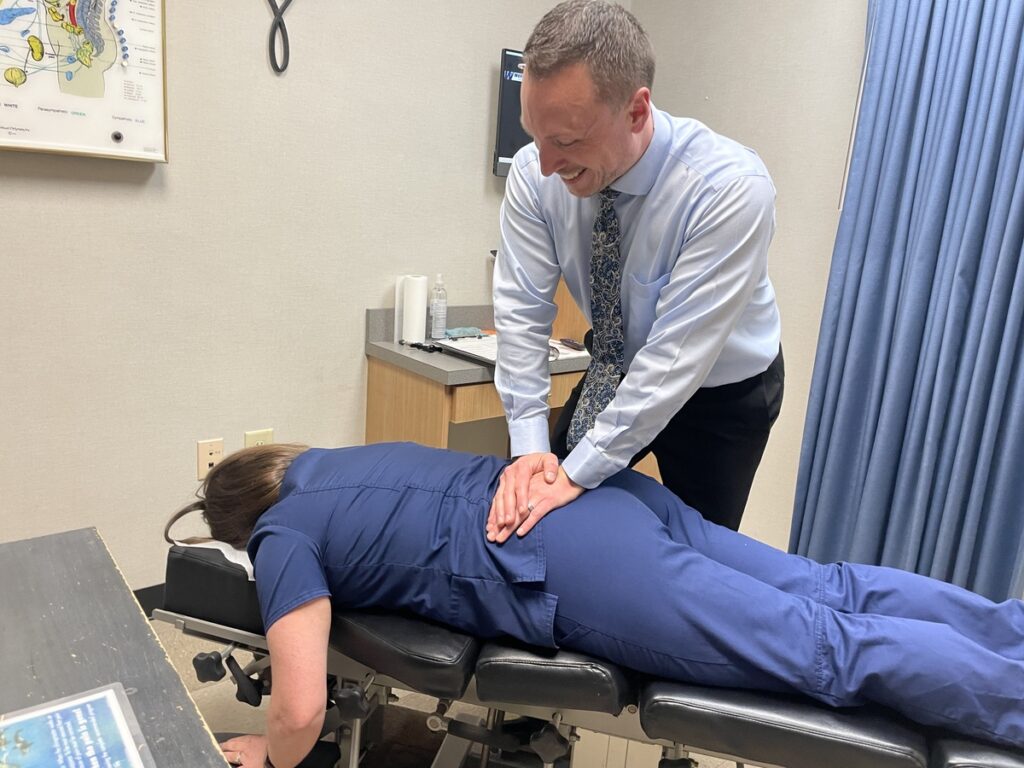
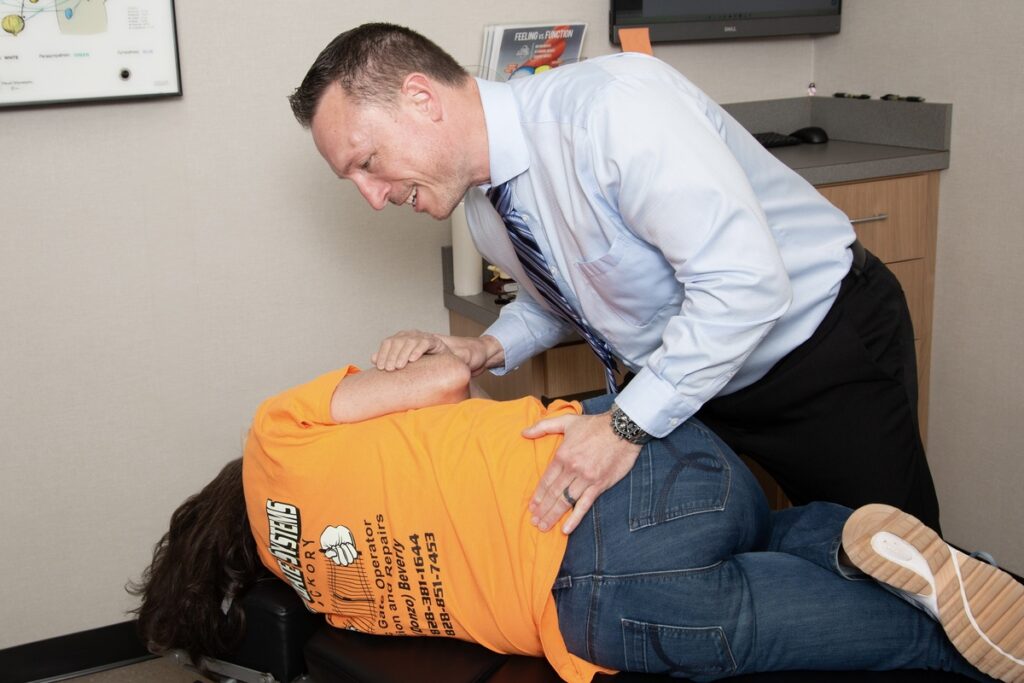
- Start with Chiropractic Care: Regular chiropractic adjustments can help keep your spine aligned, reducing tension in your muscles and improving your range of motion. Partnering with a chiropractor can provide personalized advice and treatment to support your flexibility goals.
- Dynamic Warm-Ups: Before engaging in any physical activity, perform dynamic warm-ups to prepare your muscles. Movements like arm circles, leg swings, and torso twists can increase blood flow and flexibility, setting the stage for better performance.
- Incorporate Stretching: Focus on gentle, targeted stretches that promote flexibility. Stretching major muscle groups, especially those around the spine such as the hamstrings, hip flexors, and back muscles, can significantly enhance your mobility. Aim for at least 10-15 minutes of stretching each day.
- Listen to Your Body: Pay attention to how your body feels during stretches and movements. If you experience pain, it’s essential to adjust your routine. Remember, flexibility should come from a place of comfort, not discomfort.
- Stay Consistent: Like any health goal, consistency is key. Make flexibility exercises a regular part of your routine, whether it’s in the morning, during breaks at work, or after a workout.
- Hydrate and Nourish: Staying hydrated and eating a balanced diet rich in nutrients supports muscle health and recovery. Incorporate foods that promote muscle function, like leafy greens, nuts, and lean proteins.
By focusing on these techniques and prioritizing your spinal health through chiropractic care, you can make significant strides in your flexibility and overall wellness. Embrace the journey toward a more flexible you, and enjoy the benefits that come with it!
Key Takeaways
Boost Your Flexibility: A How-To Guide with Chiropractic Insights
As a local chiropractor, I want to share some valuable tips to help you enhance your flexibility naturally, without invasive procedures or medications. Achieving optimal flexibility is not just about stretching; it’s about supporting your body’s overall health and wellness.
- Daily Stretching Routines: Focus on stretching major muscle groups like your back, hamstrings, and shoulders. Incorporating daily routines can lead to gradual improvements in flexibility. Remember, your spine is the foundation of your body, so taking care of it can significantly enhance your overall mobility.
- Dynamic Stretching Pre-Workout: Before engaging in any physical activity, warm up with dynamic stretching. This helps increase blood flow and prepares your muscles for action, reducing the risk of injury. Think of it as a gentle way to get your body ready for movement.
- Static Stretching Post-Activity: After your workout, take the time for static stretching. Hold each stretch for 15 to 30 seconds. This not only aids recovery but also helps in improving flexibility. Stretching after activity can be particularly beneficial for your muscles and spine, promoting a sense of relaxation.
- Use of Tools: Consider incorporating tools like foam rollers and resistance bands into your routine. These can help deepen your stretches and relieve muscle tension effectively. Foam rolling can also support spinal health by easing tightness in the muscles surrounding your spine.
- Stay Hydrated: Hydration plays a key role in maintaining flexibility. Drinking plenty of water helps keep your muscles and joints lubricated, allowing for smoother movement.
- Mindfulness Practices: Integrating practices like yoga can enhance your relaxation and flexibility. Yoga not only stretches your muscles but also promotes spinal health and overall well-being.
Remember, chiropractic care is an excellent way to support your journey towards flexibility and pain relief. Regular adjustments can help align your spine, improve your posture, and enhance your body’s natural ability to heal and move freely. By incorporating these simple tips and prioritizing your spinal health, you’ll be well on your way to achieving optimal flexibility and overall wellness.
Understanding Flexibility: The Basics
When you think about flexibility, it’s easy to picture gymnasts or dancers, but it’s much more than just impressive poses. Flexibility is the ability of your muscles and joints to move through their full range of motion. This is crucial for everyone, not just athletes. The elasticity of your muscles, tendons, and connective tissues allows you to perform everyday activities with ease and comfort.
You mightn’t realize it, but flexibility plays a vital role in your overall physical health and wellness. It can help improve posture, enhance athletic performance, and significantly reduce the risk of injury. Types of flexibility include dynamic flexibility, which involves movement, and static flexibility, which focuses on holding a position. Understanding these different types can empower you to incorporate them into your daily routine.
As a chiropractor, I want to emphasize how flexibility affects your body mechanics. It’s not just about bending and stretching; it’s about allowing your body to function at its best. Maintaining good flexibility can lead to better spinal alignment, which is essential for overall health. This is where chiropractic care comes into play. Regular chiropractic adjustments can help improve your flexibility and range of motion, ensuring your body stays balanced and aligned.
To enhance your flexibility, consider these simple tips:
- Incorporate Stretching into Your Routine: Spend a few minutes each day stretching major muscle groups. Focus on gentle, controlled movements to avoid injury.
- Stay Hydrated: Proper hydration supports muscle function and elasticity. Drink plenty of water throughout the day.
- Warm Up Before Activities: Before engaging in any physical activity, take time to warm up your muscles. This can prevent injuries and improve your overall performance.
- Practice Mindfulness: Activities like yoga or tai chi can improve flexibility while also promoting relaxation and stress relief.
- Schedule Regular Chiropractic Visits: A chiropractor can provide personalized care that helps improve your flexibility and supports your overall wellness journey.
The Benefits of Increased Flexibility
Increasing your flexibility offers several key benefits that can significantly enhance your physical activities and overall well-being. As a chiropractor, I want to emphasize how improved flexibility can lead to better spinal health and how chiropractic care plays a crucial role in achieving this.
When you incorporate flexibility training into your routine, you’ll likely notice enhanced athletic performance. Better flexibility allows your muscles and joints to move more freely, which can lead to improved coordination and strength during physical activities. This means you can enjoy your favorite sports or exercises with greater ease and efficiency.
Moreover, increased flexibility can help reduce the risk of injuries. Many injuries occur when muscles are tight and unable to move properly. By focusing on stretching and flexibility, you can keep your muscles supple, reducing the chances of strains or sprains. Regular chiropractic adjustments can also support this by ensuring your spine is properly aligned, which in turn helps your body function optimally.
Improving your posture and alignment is another significant benefit of increased flexibility. Poor posture can lead to various issues, including back pain, neck pain, and headaches. By working on your flexibility, you can help maintain a better posture, which not only alleviates discomfort but also promotes better spinal health. Chiropractic care can complement this by addressing any misalignments in your spine, further enhancing your posture.
To get started on your journey to increased flexibility and improved health, consider incorporating these tips:
- Routine Stretching: Set aside time each day for gentle stretching exercises. Focus on major muscle groups and hold each stretch for 15-30 seconds.
- Warm-Up Properly: Always warm up before engaging in any physical activity. A proper warm-up can prepare your muscles and joints, making them more pliable.
- Stay Hydrated: Drink plenty of water to keep your muscles hydrated, which can help improve their elasticity.
- Visit Your Chiropractor: Regular chiropractic adjustments can help maintain spinal alignment and support your flexibility efforts. Your chiropractor can provide personalized advice and exercises tailored to your needs.
- Mind Your Posture: Be mindful of your posture throughout the day, especially if you spend long hours sitting. Take breaks to stretch and reset your alignment.
Embracing flexibility training, paired with chiropractic care, can have a profound impact on your overall health and daily movements. By focusing on these practices, you can achieve optimal health and enjoy a more active, pain-free life.
Enhanced Athletic Performance
Flexibility is essential for enhancing athletic performance, as it allows your body to move more efficiently and execute movements with greater precision. When your muscles and joints are able to stretch and contract freely, you’ll experience improvements in agility, balance, and overall coordination. This increased range of motion can lead to better performance in sports, whether you’re sprinting, jumping, or changing direction quickly.
Moreover, flexibility contributes to maintaining optimal posture, a key factor for reaching your peak performance. As a chiropractor, I want to emphasize that regular chiropractic care can help improve your flexibility and overall spinal health. Your spine plays a crucial role in your body’s ability to move freely, and ensuring that it’s properly aligned can enhance your range of motion significantly.
Incorporating gentle stretching and flexibility exercises into your routine can be beneficial, but working with a chiropractor can provide you with tailored guidance to maximize your results. They can help you identify areas of tension and imbalance in your body that may be hindering your flexibility and athletic performance.
Embrace the journey of becoming more flexible with the support of chiropractic care, and you’ll likely discover new levels of performance you didn’t think were possible. Start today, and feel the difference that a healthy spine and increased flexibility can make in your athletic endeavors! Remember, achieving optimal health naturally is within your reach, and chiropractic care is a wonderful step toward that goal.
Reduced Injury Risk
Increased flexibility not only boosts your athletic performance but also plays a crucial role in reducing your risk of injury. When your muscles and tendons are more flexible, they’re less likely to tear or strain during physical activities. This is important for everyone, whether you’re jogging, lifting weights, or participating in sports. Improved flexibility allows your joints to move freely, helping to prevent imbalances and overcompensation that can lead to injuries.
As a chiropractor, I believe that flexibility is a key component of a healthy body. By incorporating flexibility training into your routine, you’re not only preparing your body for demanding activities but also aiding in recovery afterward. Simple stretches can make a big difference—think of adding a few minutes of stretching before and after your workouts.
Additionally, regular chiropractic care can further enhance your flexibility. Adjustments help to align your spine, improving your overall mobility and range of motion. This alignment supports your body’s ability to move fluidly, reducing the risk of injuries. So, if you prioritize flexibility and consider chiropractic care, you’re taking proactive steps to keep your body safe and ready to perform at its best. Remember, a flexible body is a resilient body!
Improved Posture and Alignment
When you enhance your flexibility, you’re not just improving your physical abilities; you’re also supporting better posture and alignment, which are crucial for your overall health. Increased flexibility allows your muscles and joints to work together more efficiently, reducing strain on your body and making everyday movements easier.
As you engage in stretching and strengthening exercises, you may notice your spine aligning more naturally. This not only helps you stand taller but also allows you to sit comfortably, minimizing discomfort throughout your day. Good alignment plays a key role in boosting your confidence and reducing the risk of chronic pain.
Incorporating chiropractic care into your wellness routine can significantly enhance these benefits. Regular adjustments from a chiropractor can help maintain proper spinal alignment, allowing your body to function at its best.
This means you’ll experience less pain and discomfort during activities like lifting or bending. Additionally, good posture promotes better breathing and circulation, leading to increased energy levels.
Here are some simple tips to help you improve your flexibility and support your spinal health:
- Stretch Daily: Incorporate gentle stretches into your daily routine. Focus on major muscle groups such as your back, hamstrings, and shoulders.
- Stay Active: Engage in activities like yoga or Pilates, which promote flexibility and core strength while also enhancing your posture.
- Mind Your Posture: Be conscious of your posture throughout the day. Try to sit up straight and keep your shoulders back, whether you’re at a desk or on the go.
- Regular Chiropractic Visits: Consider scheduling regular chiropractic adjustments to keep your spine aligned and functioning properly. Your chiropractor can also provide personalized exercises to enhance your flexibility.
Essential Stretching Techniques
To boost your flexibility and overall wellness, it’s important to incorporate various stretching techniques into your routine. As a chiropractor, I believe that maintaining a healthy spine is key to achieving optimal health, and proper stretching plays a significant role in this process.
Dynamic stretching is an excellent way to warm up your muscles before any physical activity. It gets the blood flowing and prepares your body for movement, reducing the risk of injury.
On the other hand, static stretching is essential for improving flexibility over time. Hold each stretch for about 20-30 seconds to really benefit from it.
Additionally, foam rolling is a fantastic tool for enhancing recovery and mobility. It helps to release tension in your muscles and can improve your overall movement patterns, which is vital for maintaining spinal health.
Remember, regular chiropractic adjustments can also support your flexibility and overall wellness. By keeping your spine aligned, you allow your body to function optimally, reducing pain and promoting natural healing.
Dynamic Stretching Benefits
Dynamic stretching is an excellent way to enhance flexibility and prepare your body for physical activity, especially when combined with chiropractic care.
This practice involves controlled movements that mimic the exercises you’re about to do, which helps warm up your muscles and increase your range of motion.
When you engage in dynamic stretching, you improve blood flow to your muscles, making them more pliable.
This increased flexibility can significantly reduce your risk of injury, especially if you incorporate it into your routine before any physical activity.
Additionally, dynamic stretching can enhance your coordination and balance, leading to improved overall performance in your workouts or sports.
As a chiropractor, I encourage you to take a few minutes to add dynamic stretches to your warm-up routine.
This simple step can activate your core and lower body, which are essential for any workout or sport.
Remember, maintaining a healthy spine and muscle function is key to achieving optimal health.
Here are a few dynamic stretching exercises you might consider:
- Leg Swings: Stand next to a wall for support and swing one leg forward and backward, gradually increasing the range of motion.
- Arm Circles: Extend your arms out to the side and make small circles, gradually increasing to larger circles.
- Walking Lunges: Step forward into a lunge, alternating legs, which helps stretch your hip flexors and quads.
Incorporating these stretches into your routine can complement the benefits of chiropractic care, allowing you to move better and feel better.
Static Stretching Techniques
Incorporating static stretching techniques into your wellness routine can significantly improve your flexibility and support muscle recovery, which is essential for maintaining a healthy spine.
These stretches allow your muscles to relax and lengthen, promoting overall health and well-being. Here are some valuable static stretching techniques that can complement your chiropractic care:
- Hamstring Stretch: Sit on the floor with one leg extended. Gently reach for your toes while keeping your back straight. This stretch helps alleviate tension in the lower back and supports spinal health.
- Quadriceps Stretch: Stand on one leg and pull your other heel toward your glutes. This stretch not only improves flexibility but also helps maintain proper alignment in your hips and spine.
- Shoulder Stretch: With one arm across your body, use the opposite hand to gently pull it closer. This stretch can reduce shoulder tension and enhance your posture, which is crucial for spinal health.
- Hip Flexor Stretch: Kneel on one knee and push your hips forward. This stretch targets the hip flexors, which can become tight and contribute to lower back pain.
Integrating these stretches into your post-workout routine can greatly enhance your recovery process and support your journey toward optimal health.
Remember, regular chiropractic care, combined with these simple stretches, can help you achieve a pain-free and vibrant lifestyle.
Always consult with your chiropractor for personalized recommendations that align with your specific health needs.
Foam Rolling Benefits
Foam rolling is a fantastic way to relieve muscle tension and enhance flexibility, making it a great addition to your wellness routine. This technique, known as self-myofascial release, focuses on tight areas in your muscles, helping to break down adhesions and improve blood flow. By incorporating foam rolling, you can ease soreness and speed up recovery after workouts. It’s especially helpful for common tension zones like your back, thighs, and calves.
While foam rolling offers numerous benefits, it’s important to remember that it works best alongside regular chiropractic care. Chiropractors are specially trained to support your overall health by addressing spinal alignment, which can enhance the effectiveness of your foam rolling sessions. Together, they can help you achieve optimal health and a greater range of motion.
Incorporating foam rolling into your self-care routine not only prepares your muscles for stretching but also helps to maintain flexibility. Rolling out tight knots can make it easier to perform dynamic stretches and other exercises, allowing your body to function at its best. So, grab that foam roller and give your muscles the relaxation they need, while also considering regular visits to your chiropractor for comprehensive care. You’ll likely notice a significant improvement in your flexibility and overall well-being!
Dynamic vs. Static Stretching
While both dynamic and static stretching can improve your flexibility, they each serve unique purposes and are best utilized at different times in your routine. As a chiropractor, I encourage you to understand how these stretches can play a role in your overall wellness and spinal health.
Dynamic stretching involves active movements that warm up your muscles, making it ideal before any physical activity. Incorporating movements like leg swings or arm circles can help increase blood flow, preparing your body for action and reducing the risk of injury. This is particularly important for maintaining a healthy spine and promoting optimal mobility.
On the other hand, static stretching involves holding a stretch for a period, which is excellent for cooling down after a workout. Stretches like the hamstring stretch or quadriceps stretch can aid in recovery and improve overall flexibility. This is crucial not only for your muscles but also for maintaining proper spinal alignment.
Here are some key tips to remember:
- Dynamic Stretching: Include movements such as leg swings or arm circles to get your blood flowing.
- Static Stretching: Focus on holding stretches like the hamstring or quadriceps stretch to promote recovery.
- Timing: Use dynamic stretches before workouts to warm up, and static stretches afterward to cool down.
- Goals: Dynamic stretching is great for enhancing performance, while static stretching aids in recovery and flexibility.
Incorporating these stretches into your routine can contribute to a healthier lifestyle and better spinal health. Remember, chiropractic care can further support your body’s natural healing processes, helping you achieve optimal wellness and pain relief without the need for medications or invasive procedures. Always consult with your chiropractor for personalized advice on stretching and overall health strategies.
Creating a Stretching Routine
To maximize the benefits of both dynamic and static stretching, creating a structured stretching routine is essential for enhancing your flexibility and overall health. As a chiropractor, I often emphasize the importance of maintaining a healthy spine and body through natural methods like stretching, which can complement chiropractic care.
Start by evaluating your current flexibility and identifying areas that may need improvement. Incorporating a mix of dynamic stretches before your workouts helps warm up your muscles and prepares your body for movement. After your activities, static stretches can help cool down your muscles and promote recovery.
Aim to dedicate at least 10-15 minutes daily to your stretching routine, focusing on major muscle groups such as hamstrings, quadriceps, shoulders, and hips. It’s also beneficial to incorporate stretches that target activities you regularly engage in, like running or weightlifting.
When performing static stretches, hold each position for 15-30 seconds, ensuring you feel a gentle pull without any pain. This approach not only aids in flexibility but also contributes to spinal health by promoting proper muscle balance. As you progress, feel free to adjust your routine by adding new stretches or increasing the duration, but always listen to your body.
Consistency is key in any wellness routine. Keeping a stretching log can help you track improvements and maintain motivation. Remember, chiropractic care complements your stretching routine by addressing any misalignments or pain that may hinder your flexibility. With time and dedication, you’ll notice enhanced flexibility, improved performance in your activities, and overall better health. Prioritize your wellness journey with natural methods, and consider chiropractic care as a supportive pathway to achieving optimal health.
Incorporating Yoga and Pilates
Incorporating yoga and Pilates into your flexibility routine can significantly enhance your progress and overall well-being. These practices focus on controlled movements and deep stretching, which can improve flexibility and body awareness while complementing the benefits of chiropractic care.
Here are some helpful tips for integrating them into your routine:
- Opt for Flexibility-Focused Classes: Look for yoga styles such as Hatha or Yin that emphasize stretching, and Pilates sessions aimed at lengthening the muscles. These can work wonders alongside chiropractic adjustments.
- Establish a Consistent Schedule: Aim for at least two sessions a week. Regular practice can lead to noticeable improvements in flexibility and can aid in maintaining the benefits of your chiropractic care.
- Tune Into Your Body: It’s important to be mindful of how different poses feel. If something doesn’t feel right, adjust your position or consult your chiropractor for guidance. Your comfort is key to preventing injury.
- Blend with Your Current Routine: You can easily incorporate yoga or Pilates into your existing workout regimen. This not only enhances your flexibility journey but also supports your spinal health and overall wellness.
Tools and Equipment for Flexibility Training
When you’re looking to boost your flexibility training, the right tools and equipment can greatly enhance your experience and results. A high-quality yoga mat is essential; it provides the cushioning and grip you need to perform your stretches safely and comfortably. Investing in a pair of resistance bands can also be beneficial; they not only help you deepen your stretches but can also assist in building strength, which is crucial for overall spinal health.
Foam rollers are another great tool for your flexibility journey. They aid in muscle recovery and help release tension in your muscles, contributing to better flexibility over time. Remember, maintaining flexibility isn’t just about stretching; it’s also about ensuring your muscles and spine are in good condition, which chiropractic care can greatly support.
Stretching straps are useful for achieving deeper stretches without putting unnecessary strain on your body. A balance ball can enhance your training by promoting stability while you work on your flexibility, which is essential for maintaining a healthy spine. Additionally, using a sturdy wall or having a partner for support during challenging stretches can prevent injuries and ensure you maintain proper form.
Incorporating these tools into your routine not only makes your flexibility training more effective but also keeps it engaging. Always listen to your body, and if you feel any discomfort, consider consulting with a chiropractor who can guide you in developing a safe and effective flexibility program tailored to your needs. By focusing on these aspects, you’ll be on your way to improved flexibility and overall wellness.
Tips for Staying Motivated
Staying motivated in your flexibility training is essential for your overall wellness, especially when combined with the benefits of chiropractic care. Maintaining flexibility can enhance your spinal health, reduce discomfort, and improve your overall quality of life.
Here are some enjoyable strategies to help you stay committed to your flexibility goals:
- Set fun challenges: Establish mini-goals, such as aiming to touch your toes or achieving a deeper stretch. These little victories can boost your motivation and make your practice more rewarding.
- Mix it up: Keep your routine fresh by exploring different stretches, yoga classes, or even dance sessions. Variety not only prevents boredom but also engages different muscle groups, which can be beneficial for your spine and overall mobility.
- Find a buddy: Partner with a friend or join a group. Sharing your journey with someone else not only makes flexibility training more enjoyable but also provides accountability, which can help you stay on track.
- Reward yourself: Celebrate your progress, whether it’s a big milestone or a small achievement. Treat yourself to something special or take a well-deserved rest day. Recognizing your hard work can keep your motivation high.
Tracking Your Progress and Setting Goals
Tracking your progress and setting goals can significantly enhance your journey toward better flexibility and overall wellness. As a chiropractor, I believe that understanding your body’s movements is crucial for maintaining spinal health and preventing injuries. Start by documenting your current flexibility levels in a simple journal or a user-friendly app. Measure how far you can reach in different stretches and keep track of this data on a weekly basis. Watching your improvements unfold will be a great motivator and can support your journey to optimal health.
Next, it’s helpful to establish SMART goals—Specific, Measurable, Achievable, Relevant, and Time-bound. For instance, you might set a goal to touch your toes within a month or hold a split for 30 seconds in three months. Break these larger goals into smaller, manageable milestones so you can celebrate your achievements along the way. Each small success not only boosts your flexibility but also contributes to your overall well-being.
Additionally, regularly reassess your goals and progress. If you notice that you’re advancing faster than expected, don’t hesitate to challenge yourself with more ambitious targets. On the other hand, if you find certain goals difficult, it’s perfectly fine to adjust them to make them more achievable. This active engagement won’t only enhance your flexibility but also keep your enthusiasm alive throughout your wellness journey.
Conclusion
By incorporating small daily habits into your routine, you can significantly enhance your flexibility and overall well-being. One of the best ways to achieve this is by including chiropractic care in your wellness journey. Chiropractors are experts in spinal health and can help address misalignments that may be restricting your movement and flexibility.
To improve your flexibility, consider mixing both dynamic and static stretches, but always listen to your body. A chiropractor can guide you on which stretches are most beneficial for your specific needs. Additionally, utilizing tools like foam rollers can aid in muscle recovery and enhance your range of motion.
Stay motivated by tracking your progress and setting achievable goals for your flexibility journey. You might also want to explore practices like yoga or Pilates, which can complement chiropractic care by promoting strength and balance through personalized support.
With consistent effort and the guidance of chiropractic care, you can enjoy lasting improvements in your range of motion and a reduction in pain. This holistic approach not only makes movement easier but also enhances your overall quality of life. Remember, prioritizing your spinal health is a key step towards achieving optimal wellness naturally!