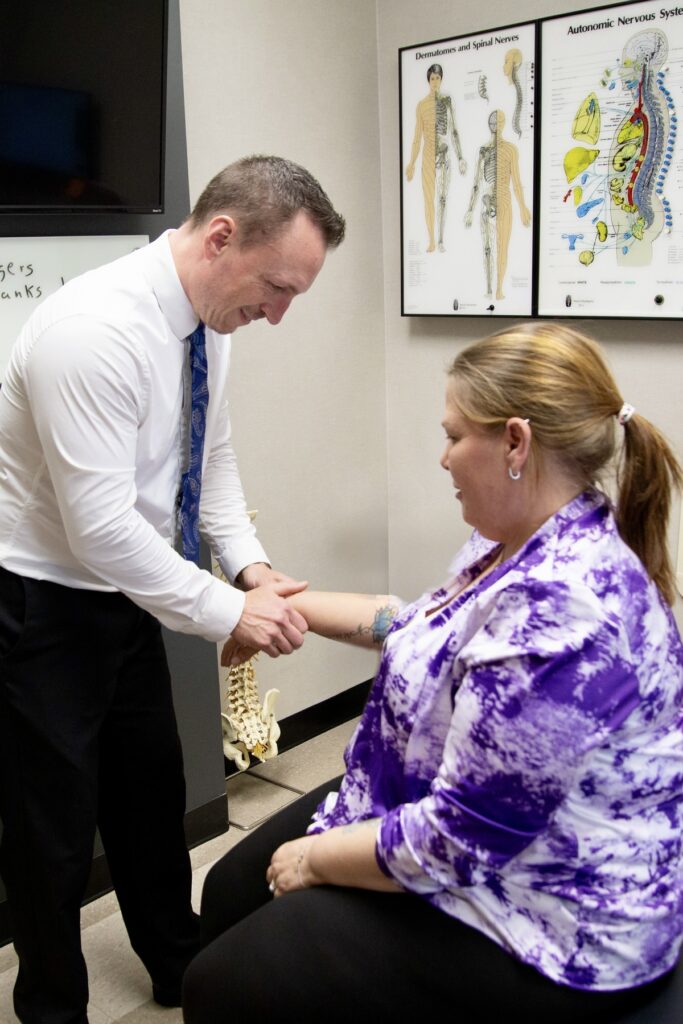

Neck pain is one of those frustrations that can turn a normal day into a struggle. Whether you’re sitting at your desk, driving around Hickory, or just trying to sleep comfortably, that persistent ache or stiffness in your neck can affect everything you do. If you’ve been dealing with neck discomfort and wondering what your options are beyond pain medication or just “dealing with it,” you’re not alone. Many people here in Hickory turn to chiropractic care as a safe, effective, and non-invasive approach to finding relief. At Wellness One, we’ve helped countless patients understand how chiropractic adjustments can address the root causes of neck pain rather than just masking symptoms. In this article, we’ll explore the benefits of chiropractic care specifically for neck pain relief, what causes neck discomfort in the first place, and how adjustments work to restore function and reduce pain.
What are chiropractic adjustments for neck pain? Chiropractic adjustments for the neck, also called cervical adjustments, are precise, controlled movements applied to the vertebrae in your neck to restore proper alignment and mobility. These adjustments help reduce nerve irritation, improve range of motion, and allow your body’s natural healing processes to work more effectively.
Table of Contents
- Understanding Neck Pain and Its Impact
- Common Causes of Neck Pain
- How Chiropractic Adjustments Work for Neck Pain
- Key Benefits of Chiropractic Care for Neck Pain Relief
- What to Expect During Your Chiropractic Visit
- Chiropractic Adjustments vs. Other Treatment Options
- Practical Tips to Support Neck Health
- When to See a Chiropractor for Neck Pain
- Myths vs. Facts About Chiropractic Neck Adjustments
- Final Thoughts
Understanding Neck Pain and Its Impact
Your neck, or cervical spine, is a remarkably flexible and complex structure. It supports the weight of your head—about 10 to 12 pounds on average—while allowing you to look up, down, and side to side throughout the day. The cervical spine consists of seven vertebrae, cushioned by discs and supported by muscles, ligaments, and nerves. When everything is working properly, you barely notice your neck at all. But when something goes wrong, the pain can be sharp, dull, constant, or intermittent, and it can radiate into your shoulders, arms, or even cause headaches.
Neck pain affects millions of Americans each year. Research suggests that at some point in their lives, approximately two-thirds of people will experience neck pain. For some, it’s a temporary inconvenience. For others, it becomes a chronic issue that interferes with work, sleep, and quality of life. The good news is that most neck pain is mechanical in nature, meaning it stems from problems with how the joints, muscles, and ligaments are functioning rather than from serious disease or injury. This is where conservative care approaches like chiropractic adjustments can be particularly beneficial.
Here in Hickory, many of our patients at Wellness One come to us after trying various self-care methods or medications without lasting results. They’re looking for an approach that addresses the underlying dysfunction rather than just temporarily covering up the pain. Understanding what’s causing your neck pain is the first step toward effective relief.
Common Causes of Neck Pain
Neck pain rarely appears out of nowhere. While sometimes it can result from a specific incident like a car accident or sports injury, more often it develops gradually due to everyday habits and cumulative stress. Identifying the root cause is essential for effective treatment and prevention.
Poor Posture and “Tech Neck”
One of the most common culprits behind modern neck pain is poor posture, especially related to prolonged screen time. Whether you’re working on a computer, scrolling through your phone, or binge-watching your favorite shows, forward head posture puts enormous strain on your neck. For every inch your head moves forward from its neutral position, the effective weight on your cervical spine can increase by 10 pounds or more. This constant forward pull stresses the muscles, ligaments, and joints, leading to pain, stiffness, and eventually degenerative changes.
Muscle Strain and Tension
Overuse, repetitive movements, or simply holding your neck in one position for too long can cause muscle strain. This might happen from sleeping in an awkward position, carrying a heavy bag on one shoulder, or even from stress-related muscle tension. When neck muscles become tight and fatigued, they can create painful trigger points and restrict your range of motion.
Joint Dysfunction and Misalignment
The vertebrae in your neck need to move smoothly and maintain proper alignment for optimal function. When joints become restricted or misaligned—what chiropractors call subluxations—they can cause pain, inflammation, and nerve irritation. This joint dysfunction can result from trauma, poor posture, or simply the wear and tear of daily life.
Disc Problems
The discs between your vertebrae act as shock absorbers. Over time, or due to injury, these discs can bulge, herniate, or degenerate, potentially putting pressure on nearby nerves. While not all disc issues cause symptoms, when they do, the pain can be significant and may radiate down your arm.
Injuries and Whiplash
Sudden movements that force your neck beyond its normal range—like those experienced in car accidents—can damage the soft tissues and joints of the cervical spine. Whiplash injuries can have delayed symptoms and may not fully manifest until days after the incident.
How Chiropractic Adjustments Work for Neck Pain
Chiropractic care is built on the principle that your body has an innate ability to heal itself when your nervous system is functioning optimally and your musculoskeletal system is properly aligned. Chiropractic adjustments for the neck are designed to restore normal joint function, reduce nerve interference, and allow your body’s natural healing mechanisms to work effectively.
During a cervical adjustment, your chiropractor applies a specific, controlled force to a vertebra that isn’t moving properly. This quick, precise movement helps restore the joint’s normal range of motion and position. The goal isn’t to “crack” or “pop” your neck, though you may hear these sounds as gas bubbles are released from the joint—this is completely normal and harmless. The real benefit comes from restoring proper biomechanics and reducing stress on surrounding tissues.
When vertebrae in your neck aren’t moving correctly, several problems can develop. The joints themselves become inflamed and painful. Muscles around the area tighten up in a protective response. Nerves that exit the spine in that region may become irritated. And over time, these dysfunctional movement patterns can lead to degenerative changes. Adjustments interrupt this negative cycle by restoring normal motion and alignment.
Research published in sources like the Journal of Manipulative and Physiological Therapeutics has shown that chiropractic adjustments can effectively reduce neck pain and improve function. The American College of Physicians clinical practice guidelines also recognize spinal manipulation as a recommended treatment option for certain types of neck pain. At Wellness One in Hickory, we use evidence-informed approaches tailored to each patient’s specific condition and comfort level.
Key Benefits of Chiropractic Care for Neck Pain Relief
Chiropractic adjustments offer several distinct advantages for people dealing with neck pain. These benefits go beyond just temporary symptom relief and address the underlying mechanical problems contributing to your discomfort.
Non-Invasive and Drug-Free Approach
One of the primary benefits of chiropractic care is that it provides relief without surgery or medication. While pain relievers have their place, they don’t address the root cause of your neck pain and can come with side effects or dependency concerns. Chiropractic adjustments work with your body’s natural healing abilities rather than introducing foreign substances or requiring invasive procedures.
Improved Range of Motion
Many patients notice an immediate improvement in their ability to turn their head or look up and down after an adjustment. This restored mobility isn’t just about comfort—it’s essential for safe driving, working, and performing daily activities. When your neck joints move properly, the surrounding muscles can relax, further enhancing your range of motion.
Reduced Muscle Tension and Spasm
Tight, spasming neck muscles often develop as a protective response to joint dysfunction or misalignment. By addressing the underlying joint problems through adjustments, chiropractic care helps break this pain-spasm-pain cycle. When joints move correctly, muscles don’t have to work as hard to stabilize the area, allowing them to relax naturally.
Decreased Nerve Irritation
Your spinal nerves exit between vertebrae and travel to various parts of your body. When vertebrae are misaligned or joints aren’t moving properly, these nerves can become compressed or irritated, potentially causing pain, tingling, numbness, or weakness that radiates into your shoulders and arms. Chiropractic adjustments help restore proper space and reduce pressure on these nerves.
Prevention of Future Problems
Regular chiropractic care doesn’t just address current pain—it helps maintain proper spinal health to prevent future episodes. By keeping your neck joints mobile and properly aligned, you reduce the cumulative stress that leads to degenerative changes and chronic pain conditions.
Improved Posture Awareness
Part of chiropractic care involves education about proper posture and body mechanics. As you become more aware of how you hold and move your neck throughout the day, you can make better choices that support long-term neck health. This awareness, combined with regular adjustments, creates lasting positive change.
Complementary to Other Therapies
Chiropractic care works well alongside other conservative treatments like physical therapy, massage therapy, and corrective exercises. At Wellness One, we often incorporate multiple approaches to give our Hickory patients the best possible outcomes. This integrative approach addresses all aspects of your neck pain, from joint dysfunction to muscle imbalances to postural habits.
What to Expect During Your Chiropractic Visit
If you’ve never been to a chiropractor before, you might be wondering what actually happens during a visit, especially when you’re seeking help for neck pain. Understanding the process can help you feel more comfortable and get the most from your care.
Your first visit at Wellness One in Hickory begins with a thorough consultation and examination. We’ll discuss your health history, the nature of your neck pain, what makes it better or worse, and any previous treatments you’ve tried. This conversation helps us understand not just your symptoms but also your lifestyle, work habits, and goals for care.
Next comes a physical examination focused on your neck and spine. This typically includes assessments of your posture, range of motion, muscle tension, and joint function. We’ll palpate (feel) your neck to identify areas of restriction, tenderness, or misalignment. We may also perform orthopedic and neurological tests to better understand what’s causing your pain and to rule out conditions that might require referral to another healthcare provider.
In some cases, we may recommend X-rays or other imaging to get a clearer picture of your spinal structure, especially if there’s a history of trauma or if we suspect underlying issues that need to be visualized. However, imaging isn’t always necessary, especially for straightforward cases of mechanical neck pain.
Once we’ve completed the examination and have a clear diagnosis, we’ll discuss our findings with you and develop a personalized care plan. This plan will outline what type of adjustments we’ll use, how often you’ll need to come in initially, and what other therapies or lifestyle modifications might help.
During the adjustment itself, you’ll typically lie face up or sit in a specialized chair. Your chiropractor will position your head and neck carefully and then deliver a quick, controlled thrust to the specific vertebra that needs adjustment. The movement is precise and usually takes only seconds. Most patients find the experience much gentler than they expected. Some people feel immediate relief, while others notice gradual improvement over several sessions.
After your adjustment, we may provide ice or heat therapy, recommend specific exercises or stretches, and give you guidance on what to do—and what to avoid—for the next day or two. It’s normal to feel some mild soreness after your first few adjustments, similar to how you might feel after starting a new exercise routine. This typically resolves quickly as your body adapts to improved alignment and movement.
Chiropractic Adjustments vs. Other Treatment Options
| Treatment Approach | How It Works | Best For | Considerations |
|---|---|---|---|
| Chiropractic Adjustments | Restores joint mobility and alignment through manual techniques | Mechanical neck pain, joint dysfunction, posture-related issues | Non-invasive, drug-free, addresses root causes, may require multiple visits |
| Pain Medications | Reduces pain signals and inflammation temporarily | Acute pain management, short-term relief | Doesn’t address underlying problems, potential side effects, not for long-term use |
| Physical Therapy | Strengthens muscles and improves movement patterns through exercise | Rehabilitation after injury, muscle weakness, mobility deficits | Works well with chiropractic care, requires patient participation and time commitment |
| Massage Therapy | Releases muscle tension and improves circulation through soft tissue work | Muscle tightness, stress-related tension, general relaxation | Addresses muscles but not joint dysfunction, temporary relief, complements adjustments |
| Surgery | Physically alters spinal structures to decompress nerves or stabilize joints | Severe structural problems, nerve compression unresponsive to conservative care | Invasive, expensive, significant recovery time, typically last resort after conservative options fail |
Practical Tips to Support Neck Health
While chiropractic adjustments are highly effective for relieving neck pain, what you do between visits plays a crucial role in your recovery and long-term neck health. Here are some practical, evidence-based strategies you can implement today to support your neck and prevent future problems.
Optimize Your Workspace Ergonomics
If you work at a computer, proper setup is essential. Your monitor should be at eye level so you’re not constantly looking down or up. The top of the screen should be roughly at or just below eye level. Keep your keyboard and mouse close enough that you’re not reaching forward, which can strain your neck and shoulders. Your chair should support your lower back and allow your feet to rest flat on the floor. Taking these steps reduces the cumulative stress on your neck during long work sessions.
Mind Your Phone Posture
Instead of dropping your head down to look at your phone, bring the device up closer to eye level. This simple change dramatically reduces the load on your cervical spine. Consider setting reminders on your phone to check your posture throughout the day. Those of us here in Hickory who spend a lot of time on our devices know how easy it is to fall into poor habits, but small adjustments make a big difference.
Sleep Smart
Your sleeping position affects your neck health significantly. Ideally, sleep on your back or side with a supportive pillow that keeps your neck in a neutral position. Your pillow should fill the space between your neck and the mattress without pushing your head too far forward or letting it drop too far back. Avoid stomach sleeping if possible, as it forces your neck to turn to one side for extended periods. If you must sleep on your stomach, use a very thin pillow or no pillow at all.
Move Regularly
Prolonged static positions are hard on your neck, even if your posture is perfect. Set a timer to remind yourself to move every 30 to 45 minutes. Stand up, walk around, roll your shoulders, and gently move your neck through its range of motion. This prevents muscles from getting locked in one position and keeps your joints mobile.
Practice Gentle Stretching
Simple neck stretches can help maintain flexibility and reduce tension. Try gentle chin tucks to strengthen your deep neck flexors and counteract forward head posture. Side bends and rotations can also help, but always move slowly and stop if you experience pain. Your chiropractor at Wellness One can demonstrate specific stretches appropriate for your condition.
Manage Stress
Emotional stress often manifests as physical tension, particularly in the neck and shoulders. Finding healthy ways to manage stress—whether through exercise, meditation, deep breathing, or hobbies you enjoy—can reduce the muscle tension that contributes to neck pain.
Stay Hydrated
Your spinal discs need water to maintain their height and shock-absorbing properties. Drinking adequate water throughout the day supports overall spinal health, including your neck. While individual needs vary, most adults benefit from drinking half their body weight in ounces of water daily.
When to See a Chiropractor for Neck Pain
Not every instance of neck discomfort requires professional care, but knowing when to seek help can prevent a minor issue from becoming a chronic problem. Here at Wellness One in Hickory, NC, we encourage patients to consider chiropractic evaluation if they’re experiencing any of the following situations.
If your neck pain has persisted for more than a few days despite self-care measures like rest, ice, and gentle movement, it’s time to get it checked out. While occasional minor stiffness from sleeping wrong might resolve on its own, pain that lingers suggests an underlying mechanical problem that could benefit from adjustment.
Pain that interferes with your daily activities—whether that’s work, exercise, driving, or sleep—deserves attention. You shouldn’t have to modify your life around your neck pain. Chiropractic care can help restore function so you can get back to the activities you enjoy.
If your neck pain is accompanied by headaches, especially those that start at the base of your skull, this often indicates cervical spine involvement. Many tension-type and cervicogenic headaches respond well to chiropractic adjustments that address the underlying neck dysfunction.
Pain, tingling, numbness, or weakness that radiates from your neck into your shoulder, arm, or hand suggests possible nerve irritation or compression. These symptoms should be evaluated promptly to determine the cause and appropriate treatment approach.
Reduced range of motion—difficulty turning your head to check blind spots while driving, looking up at shelves, or bending your neck comfortably—indicates joint restriction that chiropractic care is specifically designed to address.
Recent injuries, even if they seemed minor at the time, should be evaluated. Whiplash from car accidents, sports injuries, or falls can have delayed symptoms. Early intervention often leads to better outcomes and prevents chronic problems from developing.
However, certain symptoms require immediate medical attention rather than chiropractic care. Seek emergency medical evaluation if you experience severe neck pain following trauma, neck pain accompanied by fever and severe headache, loss of bowel or bladder control, progressive weakness in arms or legs, difficulty walking or coordinating movements, or neck pain with changes in consciousness. These symptoms could indicate serious conditions requiring immediate medical intervention.
At Wellness One, we’re trained to recognize when a condition is appropriate for chiropractic care and when referral to another healthcare provider is necessary. Your safety and well-being are always our top priority.
Myths vs. Facts About Chiropractic Neck Adjustments
Despite the growing evidence supporting chiropractic care, several misconceptions persist about neck adjustments. Let’s address some common myths with factual information.
Myth: Neck adjustments are dangerous and can cause strokes.
Fact: While you may have heard concerns about this, research shows that serious adverse events from cervical adjustments are extremely rare. Large-scale studies have found no increased risk of stroke associated with chiropractic visits compared to visiting a primary care physician. Chiropractors are trained to screen for risk factors and use techniques appropriate for each patient’s situation. The benefits of neck adjustments for pain relief far outweigh the minimal risks when performed by a licensed professional.
Myth: Once you start chiropractic care, you have to keep going forever.
Fact: You’re always in control of your care. While some patients choose ongoing wellness care because they feel better and want to maintain their results, you’re never obligated to continue indefinitely. Many people come in for a specific problem, get relief after several visits, and then move on. Others return periodically for maintenance care, similar to regular dental cleanings. The choice is always yours.
Myth: The “popping” sound during adjustments means bones are cracking.
Fact: That popping or cracking sound you sometimes hear during an adjustment is simply gas bubbles being released from the joint fluid—a process called cavitation. It’s the same thing that happens when you crack your knuckles. Nothing is breaking or cracking in a harmful way. The sound isn’t even necessary for the adjustment to be effective; it’s just a common byproduct of the joint movement.
Myth: Chiropractic adjustments are just temporary fixes that don’t address the real problem.
Fact: Quality chiropractic care focuses on identifying and correcting the underlying biomechanical problems causing your neck pain, not just temporarily relieving symptoms. When combined with proper ergonomics, exercises, and lifestyle modifications, chiropractic adjustments create lasting improvements in joint function and alignment. This comprehensive approach addresses root causes rather than just masking pain.
Myth: You need X-rays before any chiropractic treatment.
Fact: While X-rays can be helpful diagnostic tools in certain situations, they’re not required for every patient. Many cases of mechanical neck pain can be effectively diagnosed and treated based on history and physical examination alone. Your chiropractor will recommend imaging only when it’s clinically necessary to inform your care plan or rule out specific conditions.
Final Thoughts
Living with neck pain doesn’t have to be your normal. Whether your discomfort comes from poor posture, an old injury, stress-related tension, or the daily wear and tear of life, chiropractic adjustments offer a safe, effective, and natural approach to finding relief and restoring function. At Wellness One here in Hickory, North Carolina, we’ve seen firsthand how chiropractic care can transform people’s lives by addressing the root causes of neck pain rather than just covering up symptoms.
The benefits of chiropractic adjustments extend beyond pain relief. They help restore proper movement, reduce muscle tension, decrease nerve irritation, and support your body’s natural healing abilities. When combined with practical lifestyle changes and ongoing self-care, chiropractic treatment provides a foundation for lasting neck health.
If you’re struggling with neck pain and looking for a drug-free, non-surgical solution, we invite you to experience the difference that personalized chiropractic care can make. Our team at Wellness One is committed to helping our Hickory community understand their health, make informed decisions, and achieve their wellness goals. You don’t have to navigate neck pain alone—professional help is available, and relief may be closer than you think.
Frequently Asked Questions
How long does it take for chiropractic adjustments to relieve neck pain?
Response time varies depending on the severity and duration of your condition. Some patients experience immediate relief after their first adjustment, while others notice gradual improvement over several weeks. Most people with acute neck pain see significant improvement within 4 to 6 visits, though chronic conditions may require longer care.
Are chiropractic neck adjustments painful?
Most patients find neck adjustments surprisingly comfortable and even relieving. You might feel some pressure or stretching sensation during the adjustment, but it shouldn’t be painful. Some people experience mild soreness afterward, similar to post-exercise soreness, which typically resolves within a day or two.
Can I adjust my own neck at home?
While you might be tempted to “crack” your own neck for relief, self-manipulation isn’t recommended. When you move your own neck, you typically adjust segments that already move too much while missing the restricted joints that actually need attention. Professional chiropractic adjustments are specific, controlled, and targeted to the exact area that needs correction.
How is a chiropractic adjustment different from a massage?
Massage therapy focuses on releasing tension in muscles and soft tissues, while chiropractic adjustments specifically address joint function and alignment. Both approaches have value and often complement each other. Massage works on muscles, while adjustments work on joints—addressing both provides comprehensive care for neck pain.
Will my insurance cover chiropractic care for neck pain?
Many insurance plans include chiropractic coverage, though specifics vary by plan and provider. Medicare also covers chiropractic adjustments. At Wellness One, we can help verify your coverage and discuss payment options during your first visit so you understand what to expect.
Can chiropractic care help with neck pain that radiates into my arm?
Yes, chiropractic adjustments can often help with radiating neck pain, which may indicate nerve irritation from joint dysfunction or disc issues. A thorough examination will determine if your condition is appropriate for chiropractic care. In cases where nerve compression is severe, we may coordinate care with other healthcare providers to ensure you receive comprehensive treatment.
TL;DR — Key Takeaways
- Chiropractic adjustments provide drug-free, non-invasive relief for neck pain by addressing underlying joint dysfunction and misalignment rather than just masking symptoms.
- Benefits include improved range of motion, reduced muscle tension, decreased nerve irritation, and prevention of future problems through restored proper spinal mechanics.
- Most neck pain stems from mechanical issues like poor posture, muscle strain, joint restriction, or previous injuries—conditions that respond well to chiropractic care.
- What you do between adjustments matters: proper ergonomics, regular movement, smart sleeping habits, and stress management all support lasting neck health.
- Seek chiropractic evaluation if neck pain persists beyond a few days, interferes with daily activities, causes radiating symptoms, or limits your range of motion—early intervention often leads to better outcomes.