When you encounter a sports injury, the journey to recovery can seem daunting. However, targeted chiropractic adjustments are key to restoring your body’s alignment and easing your pain naturally. But recovery isn’t just about getting those adjustments; it’s also about embracing a holistic approach that includes rehabilitation, proper nutrition, and building mental resilience.
Curious how these elements come together to enhance your recovery? Let’s delve into some essential strategies that can help you bounce back stronger than ever, while positioning chiropractic care as your go-to choice for achieving optimal health.
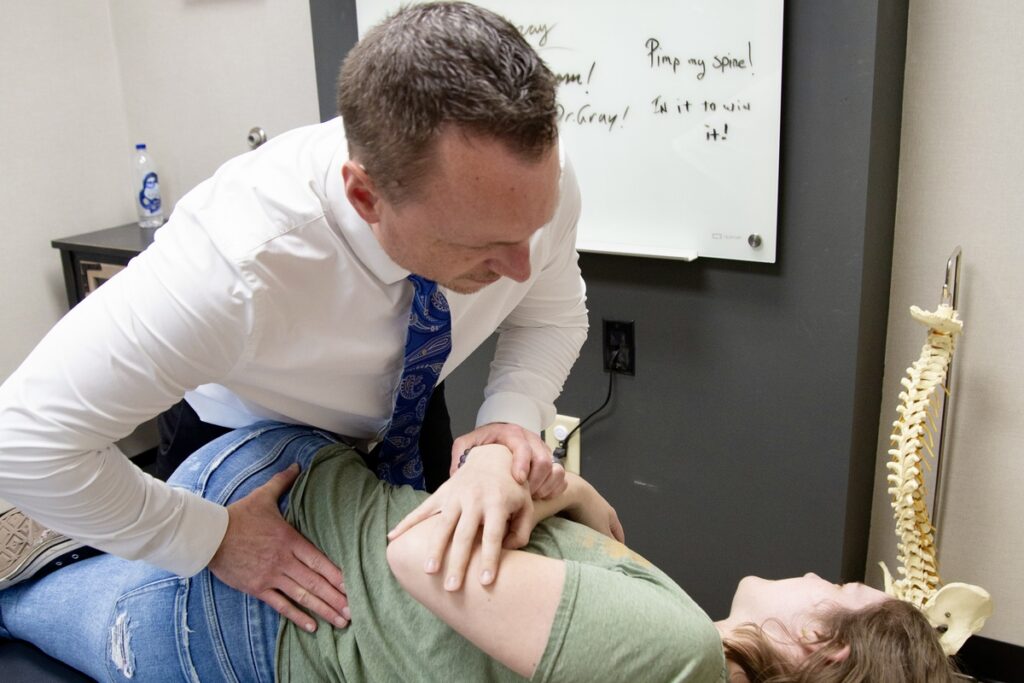
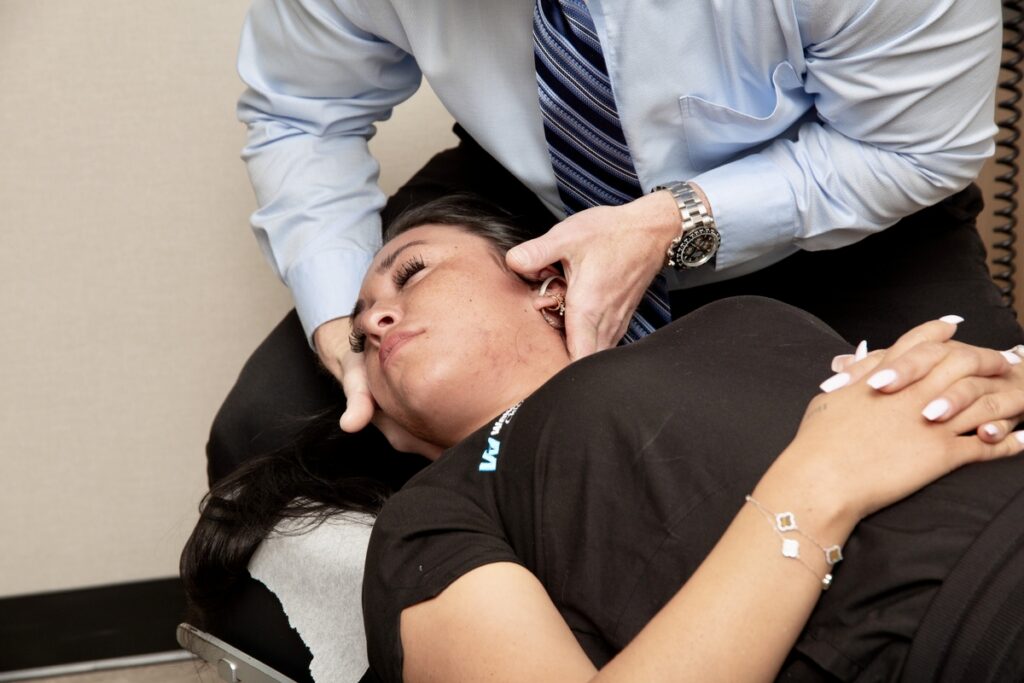
- Chiropractic Adjustments: Regular adjustments help realign your spine, enabling your body to heal itself more effectively. This not only alleviates pain but also improves overall function.
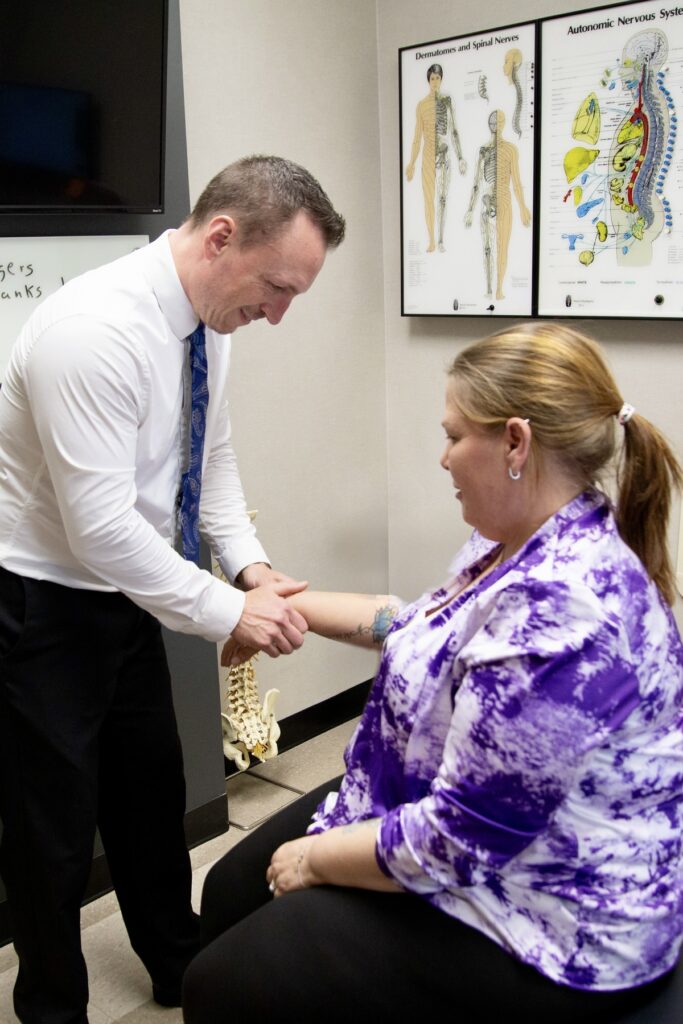
- Rehabilitation Exercises: Incorporating gentle, guided exercises into your routine can strengthen the muscles surrounding your injury and promote healing. Your chiropractor can provide a tailored exercise plan.
- Nutrition Matters: Fuel your body with nutrient-rich foods that support healing. Focus on whole foods, lean proteins, fresh fruits, and vegetables to provide the vitamins and minerals your body needs to recover.
- Mental Resilience: Healing is not just physical; it’s mental too. Cultivating a positive mindset can enhance your recovery process. Try practices such as mindfulness, meditation, or simply engaging in activities that bring you joy.
- Stay Hydrated: Water is essential for healing. Staying properly hydrated helps maintain optimal bodily functions and can speed up recovery time.
- Listen to Your Body: Pay attention to how your body feels during this recovery process. Communicate with your chiropractor about any pain or discomfort so they can adjust your treatment plan as needed.
By integrating these approaches and prioritizing chiropractic care, you can pave the way for a smoother and more effective recovery from your sports injury. Remember, healing takes time, but with the right support, you can come back stronger and more resilient than before!
Key Takeaways
- As a chiropractor, I can tell you that chiropractic adjustments are essential for promoting spinal alignment. This not only enhances overall body function but also significantly supports your injury recovery and helps prevent future injuries.
- When you receive regular chiropractic care, you may experience reduced pain and inflammation, which can speed up the healing process and improve your mobility after sports injuries. This natural approach focuses on your body’s ability to heal itself.
- To further aid your recovery, consider incorporating gentle strengthening exercises and stretches into your rehabilitation plan. These activities help foster natural healing and effectively restore your strength, allowing your body to bounce back more efficiently.
- Additionally, you might want to explore complementary therapies like cryotherapy and infrared light therapy. When used alongside chiropractic care, these methods can enhance your recovery and provide relief from pain, helping you feel your best.
- It’s crucial to listen to your body during the recovery process. Pay attention to its signals and adjust your activity levels and recovery practices accordingly. This awareness can help you avoid re-injury and ensure a smoother healing journey.
Remember, chiropractic care is a holistic and natural approach to achieving optimal health and wellness. By prioritizing spinal health and nurturing your body, you can pave the way for a healthier, more active lifestyle.
Understanding Common Sports Injuries
In the world of athletics, injuries can be just as prevalent as the excitement of competition. Whether you’re a weekend warrior or a seasoned athlete, understanding common sports injuries is crucial for your performance and overall health. Many injuries, such as sprains and strains, can occur when you push your body too hard or neglect proper warm-ups. A sprain affects the ligaments, while a strain impacts muscles or tendons.
Fractures can also sideline you for weeks, often resulting from falls or direct impacts. Overuse injuries, like tendonitis, develop gradually due to repetitive motions in your sport. Dislocations, which occur when joints are forced out of their normal position, can be particularly painful and concerning.
Recognizing these injuries early is vital for seeking prompt treatment and preventing long-term damage. One of the best approaches to managing and preventing sports injuries is through chiropractic care. Chiropractors focus on the health of your spine and musculoskeletal system, helping to realign your body and promote natural healing. Regular chiropractic adjustments can enhance your flexibility, improve your range of motion, and reduce the risk of injuries by ensuring your body is functioning optimally.
To support your athletic journey, consider these general tips:
- Warm up properly before engaging in any physical activity to prepare your muscles and joints.
- Practice good form during exercises and sports to avoid unnecessary strain on your body.
- Stay hydrated and maintain a balanced diet to support overall health and recovery.
- Listen to your body – if something feels off, seek help from a chiropractor to address any underlying issues before they escalate.
Staying informed about common sports injuries and prioritizing your spinal health through chiropractic care can lead to a safer, more successful athletic experience. Embrace the natural healing benefits of chiropractic, and give your body the support it needs to thrive.
The Role of Physical Therapy in Recovery
When recovering from a sports injury, chiropractic care is a crucial component of your healing journey. Unlike traditional physical therapy, chiropractic focuses on aligning your spine and improving your overall body function, which is essential for effective recovery. With personalized treatment plans designed specifically for you, chiropractic adjustments can alleviate pain, enhance mobility, and promote natural healing.
In addition to spinal adjustments, chiropractors often incorporate gentle strengthening exercises and stretches tailored to your needs. These exercises not only help restore your strength but also contribute to long-term wellness and injury prevention. By addressing the root cause of your discomfort, chiropractic care offers a holistic approach to recovery that emphasizes the body’s natural ability to heal itself.
Here are some general tips to enhance your recovery process:
- Stay Hydrated: Drinking plenty of water helps maintain spinal health and supports overall bodily functions.
- Practice Good Posture: Being mindful of your posture can reduce strain on your spine and prevent further injuries.
- Incorporate Gentle Movement: Engage in low-impact activities like walking or swimming to keep your body active without overexerting yourself.
- Listen to Your Body: If something doesn’t feel right, don’t push through the pain. Consult with your chiropractor for guidance.
- Prioritize Rest: Allow your body the time it needs to heal. Adequate rest is just as important as active recovery.
Personalized Treatment Plans
Creating a personalized recovery plan is crucial for overcoming sports injuries and achieving optimal health. As a chiropractor, I believe that a tailored approach starts with a comprehensive assessment. During your visit, I’ll evaluate your specific injury, overall fitness level, and personal goals. This helps us develop a plan that not only addresses your injury but also enhances your overall well-being.
Our focus will be on natural healing techniques that promote recovery without the need for medications or surgeries. I’ll guide you through targeted exercises designed to strengthen the affected area while also improving your athletic performance. This may include spinal adjustments, which can help align your body and alleviate pain, allowing you to recover more efficiently.
Regular follow-up appointments are essential to monitor your progress and make necessary adjustments to your treatment plan. This ensures that you remain on the right path to recovery and can achieve your best performance in your sport. Remember, a one-size-fits-all approach doesn’t yield the best results. By concentrating on your individual needs and utilizing chiropractic care, you can return to your sport feeling stronger, more agile, and more resilient than ever.
Here are some general tips to support your recovery journey:
- Stay Active: Engage in gentle, low-impact activities that don’t aggravate your injury. This can help maintain your strength and flexibility.
- Listen to Your Body: Pay attention to any signs of discomfort or pain. It’s essential to rest when needed and avoid pushing through pain.
- Maintain Good Posture: Proper posture can significantly affect your recovery. Focus on maintaining a neutral spine while sitting, standing, and exercising.
- Hydrate and Nourish: Drinking plenty of water and eating a balanced diet rich in vitamins and minerals can aid in the healing process.
- Utilize Ice and Heat: Applying ice can reduce inflammation, while heat can help relax tight muscles. Use them as needed based on your injury.
By incorporating these practices and utilizing chiropractic care, you can effectively manage pain, promote healing, and pave the way for a successful return to your sport.
Your journey to optimal health starts with understanding your body and making informed choices!
Pain Management Techniques
As you embark on your recovery journey, embracing effective pain management techniques is crucial for regaining strength and mobility. Chiropractic care stands out as a natural and holistic approach to alleviating pain and promoting overall wellness. By focusing on spinal health and alignment, chiropractic care can be a key player in your recovery process. Here are some common pain management techniques that align with the principles of chiropractic care:
| Technique | Description |
|---|---|
| Chiropractic Adjustments | Gentle spinal manipulations to restore proper alignment and function, relieving tension and pain. |
| Manual Therapy | Hands-on techniques that complement chiropractic care, helping to ease muscle tension and improve mobility. |
| Education and Support | Learning about your body, injury, and recovery process, empowering you to take control of your health. |
In addition to these techniques, here are some general tips for managing pain and enhancing your healing journey:
- Stay Active: Gentle movement and regular exercise can help you maintain flexibility and strength. Always consult your chiropractor for personalized recommendations.
- Practice Good Posture: Maintaining proper posture throughout your daily activities can reduce strain on your spine and prevent pain.
- Stay Hydrated: Drinking plenty of water supports overall health and helps keep your muscles and joints functioning optimally.
- Listen to Your Body: Pay attention to your body’s signals. If something doesn’t feel right, consult your chiropractor to adjust your treatment plan.
- Incorporate Relaxation Techniques: Practices like deep breathing, yoga, or meditation can help reduce stress and promote healing.
Strengthening and Rehabilitation Exercises
Strengthening your body through targeted rehabilitation exercises is a vital part of recovering from sports injuries. These exercises not only help rebuild strength but also enhance flexibility and coordination, which can help you return to your favorite activities faster and safer. As a chiropractor, I encourage you to consider a holistic approach to your recovery that emphasizes natural healing and wellness.
A tailored rehabilitation program can be incredibly beneficial, and it’s often best guided by a healthcare professional who understands your specific needs. Here are some key exercises and tips that can support your recovery:
- Isometric contractions: These are great for building strength without moving your joints. They can be done anywhere and are low-impact, making them safe for most individuals.
- Resistance training: Using bands or light weights can help target specific muscle groups. It’s essential to focus on proper form to avoid injury, and a chiropractor can help ensure you’re doing exercises safely.
- Balance exercises: Improving your stability can prevent future injuries. Simple activities like standing on one leg or using a balance board can make a significant difference.
Incorporating these exercises into your routine can be a natural way to promote healing and enhance your overall wellness. Remember to listen to your body and consult with a chiropractor for personalized guidance. They can help you navigate your recovery journey and ensure you’re on the right track to optimal health.
For everyday wellness, consider stretching regularly, maintaining good posture, and staying hydrated. Small changes in your daily routine can lead to significant improvements in your overall health and well-being. Embrace chiropractic care as a natural and effective way to support your body, relieve pain, and promote lasting wellness.
Innovative Treatment Techniques
When it comes to recovering from sports injuries, while traditional methods have their value, I believe that chiropractic care offers an exceptional path to healing and optimal health. As a chiropractor, I see firsthand how spinal adjustments and holistic approaches can significantly improve recovery times and overall well-being.
One innovative technique that I often recommend in my practice is the use of cryotherapy. This method, which involves exposing the body to extremely cold temperatures, can work wonders in reducing inflammation and alleviating pain, allowing you to get back in the game faster.
Another technique that complements chiropractic care beautifully is infrared light therapy. This therapy promotes healing at a cellular level by increasing blood flow, which helps reduce muscle soreness and enhances recovery.
In addition to these therapies, dry needling is another option that targets specific muscle trigger points to relieve pain. However, I encourage my patients to consider the benefits of chiropractic adjustments, which can address the underlying issues causing pain, rather than just the symptoms.
For those dealing with more severe injuries, I often discuss the advantages of regenerative medicine techniques, such as using your own body’s resources for healing, which can be a natural alternative to more invasive treatments.
Additionally, engaging in biofeedback and virtual reality rehabilitation can make your recovery process more interactive and empowering. These methods help you take an active role in your healing journey, boosting your confidence and performance on the field.
Incorporating chiropractic care into your recovery not only accelerates the healing process but also fosters a healthier lifestyle. Remember to stay hydrated, maintain a balanced diet, and practice regular stretching to support your body’s natural ability to heal.
Embrace chiropractic care as a primary choice for pain relief and overall wellness, and you’ll be on your way to optimal health in no time!
Nutrition for Optimal Healing
When you’re recovering from a sports injury, nutrition plays a vital role in your healing journey. Key nutrients like protein, vitamins, and minerals are essential for repairing tissues and strengthening your immune system. By focusing on a well-balanced diet, you can support your body’s natural healing processes.
Staying hydrated is equally important. Proper hydration not only aids in recovery but also ensures your body operates smoothly. Remember, when your body is well-hydrated, it can effectively carry nutrients to where they’re needed most, helping you bounce back faster.
As a chiropractor, I encourage you to consider how your spine and overall wellness are interconnected. Maintaining a healthy spine through regular chiropractic adjustments can enhance your recovery by improving your body’s alignment and function. This can lead to better mobility and reduced pain, allowing you to return to your favorite activities sooner.
Here are some simple tips to support your healing:
- Eat a Rainbow: Include a variety of colorful fruits and vegetables in your meals. They’re packed with vitamins and antioxidants that promote healing.
- Focus on Protein: Incorporate lean meats, fish, dairy, legumes, and nuts into your diet. Protein is crucial for tissue repair.
- Stay Hydrated: Aim for at least 8 glasses of water a day. If you’re active, you may need more to replace fluids lost during physical activity.
- Consider Chiropractic Care: Regular adjustments can help alleviate pain and improve your body’s overall function, making it easier for you to heal.
- Listen to Your Body: Pay attention to how you feel. If something doesn’t seem right, consult with your chiropractor for guidance.
Essential Nutrients for Healing
To recover effectively from a sports injury, it’s crucial to focus on essential nutrients that not only support healing but also complement the benefits of chiropractic care. These nutrients help with tissue repair and boost your immune system, enabling you to return to your activities more quickly and safely. Here are three key nutrients you should prioritize, along with some tips for incorporating them into your diet:
- Protein: This nutrient is vital for repairing muscles and tissues after an injury. Lean sources such as chicken, fish, and legumes are excellent options. Consider adding a protein-rich snack post-workout to aid in recovery. Pairing protein with chiropractic adjustments can enhance your healing process by ensuring your body’s alignment supports optimal function.
- Vitamin C: Known for its role in collagen formation, vitamin C is essential for healing wounds. To boost your intake, include citrus fruits, strawberries, and bell peppers in your meals. A well-balanced diet rich in vitamin C can complement the benefits of chiropractic care by promoting overall tissue health.
- Omega-3 Fatty Acids: These healthy fats are known for their anti-inflammatory properties, helping to reduce swelling and promote recovery. Incorporate sources like fatty fish, walnuts, and flaxseeds into your diet. Regular chiropractic adjustments can also help manage inflammation and pain, making it easier to enjoy your favorite foods and get back to your routine.
Hydration’s Role in Recovery
Staying hydrated is crucial for your recovery after a sports injury, and as a chiropractor, I want to emphasize how proper hydration can support your overall wellness and healing process. When you’re well-hydrated, it helps keep your joints lubricated, reduces inflammation, and aids in transporting vital nutrients to the tissues that need them the most. Remember, it’s not just about drinking plain water; incorporating electrolytes into your hydration routine can help replenish what you lose during physical activity.
Here’s a simple guide on hydration sources that can enhance your recovery:
| Source | Benefits | Recommended Intake |
|---|---|---|
| Water | Essential for overall health | At least 8 cups/day |
| Coconut Water | Natural source of electrolytes | 1-2 cups/day |
| Sports Drinks | Quick energy & hydration | Follow label |
Incorporating these fluids into your daily routine can significantly speed up your recovery and help you get back to doing what you love more quickly.
Additionally, think about how chiropractic care can complement your recovery efforts. By ensuring your spine and nervous system are functioning optimally, you can enhance your body’s natural healing abilities. A healthy spine supports overall wellness and can help reduce pain, so consider visiting your chiropractor regularly as part of your recovery plan.
Mental Resilience and Recovery Strategies
While recovering from a sports injury is vital, fostering mental resilience is equally important for getting back to your game. Your mindset can significantly impact how you cope with challenges and maintain motivation during recovery.
Here are some effective strategies to boost your mental resilience, which can complement the benefits of chiropractic care:
- Set realistic goals: Break down your recovery into small, manageable milestones. This helps you stay focused and motivated while allowing you to track your progress. Remember, every small victory counts!
- Practice positive self-talk: Shift your mindset by replacing negative thoughts with positive affirmations. Remind yourself of your strengths and capabilities. This can enhance your confidence and reinforce your belief in your ability to heal.
- Visualize success: Take some time to imagine yourself back in action, performing at your best. Visualization can help condition your mind for success and make the journey back to your sport feel more achievable.
Incorporating chiropractic care into your recovery plan can also support both your physical and mental well-being. Regular adjustments can help alleviate pain, improve mobility, and boost your overall health, setting a strong foundation for your mental resilience.
The Importance of Rest and Rehabilitation
When you experience a sports injury, taking the time to rest is crucial for your recovery. As a chiropractor, I want to emphasize the importance of effective rehabilitation techniques that not only help you regain strength and mobility but also promote natural healing. By understanding how to balance rest with gentle activity, you can significantly enhance your recovery journey.
Chiropractic care plays a vital role in your rehabilitation process. It focuses on aligning your spine and improving your overall body function, which can help alleviate pain and support your body’s natural healing abilities. Regular chiropractic adjustments can enhance your range of motion, reduce inflammation, and speed up recovery time.
To support your healing, here are some general tips you can incorporate into your routine:
- Listen to Your Body: Pay attention to how your body feels. If something causes pain, it’s essential to take a step back and rest.
- Stay Active Within Limits: Engage in gentle activities or stretches that promote mobility without straining your injured area. Low-impact exercises, like walking or swimming, can be beneficial.
- Stay Hydrated and Nourished: Proper hydration and a balanced diet rich in vitamins and minerals can support your body’s recovery process.
- Incorporate Chiropractic Care: Regular visits to a chiropractor can help with pain relief, restore proper spinal function, and guide you through a personalized rehabilitation plan.
- Practice Mindful Relaxation: Stress can hinder healing, so consider incorporating relaxation techniques like deep breathing, meditation, or yoga into your daily routine.
Prioritizing Downtime
Prioritizing Downtime for Natural Healing
As a local chiropractor, I want to emphasize the importance of prioritizing downtime, especially for those recovering from a sports injury. While it might seem counterintuitive, taking time to rest is crucial for effective healing. Allowing your body the chance to recuperate not only aids in repair but also prevents further injury.
Here’s how you can make the most of your downtime:
- Listen to Your Body: Your body sends signals through pain and fatigue. It’s essential to heed these signals and allow yourself the necessary rest. This is your body’s way of indicating when it needs a break to heal properly.
- Mental Recovery: Use this downtime to recharge mentally. Visualize your recovery and set achievable goals for your future activities. Keeping a positive mindset is vital; it can greatly influence your healing process.
- Quality Sleep: Aim for restorative sleep, as this is when your body does most of its healing work. Establish a calming bedtime routine and create a comfortable sleeping environment to enhance your rest.
In addition to these tips, consider incorporating chiropractic care into your recovery plan. Chiropractic adjustments can help reduce pain, improve mobility, and promote natural healing by ensuring your spine is aligned and your nervous system is functioning optimally.
Effective Rehabilitation Techniques
Rehabilitation techniques are vital for your recovery journey, especially after a sports injury, and chiropractic care can be a key component in achieving optimal health. To enhance your healing process, prioritize a balanced approach that includes rest, chiropractic adjustments, and specific exercises.
Rest is crucial as it allows your body to heal naturally. Chiropractic adjustments can help realign your spine and improve your body’s overall function, which is essential for regaining strength and flexibility. Working with a knowledgeable chiropractor means you’ll receive personalized care that targets your unique injury and needs. They can provide tailored exercises designed to gently reintroduce movement, boost circulation, and prepare your body for a safe return to sports.
It’s important to take your time with recovery. Listen to your body and make adjustments to your regimen as needed. Additionally, incorporating natural techniques such as ice therapy, gentle stretching, and elevation can further support your healing process. These strategies ensure you stay on track to return stronger than ever, all while prioritizing natural methods for pain relief and wellness.
Long-term Recovery Strategies
While it may be tempting to jump back into your favorite sport, embracing the importance of rest and proper rehabilitation is crucial for long-term recovery.
Taking the time to heal not only helps prevent re-injury but also fortifies your body for future endeavors. Here are three essential strategies to consider for a successful recovery, all while keeping chiropractic care at the forefront of your healing journey:
- Tune Into Your Body: Your body communicates through signals of pain or discomfort, indicating that more rest may be necessary. Listen to these cues; they’re vital for your recovery.
- Engage in Chiropractic Care: A structured rehab program, guided by a chiropractor, can help you regain strength and flexibility effectively. Chiropractors focus on natural healing methods, ensuring you heal properly without the need for invasive procedures.
- Incorporate Gentle Movement: Activities like swimming, yoga, or even walking can maintain your fitness levels while being gentle on your injury. These low-impact exercises promote healing and can be enhanced with chiropractic adjustments to support your spine and overall well-being.
By prioritizing these strategies and incorporating chiropractic care into your recovery plan, you’ll be setting yourself up for a successful comeback while promoting optimal health and wellness.
Cross-Training to Maintain Fitness
When dealing with a sports injury, it’s crucial to keep moving while allowing your body to heal. One of the best ways to do this is through cross-training, which can significantly enhance your recovery process. By engaging in a variety of activities, you can maintain your fitness levels without putting extra strain on your injured area.
Consider low-impact exercises such as swimming, cycling, or yoga. These activities promote cardiovascular health while being gentle on your body. Additionally, focusing on strength training for the muscle groups that aren’t injured can help you maintain your overall strength. This balanced approach keeps your body engaged and supports recovery without causing further pain.
Listening to your body is key. Pay attention to how you feel and adjust the intensity of your activities accordingly. Cross-training can’t only help you stay fit but also boost your mood and mental health during recovery. Keeping your routine varied and enjoyable can make a significant difference in your motivation to stay active.
Remember, chiropractic care plays a vital role in your recovery journey. Regular adjustments can help reduce pain, improve mobility, and support your overall health. By integrating chiropractic care into your routine, you’re choosing a natural and effective way to promote healing and enhance your wellness.
The Benefits of Active Recovery
Active recovery can be a vital part of your path to healing and overall wellness. By gently engaging in light activities, you can promote blood flow and flexibility while allowing your body to recover. This approach not only helps you maintain a connection to your fitness routine but also ensures you don’t overstrain yourself. Here are some key benefits of incorporating active recovery, along with tips on how chiropractic care can enhance your experience:
- Reduces Muscle Soreness: Engaging in light movements can help flush out lactic acid from your muscles, reducing post-exercise discomfort. Regular chiropractic adjustments can also alleviate tension in your muscles and joints, enhancing your recovery process.
- Improves Range of Motion: Gentle stretching and mobility exercises are essential for keeping your joints flexible and preventing stiffness. A chiropractor can provide personalized stretching routines and adjustments to improve your spinal alignment, which in turn supports better mobility.
- Boosts Mental Well-being: Staying active during your recovery can lift your spirits and reduce feelings of frustration. Chiropractic care not only addresses physical pain but also promotes overall mental wellness through the release of endorphins during adjustments.
Tips for Effective Active Recovery:
- Listen to Your Body: Pay attention to how you feel during light activities. If something doesn’t feel right, it’s important to consult your chiropractor for guidance.
- Incorporate Gentle Movements: Activities like walking, swimming, or yoga can be great options for active recovery. These exercises keep your body engaged without overdoing it.
- Stay Hydrated: Proper hydration supports your body’s healing processes, so make sure to drink plenty of water throughout your recovery.
- Consider Chiropractic Care: Regular visits to your chiropractor can help you maintain optimal health, address pain, and ensure your body is functioning at its best.
By embracing active recovery and integrating chiropractic care into your wellness routine, you can achieve not only pain relief but also a more holistic approach to your health.
Setting Realistic Recovery Goals
Setting realistic recovery goals is crucial for a successful healing process, especially when it comes to your spine and overall wellness. As a chiropractor, I emphasize the importance of understanding your injury and its severity before establishing these goals. By breaking your recovery journey into manageable milestones, you can stay motivated and focused on your path to optimal health.
Here’s a straightforward framework to guide you:
| Goal Type | Example Goal | Timeline |
|---|---|---|
| Short-term Goal | Increase range of motion | 1-2 weeks |
| Mid-term Goal | Walk without pain | 3-4 weeks |
| Long-term Goal | Return to your favorite activities | 6-8 weeks |
| Maintenance Goal | Strengthen to prevent re-injury | Ongoing |
In addition to these goals, consider incorporating chiropractic care into your recovery plan. Regular adjustments can help alleviate pain, enhance your range of motion, and support your body’s natural healing processes.
Here are some general tips to keep in mind during your recovery:
- Stay Active: Engage in gentle movements or stretches as advised by your chiropractor to promote healing without overexertion.
- Listen to Your Body: Pay attention to how your body feels during recovery. If something doesn’t feel right, consult your chiropractor for guidance.
- Stay Hydrated: Proper hydration supports overall health and aids in the healing process.
- Maintain a Healthy Diet: A balanced diet rich in nutrients can boost your recovery and strengthen your body.
- Incorporate Relaxation Techniques: Practices such as deep breathing, meditation, or gentle yoga can help reduce stress and promote healing.
Learning From Injury: Growth and Improvement
Injuries can feel overwhelming, but they often present valuable opportunities for growth and improvement. Instead of viewing your injury as a setback, consider it a chance to reflect on your training and overall approach to your sport. Embracing this mindset can lead to personal development in several ways, and chiropractic care can play a crucial role in your healing journey.
- Enhanced mental toughness: Overcoming adversity helps you build resilience and determination. Chiropractic care can support your mental health by easing pain and discomfort, allowing you to focus on your recovery.
- Refined skill set: Use this time to focus on technique or aspects of your game you may have neglected. A chiropractor can help you identify areas of improvement and provide guidance on maintaining your physical health.
- Greater self-awareness: Understanding your body’s limitations is key to promoting better decision-making in the future. Regular chiropractic adjustments can help you become more in tune with your body, improving your overall performance and minimizing the risk of future injuries.
Here are some general tips to help you on your journey to recovery:
- Stay Active: Gentle movement can aid healing. Consult with your chiropractor for safe exercises that won’t aggravate your injury.
- Focus on Nutrition: Eating a balanced diet rich in anti-inflammatory foods can support your healing process.
- Prioritize Rest: Give your body the time it needs to recover. Quality sleep is essential for healing and overall wellness.
- Stay Hydrated: Drinking plenty of water can help your body function optimally, which is important during recovery.
- Utilize Chiropractic Care: Regular chiropractic adjustments can promote natural healing, improve mobility, and help manage pain without the need for medications or invasive procedures.
Conclusion
Incorporating these chiropractic strategies into your recovery plan can truly make a difference in getting back to your sport stronger than ever. Understanding your injury is crucial, and chiropractic care can help you assess the root causes and promote natural healing. Engaging in chiropractic adjustments can enhance your physical therapy experience, ensuring that your spine and joints are properly aligned for optimal function.
Don’t forget the importance of nutrition and mental resilience during your recovery. A balanced diet can support your body’s healing process, while a positive mindset can help you stay motivated. Remember to listen to your body and set realistic goals as you navigate this journey. Embrace the learning process; each setback can be turned into an opportunity for growth and improvement.
Chiropractic care offers a holistic approach to pain relief and wellness, allowing you to heal naturally without the need for surgeries or medications. Focus on maintaining a healthy lifestyle, incorporating gentle exercises that promote spinal health, and consider regular chiropractic visits to keep your body in balance. You’ve got this, and with the right support, you can achieve optimal health and wellness on your path to recovery!