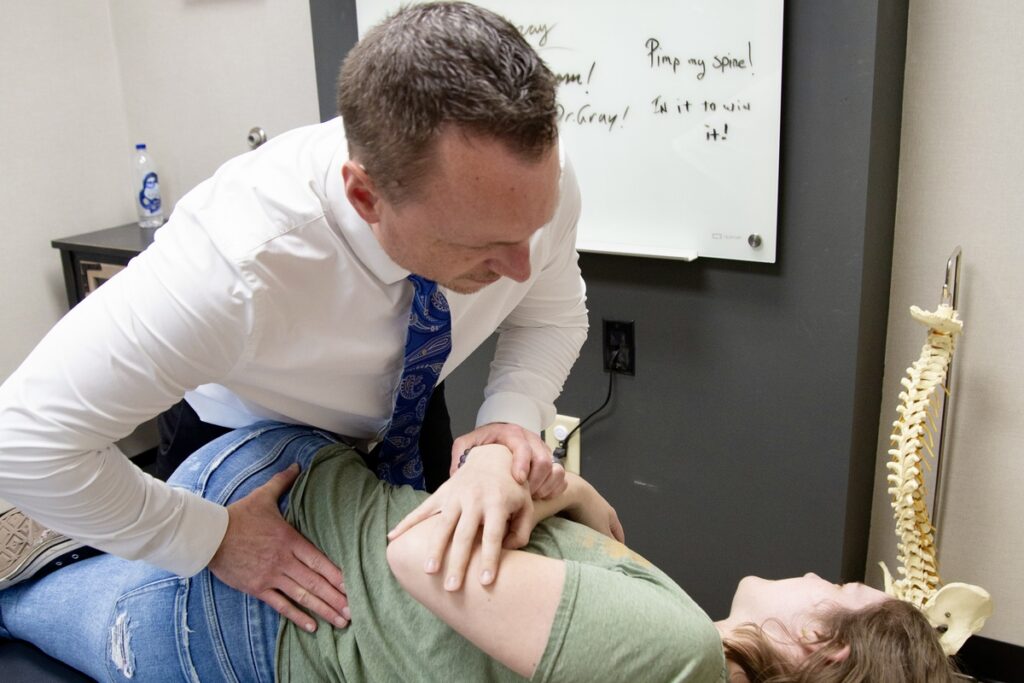
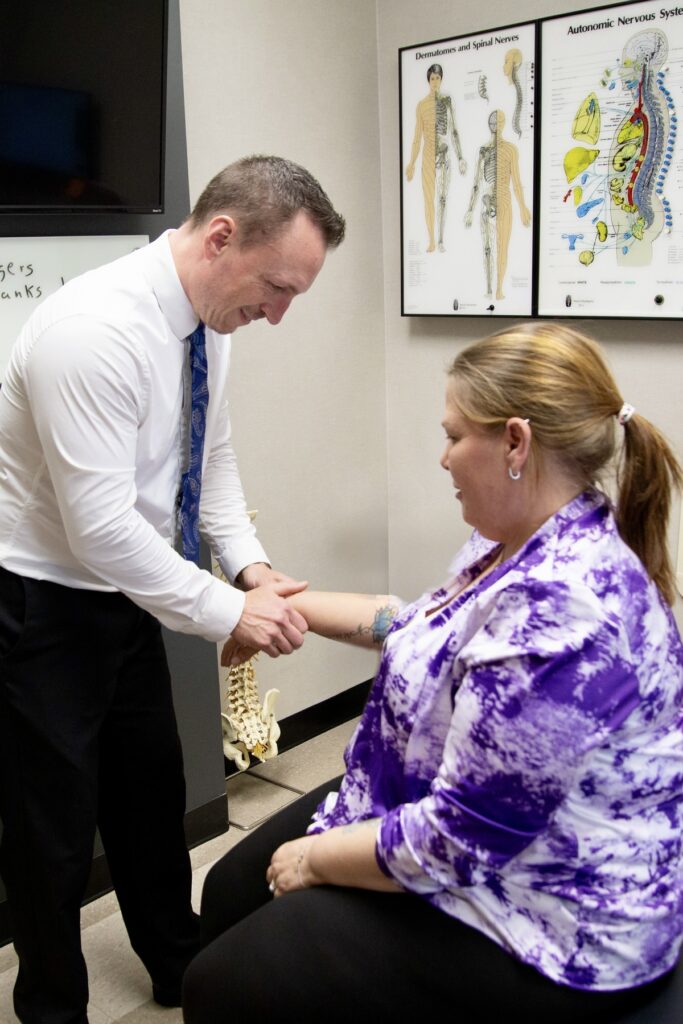
If you’re experiencing lower back pain, know that you’re not alone; many individuals face this challenge, and it can significantly impact daily activities. However, there are gentle, natural solutions that can help alleviate your pain and promote healing. As a chiropractor, I believe that chiropractic care is one of the best ways to address lower back discomfort and support your overall health.
One of the most effective strategies for managing lower back pain is through chiropractic adjustments. These adjustments can help realign the spine, reduce tension, and improve mobility, allowing your body to heal naturally. Additionally, incorporating mindful movement practices, such as stretching and gentle exercises, can further enhance your recovery. Simple activities like walking or yoga can strengthen your back muscles and improve flexibility.
Ergonomic adjustments in your home and workplace can also make a significant difference. Ensure that your workstation is set up to promote good posture, which can relieve strain on your back. Use chairs that provide support and maintain a neutral spine position while sitting.
Here are a few general tips to consider as you work towards relief from lower back pain:
- Practice Good Posture: Whether sitting, standing, or lifting, maintaining proper posture can prevent unnecessary strain on your back.
- Stay Active: Regular, gentle movement is crucial for back health. Aim for daily activities that encourage mobility without overexertion.
- Listen to Your Body: Pay attention to your body’s signals. If a movement causes pain, modify it or seek guidance from a chiropractor.
- Incorporate Stretching: Simple stretches can help alleviate tension in the back muscles. Consider adding a few minutes of stretching to your daily routine.
- Stay Hydrated and Nourished: Proper hydration and a balanced diet can support overall health and recovery.
Remember, chiropractic care not only addresses pain but also promotes a holistic approach to wellness. If you’re struggling with lower back pain, consider scheduling an appointment with a chiropractor who can provide personalized care tailored to your needs. Together, we can work towards achieving optimal health and a pain-free lifestyle.
Key Takeaways
Gentle Relief for Lower Back Pain Solutions
As a chiropractor dedicated to promoting natural healing and optimal wellness, I understand how debilitating lower back pain can be. Here are some effective and gentle ways to alleviate tension and improve your spinal health without the need for medication or invasive procedures.
- Gentle Stretching and Exercises: Incorporating simple movements like Cat-Cow and Pelvic Tilts into your daily routine can significantly alleviate tension in your lower back. These exercises help improve spinal mobility and can be easily done at home.
- Heat Therapy: Applying warmth to your lower back using warm compresses or heating pads can work wonders. Heat therapy relaxes your muscles, enhances blood flow, and provides soothing relief from pain. It’s a natural way to help your body heal itself.
- Cold Therapy: If you’ve recently experienced an injury, using cold therapy can be beneficial. Applying ice packs can reduce swelling and numb sharp pain, allowing for quicker recovery. Remember, it’s important to apply cold therapy right after the injury for the best results.
- Ergonomic Workspace: Maintaining an ergonomic workspace is crucial for preventing lower back strain. Ensure your chair supports your lower back, and keep your feet flat on the ground with your knees at hip level. Small adjustments can make a big difference in your comfort during daily activities.
- Mindful Movements: Regularly practicing mindful movements and taking breaks to stand and stretch will promote overall spinal health. This not only helps alleviate discomfort but also encourages better posture and movement patterns throughout your day.
By incorporating these simple yet effective strategies into your routine, you can take proactive steps toward relieving lower back pain and enhancing your overall well-being. Remember, chiropractic care is a holistic approach that focuses on your body’s natural ability to heal. If you’re seeking a personalized plan to address your specific needs, I encourage you to reach out for a consultation. Together, we can work towards achieving optimal health and wellness.
Understanding Lower Back Pain
Lower back pain can sneak up on you, often beginning as a mild annoyance that gradually becomes more intense. You might feel it after spending long hours at your desk or following a vigorous workout. Understanding the root causes of this pain is essential in managing and preventing it effectively. Common triggers include muscle strain, poor posture, and even stress. If you’ve lifted something heavy or twisted your body awkwardly, inflammation can occur, leading to stiffness and discomfort.
You may also notice pain radiating down your legs, which could indicate nerve involvement. This is where being mindful of your body mechanics becomes crucial; using improper lifting techniques can exacerbate your condition.
Your lifestyle choices play a significant role as well. Inactivity or weight gain can contribute to lower back pain, making it even more important to stay active and maintain a healthy weight. Incorporating gentle stretches and strengthening exercises into your routine can help support your spine and alleviate discomfort.
Listening to your body and addressing any discomfort early is key to preventing chronic pain. Chiropractic care offers natural, effective solutions for relieving lower back pain by addressing the root cause rather than just masking symptoms. By focusing on spinal health and wellness, chiropractic adjustments can help restore proper alignment, improve mobility, and reduce inflammation.
The Importance of Stretching
Incorporating regular stretching into your daily routine can significantly improve your spinal health and overall well-being. As a chiropractor, I often see how stretching helps maintain flexibility, reduces muscle tension, and can alleviate lower back pain—all without the need for medications or surgeries. By targeting specific muscle groups, you promote blood flow and support your spine’s natural alignment, which is essential for a healthy body.
Here are some key benefits of stretching that you can easily incorporate into your life:
- Gentle release of tightness: Stretching can help your muscles relax, reducing pressure on your back and allowing for greater comfort throughout the day.
- Improved posture: When you stretch regularly, you’ll notice an improvement in your posture, which can boost your confidence and decrease strain on your spine.
- Enhanced range of motion: Stretching allows you to move more freely, whether you’re bending down to tie your shoes or reaching for something on a high shelf.
- Stress relief: Mindful stretching has a calming effect that helps you unwind both mentally and physically, making it a great way to relieve daily stress.
I encourage you to prioritize stretching in your everyday life. Not only will it help alleviate lower back discomfort, but it will also enhance your overall health and wellness.
Physical Therapy Techniques
When it comes to managing lower back pain, chiropractic care can truly make a significant difference. Our approach focuses on natural healing by aligning your spine, which helps to strengthen your muscles, improve flexibility, and enhance your overall posture. As a chiropractor, I begin with a comprehensive assessment to identify any misalignments or areas of tension in your body, allowing us to create a personalized treatment plan that works for you.
During your sessions, we’ll engage in gentle adjustments to realign your spine, which can provide immediate relief and help support your core, glutes, and back muscles. These adjustments not only alleviate pain but also enhance your stability and support. Additionally, I may incorporate stretching techniques to relieve tension and improve your range of motion, ensuring that you feel your best.
One of the key benefits of chiropractic care is that I’ll teach you proper body mechanics. This knowledge is essential for preventing future injuries and maintaining your health in the long run. By actively participating in your chiropractic sessions and following the advice provided, you can expect to see improvements in your mobility and a significant reduction in pain over time.
Mindfulness and Relaxation Practices
While addressing lower back pain primarily through chiropractic care is essential, integrating mindfulness and relaxation techniques can significantly enhance your healing journey. These practices foster a deeper connection with your body, helping to relieve tension and promote overall well-being. By dedicating just a few minutes each day to mindfulness, you can shift your focus from pain to relaxation, supporting your recovery process.
Here are some simple techniques to incorporate into your daily routine:
- Deep Breathing: Take a moment to inhale deeply through your nose, filling your lungs completely. Then, exhale slowly through your mouth, imagining the tension in your body melting away. This practice can help calm your nervous system and reduce pain perception.
- Guided Imagery: Close your eyes and visualize a peaceful scene, such as a quiet beach or a serene forest. Picture the details—feel the warmth of the sun or the gentle rustling of leaves. Engaging your senses in this way can create a sense of calm and distract you from discomfort.
- Progressive Muscle Relaxation: Start by tensing each muscle group in your body for a few seconds, then consciously relax them. This technique not only helps with relaxation but also increases awareness of how your body feels, which is valuable in your healing journey.
- Meditation: Find a comfortable seated position, close your eyes, and focus on your breath. If thoughts arise, acknowledge them without judgment and gently bring your focus back to your breath. This practice can help quiet your mind and create a sense of peace.
Incorporating these mindfulness and relaxation techniques alongside chiropractic care can lead to a more holistic approach to alleviating lower back pain. Embrace these practices as part of your wellness routine, and empower yourself on your path to optimal health.
Ergonomic Adjustments at Home and Work
Creating an ergonomic environment at home and work is crucial for preventing and managing lower back pain. As a chiropractor, I want to emphasize that simple adjustments can make a big difference in your comfort and overall health. By optimizing your workspace, you can help support your spine and promote better posture, which is vital for your well-being.
Start by adjusting your chair height so that your feet rest flat on the floor and your knees form a 90-degree angle. This position helps maintain the natural curve of your spine. Additionally, ensure your computer screen is at eye level to avoid straining your neck—this can lead to discomfort that may require chiropractic care.
Here’s a handy reference table with key adjustments to consider:
| Adjustment | Recommendation |
|---|---|
| Chair Height | Feet flat on the floor, knees at 90° |
| Desk Height | Elbows bent at 90°, arms parallel |
| Monitor Position | Eye level, about an arm’s length away |
| Keyboard Placement | Close to the edge, wrists straight |
Incorporating these simple changes into your daily routine can significantly reduce discomfort and promote spinal health. Remember, chiropractic care is a natural and effective way to address pain and enhance your overall wellness. Small adjustments in your environment can lead to substantial relief, allowing you to live a healthier, more active life.
If you ever experience persistent pain or discomfort, don’t hesitate to reach out for chiropractic care. Together, we can work towards achieving your optimal health and well-being.
Gentle Exercise Routines
Incorporating gentle exercise routines into your daily life can significantly enhance your recovery from lower back pain, and chiropractic care can play a vital role in this process.
Gentle movements help strengthen your core, improve flexibility, and promote circulation, all essential for pain relief and overall wellness.
Begin with simple exercises that respect your body’s limits, allowing for gradual progress while supporting your spine’s health.
Here are some gentle exercises you can include in your routine:
- Cat-Cow Stretch: This movement involves flowing between arching and rounding your back, which helps release tension and improve spinal mobility.
- Pelvic Tilts: Gently rocking your pelvis can strengthen your lower back and abdominal muscles, providing essential support for your spine.
- Child’s Pose: This restful position allows for a deep stretch of the back and hips, promoting relaxation and helping to alleviate discomfort.
- Walking: A brisk stroll not only boosts your mood but also keeps your muscles engaged, encouraging better spinal alignment and overall health.
Always listen to your body and avoid pushing through pain.
Engaging in these gentle exercises, combined with regular chiropractic adjustments, creates a supportive environment for healing.
Chiropractors focus on natural methods to relieve pain and restore function, helping you regain strength and improve your quality of life.
Heat and Cold Therapy
When it comes to relieving lower back pain, utilizing heat and cold therapy can be incredibly beneficial. As a chiropractor, I often recommend these natural methods to help support your healing process. Heat therapy is fantastic for relaxing tight muscles and enhancing blood circulation, promoting a sense of comfort and relief. On the other hand, cold therapy is effective at reducing inflammation and numbing sharp pain, providing immediate relief during flare-ups.
To maximize your recovery, consider alternating between heat and cold applications. For instance, you might start with a warm compress for 15-20 minutes to ease muscle tension, followed by a cold pack for another 15-20 minutes to address inflammation. This combination can help you feel better faster!
In addition to these therapies, it’s important to maintain good posture and incorporate gentle stretches into your daily routine. Regular chiropractic adjustments can also play a crucial role in restoring your spine’s alignment and improving your overall well-being. By choosing chiropractic care, you’re opting for a holistic approach that emphasizes natural healing and wellness.
Benefits of Heat Therapy
Heat therapy can be an effective and comforting way to alleviate lower back pain, supporting your overall wellness journey. When heat is applied to the affected area, it increases blood flow, which helps promote healing and relaxation. This natural method can significantly reduce muscle tension and stiffness, allowing for more comfortable movement.
Here are some valuable benefits of incorporating heat therapy into your routine:
- Warm Compress: Wrapping a warm compress around your lower back can help melt away discomfort, providing targeted relief where you need it most.
- Heating Pads: The gentle warmth of a heating pad invites you to relax after a long day, offering a moment of comfort that can ease pain and tension.
- Warm Baths: Taking a warm bath allows you to feel weightless, effectively relieving pain while providing a soothing environment for your body and mind.
- Essential Oils: Consider adding relaxing essential oils to your heat source. Their calming scents can enhance your overall experience and promote a sense of tranquility.
While heat therapy can be a great addition to your wellness routine, it’s important to remember that chiropractic care addresses the root causes of pain and promotes natural healing. Regular visits to a chiropractor can help align your spine, ensuring your body functions optimally and reducing the likelihood of discomfort in the first place.
For those dealing with lower back pain, heat therapy can be an excellent complementary approach, but don’t forget the benefits of regular chiropractic adjustments. Together, they can help you achieve better health and a more active lifestyle. Embrace the warmth, explore natural healing, and prioritize your well-being!
Advantages of Cold Therapy
While many people find relief for lower back pain through heat therapy, cold therapy can also play a vital role in managing discomfort and reducing inflammation.
When you use cold packs or ice, it causes blood vessels to constrict, which can help lessen swelling and numb sharp pain.
This technique is especially beneficial right after an injury or during flare-ups when inflammation is at its peak.
Cold therapy can also help ease muscle spasms, providing additional comfort.
It’s quite simple to incorporate cold therapy into your routine.
Just wrap ice in a cloth and apply it to the affected area for about 15-20 minutes.
Remember, alternating between cold therapy and other natural methods can enhance your overall pain management strategy.
As a chiropractor, I encourage you to explore this approach as part of a holistic plan for wellness.
Combining cold therapy with regular chiropractic adjustments can support your body’s natural healing processes and promote optimal health.
Don’t hesitate to give cold therapy a try—you might find it to be a helpful ally in your journey toward relief from lower back pain.
Always remember, the best path to wellness often includes natural methods like chiropractic care, which aims to address the root cause of your pain and support your body’s healing capabilities.
Combining Heat and Cold
To effectively manage lower back pain, combining heat and cold therapy can be a game-changer in your wellness routine. These two methods work together to provide relief by addressing different aspects of your pain. Start with cold therapy to help reduce inflammation and numb sharp discomfort. This initial step can offer immediate relief for those intense moments of pain.
Afterward, switch to heat therapy, which helps relax your muscles and improve circulation. This transition can create a soothing cycle that helps you feel better overall.
- Feel the coolness of an ice pack gently easing away the sting of discomfort.
- Experience the comforting warmth of a heating pad as it melts away tension in your muscles.
- Embrace the invigorating contrast between the two therapies, awakening your senses and promoting relaxation.
- Enjoy the gradual relief that comes from alternating sensations, much like a warm hug that nurtures your body.
Incorporating both heat and cold therapies into your routine can significantly enhance your journey toward back pain relief. However, it’s essential to remember that these methods complement chiropractic care, which focuses on the root causes of pain and promotes overall wellness. Regular chiropractic adjustments can help align your spine, improve mobility, and support your body’s natural healing processes.
For ongoing relief and improved health, consider these general tips:
- Practice good posture throughout your day to reduce strain on your back.
- Engage in gentle stretching exercises to maintain flexibility and strength.
- Stay active with low-impact activities that promote overall wellness, such as walking or swimming.
The Role of Proper Posture
Proper posture is essential for preventing and alleviating lower back pain, and as a chiropractor, I can’t stress this enough. When you maintain correct posture while sitting or standing, you not only reduce strain on your back but also enhance your overall comfort. This is where chiropractic care truly shines; it helps align your spine and encourages healthy posture, setting the foundation for a pain-free life.
Let’s delve into how ergonomic seating and mindful posture can transform your daily routine. First, consider your workspace. Invest in an ergonomic chair that supports your lower back and encourages a neutral spine position. This small change can make a world of difference in how your back feels throughout the day.
Additionally, be mindful of how you sit. Keep your feet flat on the ground and avoid crossing your legs. This simple adjustment helps distribute your weight evenly and reduces pressure on your spine. Remember to take regular breaks to stand, stretch, and move around—this keeps your muscles engaged and prevents stiffness.
Chiropractic care is an excellent way to support your posture and overall health. Regular adjustments can help align your spine, making it easier for you to maintain proper posture throughout your day. The result? Reduced pain and improved wellness.
Importance of Ergonomic Seating
Ergonomic seating is vital for maintaining proper posture, especially if you find yourself sitting for long periods. A well-designed chair supports your spine and minimizes strain on your lower back, which is crucial for your overall health. When you prioritize ergonomic seating, you can experience significant improvements in comfort and well-being, making it easier to engage in daily activities without discomfort.
Here are some key features to look for in an ergonomic chair that can enhance your sitting experience:
- Lumbar Support: A chair with built-in lumbar support gently cradles your lower back, helping to keep your spine aligned and reducing the risk of pain. This support encourages a natural curve in your lower back that promotes better posture.
- Adjustable Seat Height: Ensuring that your chair’s height is adjustable allows you to keep your feet flat on the floor. This positioning aids in proper blood circulation and reduces the strain on your legs and back.
- Armrests: Armrests that you can adjust to your comfort can help alleviate shoulder strain and promote relaxation. They provide extra support for your arms, reducing tension in your upper body.
- Breathable Materials: Opt for chairs made from breathable materials that help regulate your temperature, keeping you cool and comfortable throughout the day. This can help you maintain focus and productivity.
In addition to investing in ergonomic seating, regular chiropractic care can greatly enhance your spinal health and overall wellness. A chiropractor can help address any postural issues, relieve tension, and guide you on exercises that strengthen your back and core, further supporting good posture.
Standing vs. Sitting Posture
When you think about standing versus sitting posture, it’s important to recognize how each position impacts your spinal health. Standing generally promotes a natural alignment of the spine, which helps maintain good posture and encourages better circulation. On the other hand, sitting for long periods can lead to tension and discomfort in your back and neck.
As a chiropractor, I believe in the power of natural healing and the importance of maintaining a balanced posture. Alternating between standing and sitting can help alleviate strain on your spine. Here are some benefits and drawbacks of each position, along with tips to help you maintain optimal spinal health:
| Posture | Pros | Cons |
|---|---|---|
| Standing | Improves circulation, promotes spinal alignment | Can lead to fatigue in the legs if done for too long |
| Sitting | Supports the lower back when done correctly | Slouching can occur, which places stress on the spine |
| Alternating | Combines benefits of both positions | May require discipline to switch between postures regularly |
| Correcting | Enhances awareness of your body posture | Requires conscious effort to maintain good alignment |
Tips for Better Posture:
- Take Breaks: If you sit for long periods, make it a habit to stand up and stretch every 30 minutes. This can prevent stiffness and reduce discomfort.
- Use Ergonomic Furniture: Invest in a good chair that supports your lower back and encourages proper posture. If you’re standing, wear supportive shoes.
- Mind Your Alignment: Whether sitting or standing, keep your shoulders back and your head aligned over your spine. This simple adjustment can make a big difference.
- Stay Active: Incorporate gentle stretches and exercises into your daily routine. Movement is key to maintaining spinal health.
- Visit Your Chiropractor: Regular chiropractic adjustments can help keep your spine aligned and alleviate any tension or discomfort you may be experiencing.
Seeking Professional Help
If you’ve been dealing with persistent lower back pain, it’s essential to know that relief is possible, and chiropractic care can be a fantastic solution. As a chiropractor, I believe that understanding your spine and how it affects your overall health is key to achieving wellness.
When you come to see us, we assess your condition and develop a personalized treatment plan designed specifically for you. Chiropractic care focuses on realigning your spine, which can help alleviate tension and pain naturally, without the need for medications or surgeries.
Here are some great options to consider when seeking relief from lower back pain through chiropractic care:
- Spinal Adjustments: These gentle adjustments help realign your spine, relieving pressure on nerves, reducing pain, and enhancing your body’s ability to heal itself.
- Personalized Exercise Plans: We’ll provide you with tailored exercises to strengthen your back and improve stability. These exercises are designed to help you regain mobility and prevent future injuries.
- Lifestyle and Ergonomic Advice: We can offer guidance on maintaining good posture, proper lifting techniques, and creating an ergonomic workspace to support your spine during daily activities.
- Relaxation Techniques: Incorporating relaxation methods such as gentle stretching and breathing exercises can help reduce muscle tension and improve circulation, aiding in your recovery.
In addition to chiropractic care, here are some general tips you can incorporate into your daily routine for improved back health:
- Stay Active: Regular movement is crucial for spinal health. Aim to incorporate gentle activities like walking or swimming into your routine.
- Mind Your Posture: Be mindful of your posture while sitting or standing. Keeping your spine aligned can prevent strain and discomfort.
- Use Supportive Furniture: Choose chairs and mattresses that provide proper support for your spine. This can make a significant difference in your overall comfort.
Conclusion
Incorporating gentle relief strategies for lower back pain can greatly enhance your comfort and support your recovery journey. As a chiropractor, I want to emphasize the importance of understanding your pain and how chiropractic care can play a pivotal role in your healing. Regular stretching and ergonomic adjustments are crucial steps that can help relieve tension and promote better spinal alignment.
Mindfulness and relaxation techniques are also beneficial, as they can reduce stress and help you connect with your body. Additionally, heat and cold therapy can provide relief, but remember that these methods work best in conjunction with chiropractic care.
If your pain persists, it’s essential to consult with a chiropractor who can assess your individual needs and create a tailored treatment plan. Chiropractic adjustments not only help alleviate pain but also address underlying issues contributing to your discomfort.
By focusing on these gentle relief strategies and prioritizing chiropractic care, you’ll be well on your way to achieving a healthier, pain-free back. Remember, your spine is the foundation of your overall health—taking care of it is a crucial step towards a better quality of life.