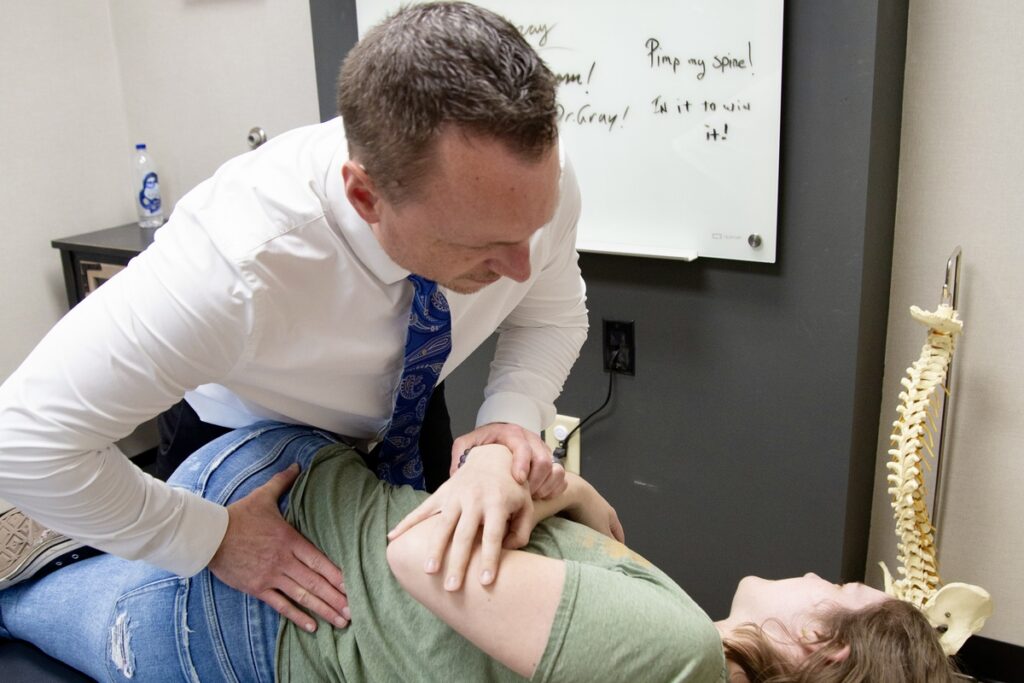
Have you ever thought about how your posture impacts your overall health? Many people underestimate the effects of slouching or misalignment on their well-being. Good posture is not just about appearing confident; it is essential for reducing pain and enhancing energy levels. By making simple adjustments to your daily routine, you can experience significant improvements in your health.
As a chiropractor, I want to emphasize that proper spinal alignment is key to achieving optimal health. When your spine is in alignment, it allows your nervous system to function properly, which can lead to reduced pain and increased vitality. Here are some tips to help you improve your posture and support your health naturally:
- Be Mindful of Your Sitting Position: When sitting, make sure your back is straight and your shoulders are relaxed. Use a chair that supports your lower back, and keep your feet flat on the floor.
- Stand Tall: When standing, distribute your weight evenly on both feet. Keep your shoulders back and your chin parallel to the ground. This position helps maintain proper spinal alignment.
- Strengthen Core Muscles: Engaging in exercises that strengthen your core can support your spine and improve your posture. Simple activities like planks or yoga can be beneficial.
- Take Breaks: If you work at a desk, take regular breaks to stretch and move around. This helps prevent stiffness and encourages better posture.
- Visit Your Chiropractor: Regular chiropractic adjustments can help keep your spine aligned and your body functioning optimally. Your chiropractor can provide personalized advice and treatment to address any specific issues you may have.
By focusing on these simple changes, you can enhance your posture and, in turn, improve your overall health. Remember, chiropractic care is a natural and effective way to relieve pain and promote wellness. Prioritize your spinal health, and you’ll be on your way to feeling better every day!
Key Takeaways
- Maintaining proper spinal alignment is essential for reducing strain on your muscles and joints. This not only promotes overall well-being but also helps in preventing pain, making chiropractic care an effective solution for those seeking relief.
- When your posture is improved, it enhances your breathing and oxygen intake. This increase can lead to greater energy levels and a better mood, showcasing how chiropractic adjustments can support your body’s natural functions.
- Good posture is also vital for digestion; it helps reduce pressure on your internal organs. By focusing on your posture and considering regular chiropractic visits, you can contribute to your overall health and wellness.
- Strengthening your core muscles through specific exercises can significantly improve your balance and stability. This is crucial in reducing the risk of falls, especially as we age. A chiropractor can guide you in these exercises to ensure you are doing them correctly and safely.
- Remember to take regular movement breaks and practice mindful sitting techniques. This can help you maintain awareness of your posture and prevent discomfort throughout your day. A chiropractor can provide personalized tips on how to maintain good posture while at work or home.
By embracing these practices and considering chiropractic care, you can take significant steps towards achieving optimal health and living pain-free.
The Importance of Good Posture
Good posture isn’t just about looking confident; it’s a vital part of maintaining your overall health, and as a chiropractor, I want to emphasize how it can lead to a pain-free life.
When you stand or sit up straight, you allow your spine to align properly, which can significantly reduce strain on your muscles and joints.
This alignment is essential in preventing discomfort that could develop into long-term issues.
One of the benefits of good posture is improved breathing.
By keeping your chest open, you enable your lungs to expand fully, which increases your oxygen intake.
This boost not only enhances your physical energy but can also elevate your mood, making you feel more vibrant throughout the day.
Additionally, good posture supports better digestion.
When your spine is aligned, your internal organs can function more efficiently, contributing to overall well-being.
As your chiropractor, I encourage you to view good posture as an essential practice for your physical well-being.
Here are a few simple tips to help you maintain proper posture throughout the day:
- Check Your Desk Setup: Ensure your computer screen is at eye level and your chair supports your lower back.
- Take Frequent Breaks: Stand up, stretch, and walk around every 30 minutes to relieve pressure on your spine.
- Engage Your Core: Strengthening your core muscles can support your spine and help maintain good posture.
- Be Mindful: Regularly remind yourself to stand and sit tall, aligning your ears over your shoulders and your shoulders over your hips.
Remember, committing to good posture is more than just an aesthetic choice; it’s a pathway to natural wellness.
If you’re experiencing pain or discomfort, consider scheduling a chiropractic consultation to explore how we can work together to improve your posture and enhance your health naturally.
Common Posture Problems and Their Effects
You mightn’t realize how slouching can impact your overall health until it becomes a bigger issue. Poor posture, particularly forward head posture, can lead to discomfort and long-term problems if not addressed. As a local chiropractor, I want to emphasize the importance of spinal health and how chiropractic care can be your best ally in achieving optimal wellness.
When your posture is off, it can strain your spine and surrounding muscles, leading to pain and discomfort. But the good news is, there are natural ways to combat these issues! Regular chiropractic adjustments can help realign your spine, relieve tension, and promote better posture.
Here are some simple tips to improve your posture and overall well-being:
- Mind Your Head Position: Keep your head aligned with your spine. Imagine a string pulling your head gently upward. This can help reduce the strain on your neck.
- Strengthen Your Core: A strong core supports your spine. Incorporate exercises like planks or bridges into your routine to strengthen these muscles.
- Take Breaks: If you sit for long periods, make sure to take breaks. Stand up, stretch, and move around every 30 minutes to keep your body engaged.
- Ergonomic Setup: Make sure your workspace is ergonomically friendly. Your computer screen should be at eye level, and your chair should support your lower back.
- Regular Chiropractic Visits: Consistent chiropractic care can help maintain your spinal health and prevent posture-related problems from developing.
Slouching and Its Consequences
As slouching becomes a habit, the consequences can extend beyond just how you look; they can significantly impact your overall health and well-being. When you hunch over, it places unnecessary strain on your spine, leading to discomfort and pain in your back, neck, and shoulders. This poor posture can also restrict your lung capacity, making it harder to take deep breaths and affecting your energy levels throughout the day. You may find yourself feeling more fatigued and having trouble concentrating as your body struggles to maintain balance.
Over time, slouching can lead to serious long-term issues like spinal misalignment and chronic pain. This is where chiropractic care can make a world of difference. By correcting your posture through gentle adjustments and personalized care, you can alleviate these uncomfortable problems and enhance your overall quality of life.
Remember, standing tall not only transforms your body but also revitalizes your mind. Here are a few simple tips you can incorporate into your daily routine to promote better posture:
- Mind Your Sitting Position: If you spend a lot of time sitting, make sure your chair supports your lower back. Keep your feet flat on the ground and your knees at a right angle.
- Take Breaks: Stand up, stretch, and walk around every 30 minutes to relieve tension in your back and neck.
- Strengthen Your Core: Engaging in exercises that strengthen your core muscles can provide better support for your spine and improve your posture.
- Be Mindful: Regularly check in with your body throughout the day. Are you slouching? Straighten up and adjust your posture when needed.
- Chiropractic Care: Regular visits to a chiropractor can help keep your spine aligned and reduce the effects of slouching, ensuring your body functions optimally.
Forward Head Posture Issues
Poor posture isn’t just about slouching; forward head posture is another prevalent issue that can lead to significant discomfort and health problems. When your head juts forward, it places strain on your neck and upper back, potentially causing pain and stiffness. Over time, you might also experience tension headaches or even jaw pain. This posture often arises from spending long hours in front of screens or having an improperly set up workstation. Not only can forward head posture lead to pain, but it can also negatively impact your breathing and digestion.
As a chiropractor, I want to emphasize the importance of spinal health and proper alignment. One effective way to address forward head posture is by focusing on aligning your ears with your shoulders. Make it a habit to take regular breaks to stretch and move around—this simple act can do wonders for your neck and upper back.
Incorporating specific exercises to strengthen your neck and upper back can also be incredibly beneficial. These exercises can help restore balance and alignment to your spine, aiding in pain relief and overall wellness.
Chiropractic care is a natural and effective way to address posture issues like forward head posture. Through personalized adjustments and guidance, we can help you achieve optimal alignment and improve your overall health and comfort. Remember, a healthy spine is key to a healthy life!
Tips for Improving Posture at Work
To enhance your posture while at work, it’s essential to create an ergonomic workspace that truly supports your body. This setup is crucial for maintaining the natural curves of your spine, which can help prevent discomfort and pain. Additionally, remember to incorporate regular stretching and movement breaks into your day. These short pauses not only keep your muscles engaged but also promote better spinal health and flexibility.
Another key aspect to consider is practicing mindful sitting techniques. Being aware of your posture can help you maintain proper alignment throughout the day, reducing strain on your spine. If you find yourself struggling with discomfort, don’t hesitate to consult with a chiropractor. Chiropractic care is an excellent choice for addressing pain and promoting natural wellness, allowing your body to heal itself without the need for medications or surgeries. By prioritizing your spinal health, you’re taking a significant step towards achieving optimal health and well-being.
Ergonomic Workspace Setup
Creating an ergonomic workspace is essential for enhancing your posture and overall comfort while you work, and it can significantly contribute to your spinal health. As a chiropractor, I want to emphasize that a well-designed workspace can help prevent pain and discomfort, making chiropractic care an even more effective way to achieve optimal health.
Start by adjusting your chair so that your feet rest flat on the floor and your knees are at a 90-degree angle. This position not only supports your spine but also encourages proper alignment. Your chair should have a lumbar support feature that fits the natural curve of your lower back, providing the essential support needed to maintain a healthy spine.
Position your computer screen at eye level, about an arm’s length away. This helps reduce neck strain, which is crucial for keeping your spine aligned. If you find yourself leaning forward to see your screen, it might be time to adjust its height or use a stand.
When it comes to your keyboard and mouse, choose options that allow your wrists to stay straight and your elbows close to your body. This minimizes tension in your shoulders and neck, reducing the risk of discomfort. If you have the option, consider using a standing desk or an adjustable setup.
Switching positions throughout the day can alleviate pressure on your spine and promote better circulation.
Lighting is another important factor—ensure your workspace is well-lit to avoid leaning forward or straining your eyes. This simple adjustment can help you maintain proper posture while working.
Stretching and Movement Breaks
Incorporating regular stretching and movement breaks into your workday is essential for enhancing your posture and overall comfort, and it aligns perfectly with the principles of chiropractic care. As a chiropractor, I often see the positive impact of these simple practices on spinal health. Setting a timer to remind yourself to stand up and move at least once every hour can be a game-changer.
Consider incorporating easy stretches such as neck rolls, shoulder shrugs, and wrist stretches throughout your day. These movements can help relieve tension and enhance flexibility, which is crucial for maintaining a healthy spine. Taking short walks around your workspace not only encourages blood flow but also helps reset your posture, reducing the risk of discomfort and stiffness.
Don’t forget about the power of deep breathing exercises during these breaks. They can significantly reduce stress, which is often a hidden contributor to back pain. Remember, even small movements can have a profound effect on your well-being and spinal health.
Mindful Sitting Techniques
After taking those essential movement breaks and stretches, it’s crucial to pay attention to how you sit, as this can greatly influence your posture and overall spinal health throughout the day. Start by adjusting your chair so that your feet rest flat on the floor, with your knees at a comfortable 90-degree angle. This position helps maintain proper alignment in your spine. Make sure to keep your back straight and shoulders relaxed, allowing your lower back to be adequately supported. If you find your lower back lacking support, consider using a small cushion—this can make a world of difference in how your spine feels.
Position your computer screen at eye level to prevent any unnecessary strain on your neck. This simple adjustment can help alleviate tension that often leads to discomfort. As you type, keep your elbows close to your body and at a right angle; this not only promotes better posture but also reduces the risk of developing repetitive strain injuries.
Incorporating mindful breathing into your routine is another invaluable tool for maintaining awareness of your posture. Deep, intentional breaths can help you relax and stay present in your body, allowing you to notice if you’re slouching or tensing up.
Exercises to Strengthen Posture
To enhance your posture effectively and promote overall spinal health, incorporating specific exercises into your routine is essential. As a chiropractor, I believe that strengthening your muscles naturally is one of the best ways to support your spine and improve your posture without relying on medications or invasive procedures.
Start by practicing planks to strengthen your core. This foundational exercise not only helps your posture but also stabilizes your spine. Aim for three sets of 30 seconds, focusing on keeping your body in a straight line from head to heels.
Next, try wall angels. Stand against a wall with your arms bent at a 90-degree angle, and gently slide them up and down while keeping contact with the wall. This movement helps open up your chest and shoulders, counteracting the hunching that often comes from long hours of sitting.
Don’t overlook the importance of bridges! Lie on your back with your knees bent and feet flat on the ground. Lift your hips towards the ceiling while engaging your glutes. This exercise not only strengthens your lower back but also promotes better alignment. Aim for three sets of 10 repetitions.
Finally, consider incorporating rows using resistance bands or weights to strengthen your upper back. This exercise involves pulling the band towards you while squeezing your shoulder blades together, helping to combat the forward slouch many of us experience daily.
Stretching Techniques for Better Alignment
Incorporating stretching techniques into your daily routine is a wonderful way to complement the strength-building exercises you may already be doing, and it can significantly enhance your posture. Regular stretching not only relieves muscle tension but also increases flexibility, allowing your spine and body to align more naturally. This is especially important since many of us experience tightness in areas like the chest, shoulders, and hip flexors due to prolonged poor posture.
Incorporating simple stretches into your day can make a big difference. For instance, doorway chest stretches can help open up your chest and counteract slumping. Seated forward bends can release tension in your lower back, and standing quadriceps stretches can alleviate tightness in your hips. Aim to hold each stretch for about 20-30 seconds while breathing deeply, which promotes relaxation and enhances the effectiveness of the stretch. I recommend stretching daily, especially if you spend long hours sitting, as this can be a game changer for your overall comfort and spinal health.
Always listen to your body when you stretch. If you feel discomfort, don’t hesitate to ease back or modify the stretch to suit your needs. These small adjustments can lead to significant improvements in how you feel and function throughout your day.
Ergonomic Solutions for Home and Office
Creating an ergonomic workspace at home or in the office is crucial for your comfort and spinal health. As a chiropractor, I want to emphasize how important it’s to maintain proper posture to support your spine and overall well-being. Start by investing in a quality chair that provides adequate support for your lower back. Your feet should rest flat on the floor, and your knees should be at a 90-degree angle. Adjust your desk height so your elbows align with your keyboard, which helps keep your wrists straight and reduces strain.
Using a monitor stand can also make a significant difference; the top of your screen should be at eye level to prevent unnecessary neck strain. If you often find yourself on the phone, opt for a headset instead of cradling the phone between your ear and shoulder, as this can lead to discomfort and misalignment over time.
Don’t forget to take regular breaks to stretch and move around. Incorporating even simple stretches throughout your day can help maintain flexibility and reduce tension in your muscles. Additionally, keep frequently used items within arm’s reach to minimize repetitive strain on your body.
The Role of Mindfulness in Posture
The Importance of Mindfulness in Posture and Chiropractic Care
As a chiropractor, I want to emphasize how being mindful of your posture can significantly improve your overall well-being. Many of us don’t realize how much our posture affects not only our physical health but also our mood and energy levels. When you take a moment to check in with your body, you may notice that slouching or hunching can lead to discomfort, fatigue, and even stress.
Practicing mindfulness helps you become more aware of your body’s alignment throughout the day. Whether you’re seated at your desk, standing in line, or going for a walk, being mindful of your posture can alleviate tension and promote relaxation. Simple techniques, such as taking a deep breath and aligning your spine, can make a tremendous difference in how you feel.
Incorporating mindfulness into your daily life encourages you to pay attention to how you carry yourself. This awareness not only helps foster better posture but also supports your overall health. Good posture can enhance your physical presence and emotional resilience, creating a positive cycle of wellness.
As a chiropractor, I recommend integrating posture checks into your routine. Here are a few tips to help you maintain a healthy posture:
- Set Reminders: Use your phone or sticky notes to remind yourself to check your posture throughout the day.
- Practice Deep Breathing: Take a moment to breathe deeply, allowing your shoulders to relax and your spine to align.
- Engage Your Core: Strengthening your core muscles can provide better support for your spine and improve your posture.
- Regular Chiropractic Adjustments: Visiting a chiropractor can help maintain proper alignment and relieve discomfort, setting the foundation for healthier living.
Remember, being mindful of your posture is a simple yet powerful way to enhance your health. By prioritizing your posture and seeking chiropractic care, you’re taking an essential step toward achieving optimal wellness.
Posture Correction Tools and Resources
When it comes to enhancing your posture, the right tools and resources can truly transform your journey to better health. You don’t have to face this challenge alone; numerous options are available to support you. Here are some effective tools that can seamlessly integrate into your daily routine, all while reinforcing the benefits of chiropractic care for optimal wellness:
- Posture Correctors: These wearable devices gently encourage your shoulders to align properly, helping to maintain the natural curve of your spine throughout the day. While these can be helpful, remember that regular chiropractic adjustments are key to achieving lasting alignment and reducing discomfort.
- Ergonomic Furniture: Consider investing in ergonomic chairs and desks that promote your body’s natural posture, whether you’re working from home or in an office setting. Good posture starts with a supportive environment, but regular visits to your chiropractor can ensure that your spine is properly aligned, allowing your body to function at its best.
- Apps and Online Resources: There are various mobile apps available that can remind you to check your posture and guide you through exercises tailored to your individual needs. However, nothing replaces the personalized care you receive from a chiropractor. They can provide specific exercises and adjustments that target your unique posture issues, ensuring a holistic approach to your well-being.
In addition to these tools, here are a few general tips to keep in mind for improving your posture:
- Mind Your Seating: When sitting, keep your feet flat on the floor and your back straight. Avoid slumping or leaning forward.
- Take Breaks: If you work at a desk, make sure to stand up and stretch every 30 minutes to relieve tension and reset your posture.
- Stay Active: Engage in activities that strengthen your core muscles, as a strong core supports your spine and promotes better posture.
- Consult with Your Chiropractor: Regular chiropractic check-ups can help you maintain proper alignment, address any pain, and provide guidance on posture correction techniques tailored specifically for you.
Long-Term Benefits of Maintaining Good Posture
Maintaining good posture is more than just a way to look confident; it’s a crucial aspect of your overall health and wellness that can lead to long-term benefits. As your local chiropractor, I want to emphasize how good posture can significantly improve your quality of life.
When you sit or stand with proper alignment, you’re supporting your spine, which can help reduce the risk of back pain and injury. This alignment not only protects your back but also promotes better breathing, allowing for improved oxygen flow and energy throughout your day.
One often-overlooked benefit of good posture is its positive impact on digestion. When your body is aligned correctly, your organs have the space they need to function optimally without unnecessary pressure. This simple adjustment can help you feel more comfortable and energized.
Additionally, maintaining an upright posture can boost your mood and confidence. This can lead to better social interactions and enhance your professional opportunities. Remember, how you carry yourself can influence how others perceive you!
Regularly practicing good posture can also help you build stronger core muscles. A strong core is essential for maintaining balance and stability as we age, reducing the risk of falls and injuries.
To support your journey toward better posture, consider these simple tips:
- Be Mindful: Pay attention to your posture throughout the day. Check in with yourself while sitting, standing, or walking.
- Strengthen Your Core: Incorporate exercises that target your core muscles, such as planks and bridges, to help support your spine.
- Set Up Your Workspace: Make sure your desk and chair are ergonomically friendly. Your computer screen should be at eye level, and your feet should be flat on the ground.
- Take Breaks: If you find yourself sitting for long periods, take regular breaks to stretch and walk around. This can help reset your posture.
- Chiropractic Care: Regular visits to your chiropractor can help ensure your spine is aligned and functioning optimally, providing you with the best chance for pain relief and overall wellness.
Conclusion
Incorporating better posture into your daily routine can greatly enhance your overall health and well-being. As a chiropractor, I emphasize the importance of proper alignment in your spine, which is crucial for optimal function and pain relief. By being mindful of your posture, engaging your core muscles, and utilizing ergonomic tools, you can set yourself up for long-term success in your journey toward better health.
Remember to take regular breaks throughout your day. Standing up, stretching, and moving around can help alleviate tension that builds up from prolonged sitting or poor posture. Simple stretches can not only relieve discomfort but also improve your flexibility and circulation.
Strengthening your muscles is another key component to maintaining good posture. Incorporating exercises that focus on your back, core, and neck can help support your spine and prevent pain.
Chiropractic care is an excellent way to enhance your posture and address any underlying issues. Regular adjustments can help realign your spine, reduce discomfort, and promote natural healing. By prioritizing chiropractic care, you can experience significant improvements in your posture, overall energy levels, and confidence.
Embrace the journey to better posture, and enjoy the lasting benefits it brings to your life. With these small yet impactful changes, you can achieve a healthier, more vibrant lifestyle without the need for medications or surgeries. Let’s work together toward your optimal health!