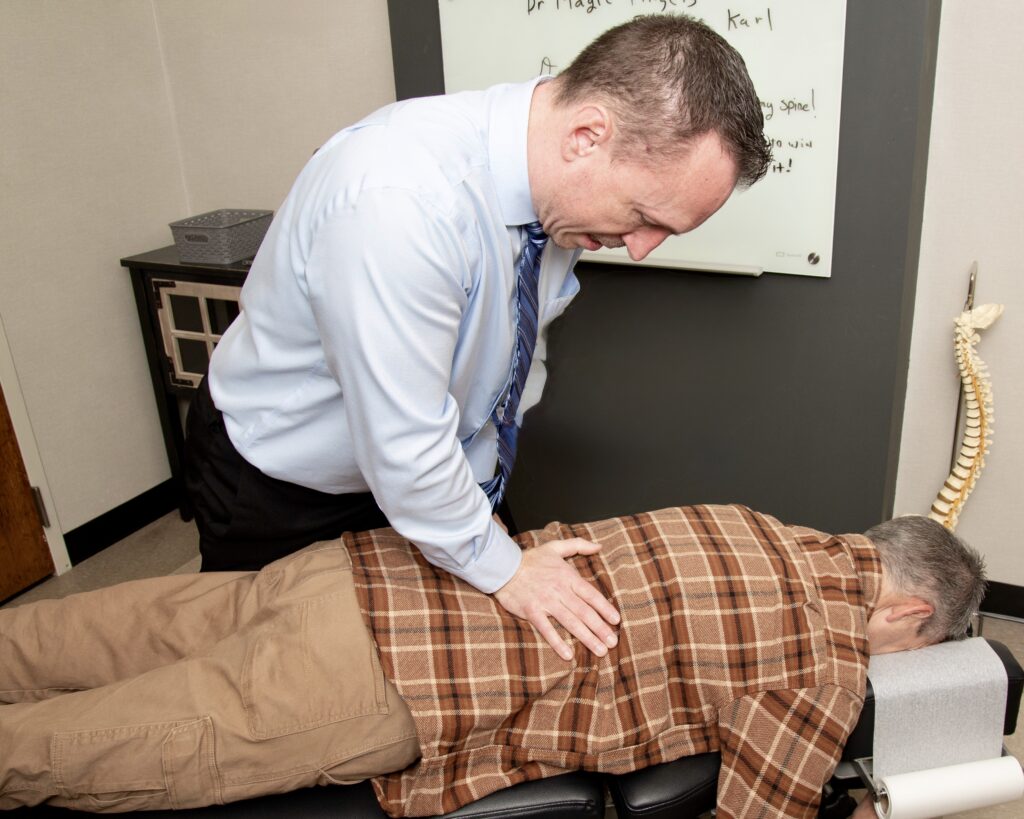
If you’re grappling with chronic back pain, it can feel daunting to navigate the various relief options out there. As a chiropractor, I believe that natural solutions can provide effective avenues for managing your discomfort—without the need for medications or invasive procedures. By focusing on holistic methods, you can not only alleviate pain but also enhance your overall well-being.
One of the most beneficial steps you can take is to incorporate gentle exercises into your daily routine. Activities like walking, stretching, or yoga can help strengthen your back and improve flexibility, making a significant difference in your pain levels. Additionally, paying attention to your posture throughout the day—especially if you sit for long periods—can reduce strain on your spine.
Dietary changes can also play a role in your recovery. Eating anti-inflammatory foods, such as fruits, vegetables, and whole grains, can support spinal health and reduce pain. Staying hydrated is essential too; drinking enough water helps maintain the elasticity of your spinal discs.
Chiropractic care should be at the forefront of your approach to natural wellness. Regular chiropractic adjustments can realign your spine, enhance mobility, and relieve tension in your muscles. This natural treatment not only addresses the source of your pain but also promotes your body’s ability to heal itself.
To take action today, consider scheduling a chiropractic consultation to discuss your specific needs. In the meantime, practice good posture, incorporate light exercises, and focus on nutritious foods. Together, these steps can guide you toward a more comfortable and active life, allowing you to reclaim control over your health. Remember, your journey to wellness is a partnership, and I’m here to support you every step of the way!
Key Takeaways
- Regular chiropractic adjustments are essential for realigning the spine, relieving tension, and promoting the body’s natural healing processes, making them a cornerstone for chronic back pain relief. By visiting your chiropractor regularly, you can experience significant improvements in your overall spinal health.
- Customized exercise programs designed by your chiropractor can focus on stretching and strengthening key muscle groups. These tailored routines enhance flexibility, reduce stiffness, and support your spine, contributing to long-lasting pain relief and a healthier lifestyle.
- Mindfulness practices such as deep breathing and meditation are fantastic tools for managing stress and improving your ability to cope with pain. Your chiropractor can guide you on how to incorporate these practices into your daily routine, helping you achieve a more balanced state of mind and body.
- Good posture is crucial for avoiding strain and discomfort in your daily activities. Consider using ergonomic furniture and being mindful of your posture when sitting or standing. Your chiropractor can provide specific advice on how to maintain proper alignment throughout your day-to-day life.
- Low-impact activities like walking or swimming are excellent ways to strengthen your back and improve mobility. These activities not only help with pain management but also promote a healthier lifestyle. Your chiropractor can suggest safe and effective ways to incorporate these exercises into your routine for optimal results.
By prioritizing chiropractic care, you’re taking a proactive step towards achieving optimal health and wellness. Remember, natural healing is within your reach, and your chiropractor is here to support you on this journey.
Understanding Chronic Back Pain
Chronic back pain can often feel like an unwelcome companion, impacting your daily life and overall well-being. Simple tasks or activities you once enjoyed may become challenging. Understanding the underlying causes of this discomfort is crucial for effective management, and chiropractic care is one of the best options available to help you find relief and promote natural healing.
Many times, chronic back pain arises from issues like muscle strain, degenerative disc disease, or even stress. Poor posture and lack of movement can also contribute to your discomfort. By recognizing these factors, you can identify your triggers and work to avoid them. It’s important to listen to your body; when you feel pain, don’t ignore it. Instead, seek out chiropractic care, which focuses on aligning the spine and relieving tension to help your body heal naturally.
Consulting a chiropractor can provide valuable insights into your specific condition. They’ll work with you to develop personalized strategies that cater to your needs, promoting a healthier lifestyle and optimal spinal health. Chiropractic adjustments can improve mobility, reduce pain, and enhance your overall quality of life.
Here are some general tips to help manage chronic back pain:
- Practice Good Posture: Be mindful of your posture throughout the day, especially when sitting for long periods. Keep your back straight, shoulders relaxed, and feet flat on the floor.
- Stay Active: Gentle movements and regular exercise can strengthen your back muscles and improve flexibility. Even simple activities like walking or stretching can be beneficial.
- Use Ergonomic Furniture: Invest in a chair that supports your back and promotes proper alignment while you work or relax.
- Incorporate Mindfulness: Stress can exacerbate back pain, so consider practices like deep breathing or meditation to help manage stress levels.
- Stay Hydrated and Eat Well: Proper nutrition and hydration can support your body’s healing processes and keep your muscles functioning optimally.
The Role of Exercise in Pain Management
Exercise plays a crucial role in managing chronic back pain, and as your local chiropractor, I want to emphasize how important it’s to incorporate regular physical activity into your routine.
Engaging in consistent exercise can lead to significant benefits such as improved flexibility, increased strength, and enhanced overall well-being.
By following a tailored exercise program that focuses on stretching and strengthening techniques, you can find effective relief from pain and regain control over your life.
Remember, the goal is to empower yourself with movement that supports your spine and overall health.
Here are some general tips to help you get started:
- Start Slow: If you’re new to exercise, begin with gentle activities like walking or light stretching to avoid overexertion.
- Focus on Core Strength: Strengthening your core muscles can provide better support for your spine and help alleviate back pain.
- Stay Consistent: Aim for regular exercise, even if it’s just a few minutes each day. Consistency is key to seeing improvements.
- Listen to Your Body: Pay attention to how your body responds to different movements. If something causes pain, don’t push through it—modify your approach.
- Incorporate Chiropractic Care: Regular visits to your chiropractor can complement your exercise routine by ensuring your spine is aligned and functioning properly, allowing you to achieve optimal health and wellness.
By embracing exercise and chiropractic care, you can take proactive steps toward managing your pain naturally and living a healthier life.
Benefits of Regular Exercise
Incorporating regular physical activity into your daily routine can significantly alleviate chronic back pain and enhance your overall well-being. When paired with chiropractic care, exercise can be a powerful tool for achieving a healthier spine and body.
Exercise helps strengthen your muscles, improve flexibility, and promote better posture, all of which contribute to pain relief. Here are some key benefits you can experience when you make exercise a regular part of your life:
- Increased Strength: Strengthening your core and back muscles provides vital support for your spine, which can reduce strain and help prevent pain. Consider engaging in exercises like planks or gentle resistance training, which can be tailored to your ability level.
- Enhanced Flexibility: Incorporating stretching and mobility exercises into your routine can improve your range of motion and reduce stiffness. Simple stretches, such as reaching for your toes or gentle twists, can make a big difference in how your body feels.
- Improved Mood: Physical activity releases endorphins, which are natural mood lifters. Regular exercise can help you feel more positive and energized, making it easier to cope with discomfort and stress.
- Weight Management: Maintaining a healthy weight is crucial for spinal health. Excess weight can increase pressure on your back, leading to discomfort. Simple lifestyle changes, like going for daily walks or choosing healthier meal options, can help you manage your weight effectively.
As a chiropractor, I encourage you to combine these exercise benefits with regular chiropractic adjustments to achieve optimal health. Chiropractic care focuses on natural healing and can help align your spine, allowing your body to function at its best.
Tailored Exercise Programs
Tailored exercise programs are an essential part of managing chronic pain, and incorporating chiropractic care can significantly enhance their effectiveness. By customizing your workouts to address your specific needs, we can target the underlying causes of your discomfort while promoting natural healing through spinal health.
At our chiropractic office, we believe that a personalized approach is key. Working closely with a qualified chiropractor, you can design a program that takes into account your pain levels, physical limitations, and lifestyle. This not only ensures that you’re engaging in exercises that strengthen your back but also improves your flexibility and overall mobility.
Regular participation in these tailored sessions can lead to enhanced strength, reduced stiffness, and effective pain management. As you build confidence and improve your fitness, you may also notice a boost in your mood and daily activities. Additionally, chiropractic adjustments can complement your exercise routine by aligning your spine and relieving tension, further enhancing your results.
Remember to listen to your body and communicate any discomfort to your chiropractor. Embrace this proactive approach to reclaim control over your pain and prioritize your spinal health. By choosing chiropractic care, you’re opting for a natural path to wellness that can help you live a healthier, more active life.
Stretching and Strengthening Techniques
Finding relief from chronic back pain can often be achieved through effective stretching and strengthening techniques. These exercises not only help ease pain but also enhance your overall mobility and strength. By incorporating a balanced routine into your daily life, you can experience a significant improvement in how you feel.
As a chiropractor, I believe that these natural methods are crucial for achieving optimal health without the need for invasive procedures or medications. Here are four essential techniques to consider:
- Hamstring Stretch: This simple stretch targets the tight muscles in the back of your legs, promoting better flexibility and reducing strain on your lower back.
- Cat-Cow Stretch: This gentle movement increases flexibility in your spine and helps relieve tension accumulated from daily activities. It’s a great way to connect your breath with movement, fostering relaxation.
- Bridges: This exercise strengthens your glutes and lower back, providing essential support to your spine. Stronger muscles in this area can help alleviate discomfort and improve posture.
- Planks: Engaging your core with planks not only builds strength but also helps stabilize your back. A strong core is key to preventing future pain and maintaining overall health.
Incorporating these techniques into your routine can be a game-changer in managing back pain. Remember, regular stretching and strengthening not only relieve discomfort but also contribute to long-term wellness.
If you’re looking for personalized guidance and support, chiropractic care can provide tailored solutions to help you achieve your health goals naturally. Take charge of your well-being today!
Dietary Changes for Back Health
As a chiropractor, I understand that many factors contribute to chronic back pain, and I want to emphasize how dietary changes can significantly enhance your back health. By focusing on what you eat, you can support your spine and overall wellness naturally.
Start by including anti-inflammatory foods in your meals. Foods like leafy greens, fatty fish, and nuts are excellent choices. These foods help reduce inflammation in your body, which can lead to pain relief and a healthier back.
Staying hydrated is just as important. Drinking plenty of water keeps your spinal discs hydrated, providing the support your spine needs. I recommend limiting processed foods, added sugars, and excessive salt, as these can contribute to inflammation and discomfort.
Maintaining a healthy weight is crucial for reducing stress on your back. A balanced diet rich in whole grains, fruits, and vegetables can assist you in achieving this. Remember, the less strain on your back, the better you’ll feel.
It’s also wise to consider cutting back on caffeine and alcohol. Both can lead to dehydration and may affect your overall health. By making these dietary adjustments, you not only promote a healthier back but can also alleviate some of the chronic pain you may be experiencing.
Incorporating these simple changes into your lifestyle, along with regular chiropractic care, can lead to significant improvements in your back health and overall well-being. Chiropractic care focuses on natural healing and can help optimize your body’s functions, making it an excellent choice for pain relief and enhanced wellness. Remember, your journey to a healthier back starts with both the right nutrition and the right care!
Mindfulness and Stress Reduction Techniques
Eating a nutritious diet is essential for managing chronic back pain, but it’s just one piece of the puzzle. Incorporating mindfulness and stress reduction techniques into your daily routine can significantly enhance your well-being and help alleviate discomfort. By practicing these methods, you can reduce muscle tension and improve how you cope with pain.
Here are four effective strategies that can complement your chiropractic care:
- Meditation: Dedicate a few minutes each day to focus on your breath and clear your mind. This practice can lower stress levels, which is crucial for overall health and pain management.
- Deep Breathing: Take deep, rhythmic breaths to calm your nervous system. This simple technique can help reduce muscle tension and promote a sense of relaxation, making it easier to manage pain.
- Yoga: Incorporate gentle yoga stretches into your routine. This not only improves flexibility but also encourages relaxation, which can help ease tension in your back.
- Progressive Muscle Relaxation: Try tensing and then relaxing different muscle groups in your body. This method can effectively ease physical stress and discomfort, supporting your body’s natural healing processes.
Alternative Therapies: Acupuncture and Massage
If you’re struggling with chronic back pain, exploring natural therapies can be a great way to find relief. While acupuncture and massage therapy are popular alternatives, chiropractic care stands out as one of the most effective approaches to achieving optimal health and wellness.
Chiropractic care focuses on the relationship between your spine and your overall health. By adjusting misalignments in the spine, chiropractors help restore proper function, which can alleviate pain, improve mobility, and enhance your quality of life. Regular chiropractic adjustments not only address existing pain but also work to prevent future issues by promoting a healthier spine.
Acupuncture, rooted in traditional Chinese medicine, involves inserting thin needles into specific points on your body. While some people find relief through this method, chiropractic care offers a more comprehensive approach.
Instead of just targeting symptoms, chiropractors aim to identify and treat the root cause of your pain, helping your body heal naturally.
Massage therapy is another common option that focuses on manipulating muscles and soft tissues. Techniques like deep tissue massage can be beneficial for relaxation and tension relief.
However, when combined with chiropractic care, you can experience even greater benefits. Many chiropractors incorporate massage into their treatment plans to enhance muscle recovery and support spinal health.
Here are a few tips to consider for managing your back pain naturally:
- Stay Active: Regular low-impact exercises like walking or swimming can strengthen your back and improve flexibility.
- Practice Good Posture: Maintain proper posture while sitting and standing to reduce strain on your spine.
- Use Ergonomic Furniture: Invest in a supportive chair and desk setup to promote a healthier sitting position.
- Stay Hydrated: Drinking enough water helps keep your discs healthy and can prevent pain.
- Consider Regular Chiropractic Visits: Regular adjustments can keep your spine aligned and reduce the likelihood of pain.
By prioritizing chiropractic care, you’re taking a proactive approach to your health. It’s a natural, non-invasive way to manage pain and promote overall wellness.
If you’re ready to explore how chiropractic adjustments can help you, consider scheduling a consultation with a local chiropractor who can guide you on your path to better health.
Ergonomics and Proper Posture Practices
When it comes to combating chronic back pain, the right chair and a properly set up desk can truly transform your comfort and overall well-being. As a chiropractor, I can’t stress enough the importance of ergonomics in supporting your body and maintaining good posture throughout the day.
By making a few simple adjustments, you can create a healthier workspace that promotes natural healing and optimal spinal alignment.
Here are some essential guidelines to help you achieve a comfortable and supportive workspace:
- Choose the Right Chair: Look for a chair that offers good lumbar support. Your lower back should have support that maintains its natural curve. A chair with adjustable height and backrest can help you find the perfect fit.
- Desk Height Matters: Your desk should be at a height that allows your elbows to remain at a 90-degree angle while typing. This helps prevent strain on your shoulders and neck.
- Monitor Placement: Position your computer monitor at eye level, about an arm’s length away. This prevents you from leaning forward or looking down, reducing the risk of neck and back pain.
- Foot Position: Keep your feet flat on the ground or on a footrest. This encourages proper alignment of your hips and spine, reducing pressure on your lower back.
- Take Regular Breaks: Stand up, stretch, and move around every 30 minutes. This not only promotes circulation but also gives your spine the chance to reset and relieve tension.
- Stay Mindful of Your Posture: Be conscious of how you sit. Your back should be straight, shoulders relaxed, and wrists straight while typing. Good posture is key to preventing pain and discomfort.
- Consider Chiropractic Care: Regular chiropractic adjustments can help maintain spinal health and alleviate chronic back pain. A chiropractor can provide personalized care designed to support your body’s natural healing processes.
By implementing these simple tips and considering the benefits of chiropractic care, you’ll be on your way to a more comfortable and pain-free work environment. Remember, taking care of your spine is essential for your overall health and well-being.
Embrace these changes and experience the difference they can make!
Chair Selection Guidelines
Choosing the right chair is essential for managing chronic back pain, as it significantly impacts your posture and overall comfort throughout the day. As a local chiropractor, I want to share some valuable tips to help you select a chair that supports your back and promotes wellness. Remember, chiropractic care is your best ally in achieving optimal health and pain relief, and the right chair can complement your journey towards a healthier lifestyle.
- Lumbar Support: Look for chairs that feature adjustable lumbar support. This helps maintain the natural curve of your spine, reducing strain and discomfort. Proper support can make a significant difference in how your back feels.
- Seat Height: Ensure the chair height allows your feet to rest flat on the floor, keeping your knees at a 90-degree angle. This position promotes better circulation and reduces pressure on your lower back.
- Seat Depth: Choose a chair where your back is well-supported while leaving a couple of inches between the seat and the back of your knees. This small adjustment can enhance comfort and prevent tightness in your legs.
- Armrests: Opt for chairs with adjustable armrests. Proper arm positioning helps alleviate shoulder strain and encourages better posture, which is key to maintaining spinal health.
By making the right chair choice, you can enhance your daily comfort and support your overall well-being. Remember, while a good chair is helpful, regular chiropractic care is the best way to achieve lasting pain relief and promote natural healing.
Prioritize your health and take proactive steps towards a more comfortable, pain-free life!
Desk Setup Tips
After selecting the right chair, it’s crucial to optimize your desk setup to enhance your comfort and support your spine. A well-aligned workspace can significantly contribute to your overall health and well-being.
Start by adjusting your desk height so that your elbows are at a 90-degree angle while typing; this helps maintain a relaxed shoulder position and reduces strain on your back. Position your monitor at eye level, about an arm’s length away, to prevent neck strain and encourage a neutral spine alignment.
Keep your feet flat on the floor or on a footrest; this promotes proper posture and supports your lower back. Consider using a wrist rest to maintain healthy hand alignment, which can prevent discomfort and repetitive strain injuries. It’s also important to have your mouse within easy reach to avoid stretching your arm, further protecting your spine.
Additionally, make it a habit to take regular breaks—stand, stretch, and move around to promote circulation and reduce stiffness. These simple actions can help alleviate tension and improve your posture, minimizing the risk of back pain.
Creating a Sustainable Pain Management Plan
Creating a sustainable pain management plan is essential for maintaining your health and well-being. As a chiropractor, I believe that understanding your body and its needs is key to finding effective, natural strategies for pain relief.
Here are four actionable steps to help you manage your pain while promoting healing and comfort:
1. Exercise Regularly: Engage in gentle, low-impact activities like walking or swimming. These exercises not only strengthen your back but also enhance your flexibility.
Regular movement can help alleviate pain and improve overall spinal health.
2. Practice Mindfulness: Incorporating techniques such as meditation or yoga can be incredibly beneficial. These practices help reduce stress and increase your pain tolerance, allowing you to feel more in control of your body.
Plus, they promote relaxation, which is essential for healing.
3. Implement Ergonomics: Adjust your workspace or daily activities to reduce strain on your back. Simple changes like using a supportive chair, maintaining good posture, and setting your workstation at the right height can make a significant difference in your comfort level and spinal health.
4. Stay Hydrated and Nourished: A balanced diet rich in anti-inflammatory foods, along with plenty of water, supports overall health and can help reduce pain.
Proper nutrition is vital for your body’s healing processes, and staying hydrated aids in maintaining your energy levels and joint function.
Remember, chiropractic care can play a crucial role in your pain management journey. Regular chiropractic adjustments can help realign your spine, relieve tension, and enhance your body’s natural ability to heal itself.
Conclusion
Incorporating these natural solutions into your daily routine can significantly ease chronic back pain, especially when paired with chiropractic care. By focusing on gentle movements, proper nutrition, and mindfulness, you’re not just managing pain; you’re enhancing your overall health and wellness.
Chiropractic adjustments are a powerful tool for addressing the root causes of back pain, helping to restore proper alignment and function to your spine. Don’t underestimate the benefits of ergonomic adjustments in your workspace or home. Simple changes can improve your posture and reduce strain on your back.
Additionally, therapies such as massage and acupuncture can complement chiropractic treatments, providing relief and promoting relaxation. Remember, creating a sustainable pain management plan that includes regular chiropractic visits is essential for long-term relief.
Take charge of your health by embracing these holistic approaches. Regular chiropractic care, combined with mindful practices, can lead to lasting relief and a healthier lifestyle. Make sure to listen to your body, and always consult with your chiropractor about any specific concerns. Together, you can work towards achieving optimal health and wellness.