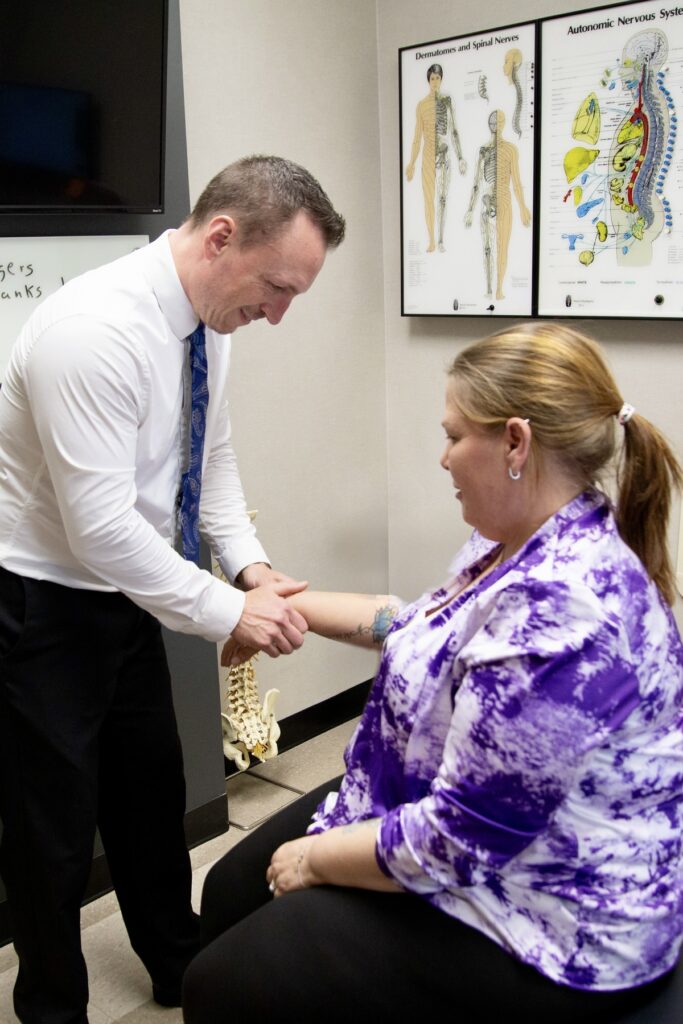
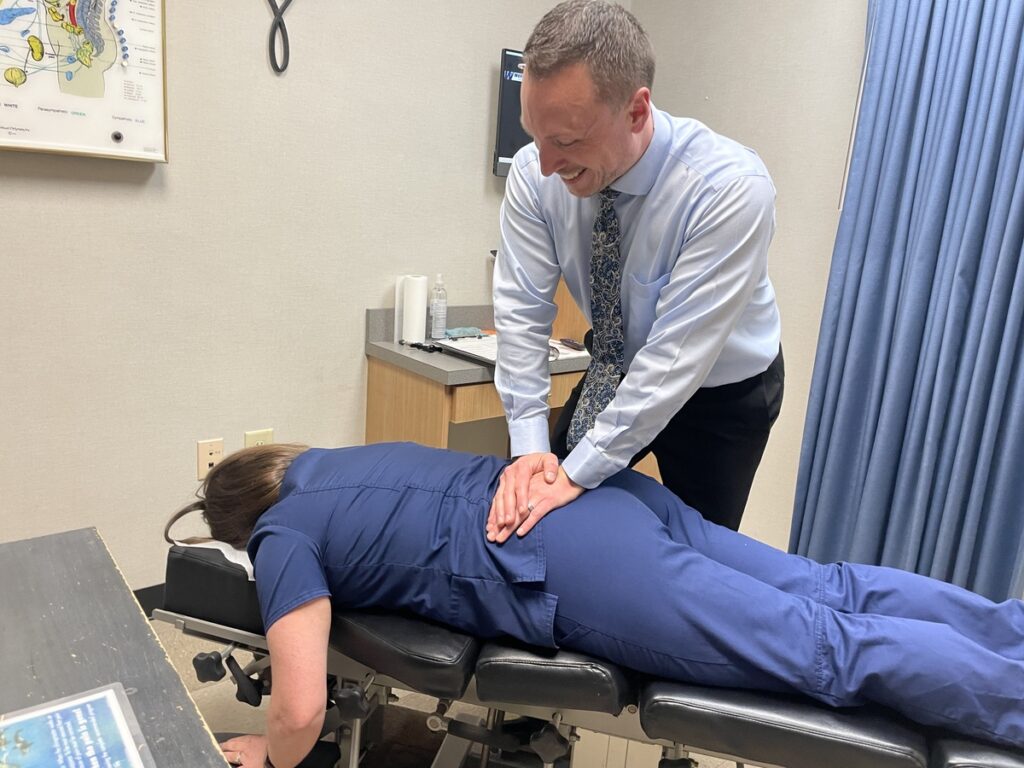
Tension headaches can be a significant hurdle in your daily life, but there’s encouraging news—many individuals find relief through chiropractic care and some simple lifestyle adjustments. By focusing on your spinal health, improving your posture, and effectively managing stress, you can experience a notable reduction in headache frequency and intensity.
Chiropractic care is a powerful tool in addressing the underlying causes of tension headaches. Regular adjustments can help alleviate tension in your neck and shoulders, which often contributes to headache pain. Additionally, a chiropractor can provide personalized guidance on exercises and stretches that can strengthen your muscles and improve your posture, further reducing the risk of headaches.
Understanding your headache triggers is also crucial. Common culprits include stress, poor posture, and muscle tension. By identifying these triggers, you can make proactive changes in your lifestyle. Simple practices like taking frequent breaks while working, using ergonomic furniture, and incorporating relaxation techniques into your day can be beneficial.
If you find that tension headaches persist despite these efforts, it may be time to consult with a chiropractor. They can assess your overall health and tailor a treatment plan specifically for you, aimed at promoting natural healing and optimal wellness.
Remember, taking care of your spine is an essential step towards achieving better health. By prioritizing chiropractic care and making small changes in your daily routine, you can pave the way for a headache-free life.
Key Takeaways
Chiropractic care is a powerful approach to alleviating muscle tightness and enhancing spinal alignment, which can significantly reduce the frequency and severity of tension headaches. Many patients find that regular chiropractic adjustments not only help in relieving their current headache symptoms but also play a crucial role in maintaining proper spinal alignment, ultimately preventing the recurrence of those frustrating headaches.
Through hands-on techniques, chiropractic care promotes your body’s natural healing processes. Patients often report a remarkable reduction in headache symptoms after receiving chiropractic treatments, highlighting the effectiveness of this natural method.
In addition to chiropractic adjustments, adopting a few healthy lifestyle modifications can further enhance your headache relief. Staying well-hydrated, eating a balanced diet rich in nutrients, and managing stress are all essential components of a holistic approach to headache management.
Don’t forget about self-care! Simple practices like maintaining good posture throughout your day and incorporating regular exercise into your routine can greatly support the long-term prevention of tension headaches. By prioritizing your spinal health through chiropractic care and these wellness tips, you can take significant steps toward achieving optimal health and living free from the burden of tension headaches.
Understanding Tension Headaches
Tension headaches, which often feel like a tight band around your head, are one of the most common types of headaches people experience. You might notice these headaches manifest as a dull, aching pain, typically mild to moderate in intensity. They can last anywhere from 30 minutes to several days, and you may find them occurring sporadically or frequently.
Understanding tension headaches involves recognizing that they often stem from stress, anxiety, or poor posture. You may also experience muscle tightness in your neck and shoulders, which can contribute to the discomfort. Unlike migraines, tension headaches usually don’t come with nausea or sensitivity to light.
As a chiropractor, I want to emphasize that addressing tension headaches can often be achieved through natural and holistic methods. By considering chiropractic care, you can find relief from tension headaches without relying on medications or invasive procedures.
Chiropractic adjustments can help alleviate muscle tightness, improve posture, and reduce stress on the spine, which may all contribute to lessening the frequency and severity of your headaches.
Here are some general tips you can incorporate into your daily routine to help manage tension headaches:
- Maintain Good Posture: Be mindful of your posture, especially when sitting for long periods. Keep your back straight, shoulders relaxed, and your screen at eye level to reduce strain on your neck and shoulders.
- Stay Hydrated: Dehydration can lead to headaches. Make sure you drink plenty of water throughout the day.
- Practice Stress Management: Engage in relaxation techniques such as deep breathing, meditation, or gentle yoga to help reduce stress levels.
- Regular Exercise: Keeping active can help relieve tension and improve overall health. Simple activities like walking or stretching can be beneficial.
- Consider Chiropractic Care: Regular visits to a chiropractor can help keep your spine aligned, reduce muscle tension, and promote overall wellness. A chiropractor can tailor a treatment plan specifically for you, focusing on the root causes of your tension headaches.
Common Triggers and Symptoms
As a chiropractor, I want you to understand how stress and anxiety can often lead to tension headaches. Recognizing these triggers is an important first step in managing your discomfort. Physical strain, such as poor posture from sitting at a desk all day or overexertion during physical activities, can also play a significant role in headache development.
To combat these issues naturally, consider incorporating regular chiropractic adjustments into your wellness routine. Chiropractic care is designed to improve spinal alignment and reduce tension throughout your body. This can’t only alleviate headaches but also enhance your overall health and well-being.
Here are some practical tips to help you manage and prevent tension headaches:
- Maintain Good Posture: Be mindful of your posture while sitting and standing. Keeping your spine aligned can help reduce unnecessary strain on your muscles.
- Stay Hydrated: Dehydration can contribute to headaches, so make sure you’re drinking enough water throughout the day.
- Practice Relaxation Techniques: Engage in activities such as deep breathing, meditation, or yoga to help reduce stress levels.
- Incorporate Regular Exercise: Gentle exercise can help relieve tension and improve blood flow, which may reduce headache frequency.
- Schedule Regular Chiropractic Visits: Consistent chiropractic care can help keep your spine in alignment, reducing tension and preventing headaches before they start.
Stress and Anxiety Factors
Stress and anxiety can affect anyone, and they often act as significant triggers for tension headaches. When you’re feeling overwhelmed, your body reacts, which can lead to discomfort and pain. Understanding these triggers can empower you to take control of your health and well-being. Here are some common stress and anxiety triggers that might resonate with you:
- Work Pressure: Juggling deadlines and responsibilities can create mental strain that affects your overall health.
- Personal Relationships: Conflicts or unresolved issues can heighten tension in your body, leading to discomfort.
- Financial Worries: Constant concerns about money can lead to prolonged stress, impacting both your mind and body.
- Life Changes: Major events, such as moving or changing jobs, can stir up anxiety levels.
Recognizing these triggers is crucial in managing your overall health. By identifying what stresses you out, you can take proactive steps to reduce anxiety and alleviate the frequency of tension headaches.
One effective way to help manage stress and promote a sense of calm is through chiropractic care. Regular adjustments can help align your spine, improving your nervous system function and enhancing your body’s ability to cope with stress.
Here are some general tips for incorporating wellness into your daily routine:
- Practice Deep Breathing: Simple breathing exercises can help reduce tension and promote relaxation.
- Stay Active: Regular physical activity can boost your mood and reduce stress levels naturally.
- Prioritize Sleep: Ensuring you get enough rest is vital for your body to recover and manage stress effectively.
- Mindfulness and Relaxation Techniques: Activities like meditation, yoga, or even gentle stretching can help calm your mind and reduce tension.
Physical Strain Symptoms
Physical strain can significantly amplify the stress and anxiety you may already be facing, often resulting in bothersome tension headaches. Common culprits include poor posture, excessive screen time, and repetitive movements. You may feel tightness in your neck and shoulders, experience fatigue, or find it hard to concentrate. These physical signs can heighten your discomfort and make even simple daily tasks feel daunting.
As a chiropractor, I encourage you to pay close attention to how your body feels during and after physical activities. If you encounter pain or stiffness, it’s essential to take a moment to reassess your posture or technique. Regular chiropractic adjustments can help realign your spine, alleviating strain and promoting better posture, which can lead to reduced tension and pain.
Incorporating stretches and breaks into your daily routine is vital for managing physical strain. Simple neck and shoulder stretches can work wonders in relieving tightness. Additionally, practicing ergonomic habits, like setting your workspace up to promote good posture, can make a significant difference.
Lifestyle Changes for Prevention
To prevent tension headaches, incorporating simple lifestyle changes can have a significant impact on your overall well-being. Staying hydrated, managing stress, and maintaining a regular exercise routine are essential steps that can help keep those headaches at bay.
As a local chiropractor, I want to emphasize that chiropractic care plays a vital role in achieving optimal health and wellness. Regular visits to your chiropractor can help ensure that your spine is properly aligned, which is crucial for preventing tension headaches and other discomforts.
Here are some tips to help you on your journey to headache relief and better health:
- Stay Hydrated: Dehydration can contribute to headaches. Make it a habit to drink plenty of water throughout the day. Consider keeping a water bottle with you as a reminder.
- Manage Stress: Stress is a leading trigger for tension headaches. Practice relaxation techniques such as deep breathing, meditation, or gentle yoga. These activities not only help reduce stress but also promote spinal health.
- Regular Exercise: Engaging in regular physical activity can greatly benefit your body and mind. Exercise helps release endorphins, which can alleviate pain and improve your mood. Try activities like walking, swimming, or cycling to keep your body moving and your spine healthy.
- Posture Awareness: Pay attention to your posture throughout the day, especially if you spend long hours sitting. Proper alignment can prevent tension buildup in your neck and shoulders, reducing your risk of headaches.
- Chiropractic Care: Regular chiropractic adjustments can help maintain proper spinal alignment, which is crucial for preventing headaches and promoting overall health. Consult your chiropractor for personalized advice and care tailored to your specific needs.
By making these adjustments and prioritizing your spinal health through chiropractic care, you can take proactive steps toward a headache-free life and improved wellness.
Hydration and Nutrition
Staying properly hydrated and nourishing your body with the right nutrients can significantly help reduce the frequency and severity of tension headaches. As a local chiropractor, I believe that maintaining good hydration and nutrition is essential for achieving optimal health and wellness.
Here are some simple habits you can adopt to support your body and potentially alleviate headaches:
- Drink Plenty of Water: Aim for at least 8 glasses of water each day. Staying hydrated is crucial for overall health and can help prevent dehydration-related headaches.
- Eat Balanced Meals Regularly: Skipping meals can lead to headaches, so it’s important to fuel your body with balanced meals throughout the day. Make sure to include a variety of foods to keep your energy levels steady.
- Include Magnesium-Rich Foods: Incorporating foods like spinach, nuts, and whole grains into your diet can help relax your muscles and may prevent headaches. Magnesium is known for its calming effects on the body.
- Limit Caffeine and Sugar: While a little caffeine can be beneficial, too much can lead to dehydration and headaches. It’s wise to moderate your intake of caffeinated drinks and sugary snacks.
By focusing on these hydration and nutrition tips, you can support your body’s natural healing processes. Additionally, regular chiropractic care can play a key role in maintaining your overall wellness and addressing any discomfort you may experience.
If you’re looking for a natural approach to health, consider visiting your chiropractor for personalized advice and care tailored to your needs.
Stress Management Techniques
While completely eliminating all sources of stress may not be possible, you can significantly reduce the likelihood of tension headaches by integrating effective stress management techniques into your daily routine. As a chiropractor, I emphasize the importance of a holistic approach to health and wellness, which includes managing stress for optimal spinal health.
Start by incorporating mindfulness or meditation into your day; even dedicating just a few minutes can help clear your mind and lower stress levels, benefiting both your mental and physical health. Deep breathing exercises are another excellent tool; by inhaling deeply through your nose and exhaling slowly through your mouth, you can activate your body’s relaxation response, which in turn supports a healthy nervous system.
Establishing a regular sleep schedule is crucial as well. Quality sleep not only helps your body recover but also strengthens your resilience to stress, promoting overall wellness. Additionally, make sure to carve out time for hobbies or activities that bring you joy; these moments of happiness can be great stress relievers.
Lastly, don’t hesitate to talk about your stressors with someone you trust. Sharing your feelings can lighten your emotional load and provide valuable perspective. Remember, chiropractic care is an excellent way to support your body’s natural healing processes, helping you manage stress effectively and maintain optimal health. By prioritizing your spinal health, you can enhance your overall well-being and live a more balanced, pain-free life.
Regular Exercise Routine
Incorporating regular exercise into your daily routine can be a game-changer when it comes to managing tension headaches. Staying active not only helps relieve stress but also enhances your overall well-being. As a chiropractor, I believe that combining movement with spinal health can be one of the most effective ways to achieve pain relief and promote natural healing. Here are four simple exercises that can help you on your journey to a healthier, headache-free life:
- Walking: A brisk 30-minute walk can work wonders for clearing your mind and reducing tension. It’s a low-impact exercise that gets your blood flowing and can help improve your posture, which is crucial for spinal health.
- Yoga: This ancient practice is fantastic for promoting relaxation and flexibility. Yoga helps alleviate muscle tightness, especially in the neck and shoulders, which can be common culprits of tension headaches. Plus, it encourages mindfulness, helping you manage stress more effectively.
- Strength Training: Building muscle isn’t just about aesthetics; it also plays a significant role in improving your posture. Better posture means less strain on your body, particularly your neck and shoulders, which can lead to fewer headaches. Focus on exercises that strengthen your core, as this supports your spine.
- Stretching: Never underestimate the power of a good stretch! Regular stretching can help ease tight muscles, enhance blood flow, and keep your spine flexible. Incorporate neck and shoulder stretches into your routine to specifically target areas that may contribute to tension headaches.
Aim for at least 150 minutes of moderate exercise each week. Remember, these activities not only help with headache management but also contribute to your overall health.
If you’re struggling with persistent tension headaches, consider visiting a chiropractor. We can work together to create a personalized plan that includes spinal adjustments, which can further enhance your body’s natural ability to heal and stay pain-free. Let’s prioritize your health and wellness!
Over-the-Counter Medications
When a tension headache strikes, many people instinctively reach for over-the-counter medications for quick relief. While options like ibuprofen, acetaminophen, and aspirin can help reduce headache pain, it’s important to recognize that these medications merely mask the symptoms without addressing the root causes of tension headaches.
As a chiropractor, I believe in the body’s natural ability to heal itself. Tension headaches often stem from stress, poor posture, and muscle tension in the neck and shoulders. Instead of relying solely on medications, consider exploring chiropractic care as a holistic approach to alleviate your headaches and promote overall wellness.
Chiropractic adjustments can help restore proper alignment to the spine, relieving pressure on nerves and reducing muscle tension. This not only helps relieve headache pain but also addresses the underlying issues that may be contributing to your discomfort. Regular chiropractic care can lead to improved posture, reduced stress, and a better functioning nervous system, all of which play a significant role in preventing tension headaches.
In addition to seeking chiropractic care, here are some simple lifestyle tips to help manage and prevent tension headaches:
- Practice Good Posture: Pay attention to your posture while sitting, standing, and working. Keeping your spine aligned can help reduce muscle tension.
- Stay Hydrated: Dehydration can trigger headaches, so be sure to drink plenty of water throughout the day.
- Manage Stress: Incorporate relaxation techniques such as deep breathing, meditation, or yoga into your daily routine to help reduce stress levels.
- Get Regular Exercise: Physical activity can help relieve tension and improve overall body function. Aim for at least 30 minutes of moderate exercise most days.
- Take Breaks: If you work at a desk or spend long periods in front of a screen, take regular breaks to stretch and move around to prevent muscle strain.
- Prioritize Sleep: Ensure you’re getting enough restful sleep each night, as lack of sleep can contribute to headaches.
If you find yourself frequently dealing with tension headaches, consider scheduling a consultation with a chiropractor. Together, we can develop a personalized plan to enhance your health naturally, helping you achieve optimal wellness and minimize headache occurrences.
Alternative Therapies and Treatments
Exploring alternative therapies can provide valuable support for those suffering from tension headaches, and while many find relief through these methods, it’s essential to consider chiropractic care as a prime approach for overall wellness. Chiropractic adjustments not only target spinal health but also help to alleviate headache pain by addressing the root causes.
Here are four alternative therapies that can work alongside chiropractic care to enhance your well-being:
- Chiropractic Adjustments: Regular visits to a chiropractor can help realign the spine and relieve tension in the neck and shoulders, which are often key contributors to tension headaches. This hands-on approach encourages your body to heal naturally and maintain optimal function.
- Massage Therapy: Complementing chiropractic care with regular massages can further reduce muscle tension. A skilled massage therapist can work on areas of tightness that might be exacerbating your headaches, promoting relaxation and comfort.
- Herbal Remedies: While certain herbs like feverfew and butterbur may offer some relief, it’s crucial to discuss these with your chiropractor. They can provide guidance on safe and effective natural remedies that align with your overall health plan.
- Yoga and Meditation: Incorporating yoga and meditation into your routine can greatly enhance your relaxation practices. These techniques help manage stress and tension, which can significantly reduce the frequency and intensity of headaches.
Additionally, here are some general tips to help manage tension headaches at home:
- Stay hydrated: Dehydration can trigger headaches, so drink plenty of water throughout the day.
- Maintain good posture: Being mindful of your posture, especially when sitting for long periods, can help reduce strain on your neck and back.
- Take breaks: If you work at a computer, make it a habit to take regular breaks to stretch and move around, preventing muscle tension.
The Role of Stress Management
Stress management is essential for reducing the frequency and severity of tension headaches, and as a chiropractor, I believe it’s vital to explore natural approaches to wellness. When stress is managed effectively, you can lower muscle tension and enhance your overall health. Simple techniques like deep breathing, meditation, and yoga can significantly help you relax and release built-up tension. By incorporating these practices into your daily routine, you’re not just addressing headaches; you’re also fostering a healthier lifestyle that complements chiropractic care.
Being mindful of your workload and setting clear boundaries is another great way to relieve stress. Prioritizing tasks and taking regular breaks allows your mind and body to recharge. Don’t forget the benefits of physical activity, too! Regular exercise is a natural way to release endorphins, which can help combat stress and reduce the likelihood of headaches.
Additionally, ensuring you get enough sleep and maintain a balanced diet are crucial steps in managing stress. By taking these proactive measures, you’ll empower yourself to manage stress effectively, leading to fewer tension headaches and a more enjoyable life. Remember, chiropractic care can also play a significant role in your wellness journey by helping to align your spine, reducing tension in your body, and promoting overall health. Embrace these strategies, and you’ll be on your way to a more balanced and pain-free life.
When to Seek Professional Help
Recognizing the right time to seek professional help for tension headaches is crucial for managing your health naturally.
While occasional headaches may not require intervention, there are specific signs that indicate it’s time to consult a chiropractor. Here are four key situations to consider:
- Frequent Headaches: If you find yourself experiencing tension headaches more than twice a week, it’s wise to seek help. A chiropractor can assess your spine’s alignment and provide adjustments that may help reduce the frequency of your headaches.
- Severe Pain: When your headache pain becomes unbearable and disrupts your daily activities, don’t hesitate to reach out to a chiropractor. They can offer natural, drug-free solutions that focus on alleviating pain and restoring balance to your body.
- New Symptoms: If you notice changes in your headache pattern or develop new symptoms, such as vision changes or nausea, it’s essential to consult a professional. A chiropractor will take a holistic approach to understand the underlying issues and develop a tailored plan to address your concerns.
- Ineffective Treatment: If you’re relying on over-the-counter medications without relief, it might be time to explore chiropractic care. Chiropractic adjustments can help alleviate tension in your body and promote healing without the need for medication.
In addition to seeking chiropractic care, here are a few general tips to manage tension headaches at home:
- Stay Hydrated: Proper hydration is vital for overall wellness. Aim to drink plenty of water throughout the day.
- Practice Good Posture: Being mindful of your posture, especially when sitting for long periods, can help reduce tension in your neck and shoulders.
- Incorporate Relaxation Techniques: Techniques such as deep breathing, yoga, or meditation can help relieve stress and tension that may trigger headaches.
By taking these proactive steps and considering chiropractic care, you can find the relief you need and improve your overall well-being.
Tips for Long-Term Relief
Once you’ve consulted with a chiropractor for tension headaches and begun addressing any underlying issues, it’s crucial to focus on long-term relief strategies that promote overall wellness. Here are some effective tips to help you manage and reduce the frequency of your headaches while supporting your spinal health:
| Strategy | Description | Benefits |
|---|---|---|
| Chiropractic Care | Regular chiropractic adjustments to align your spine. | Alleviates tension, improves nervous system function, and promotes overall health. |
| Regular Exercise | Engage in physical activity regularly, such as walking or stretching. | Reduces stress, improves mood, and supports spinal health. |
| Stress Management | Incorporate mindfulness practices or gentle yoga. | Enhances relaxation, focuses the mind, and helps relieve muscle tension. |
| Proper Hydration | Drink plenty of water throughout the day. | Prevents dehydration-related headaches and supports optimal bodily function. |
| Sleep Hygiene | Maintain a consistent sleep schedule and create a restful environment. | Supports overall health, reduces fatigue, and allows your body to heal naturally. |
Conclusion
To summarize, finding relief from tension headaches often starts with understanding the crucial connection between your spine and overall health. As a chiropractor, I believe that many patients can experience significant improvements by focusing on spinal health, lifestyle changes, and natural stress management techniques.
Chiropractic care can be a powerful tool in addressing tension headaches, as it helps to align the spine, reduce tension in the neck, and improve overall body function. By visiting a chiropractor, you can receive personalized adjustments that may alleviate headache symptoms and promote better wellness.
In addition to chiropractic care, consider adopting healthier living habits such as regular exercise, proper hydration, and practicing relaxation techniques like deep breathing or yoga. These simple steps can help reduce stress and tension, making it easier to manage headaches.
If you find that your symptoms persist or worsen, don’t hesitate to reach out for professional help. Remember, by taking proactive steps toward your well-being and prioritizing spinal health, you can effectively manage tension headaches and enjoy a better quality of life. Stay informed and embrace natural healing for long-term relief.