
If you’ve ever felt a sharp, burning, or shooting pain that starts in your lower back and travels down through your buttock and into your leg, you may already know the misery that sciatica can bring. It can make sitting at your desk unbearable, turn a short walk into an ordeal, and even disrupt your sleep. Here in Hickory, NC, sciatica is one of the most common reasons patients walk through our doors at Wellness One — and the great news is that there are effective, drug-free ways to find relief. In this article, Dr. Charlie Gray walks you through everything you need to know about managing sciatica pain with chiropractic treatment and what you can realistically expect along the way.
What Is Sciatica?
Sciatica is not a diagnosis on its own — it’s a symptom. It describes pain, numbness, tingling, or weakness that follows the path of the sciatic nerve, which is the longest nerve in the human body. This nerve runs from your lower spine, through your hips and buttocks, and all the way down each leg. When something compresses or irritates this nerve, it produces the characteristic radiating discomfort that so many people describe as “sciatica.”
What Causes Sciatica?
Sciatica most commonly develops when one of the discs between the vertebrae in your lumbar spine — your lower back — bulges or herniates and presses against the sciatic nerve. But that’s not the only culprit. Bone spurs, spinal stenosis (a narrowing of the spinal canal), and even tight or inflamed muscles like the piriformis muscle can all place pressure on the sciatic nerve and trigger that hallmark radiating pain.
Poor posture, prolonged sitting, physically demanding jobs, and the natural aging process can all contribute to the spinal changes that lead to sciatica. Here in Hickory, NC, Dr. Charlie Gray sees patients from all walks of life dealing with this condition — from office workers who sit for long hours to tradespeople whose jobs involve heavy lifting and repetitive bending. Sciatica doesn’t discriminate, and understanding what’s causing it in your specific case is the critical first step toward getting better.
Pregnancy is another common trigger, as the growing uterus can change the bodies mechanics and place pressure on the sciatic nerve. In these cases, gentle, modified chiropractic approaches can often provide meaningful relief without any risk to mother or baby. The underlying cause always guides the care plan, which is why a thorough evaluation is so important before any treatment begins.
Recognizing the Symptoms of Sciatica
Not all back pain is sciatica, and knowing the difference matters. The defining characteristic of sciatica is that the pain radiates — it travels from the lower back or buttock region down into the leg, often past the knee and sometimes all the way to the foot. This radiation follows the path of the sciatic nerve, and that’s what sets it apart from general low back pain that stays concentrated in one area.
People describe sciatica in many different ways. Some say it feels like a sharp, electric shock. Others describe it as a deep, burning ache. Numbness, tingling, or a “pins and needles” sensation in the leg or foot is also extremely common. In more severe cases, some individuals notice muscle weakness in the affected leg, which can affect balance and walking. The pain often worsens with prolonged sitting, sudden movements like sneezing or coughing, or when bending forward.
It’s worth noting that sciatica typically affects only one side of the body at a time. If you’re experiencing pain, numbness, or weakness in both legs simultaneously — or if you’re having any difficulty controlling your bladder or bowel — those are signs that require immediate medical attention and are considered red flags that go beyond the scope of routine chiropractic care. More on that in a later section.
How Chiropractic Care Helps with Sciatica
Chiropractic care is a well-established, non-invasive, and drug-free approach to managing sciatica. The American College of Physicians and other major healthcare organizations recommend spinal manipulation and conservative care as a first-line approach for low back pain and related nerve pain before resorting to medications or surgery. Evidence suggests that chiropractic adjustments can help reduce nerve irritation, restore proper spinal alignment, and decrease muscle tension — all factors that contribute to sciatic pain.
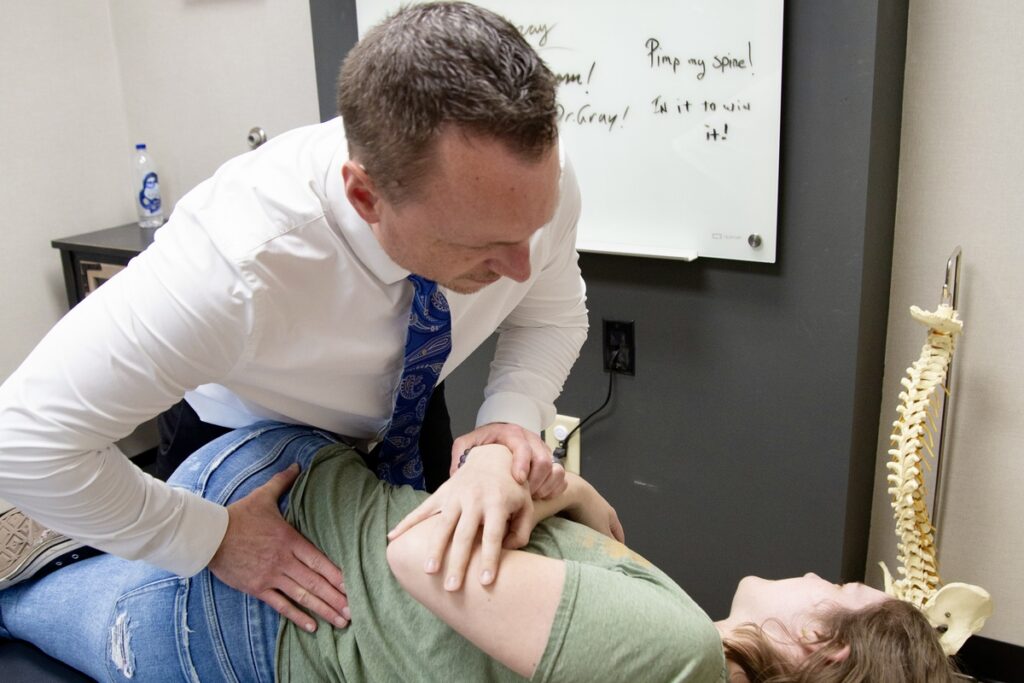
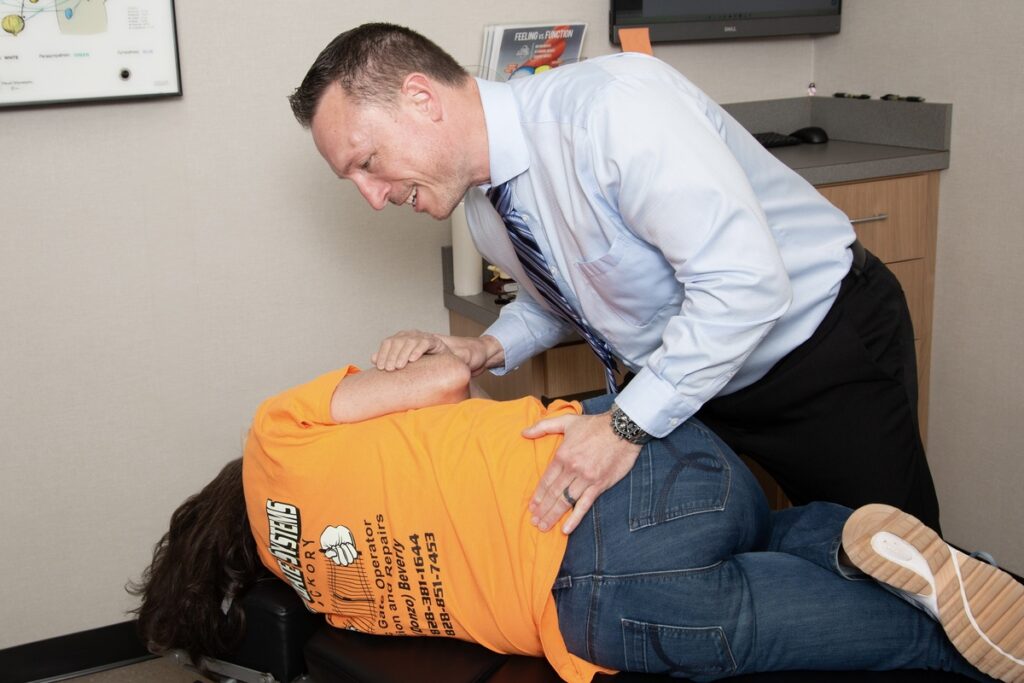
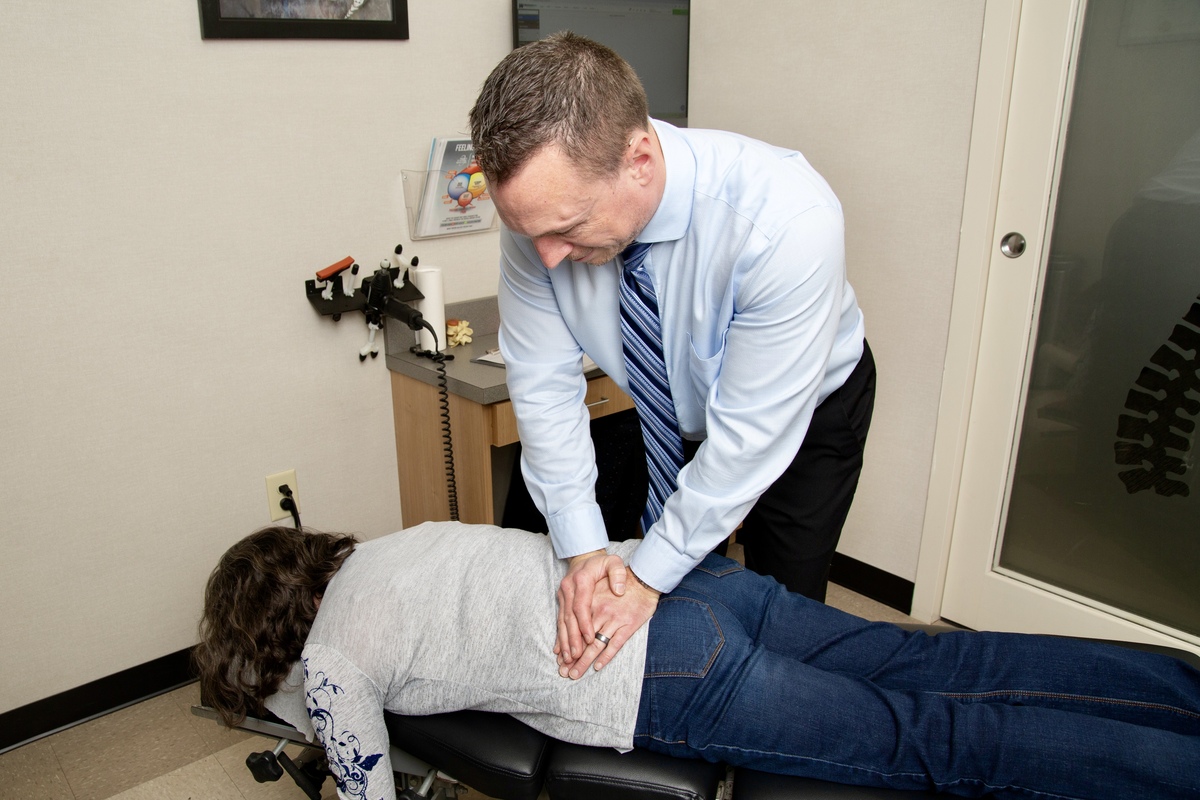
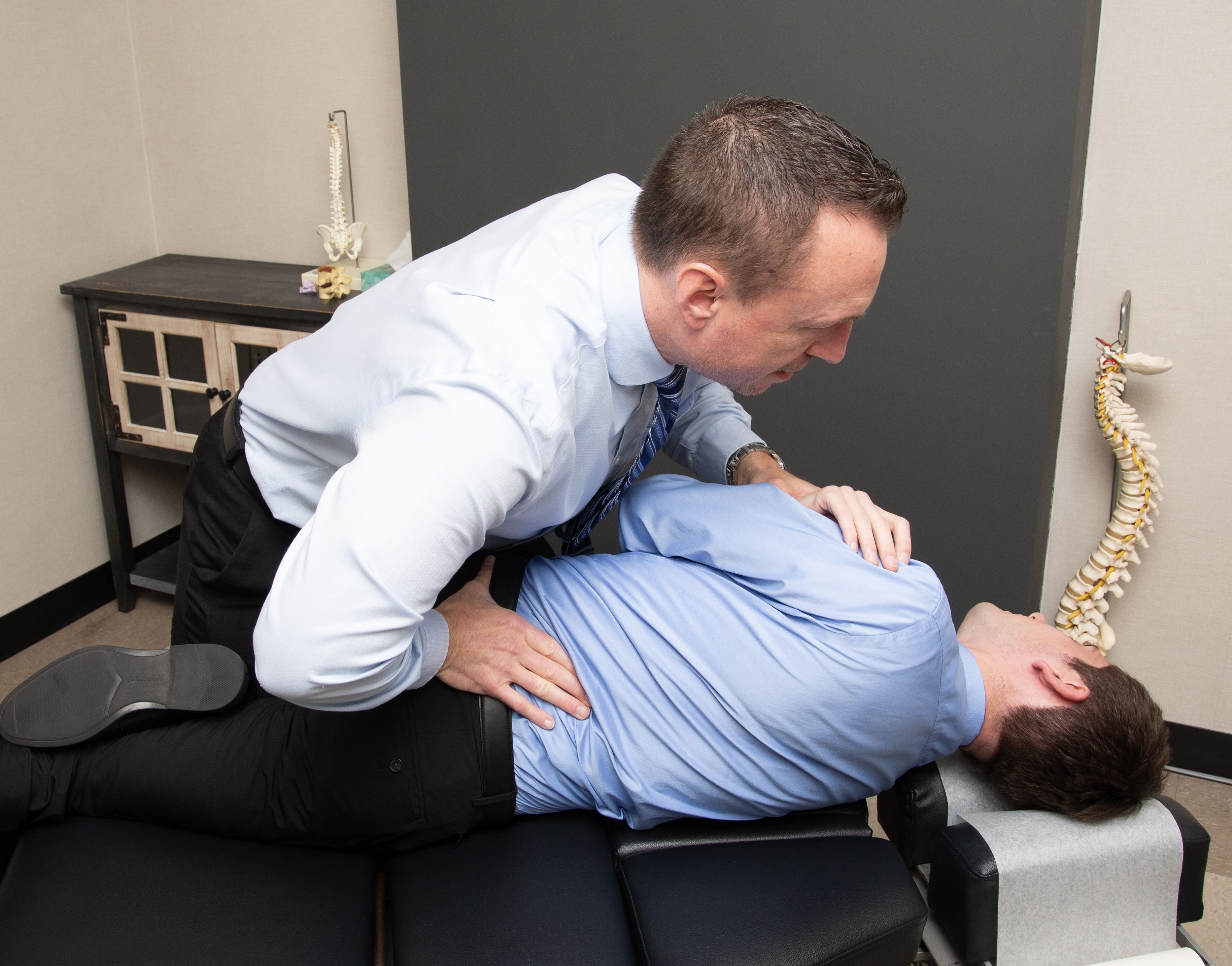
At the core of chiropractic treatment for sciatica is spinal manipulation. When vertebrae in the lumbar spine are misaligned or moving poorly — what chiropractors refer to as a subluxation — they can place uneven pressure on surrounding structures, including the intervertebral discs and nerves. Gentle, targeted adjustments aim to restore proper joint motion and reduce that abnormal pressure on the sciatic nerve. Many patients notice a meaningful improvement in their symptoms over a course of treatment, particularly when care begins early.
Beyond spinal adjustments, chiropractic care for sciatica often includes soft tissue therapies, therapeutic exercises, Non-Surgical Spinal Decompression, and rehabilitative guidance designed to strengthen the muscles supporting the spine. This multi-faceted approach addresses not just the immediate symptoms but the underlying mechanical dysfunction that allowed the problem to develop in the first place. The goal is always to get you moving better, feeling better, and staying better — without relying on painkillers or invasive procedures.
What to Expect at Wellness One
Walking into Wellness One in Hickory, NC for the first time with sciatica can feel intimidating, especially if you’re in significant pain. Dr. Charlie Gray and the team understand that, and the entire process is designed to put you at ease from the very first visit. Here’s a general idea of what your care journey might look like.
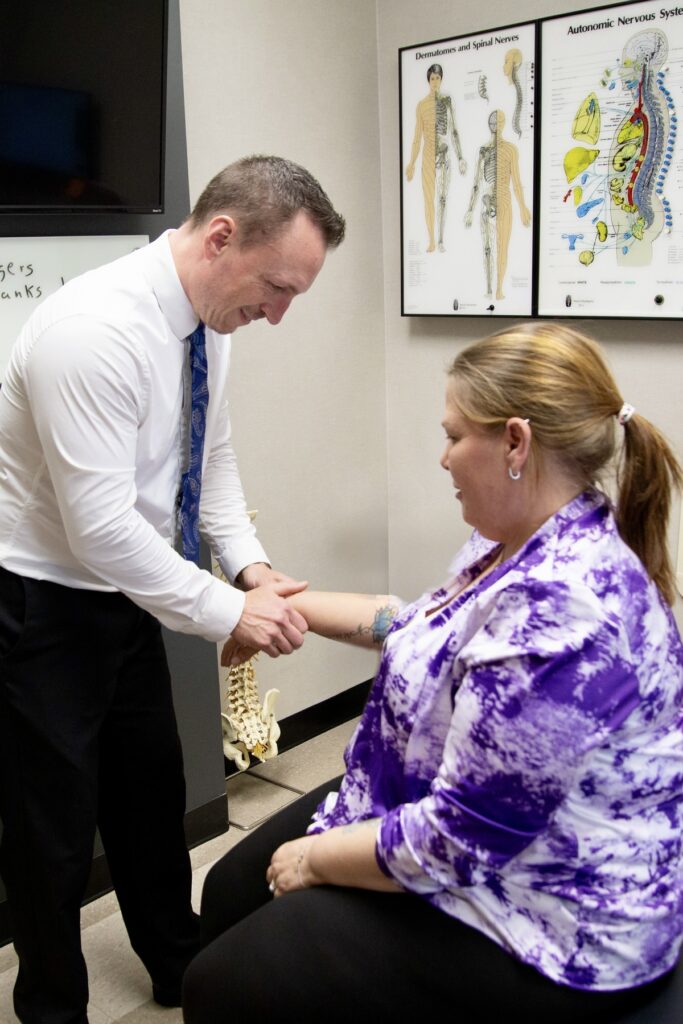
Your initial visit will focus heavily on evaluation. Dr. Charlie Gray will take a detailed health history, asking about when your symptoms started, what makes them better or worse, and whether you’ve had any prior episodes. A thorough physical and neurological examination will follow, assessing your reflexes, muscle strength, sensation, and range of motion. This information is essential for determining the root cause of your sciatica and whether chiropractic care is the right fit for your situation. In some cases, imaging like an X-ray may be recommended to get a clearer picture of what’s happening in your spine.
Once a clear picture of your condition has been established, Dr. Charlie Gray will explain your findings in plain language — no confusing medical jargon — and walk you through a personalized care plan. This plan will outline the types of treatment recommended, a realistic timeline for improvement, and what you can do between visits to support your recovery. Transparency and patient education are central to the approach at Wellness One, because an informed patient is always better equipped to heal and stay healthy long-term.
As treatment progresses, your response to care will be monitored regularly. Plans are adjusted when needed, and Dr. Charlie Gray is always available to answer questions. Most patients with acute sciatica begin to notice improvement within the first several visits, though the overall timeline depends on factors like the severity of nerve involvement, how long the condition has been present, and individual health factors. Chronic or more complex cases may require a longer course of care.
Practical Tips for Managing Sciatica at Home
Chiropractic care works best when it’s supported by healthy habits at home. There are several evidence-informed strategies that can help reduce sciatic flare-ups and support your recovery between visits to Wellness One.
Movement is one of the best things you can do for sciatica. While it’s tempting to rest completely when you’re in pain, prolonged bed rest tends to make sciatica worse, not better. Gentle walking encourages circulation, reduces inflammation, and keeps the spine mobile. Aim for short, frequent walks rather than long sessions — even ten minutes at a time can make a positive difference.
Pay close attention to how you sit. Sitting with poor posture, particularly in a slumped position, increases pressure on the lumbar discs and can aggravate sciatic symptoms significantly. Make sure your chair supports your lower back, keep your feet flat on the floor, and take regular breaks to stand and move if you work at a desk. A lumbar support cushion can be a simple but effective tool.
Heat and ice can also provide temporary relief. Applying ice to the lower back during the first 48-72 hours of a flare-up can help reduce inflammation, while heat can relax tight muscles once the acute phase has passed. Gentle stretches targeting the piriformis muscle and hip flexors — movements that Dr. Charlie Gray may show you during your visits — can help reduce tension around the sciatic nerve pathway.
Sciatica Trigger |
What’s Happening |
How to Address It |
|---|---|---|
|
Prolonged sitting |
Increases disc pressure and compresses the sciatic nerve |
Take standing breaks every 30-45 minutes; use lumbar support |
|
Disc material presses directly on nerve roots |
Chiropractic evaluation and targeted spinal adjustments |
|
|
Tight piriformis muscle |
Muscle spasm irritates the sciatic nerve as it passes nearby |
Piriformis stretching, soft tissue therapy |
|
Spinal stenosis |
Narrowed spinal canal places chronic pressure on nerve roots |
Gentle mobilization, posture correction, core strengthening |
|
Poor posture / forward head carriage |
Alters spinal mechanics and increases lumbar load |
Postural correction exercises, chiropractic adjustments |
When to See a Chiropractor for Sciatica
If you’ve been dealing with radiating leg pain, numbness, or tingling for more than a few days, it’s worth getting evaluated. Many people wait far too long, hoping the pain will simply go away on its own. While mild sciatica sometimes does resolve without intervention, research indicates that early conservative care — including chiropractic treatment — tends to produce better outcomes than a prolonged “wait and see” approach.
You should consider scheduling an appointment with Wellness One in Hickory, NC if your pain is affecting your daily activities, disrupting your sleep, limiting your ability to work, or if you’ve had recurring bouts of sciatica in the past. Recurring episodes are often a signal that an underlying spinal issue has not been fully addressed, and getting ahead of it with proper care can prevent future flare-ups.
There are, however, certain symptoms that require immediate medical attention rather than a chiropractic appointment. These include sudden, severe low back pain accompanied by loss of bladder or bowel control, numbness in the groin or inner thigh area (known as saddle anesthesia), or progressive weakness in both legs. These can indicate a serious spinal emergency called cauda equina syndrome, which requires urgent medical care. Dr. Charlie Gray and the team at Wellness One take patient safety seriously and will always refer you to the appropriate provider if your situation warrants it.
Myths vs. Facts About Sciatica and Chiropractic Care
Myth: Sciatica always requires surgery to fix.
Fact: The vast majority of sciatica cases resolve with conservative, non-surgical care. Research supports chiropractic treatment, Non-Surgical Spinal Decompression, physical therapy, and lifestyle modifications as effective first-line approaches. Surgery is typically considered only after conservative methods have been exhausted over a reasonable period of time.
Myth: You should rest in bed until the pain goes away.
Fact: Prolonged bed rest is generally not recommended for sciatica. Evidence consistently shows that staying gently active — including walking and doing appropriate stretches — supports faster recovery and helps prevent the condition from becoming chronic. Complete rest can actually lead to muscle deconditioning, which makes sciatica worse.
Myth: Chiropractic adjustments are dangerous when you have a herniated disc.
Fact: When performed by a trained and licensed chiropractor, spinal manipulation is generally safe and effective for disc-related sciatica. Dr. Charlie Gray conducts a thorough evaluation before any treatment to ensure the approach is appropriate and safe for each individual patient’s condition.
Myth: Sciatica is just “back pain” and will go away on its own.
Fact: Sciatica is nerve pain, not simply muscle soreness, and it can become a chronic problem if the underlying spinal dysfunction isn’t addressed. Some cases do resolve on their own, but many do not — and waiting too long can allow the condition to worsen and become more difficult and expensive to treat.
Myth: Chiropractic care only provides temporary relief for sciatica.
Fact: While some patients do seek chiropractic care for short-term pain relief, a comprehensive care plan at Wellness One is designed to address the root cause of your sciatica — not just mask the symptoms. With the right combination of adjustments, rehabilitation, and lifestyle guidance, many patients experience long-lasting improvement.
Final Thoughts from Wellness One in Hickory, NC
Sciatica can feel overwhelming, especially when it’s interfering with your work, your family life, and your ability to enjoy the things you love. But it doesn’t have to define your days. At Wellness One in Hickory, NC, Dr. Charlie Gray is committed to helping every patient understand what’s driving their pain and guiding them through a clear, realistic path toward recovery.
Chiropractic care isn’t about quick fixes. It’s about restoring the function your body is designed to have, reducing the pressure and irritation that’s causing your symptoms, and giving you the tools to maintain your health for the long haul. Whether you’ve been struggling with sciatica for years or you’re dealing with your first flare-up, there is hope — and there is help right here in the Hickory community.
If sciatica pain has been slowing you down, don’t wait any longer to get answers. Reach out to the team at Wellness One and take that first step toward feeling like yourself again. You deserve to move freely and live without the burden of constant nerve pain.
Frequently Asked Questions
How many chiropractic visits does it take to see improvement with sciatica?
The number of visits varies depending on the severity and duration of your sciatica, as well as individual health factors. Many patients with acute sciatica begin to notice improvement within the first few weeks of care, while chronic or more complex cases may require a longer treatment plan. Dr. Charlie Gray will give you a realistic timeline based on your specific evaluation findings.
Is chiropractic care safe for sciatica caused by a herniated disc?
Yes, in most cases. Chiropractic care for disc-related sciatica is considered safe when performed by a licensed chiropractor following a thorough patient evaluation. Certain techniques may be modified or avoided based on your specific condition, which is why a proper assessment always comes first at Wellness One.
Can sciatica come back after chiropractic treatment?
Sciatica can recur, particularly if the underlying spinal or lifestyle factors that caused it aren’t fully addressed. Part of a good chiropractic care plan includes education on posture, movement habits, and exercises that reduce your risk of future episodes. Maintenance care may also be recommended for patients with a history of recurrent sciatica.
What is the difference between sciatica and general low back pain?
General low back pain is typically localized to the lumbar region and doesn’t radiate into the leg. Sciatica, by contrast, involves nerve irritation that causes pain, numbness, or tingling to travel along the sciatic nerve pathway — often from the lower back through the buttock and down one leg. A thorough chiropractic evaluation can help distinguish between the two.
Should I use heat or ice for sciatica pain at home?
Both can be helpful depending on the stage of your symptoms. Ice is generally recommended during the first 48-72 hours of a flare-up to help manage inflammation, while heat can be useful afterward to relax tight muscles and improve circulation. Your chiropractor at Wellness One can give you personalized guidance based on your specific situation.
Can I exercise with sciatica, or should I avoid activity?
Gentle movement is generally encouraged. Activities like walking and carefully guided stretching are often beneficial and can actually speed up recovery. High-impact activities or exercises that aggravate your symptoms should be avoided until your condition is properly evaluated. Dr. Charlie Gray can help you identify which movements are safe and therapeutic for your particular case.
TL;DR
-
Sciatica is nerve pain that radiates from the lower back through the buttock and down the leg — it’s a symptom, not a standalone diagnosis.
-
Common causes include herniated discs, spinal stenosis, and tight muscles that compress the sciatic nerve.
-
Chiropractic care at Wellness One in Hickory, NC offers a non-invasive, drug-free approach to managing sciatica by addressing spinal alignment and nerve irritation.
-
Dr. Charlie Gray conducts a thorough evaluation before recommending a personalized care plan, and most patients begin to notice improvement within the first few weeks of treatment.
-
Staying gently active, improving your posture, and following at-home guidance from your chiropractor can significantly support your recovery and reduce the risk of sciatica returning.