Chronic tension headaches can be a persistent challenge, impacting your daily life and overall health. Often, habits and environmental factors play a significant role in triggering these discomforts. By recognizing these triggers and making simple lifestyle changes, you can significantly reduce the frequency and intensity of your headaches.
As a chiropractor, I believe in the power of natural healing and spinal health to help alleviate pain and promote wellness. Here are some practical strategies you can implement to manage your tension headaches effectively:
- Stay Hydrated: Dehydration can lead to headaches. Ensure you’re drinking plenty of water throughout the day.
- Maintain Good Posture: Poor posture can strain your neck and shoulders, leading to tension headaches. Be mindful of your posture while sitting and standing, and consider chiropractic adjustments to help align your spine.
- Incorporate Regular Exercise: Physical activity can reduce stress and tension. Simple exercises, like walking or stretching, can help keep headaches at bay.
- Practice Relaxation Techniques: Stress is a significant contributor to tension headaches. Techniques such as deep breathing, meditation, or yoga can promote relaxation and help manage stress levels.
- Get Adequate Sleep: Lack of sleep can trigger headaches. Aim for a consistent sleep schedule and create a restful environment for better sleep quality.
- Limit Caffeine and Alcohol: Both can lead to dehydration and tension. Moderating your intake may help alleviate headache symptoms.
- Use Heat or Cold Therapy: Applying a warm compress or an ice pack to your neck and shoulders can help relieve muscle tension and pain.
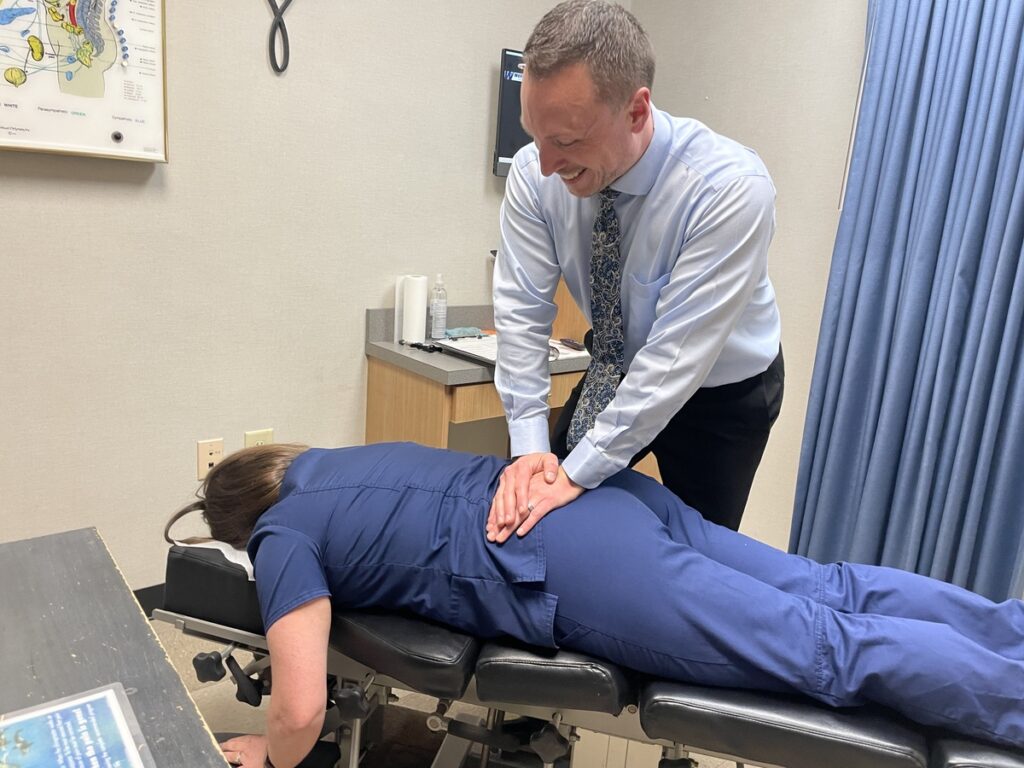
- Consider Chiropractic Care: Regular chiropractic adjustments can help relieve tension in the spine and neck, addressing the root causes of headaches and promoting overall wellness.
- Take Breaks from Screens: Prolonged screen time can strain your eyes and neck. Remember to take regular breaks to reduce tension.
- Stay Mindful of Your Triggers: Keep a headache diary to identify specific triggers. Understanding what causes your headaches can empower you to make changes that lead to relief.
By adopting these strategies, you can take control of your health and find natural relief from chronic tension headaches. Chiropractic care can be an essential part of this journey, helping you achieve optimal health and wellness without the need for medications or invasive procedures. Embrace these tips, and you may find that lasting relief is within your reach!
Key Takeaways
- Stay hydrated by drinking at least eight 8-ounce glasses of water daily. This simple step helps prevent headaches that can occur from dehydration, ensuring your body functions at its best.
- Good posture is crucial, whether you’re at work or home. By maintaining proper alignment of your spine, you can significantly reduce strain on your neck and back, which often leads to tension headaches.
- Incorporate relaxation techniques into your daily routine. Practices such as deep breathing, meditation, or progressive muscle relaxation can effectively manage stress and reduce headache triggers. These methods promote a calm mind and a relaxed body.
- Prioritize restful sleep by establishing a calming bedtime routine. Make your sleep environment dark and quiet to enhance your sleep quality. A well-rested body is less prone to headaches and tension.
- Regular chiropractic care is a natural and effective way to improve spinal alignment and reduce muscle tension. By addressing the root causes of chronic tension headaches, chiropractic adjustments can provide significant relief and promote overall wellness. Make chiropractic care a part of your routine for optimal health and pain management.
Identify and Manage Triggers
To effectively manage chronic tension headaches, it’s crucial to first identify what triggers them. A great starting point is to keep a headache diary. This means jotting down when your headaches happen, what activities you were engaged in, and any stressors you may have experienced at that time. This practice can help you recognize patterns and pinpoint specific triggers such as poor posture, lack of sleep, or dehydration.
Next, take a closer look at your daily habits. Are you spending excessive time in front of screens? Skipping meals? These habits can significantly contribute to tension headaches. It’s also important to consider your environment; factors like loud noises, strong smells, or bright lights can have an impact as well.
Once you’ve identified your triggers, you can take proactive steps to manage them. For instance, adjusting your workspace to improve ergonomics can help relieve spinal tension, which is often a root cause of headaches. Establishing a regular sleep schedule and making sure you stay well-hydrated are also important.
Chiropractic care is a fantastic option for addressing the underlying issues that can lead to tension headaches. By working with a chiropractor, you can receive spinal adjustments that enhance your overall health and wellbeing, helping to alleviate headache pain naturally. Understanding your personal triggers and taking these steps can empower you to minimize headaches and lead a healthier life.
Practice Relaxation Techniques
Incorporating relaxation techniques into your daily routine can greatly improve your overall well-being and reduce the frequency and intensity of chronic tension headaches. As a chiropractor, I often emphasize the importance of a holistic approach to health, which includes not just spinal care but also practices that promote relaxation and stress relief.
One effective method to start with is deep breathing exercises. These exercises are simple yet powerful; they help lower stress levels and enhance oxygen flow to your body. Taking just 5-10 minutes each day to focus on your breath can lead to a calmer mind and a more relaxed body.
Another helpful technique is progressive muscle relaxation. This involves tensing and then relaxing each muscle group, which can help alleviate tension and fatigue throughout your body. Spending 15-20 minutes on this practice can be a great way to release accumulated stress.
Here’s a quick guide to some effective relaxation techniques that you can easily integrate into your day:
| Technique | Duration | Benefits |
|---|---|---|
| Deep Breathing | 5-10 minutes | Reduces stress and anxiety |
| Progressive Muscle Relaxation | 15-20 minutes | Alleviates tension and fatigue |
| Meditation | 10-30 minutes | Enhances focus and calmness |
| Guided Imagery | 10-15 minutes | Promotes mental relaxation |
Incorporating these relaxation methods into your daily life can significantly benefit your headache symptoms and overall wellness. Remember, alongside these techniques, regular chiropractic care can help maintain a healthy spine, reduce muscle tension, and promote optimal nervous system function. By choosing chiropractic, you’re investing in a natural path to wellness and pain relief that supports your body’s healing abilities.
Maintain Good Posture
Maintaining good posture is vital for preventing chronic tension headaches and enhancing your overall health. When you sit or stand with proper alignment, you alleviate strain on your neck and shoulder muscles, which helps reduce tension that can lead to headaches. Start by being conscious of your posture; keep your shoulders relaxed, your head aligned over your spine, and your hips in line with your torso.
If you spend long hours at a desk, it’s crucial to set up your workspace for optimal support. Choose a chair that promotes a natural curve in your lower back, and ensure your feet are flat on the ground. This setup not only supports your spine but also helps you maintain better posture throughout the day. Don’t forget to take regular breaks to stretch; simple neck rolls or shoulder shrugs can work wonders in easing tightness and discomfort.
Your sleeping position also plays a significant role in preventing tension headaches. Opt for a supportive pillow and try to sleep on your back, which helps keep your spine aligned. These small adjustments in your daily routine can lead to significant improvements in your comfort and well-being.
Chiropractic care is an excellent way to support your efforts in maintaining good posture and alleviating pain. Regular visits to a chiropractor can help ensure your spine remains aligned, which is essential for overall health and wellness. By focusing on natural healing and promoting a balanced lifestyle, chiropractic care empowers you to live pain-free and enjoy a higher quality of life. Remember, the path to optimal health is often just a few adjustments away!
Stay Hydrated
Staying hydrated is a key component in preventing tension headaches and supporting your overall health and wellness. As a chiropractor, I want to emphasize the importance of proper hydration for not just pain relief, but for optimal spinal health as well. When you don’t drink enough water, your body can show signs of dehydration, such as fatigue or a dry mouth, which can contribute to discomfort and tension.
To help alleviate headache symptoms and support your well-being, consider these simple tips for increasing your water intake:
- Keep a Water Bottle Handy: Carry a reusable water bottle with you throughout the day. This makes it easier to sip on water regularly and helps you stay mindful of your hydration.
- Set Reminders: Use your phone or an app to remind you to drink water at regular intervals. Small, frequent sips can be more effective than trying to drink a large amount all at once.
- Infuse Your Water: If plain water doesn’t excite you, try infusing it with slices of fruits like lemon, cucumber, or berries for added flavor and nutrients.
- Pair Water with Meals: Make it a habit to drink a glass of water before each meal. This not only helps with hydration but can also aid in digestion.
- Listen to Your Body: Pay attention to signs of dehydration. If you feel fatigued, experience dry mouth, or notice a headache coming on, it may be time to reach for that water bottle.
Remember, maintaining proper hydration supports not just your physical health but also your spinal function, ultimately aiding in your journey towards natural wellness. Chiropractic care, along with good hydration practices, can work together to help you achieve optimal health and relieve discomfort naturally.
Stay hydrated and take good care of your spine!
Importance of Water Intake
Hydration is crucial in managing chronic tension headaches, and as a chiropractor, I want to emphasize how staying properly hydrated can support your overall health and wellness. When you drink enough water, you’re not just satisfying your thirst; you’re also fostering a healthier body that can help alleviate headache symptoms.
Here are some reasons why water intake is important:
- Reduces Muscle Tension: Staying hydrated keeps your muscles relaxed, which can help ease the discomfort associated with headaches. This is particularly relevant for those who may carry tension in their neck and shoulders, often contributing to headache pain.
- Enhances Cognitive Function: Adequate hydration supports better focus and concentration. When your brain is well-hydrated, you’re less likely to experience stress-induced headaches, allowing you to maintain a clearer, more relaxed state of mind.
- Improves Circulation: Proper hydration promotes smooth blood flow, which is essential for delivering oxygen and nutrients throughout your body. Good circulation can be a key factor in preventing headaches and maintaining overall health.
- Regulates Body Temperature: Keeping your fluid levels in check helps regulate your body’s temperature, which can reduce discomfort and prevent headaches from arising in the first place.
As part of a holistic approach to health, I encourage you to make it a habit to drink water regularly throughout the day. You may notice that as you stay hydrated, your tension headaches become less frequent and less intense.
In addition to drinking water, consider incorporating regular chiropractic care into your wellness routine. Chiropractic adjustments can help improve spinal alignment and reduce tension in the body, further supporting your efforts to manage headaches naturally.
Signs of Dehydration
As a chiropractor, I want to emphasize the importance of staying hydrated for your overall health and well-being. Dehydration can lead to various health issues, and recognizing the signs early on is crucial. Here are some common indicators that you may be experiencing dehydration:
| Signs of Dehydration | What You Might Experience |
|---|---|
| Dry mouth | A parched feeling can lead to discomfort and negatively impact your focus. |
| Fatigue | An unusual lack of energy may signal that your body is not functioning optimally. |
| Dark urine | Urine that appears darker than usual is a clear sign that you need more fluids. |
| Dizziness | Feeling lightheaded can affect your balance and overall stability. |
If you notice any of these symptoms, it’s essential to increase your water intake. Staying properly hydrated supports not only your overall health but also can play a role in reducing tension headaches and promoting spinal health. Remember, when your body is well-hydrated, it can function more efficiently, which is vital for maintaining a healthy spine and nervous system.
Here are some simple tips to help you stay hydrated:
- Carry a Water Bottle: Keeping a reusable water bottle with you will remind you to drink throughout the day.
- Set Reminders: Use your phone or a timer to remind you to take sips of water regularly.
- Infuse Your Water: If plain water doesn’t excite you, try adding slices of fruits or herbs for a refreshing twist.
- Eat Water-Rich Foods: Incorporate fruits and vegetables like cucumbers, watermelon, and oranges into your diet to boost your hydration.
Prioritizing hydration is a natural step toward achieving optimal health. Along with regular chiropractic care, which can help alleviate pain and promote wellness, staying hydrated will enhance your overall quality of life. Let’s take these small steps towards a healthier you!
Hydration and Headache Relief
Hydration and Headache Relief: A Natural Approach
As a chiropractor, I often see how simple lifestyle changes can make a big difference in overall health and wellness. One common issue that many people experience is headaches, which can sometimes be triggered by dehydration. Staying properly hydrated isn’t only essential for your body’s functions but can also help in reducing the frequency and intensity of headaches.
Here are some straightforward tips to help you boost your hydration and potentially relieve headaches naturally:
- Drink Water Regularly: Aim for at least eight 8-ounce glasses of water each day. This helps keep your body functioning well and minimizes the risk of tension headaches.
- Carry a Water Bottle: Having a refillable water bottle handy serves as a reminder to drink water throughout the day. It’s a simple way to ensure you’re meeting your hydration needs.
- Eat Hydrating Foods: Incorporate fruits and vegetables into your diet. Options like cucumbers, watermelon, and oranges aren’t only delicious but also have high water content, helping to keep you hydrated.
- Limit Caffeine and Alcohol: While these beverages can be enjoyable, they can lead to dehydration if consumed in excess. Moderation is key to maintaining optimal hydration levels.
- Consider Chiropractic Care: Regular chiropractic adjustments can help improve overall body function and may assist in reducing headache frequency. By aligning your spine and enhancing your nervous system’s communication, chiropractic care supports your body in managing pain naturally.
Remember, your body is your best tool for achieving optimal health. By making hydration a priority and considering chiropractic care, you can take significant steps toward reducing headaches and enhancing your overall well-being.
Stay hydrated, stay healthy!
Incorporate Regular Exercise
Regular exercise is an essential component for relieving chronic tension headaches, and as a chiropractor, I can’t emphasize enough how beneficial it’s for your overall health and wellness.
Engaging in physical activity not only helps reduce stress—a common trigger for these headaches—but also promotes spinal health, which is crucial for maintaining a pain-free lifestyle.
When you exercise, your body releases endorphins, which are natural painkillers. These endorphins can elevate your mood and lessen discomfort, making you feel better both physically and emotionally. Aim for at least 30 minutes of moderate exercise most days. This can include activities like walking, cycling, or yoga, all of which can promote spinal alignment and flexibility.
You don’t have to push yourself too hard; the key is consistency. Even simple activities like stretching or dancing can help alleviate muscle tension, which is often a contributing factor to headaches. Pay attention to how your body feels during and after exercise—this feedback will help you discover what works best for you.
Incorporating regular exercise into your daily routine not only helps with headache relief but also supports your overall health and well-being. Remember, the goal is to make exercise an enjoyable part of your life, rather than a chore. Find activities that you love and stick with them!
Additionally, consider regular chiropractic adjustments to enhance the benefits of your exercise routine, as they can help ensure your spine is aligned and functioning optimally.
Apply Heat or Cold Therapy
In addition to regular chiropractic adjustments, applying heat or cold therapy can be a fantastic way to relieve chronic tension headaches. These methods can help ease pain and tension in different ways, complementing the benefits of chiropractic care. Here’s how you can use them effectively:
- Heat Packs: Try placing a warm compress or heating pad on your neck and shoulders. The gentle warmth works wonders to relax tight muscles and improve blood circulation, allowing your body to heal naturally.
- Cold Compress: If you’re experiencing pain, using a cold pack or ice wrapped in a cloth on your forehead can be beneficial. Cold therapy numbs the pain and helps reduce inflammation, making it a great option after a chiropractic adjustment.
- Timing: Alternate between heat and cold therapies every 15-20 minutes based on what feels most soothing for you. Listening to your body is key; it’s all about finding what provides you with the best relief.
- Personal Preference: Don’t hesitate to experiment with both methods. Everyone responds differently, so it’s important to discover which therapy brings you the most comfort. Remember, your journey to wellness is unique!
Incorporating these simple techniques along with your chiropractic care can enhance your overall health and well-being. Always consult with your chiropractor to see how these therapies can fit into your personalized wellness plan.
Together, we can work towards achieving your optimal health!
Explore Massage Therapy
Massage therapy can be a beneficial complement to chiropractic care when it comes to relieving chronic tension headaches. However, it’s important to recognize that chiropractic adjustments specifically target spinal alignment and overall nervous system function, which play a crucial role in managing headache pain. By addressing misalignments in the spine, chiropractors can help alleviate the root causes of tension headaches, leading to more effective and lasting relief.
As you explore ways to manage your headaches, consider combining chiropractic care with gentle massage techniques that focus on areas of tension, such as the neck and shoulders. This holistic approach can enhance your overall well-being.
When seeking relief from headaches, always prioritize finding a skilled chiropractor who understands your unique needs. They can work with you to develop a personalized treatment plan that incorporates adjustments, lifestyle changes, and at-home exercises.
Additionally, here are some general tips to help manage chronic tension headaches:
- Stay Hydrated: Dehydration can contribute to headaches, so be sure to drink plenty of water throughout the day.
- Practice Good Posture: Maintaining proper posture, especially if you sit for extended periods, can reduce strain on your neck and back.
- Incorporate Stretching: Gentle stretches can relieve muscle tension. Focus on the neck, shoulders, and upper back for best results.
- Manage Stress: Engage in relaxation techniques such as deep breathing, meditation, or yoga to help reduce stress levels that may trigger headaches.
Types of Massage Techniques
Many individuals experience relief from chronic tension headaches through various methods, and chiropractic care stands out as a highly effective approach for natural healing and optimal wellness. Here are four massage techniques often used in conjunction with chiropractic care that you might consider incorporating into your wellness routine:
- Swedish Massage: This gentle technique uses long strokes and kneading to promote relaxation and ease muscle tension. It can be a wonderful complement to chiropractic adjustments, helping to enhance overall relaxation and improve circulation.
- Deep Tissue Massage: By focusing on deeper layers of muscle, this method targets chronic tension areas, aiding in pain relief. Coupled with chiropractic care, deep tissue massage can help address the root causes of discomfort and enhance mobility.
- Trigger Point Therapy: This technique involves applying pressure to specific points in the body to release tight knots in muscles, which can often trigger headaches. By integrating trigger point therapy with chiropractic adjustments, you can effectively alleviate tension and improve spinal health.
- Craniosacral Therapy: This gentle approach involves subtle manipulation of the skull and spine, promoting overall balance and relieving tension. When used alongside chiropractic care, craniosacral therapy can help improve nervous system function and support your body’s natural healing processes.
In addition to these techniques, practicing good posture, staying hydrated, and incorporating regular physical activity can significantly impact your overall health and help prevent headaches.
Benefits for Headaches
Many individuals experience chronic tension headaches, and as a chiropractor, I can attest that incorporating chiropractic care into your wellness routine can significantly alleviate both the frequency and intensity of these headaches. This natural approach not only addresses the discomfort but also fosters relaxation and overall health. Regular chiropractic adjustments can improve spinal alignment, enhance blood circulation, reduce muscle tension, and promote a sense of well-being.
Here’s a quick overview of how chiropractic care can benefit those suffering from headaches:
| Benefit | Description | Impact on Headaches |
|---|---|---|
| Spinal Alignment | Corrects misalignments in the spine that can lead to tension | Reduces pain and discomfort |
| Improved Circulation | Enhances blood flow to the head and neck | Alleviates headache symptoms |
| Stress Relief | Helps manage anxiety through proper spinal health | Lowers headache triggers |
| Better Sleep | Supports a well-aligned spine for restful sleep | Reduces headache frequency |
| Enhanced Well-being | Boosts overall mood and energy through natural healing | Improves resilience to pain |
In addition to regular chiropractic adjustments, here are some tips to help manage headaches effectively:
- Stay Hydrated: Drink plenty of water throughout the day to prevent dehydration, which is a common headache trigger.
- Practice Good Posture: Maintain proper posture while sitting and standing to ease stress on your spine and neck.
- Manage Stress: Incorporate relaxation techniques such as deep breathing, yoga, or meditation into your daily routine.
- Regular Exercise: Engage in regular physical activity to improve circulation and reduce tension.
- Sleep Hygiene: Establish a calming bedtime routine and ensure you get enough restful sleep.
Finding a Therapist
How can exploring chiropractic care enhance your journey toward relief from chronic tension headaches? Finding the right chiropractor is essential. Here are some tips to help you choose wisely:
- Qualifications: Look for licensed chiropractors who’ve experience in treating headaches and muscle tension. A good chiropractor will have a thorough understanding of spinal health and how it relates to headache relief.
- Specialization: Seek chiropractors who focus on techniques like spinal manipulation and soft tissue therapy. These methods can effectively alleviate headache pain by addressing misalignments and muscle tightness.
- Consultation: Schedule an initial consultation to discuss your specific headache patterns and preferences. This is a great opportunity to understand how chiropractic care can be tailored to your needs.
- Reviews: Check online reviews or ask for recommendations to find chiropractors known for their effective treatment and patient care. Positive feedback from other patients can give you confidence in your choice.
In addition, consider these general tips for maintaining a healthy lifestyle and reducing headache triggers:
- Stay hydrated: Dehydration can contribute to headaches, so make sure to drink plenty of water throughout the day.
- Practice good posture: Poor posture can strain your neck and back, leading to tension headaches. Be mindful of your posture while sitting and working.
- Incorporate stress management techniques: Activities like yoga, meditation, or deep breathing exercises can help reduce stress and tension, which may help minimize headaches.
Limit Screen Time
Limiting screen time is crucial for managing chronic tension headaches, and as a chiropractor, I want to help you understand how this can positively impact your health. Prolonged exposure to screens can lead to eye strain and neck tension, which can worsen headache symptoms. Here’s a simple guide to help you visualize the connection between screen time and headaches:
| Activity | Recommended Time | Benefits for Headaches |
|---|---|---|
| Social Media | 30 minutes | Lessens eye strain |
| Streaming Shows | 1 hour | Encourages regular breaks |
| Work/Study | 2 hours | Promotes alternating with breaks |
To support your well-being, aim to take regular breaks every 20-30 minutes when using screens. A great technique to remember is the 20-20-20 rule: every 20 minutes, look at something 20 feet away for 20 seconds. This simple practice can help relax your eyes and reduce tension.
Additionally, consider adjusting your screen brightness and using blue light filters. These small changes can make a significant difference in reducing strain. By consciously limiting your screen time, you can diminish tension and enhance your overall wellness.
Get Adequate Sleep
Getting adequate sleep is vital for managing chronic tension headaches and supporting your overall health and wellness. A well-rested body can handle stress and tension more effectively, leading to fewer and less intense headaches. As a chiropractor, I believe that good sleep hygiene can complement your chiropractic care, helping you achieve optimal health naturally.
Here are some simple tips to improve your sleep:
- Establish a Routine: Aim to go to bed and wake up at the same time each day. This helps regulate your body’s internal clock, making it easier to fall asleep and wake refreshed.
- Create a Sleep-Friendly Environment: Make your bedroom a sanctuary for sleep. Keep it dark, quiet, and cool. Consider using blackout curtains, earplugs, or a white noise machine to minimize distractions.
- Limit Stimulants: Be mindful of what you consume in the hours before bedtime. Caffeine and nicotine can interfere with your ability to fall asleep. Opt for herbal teas or calming drinks instead.
- Practice Relaxation Techniques: Incorporate calming activities before bed, such as reading a book, gentle stretching, or deep breathing exercises. These practices can help ease tension in your body and prepare your mind for restful sleep.
Consult a Healthcare Professional
When chronic tension headaches linger despite your best self-care efforts, reaching out to a chiropractor can be a game-changer for finding effective relief. Chiropractors specialize in understanding how spinal health and body mechanics influence overall well-being. By addressing the underlying causes of your headaches, a chiropractor can help create a personalized treatment plan that may include spinal adjustments, posture correction, and lifestyle advice, all aimed at reducing your symptoms naturally.
Here’s a quick reference to help you understand when it might be beneficial to consult with a chiropractor:
| When to Consult | What to Expect |
|---|---|
| Headaches occur frequently, like 15 days a month or more | A thorough assessment of your spine and posture |
| Pain is severe enough to disrupt daily activities | A tailored treatment plan focusing on natural relief |
| Over-the-counter medications aren’t providing relief | Safe, drug-free strategies for managing pain |
| Frequent headaches are affecting your quality of life | Holistic approaches to improve overall wellness |
Don’t hesitate to reach out to a chiropractor. Taking this proactive step can be essential in regaining control over your health and enhancing your overall quality of life. Remember, maintaining good posture, staying hydrated, and managing stress through relaxation techniques can also support your journey toward wellness. Embrace natural healing with chiropractic care to achieve optimal health!
Conclusion
By following these tips, you can take proactive steps to relieve chronic tension headaches naturally and effectively. As a chiropractor, I emphasize the importance of spinal health in overall well-being. Start by identifying and managing your headache triggers, which can often stem from tension in the neck and back. Incorporating relaxation techniques, such as deep breathing or gentle stretching, can help ease muscle tension and promote relaxation.
Maintaining good posture is crucial—not only for your spine but also for preventing headaches. Be mindful of how you sit and stand throughout the day. Staying hydrated is equally important, as dehydration can contribute to tension. Additionally, incorporating regular exercise, like walking or yoga, can improve circulation and reduce stress, both of which are beneficial for headache relief.
Limiting screen time can help reduce eye strain and tension in your neck and shoulders. Prioritizing adequate sleep is essential for overall health and can significantly impact headache frequency and intensity.
If you find that headaches persist despite these efforts, consider consulting a chiropractor. Chiropractic care focuses on spinal alignment and can address the root causes of tension headaches without the need for medications or surgeries. By taking control of your spinal health and overall well-being, you can work towards living a headache-free life!