Unlocking your body’s flexibility potential goes beyond just stretching; it’s a journey that embodies commitment and mindful practices. As a chiropractor, I often see how enhancing flexibility can significantly improve movement and overall well-being. Before diving into flexibility routines, it’s important to assess your current flexibility level. This self-assessment can help set the foundation for meaningful improvements and guide you toward optimal health.
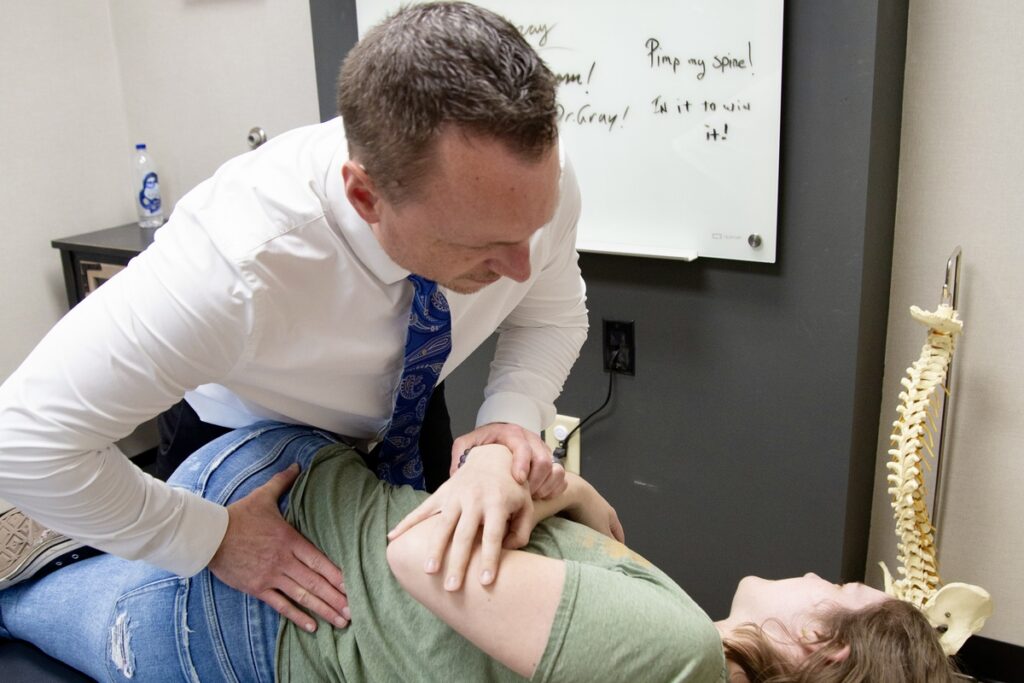
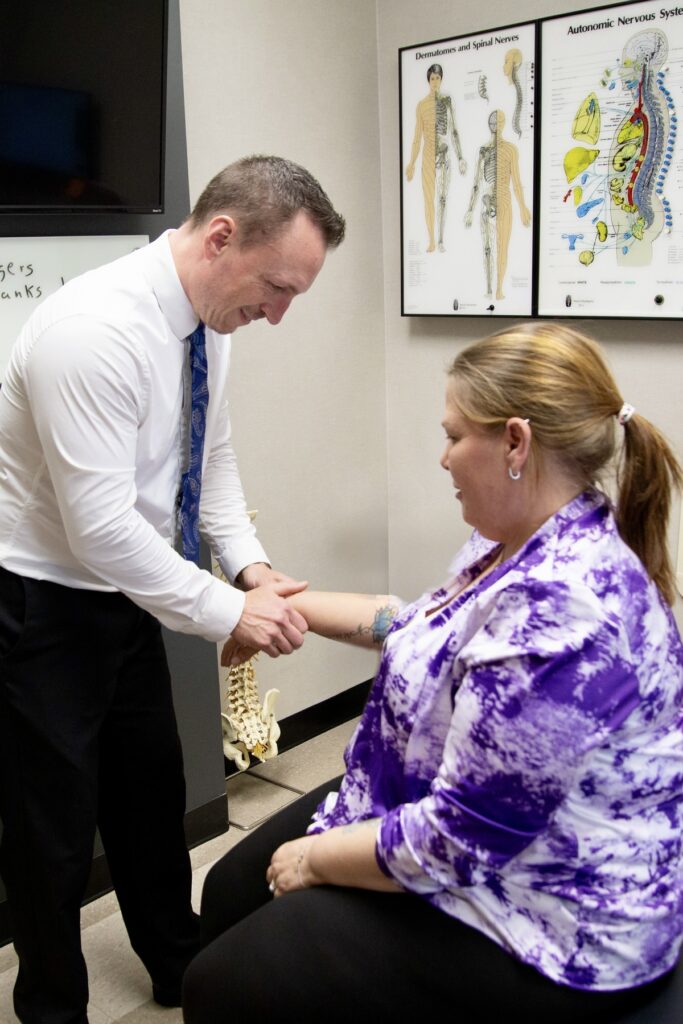
Incorporating chiropractic care into your wellness routine can play a vital role in enhancing your flexibility. Regular adjustments can help align your spine, relieve tension, and improve your range of motion. This can make it easier for you to pursue your flexibility goals and enhance your overall function in daily activities.
Here are some practical tips to help you maximize your flexibility while promoting natural healing:
- Start Slow: Begin with gentle stretches that are within your comfort zone. Gradually increase intensity as your body adapts.
- Consistency is Key: Make stretching a part of your daily routine. Even just a few minutes each day can lead to significant improvements over time.
- Warm-Up First: Always warm up your muscles before stretching. This can be as simple as light cardio or dynamic movements to get your blood flowing.
- Listen to Your Body: Pay attention to how your body feels. Never push through pain; flexibility should come with comfort and ease.
- Incorporate Chiropractic Care: Regular visits to your chiropractor can help keep your spine aligned and support your flexibility journey. Adjustments can relieve tension in your muscles and joints, making it easier to stretch.
- Stay Hydrated: Drinking plenty of water supports muscle function and can help prevent stiffness.
- Focus on Breathing: Deep, controlled breaths can help you relax into stretches and improve your overall experience.
By focusing on these tips and integrating chiropractic care into your wellness routine, you can unlock your body’s flexibility potential and enjoy a healthier, more active lifestyle. Remember, improving flexibility is not just about the stretches; it’s about creating a holistic approach to your health and well-being.
Key Takeaways
- Begin each workout with dynamic stretching to prepare your muscles, enhance mobility, and optimize your performance. This practice not only warms up the body but also sets the stage for greater flexibility, which is essential for overall health.
- Regular chiropractic visits can play a vital role in improving your flexibility. By addressing spinal alignment and ensuring that your nervous system is functioning optimally, chiropractic care supports your body’s natural ability to move freely and without discomfort.
- Setting specific flexibility goals can help you stay motivated on your journey towards better health. Use a journal or an app to track your progress—this will not only remind you of how far you’ve come but also encourage you to continue your efforts.
- Consistently practicing both dynamic and static stretches is key to maintaining and improving your flexibility. These stretches can be integrated into your routine to promote a healthier, more agile body.
- Remember to focus on deep breathing during your stretches. This practice not only enhances relaxation but also maximizes the effectiveness of each stretch, allowing your body to release tension and improve flexibility.
Incorporating these simple tips into your lifestyle, along with regular chiropractic care, can pave the way for improved flexibility, reduced pain, and overall enhanced wellness. Your body deserves the best care—choose chiropractic for a natural, effective approach to health!
Understanding Flexibility and Its Benefits
When you think about flexibility, it’s important to realize that it goes beyond just being able to touch your toes. Flexibility is a crucial aspect of your physical health and overall well-being. It affects your mobility, making everyday activities smoother and reducing the risk of injuries. When your muscles and joints are flexible, you can move around more freely, which enhances your performance in both sports and daily tasks.
From a chiropractic perspective, flexibility plays a significant role in maintaining proper spinal alignment and function. Improved flexibility can lead to better posture, which in turn helps alleviate tension in your body, reducing discomfort and pain. Additionally, increased flexibility promotes better circulation, allowing oxygen and nutrients to reach your muscles more effectively, aiding in recovery and overall health.
Incorporating flexibility training into your daily routine can also positively impact your mental well-being. The focus and mindfulness that come with stretching exercises can serve as a natural form of stress relief. By making flexibility a priority, you’re not only investing in your physical health but also nurturing your mind.
Here are some simple tips to improve your flexibility and support your chiropractic health:
- Stretch Regularly: Aim to include stretching into your daily routine. Focus on major muscle groups like your legs, back, and shoulders.
- Warm-Up Before Activity: Always warm up with light activity before intense exercise to prepare your muscles and joints.
- Listen to Your Body: Pay attention to how your body feels during stretches. Never push through pain; gentle stretching is key.
- Stay Hydrated: Drinking plenty of water helps keep your muscles hydrated and functioning well, which supports flexibility.
- Incorporate Chiropractic Care: Regular visits to your chiropractor can enhance your flexibility and overall health by ensuring your spine is properly aligned.
Assessing Your Current Flexibility Level
To assess your current flexibility level, it’s important to perform a few simple tests that can highlight areas needing improvement. This not only helps you understand your body better but also emphasizes the importance of maintaining flexibility for overall health and wellness, which chiropractic care greatly supports.
Start with the sit-and-reach test. Sit on the floor with your legs extended and your feet against a wall. Slowly reach forward as far as you can and measure the distance reached. This test gives you insight into your lower back and hamstring flexibility, which are crucial for everyday movements.
Next, check your shoulder flexibility. Clasp your hands behind your back—one hand over, the other under. If your fingers touch, that’s a great sign! If not, it indicates some tightness that might benefit from chiropractic adjustments to enhance your range of motion and alleviate discomfort.
Finally, evaluate your hip flexibility with a simple lunge. Step forward with one foot while keeping your back leg straight. Pay attention to any discomfort or strain in your hips and lower back. These areas are often where tension can build up, and chiropractic care can provide effective relief and support.
Make sure to take note of your results from these flexibility tests. Regularly evaluating your flexibility not only helps you track progress but also serves as motivation to improve.
Incorporating gentle stretching and chiropractic care into your routine can help you maintain optimal flexibility and unleash your body’s full potential. Remember, a flexible body supports a healthy spine, which is essential for overall wellness. Embrace these simple tests and consider seeing your chiropractor to discuss how they can assist you in achieving your flexibility goals and improving your well-being.
Stretching Techniques for Increased Flexibility
To enhance your flexibility, incorporating both dynamic and static stretching techniques is vital, especially for those who want to support their overall wellness and spinal health.
Dynamic stretching gently warms up your muscles and primes them for movement, which is crucial for maintaining a healthy spine and preventing injury.
On the other hand, static stretching focuses on lengthening your muscles, helping to increase your range of motion and promoting better posture.
As a chiropractor, I understand the importance of flexibility in achieving optimal health.
Stretching not only benefits your muscles but also supports your spine, allowing for a more efficient nervous system function.
Here are some tips to incorporate these stretching techniques into your routine:
1. Start with Dynamic Stretching: Before any physical activity, try movements like arm circles, leg swings, and torso twists.
These movements increase blood flow to your muscles and prepare your body for more strenuous activity while protecting your spine.
2. Incorporate Static Stretching Post-Activity: After your workout or physical activity, focus on stretches that target major muscle groups.
Hold each stretch for 15-30 seconds, breathing deeply.
This helps to cool down your muscles and maintain flexibility.
3. Listen to Your Body: If you feel pain during any stretch, ease off.
Stretching should feel comfortable and relieving, not painful.
If you experience discomfort, consider visiting a chiropractor who can assess your flexibility and overall spinal health.
4. Make Stretching a Daily Habit: Consistency is key when it comes to improving flexibility.
Set aside a few minutes each day to stretch, which will help you maintain a healthy spine and prevent stiffness.
5. Consider Chiropractic Care: Regular chiropractic adjustments can enhance your flexibility and overall well-being.
By aligning your spine, you promote better movement patterns and reduce tension in your muscles.
Remember, flexibility is an important aspect of health that complements your overall wellness journey.
Dynamic Stretching Benefits
Dynamic stretching is a powerful tool that can significantly enhance your flexibility and prepare your muscles for physical activity, which is essential for maintaining overall health and wellness. As a chiropractor, I often emphasize the importance of proper movement to support spinal health and overall body function. By integrating dynamic stretches into your warm-up routine, you can experience improved range of motion, better muscle performance, and a reduced risk of injury—key factors in achieving optimal health without relying on medications or surgeries.
Dynamic stretches mimic the movements of the activity you’re about to engage in, effectively warming up your muscles and joints. This preparation is crucial not only for enhancing performance but also for maintaining the integrity of your spine and musculoskeletal system.
Here’s a quick overview of the benefits of dynamic stretching:
| Benefit | Description |
|---|---|
| Improves Range of Motion | Increases flexibility through active movement, which is vital for spinal health. |
| Enhances Performance | Prepares muscles for peak function, allowing for better physical activity. |
| Reduces Injury Risk | Warms up muscles, lowering the likelihood of injuries that can affect your spine and overall body. |
| Boosts Blood Flow | Increases circulation to muscles and joints, promoting natural healing and recovery. |
Incorporating dynamic stretching into your warm-up routine is a simple yet effective way to unleash your body’s full flexibility potential. Remember, maintaining an active lifestyle and caring for your spine through proper movement can lead to long-term health benefits. If you have any questions about how to integrate dynamic stretching into your routine or how chiropractic care can support your wellness journey, feel free to reach out!
Static Stretching Techniques
While dynamic stretching is essential for getting your muscles ready for activity, static stretching is equally important for improving flexibility and aiding muscle recovery, both of which are vital for maintaining a healthy spine. As your local chiropractor, I believe that incorporating static stretching into your routine can complement your chiropractic care, helping you achieve optimal health naturally.
To start, find a comfortable space where you can focus on one muscle group at a time. Hold each stretch for 15 to 30 seconds without bouncing to avoid injury. For example, to stretch your hamstrings, sit with one leg extended and reach for your toes. Remember to breathe deeply during each stretch; this not only relaxes your body but also allows for a deeper stretch, enhancing your overall flexibility.
Incorporating a variety of stretches can target different areas like your quadriceps, shoulders, and back, all of which play a significant role in your spinal health. I recommend practicing static stretching after workouts or during cool-downs to maximize your flexibility gains and support your body’s natural healing processes.
Incorporating Flexibility Exercises Into Your Routine
Incorporating flexibility exercises into your routine is not only beneficial for your overall fitness but also plays a vital role in your spinal health and wellness. Just a few minutes each day can lead to significant improvements in how you feel and function. As a chiropractor, I encourage you to integrate stretches into your warm-up or cool-down sessions, as this can help maintain a healthy spine and enhance mobility.
By focusing on different muscle groups throughout the week, you can create a balanced approach to flexibility that supports your chiropractic care. Here’s a simple plan to get you started:
| Day | Flexibility Focus |
|---|---|
| Monday | Upper Body Stretches |
| Wednesday | Lower Body Stretches |
| Friday | Full Body Stretch Routine |
| Sunday | Yoga or Pilates Session |
The Role of Warm-Up and Cool-Down
Before diving into flexibility exercises, it’s important to warm up your muscles. Warming up not only prepares your body for movement but also plays a crucial role in preventing injuries, especially when it comes to your spine. A gentle warm-up increases circulation and helps to loosen tight muscles, setting the stage for a safe and effective workout.
After your workout, don’t overlook the cool-down phase. Taking the time to cool down is vital for your body’s recovery process, and it can significantly enhance your flexibility gains. This period allows your muscles to relax and helps to reduce soreness, which is essential for maintaining optimal health and wellness.
Incorporating simple stretching techniques can maximize the benefits of both warm-up and cool-down routines. For instance, consider gentle neck stretches or shoulder rolls to relieve tension that may accumulate throughout the day. Also, don’t forget to focus on your spine—try some light forward bends or side stretches to keep your back flexible and healthy.
Importance of Warm-Up
A proper warm-up is crucial for preparing your body for physical activities, especially when considering the overall health of your spine and musculoskeletal system. It increases your heart rate, boosts blood flow to your muscles, and enhances flexibility, which is vital for maintaining a healthy spine. By incorporating dynamic stretches and movement-based exercises, you not only prime your body for peak performance but also support your spinal health and reduce the risk of injury.
Here’s a quick overview of warm-up benefits that align with your health and wellness journey:
| Benefit | Description | Example |
|---|---|---|
| Increased Circulation | Boosts blood flow to your muscles, encouraging efficient oxygen delivery, which is essential for healing. | Light jogging |
| Enhanced Flexibility | Prepares muscles and joints for activity, helping to maintain a healthy range of motion in your spine. | Dynamic stretches |
| Injury Prevention | Reduces strain on muscles and joints, which can help prevent back pain and other injuries. | Mobility drills |
Incorporating a proper warm-up into your routine is a simple yet effective way to promote natural healing and overall wellness. Remember, a healthy spine supports a healthy body, so taking those extra minutes to warm up can make a significant difference. As you warm up, pay special attention to your back and posture, ensuring that you engage in movements that promote spinal alignment. This proactive approach not only enhances your performance but also positions chiropractic care as a cornerstone for achieving optimal health and wellness.
Benefits of Cool-Down
While many people concentrate on warm-ups to prepare their bodies for activity, it’s equally important to pay attention to a proper cool-down. As a chiropractor, I want to highlight the significance of this often-overlooked step in your fitness routine. Cooling down allows your heart rate to gradually return to normal, which can help prevent feelings of dizziness or fainting that sometimes occur after intense exercise.
Additionally, a proper cool-down can play a crucial role in preventing muscle stiffness. This is vital for recovery, as it allows your body to bounce back more effectively from your workout. Incorporating gentle stretches into your cool-down routine not only enhances flexibility but also promotes better mobility overall. Remember, flexibility is key to maintaining a healthy spine and preventing injuries.
Moreover, taking time to cool down gives you a moment to reflect on your workout. It’s an opportunity to assess your performance and identify areas for improvement, which can lead to enhanced results in future sessions. By prioritizing your cool-down, you’re not just taking care of your body; you’re also supporting your journey towards optimal health and wellness.
Ultimately, integrating a cool-down into your routine can lead to better performance and overall well-being. And remember, regular chiropractic care can further support your efforts in achieving and maintaining a healthy lifestyle. By focusing on natural healing techniques, you can find effective pain relief and enhance your physical performance without the need for medications or surgeries. So, take that extra time to cool down, and consider chiropractic as a vital part of your health journey.
Effective Stretching Techniques
Incorporating effective stretching techniques into your warm-up and cool-down routines is essential for enhancing flexibility and boosting your overall performance. As a chiropractor, I believe that taking care of your muscles and joints through proper stretching can significantly contribute to natural healing and maintaining a healthy spine. A proper warm-up prepares your body for activity, while a cool-down helps with recovery, promoting long-term wellness.
Here’s a quick reference guide to effective stretches that you can easily integrate into your routine:
| Stretch Type | Warm-Up Example | Cool-Down Example |
|---|---|---|
| Dynamic Stretch | Arm Circles | Seated Forward Bend |
| Static Stretch | High Knee Pulls | Butterfly Stretch |
| Active Stretch | Leg Swings | Standing Quad Stretch |
| PNF Stretch | Partner Assisted Shoulder | Lying Hamstring Stretch |
| Mobility Drill | Walking Lunges | Cat-Cow Stretch |
General Tips:
- Listen to Your Body: Always pay attention to how your body feels during stretches. If something doesn’t feel right, stop and consult with a chiropractor.
- Stay Consistent: Regular stretching can greatly improve flexibility and reduce the risk of injury. Aim to stretch at least a few times a week.
- Breathe Deeply: Proper breathing can enhance the effectiveness of your stretches. Inhale deeply as you prepare for the stretch and exhale as you go deeper into it.
- Focus on Your Spine: Remember that a healthy spine is crucial for overall wellbeing. Incorporating stretches that promote spinal mobility can help maintain a healthy back.
Nutrition and Hydration for Optimal Flexibility
To achieve peak flexibility and overall wellness, proper nutrition and hydration are key components that can significantly enhance your performance and recovery, especially in conjunction with chiropractic care. By fueling your body with the right nutrients, you can improve muscle elasticity and joint function, which are crucial for maintaining optimal spinal health.
Focus on incorporating a variety of fruits and vegetables into your diet, as these foods are rich in antioxidants that help reduce inflammation and promote healing. This is particularly important for anyone experiencing discomfort or stiffness in their back or joints. Lean proteins, such as chicken, fish, and legumes, are essential for muscle repair and growth, while healthy fats found in avocados and nuts can help keep your joints lubricated and functioning smoothly.
Hydration is equally vital for maintaining flexibility and ensuring that your muscles operate at their best. Make it a habit to drink plenty of water throughout the day, especially before and after workouts or any physical activity. Proper hydration supports spinal health and can aid in reducing discomfort. Additionally, consider incorporating foods that are high in electrolytes, like bananas, nuts, and leafy greens, into your diet, as these nutrients are important for muscle contraction and relaxation.
Remember, chiropractic care can complement your nutrition and hydration efforts by addressing any misalignments in your spine that may be affecting your flexibility and overall health. Regular chiropractic adjustments can help keep your body in alignment, reduce pain, and improve your range of motion, allowing you to move more freely and comfortably.
Staying Consistent: Setting Realistic Goals and Tracking Progress
Achieving flexibility and maintaining overall wellness is closely tied to not just nutrition and hydration, but also to your commitment to a holistic approach to health that includes chiropractic care. This natural method of healing can enhance your well-being and support your journey towards flexibility and pain relief.
Here’s how you can stay on track with realistic goals and a consistent strategy:
- Set Specific Goals: Rather than just aiming for better flexibility, pinpoint the areas you want to improve. For example, focus on increasing the flexibility of your hamstrings or back—this can also help reduce discomfort and improve your spinal health.
- Create a Schedule: Consistency is essential for progress. Dedicate time each week to stretching or flexibility exercises. Incorporating chiropractic adjustments into your routine can further enhance your flexibility and mobility, supporting your overall health journey.
- Track Your Progress: Maintain a journal or use a simple app to log your workouts and any improvements you notice. Seeing your progress visually can serve as a great motivator and highlight the benefits of chiropractic care in enhancing your physical capabilities.
- Celebrate Small Wins: Acknowledge your progress, no matter how small. Whether it’s being able to touch your toes or feeling less tension in your back, celebrating these achievements can boost your motivation. Consider treating yourself to a chiropractic session to reward your hard work and further support your health goals.
Conclusion
Unlocking your body’s flexibility potential is not just about stretching; it’s a holistic journey that intertwines with your overall health and wellness. As a chiropractor, I believe that understanding your body’s mechanics, particularly your spine, is crucial for achieving optimal flexibility and reducing pain.
Start by evaluating your current flexibility and how it relates to your spinal health. Tight muscles can often pull on the spine, leading to discomfort. Incorporating effective stretching techniques can help alleviate this tension, but remember, proper alignment is key. Regular chiropractic adjustments can enhance your range of motion and support your flexibility goals.
Don’t underestimate the power of warm-ups and proper nutrition. Warming up your muscles prepares them for stretching and reduces the risk of injury. Eating a balanced diet rich in anti-inflammatory foods can also promote muscle recovery and overall well-being.
Stay consistent with your flexibility routine and set achievable goals. Celebrate your progress, no matter how small—it all contributes to a healthier you. Keep in mind, every small gain not only improves your flexibility but also enhances your overall health.
So, embrace this journey towards a more flexible body with chiropractic care as your guide. It’s a natural approach that fosters healing and wellness, helping you feel your best every day! Start today to experience the positive changes that come with better flexibility and spinal health.