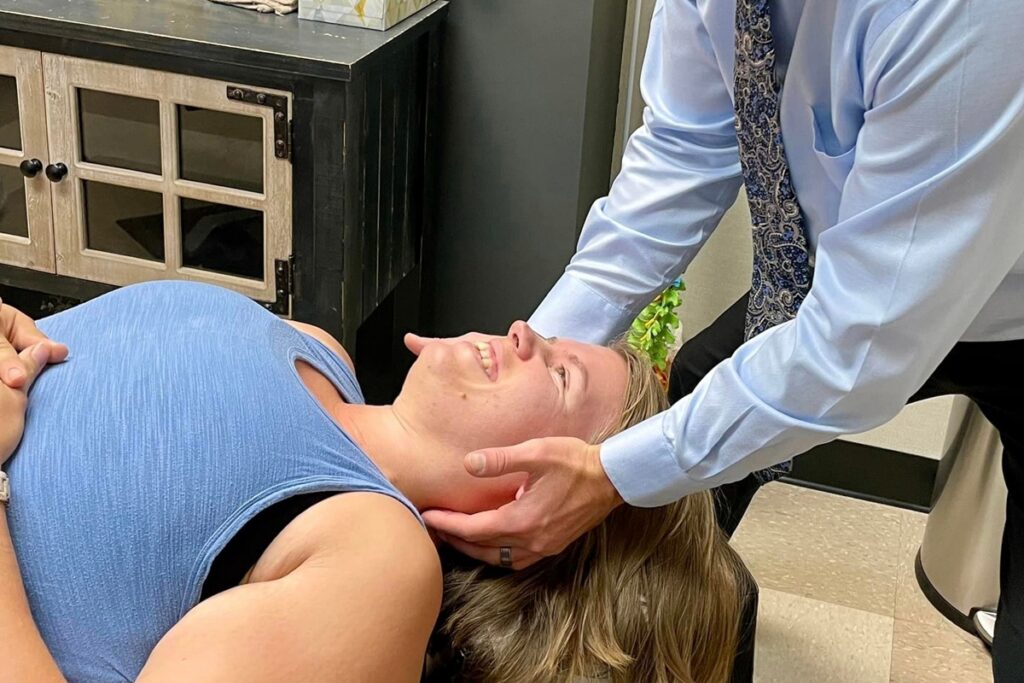
Enhancing your joint flexibility and movement naturally is essential for maintaining optimal health and well-being. As a chiropractor, I want to emphasize the importance of a balanced approach that prioritizes natural healing and chiropractic care. By incorporating regular stretching, strength training, and mindful hydration, you can effectively support your joints and improve your overall quality of life.
It’s not just about increasing your range of motion; it’s about nurturing your body through proper nutrition and mindfulness. A well-rounded routine can help alleviate pain and enhance your body’s natural ability to heal. Here are some simple yet effective tips to consider:
- Regular Stretching: Incorporate gentle stretching into your daily routine to keep your joints limber. Focus on stretches that target the major joints like your hips, knees, and shoulders.
- Strength Training: Building strength around your joints can provide better support and stability. Consider bodyweight exercises or resistance bands to enhance your muscle tone without putting unnecessary strain on your joints.
- Hydration is Key: Staying well-hydrated helps maintain joint lubrication. Aim to drink plenty of water throughout the day to ensure your body functions optimally.
- Chiropractic Care: Regular visits to your chiropractor can help identify any misalignments or issues that may be affecting your joint function. Chiropractic adjustments can promote better mobility and relieve pain naturally.
- Listen to Your Body: Pay attention to how your joints feel during different activities. If you experience discomfort, don’t hesitate to consult with a chiropractor who can guide you in making necessary adjustments to your routine.
By embracing these strategies, you can enhance your joint flexibility and movement naturally while positioning chiropractic care as a cornerstone of your journey to wellness. Let’s work together to create a routine that supports your health and vitality!
Key Takeaways
As a local chiropractor, I want to share some important tips for enhancing your joint flexibility and overall movement naturally. Maintaining healthy joints is crucial for a pain-free and active lifestyle, and chiropractic care plays a vital role in achieving optimal health.
- Stay Hydrated: It’s essential to drink water regularly and include hydrating fruits and vegetables in your diet. Proper hydration helps maintain joint lubrication and overall health, which is critical for flexibility.
- Incorporate Stretching: Regular stretching routines are a great way to improve flexibility and reduce the risk of injuries. Both static and dynamic stretches can help keep your joints supple. I encourage you to make stretching a part of your daily routine.
- Explore Yoga: Practicing yoga can significantly enhance your flexibility and joint mobility. Focus on poses like Downward Dog and Pigeon Pose, which are particularly effective. Yoga promotes not just flexibility, but also relaxation and balance, complementing the benefits of chiropractic care.
- Stay Active: Consistent gentle movement is key to keeping your joints lubricated and alleviating stiffness. Activities like walking or swimming are excellent choices. Remember, regular movement keeps your entire body functioning harmoniously.
- Consider Chiropractic Care: Chiropractic adjustments can greatly improve spinal alignment, which in turn supports better joint function and flexibility. Regular visits to your chiropractor can help alleviate pain and promote overall wellness, making it a natural choice for maintaining your health.
By following these simple tips, you can enhance your joint flexibility and overall well-being. Remember, chiropractic care is your best ally in achieving a pain-free, healthier lifestyle. If you’re experiencing discomfort or stiffness, don’t hesitate to reach out to your chiropractor for personalized guidance and support. Your journey to optimal health starts with taking care of your joints!
Understanding Joint Flexibility and Its Importance
Understanding joint flexibility is essential for maintaining overall mobility and health, and as a chiropractor, I want to help you appreciate its importance.
Joint flexibility refers to the range of motion your joints can achieve, influenced by factors such as muscle elasticity and the condition of your connective tissues.
When your joints are flexible, you can move more freely, carry out daily activities with ease, and significantly reduce the risk of injuries.
Moreover, maintaining flexibility supports healthy circulation, which is vital for delivering nutrients and removing waste from your joints.
Unfortunately, as we age, our joint flexibility often declines, leading to stiffness and discomfort.
By prioritizing flexibility, you can counteract these effects and enjoy a more active lifestyle.
Incorporating flexibility-promoting activities into your routine, such as gentle stretching or yoga, can greatly benefit your joints.
However, chiropractic care is one of the best ways to enhance your flexibility naturally.
A chiropractor can help realign your spine and joints, improving your range of motion and overall joint function.
Here are a few simple tips to help you maintain and improve your joint flexibility:
- Stay Active: Engage in regular physical activity that includes stretching and mobility exercises.
- Practice Good Posture: Maintaining proper posture can prevent stiffness and promote better joint function.
- Listen to Your Body: If you feel tightness or discomfort, consider seeing a chiropractor to address any underlying issues.
- Hydrate: Drinking plenty of water helps to keep your connective tissues lubricated and functioning optimally.
- Warm Up: Before engaging in any physical activities, take the time to warm up your muscles and joints to prevent injury.
By understanding and embracing the importance of joint flexibility, you can make informed choices that enhance your overall well-being and longevity.
The Role of Stretching in Joint Mobility
Stretching is essential for enhancing your joint mobility and overall flexibility, and as a chiropractor, I believe this practice can significantly contribute to your overall health and wellness.
By incorporating regular stretching into your daily routine, you can experience benefits such as an increased range of motion and a lower risk of injury, which are crucial for maintaining an active lifestyle.
Let’s talk about how effective stretching can support your joint health and complement chiropractic care.
Stretching helps to improve blood flow to your muscles and joints, promoting natural healing and flexibility.
When combined with regular chiropractic adjustments, you can achieve optimal spinal health and mobility.
Here are a few simple tips to help you get started with stretching:
- Warm-Up First: Always begin with a gentle warm-up to prepare your muscles. This could be a light walk or some easy movements to get your blood flowing.
- Focus on Major Muscle Groups: Target areas around your joints, such as the hips, shoulders, and spine, with stretches that promote flexibility. Simple stretches like arm circles, leg swings, and torso twists can be very effective.
- Hold Your Stretches: Aim to hold each stretch for about 15-30 seconds. This allows your muscles to relax and elongate, enhancing your range of motion.
- Breathe Deeply: Remember to breathe deeply as you stretch. This not only helps you relax but also increases oxygen flow to your muscles, aiding in recovery.
- Listen to Your Body: Pay attention to how your body feels during stretching. If something doesn’t feel right, ease off. Stretching should never be painful.
By integrating these stretching tips into your routine and complementing them with regular chiropractic visits, you can work towards achieving a healthier, more flexible body.
Chiropractic care isn’t just about pain relief; it’s about fostering a lifestyle of natural wellness that promotes optimal health.
Benefits of Regular Stretching
Incorporating regular stretching into your daily routine can significantly enhance your joint mobility and overall flexibility, which are essential components of a healthy spine.
As a chiropractor, I can’t emphasize enough how important it’s to maintain proper flexibility to support your spine and overall well-being. Stretching helps improve circulation, which nourishes your joints and can reduce stiffness, allowing you to move more freely.
When you stretch consistently, you might find that daily activities—like bending, reaching, and lifting—become easier and more comfortable. This ease of movement not only enhances your quality of life but also reduces the risk of injury, especially during physical activities. Stretching can help alleviate muscle tension, promoting relaxation and aiding in natural healing.
Additionally, regular stretching can improve your athletic performance, enabling you to achieve better results in your workouts. You’ll likely notice an improvement in your posture as well, which is crucial for maintaining spinal health and preventing discomfort. Good posture supports your spine’s natural alignment and can prevent future pain or injuries.
Most importantly, stretching fosters a greater sense of body awareness. When you listen to your body and recognize its needs, you empower yourself to make healthier choices that promote peak movement and overall wellness.
As you consider incorporating stretching into your routine, here are a few simple tips:
- Start Slow: If you’re new to stretching, begin with gentle stretches and gradually increase the intensity.
- Consistency is Key: Aim to stretch at least a few times a week to see the best results.
- Focus on Major Muscle Groups: Target areas like your back, hips, and legs for comprehensive benefits.
- Listen to Your Body: Pay attention to how your body feels. Stretch to the point of mild discomfort, but never into pain.
- Combine with Chiropractic Care: Regular chiropractic adjustments can complement your stretching routine by ensuring your spine is properly aligned and functioning optimally.
Types of Effective Stretches
Understanding the different types of effective stretches can significantly enhance your joint mobility and flexibility, which is essential for overall health and wellness. As a chiropractor, I believe that incorporating these stretches into your daily routine can help you maintain not only joint health but also spinal alignment and overall mobility. Here’s a simple breakdown of some key stretch types:
| Stretch Type | Description | Best For |
|---|---|---|
| Static Stretching | Holding a stretch for a duration | Improving flexibility and reducing tension in muscles |
| Dynamic Stretching | Moving parts of your body through a full range of motion | Preparing your body for activity and warming up your muscles |
| Ballistic Stretching | Using momentum to push your body beyond its normal range | Advanced flexibility, but should be approached with caution and under guidance |
| Proprioceptive Neuromuscular Facilitation (PNF) | Combining muscle contraction and relaxation | Increasing range of motion effectively |
| Active Stretching | Actively engaging your muscles to stretch | Strengthening while promoting flexibility |
Incorporating these stretches into your routine can help alleviate discomfort, promote natural healing, and support your chiropractic care. Remember to listen to your body and avoid pushing beyond your comfort zone. Always consult with your chiropractor if you’re unsure about the best stretching techniques for your individual needs.
Incorporating Yoga for Enhanced Flexibility
Yoga is an excellent practice for improving flexibility and enhancing joint mobility, which can be vital for maintaining a healthy spine. As a chiropractor, I encourage my patients to incorporate key yoga poses into their routine, as they can help stretch and strengthen muscles that support your spine.
Not only will practicing yoga make you feel more limber, but it also complements chiropractic care by promoting natural healing and better overall wellness. When your body is more flexible, it can help reduce tension and alleviate pain, making your chiropractic adjustments more effective.
Here are some simple tips to get started with yoga for flexibility:
- Start with Basic Poses: Focus on foundational poses like Downward Dog and Cat-Cow. These can help gently stretch your spine and improve mobility.
- Listen to Your Body: Pay attention to how your body feels during each pose. If you experience discomfort, it’s essential to ease off and modify the stretch.
- Consistency is Key: Aim to practice yoga regularly, even if it’s just a few minutes a day. Consistent practice can lead to significant improvements in flexibility over time.
- Integrate Breathing Techniques: Combine your movements with deep, mindful breathing. This enhances relaxation and can help relieve tension in your muscles.
- Complement with Chiropractic Care: Regular chiropractic adjustments can help keep your spine aligned and functioning optimally, making your yoga practice even more beneficial.
Key Yoga Poses
Incorporating specific yoga poses into your routine can greatly enhance your joint flexibility and overall wellness. As a chiropractor, I often emphasize the importance of maintaining a healthy spine and body to achieve optimal health. Starting with Downward-Facing Dog is a fantastic way to energize your entire body while stretching your hamstrings, calves, and shoulders. This pose not only feels good but also helps in relieving tension that can contribute to discomfort.
Next, the Cat-Cow stretch is an excellent way to improve spinal flexibility. It encourages gentle movement of the spine, alleviating tension in your back, which can be beneficial for those with chronic pain. Warrior II is another beneficial pose that opens up the hips and strengthens the legs, promoting balance and stability—essential components of a healthy body.
The Seated Forward Bend is a wonderful way to stretch your spine and hamstrings, enhancing overall flexibility. It’s a gentle pose that encourages relaxation, allowing your body to release built-up stress. Finally, don’t overlook Pigeon Pose, which deeply opens the hips and can help alleviate tightness that many people experience, especially if they sit for long periods.
By regularly practicing these key poses, you can notice significant improvements in your joint mobility and overall movement quality. However, it’s important to remember that these poses are a complement to, not a substitute for, chiropractic care. Regular chiropractic adjustments can help address misalignments in your spine, improve your posture, and enhance the benefits of your yoga practice.
Make these poses a part of your daily routine, and consider visiting your chiropractor to ensure your spine and joints are functioning optimally. Together, these practices can lead you toward a healthier, more active lifestyle, free from pain.
Benefits of Stretching
Incorporating stretching into your daily routine can provide a multitude of benefits, particularly when it comes to enhancing your overall health and well-being. As a chiropractor, I want to emphasize that stretching isn’t just about improving flexibility; it plays a crucial role in supporting your spine and musculoskeletal health.
One of the primary benefits of stretching is improved circulation. This increased blood flow can aid in recovery after workouts and help your body heal naturally. Alleviating muscle tension through stretching can also make daily activities more comfortable, allowing you to move without discomfort. When you engage in practices like yoga, you’re not only stretching your muscles but also enhancing your body’s range of motion, which can significantly reduce the risk of injuries—especially those related to spinal misalignments.
Moreover, regular stretching can lead to better posture. Good posture is essential for spinal health, as it helps maintain proper alignment while sitting or standing. By incorporating simple stretches into your day, you can support your spine and help prevent the discomfort that often comes from poor posture.
Don’t forget about the mental benefits! Stretching encourages relaxation and can help relieve stress, which is vital for your overall well-being. Feeling good physically often translates into an improved mood.
To get started, consider setting aside a few minutes each day to stretch. Focus on areas that may feel tight, such as your back, neck, and shoulders. Even gentle stretches can make a significant difference over time. Remember, chiropractic care is an excellent complement to your stretching routine. It focuses on correcting spinal misalignments and enhancing your body’s natural ability to heal, leading to optimal health.
Strength Training: Building Supportive Muscles
Strength training is an essential part of maintaining healthy joints and enhancing flexibility, and it perfectly complements chiropractic care for optimal wellness. By building supportive muscles around your joints, you create a stable environment that allows for greater movement and flexibility. This stability not only reduces the risk of injury but also enhances your overall performance in daily activities.
Here’s a simple table of exercises that can help you strengthen those important muscle groups:
| Exercise | Targeted Muscle Group | Recommended Sets |
|---|---|---|
| Squats | Quadriceps, Glutes | 3 |
| Deadlifts | Hamstrings, Back | 3 |
| Lunges | Quadriceps, Glutes | 3 |
Incorporating these exercises into your routine can lead to stronger muscles that support your joints. As you start, focus on proper form to avoid strain and gradually increase weights as you become more comfortable. Consistency is key! Making strength training a regular part of your fitness routine can significantly improve your joint flexibility over time.
Additionally, pairing strength training with regular chiropractic adjustments can help ensure your spine is aligned and functioning properly. This can enhance the effectiveness of your workouts and promote overall health.
The Benefits of Regular Physical Activity
Regular physical activity plays a crucial role in maintaining not just your overall health, but specifically the health and strength of your joints. As a chiropractor, I can’t emphasize enough how movement enhances muscle strength and improves flexibility, which are key factors in reducing the risk of injury and discomfort.
Staying active doesn’t just help your joints; it also supports your spine, which is the central pillar of your body. When your spine is aligned and functioning properly, your joints can move freely and without pain. This is where chiropractic care comes into play. Regular adjustments can help ensure that your spine remains in alignment, allowing for optimal movement and reducing strain on your joints.
Here are some simple tips to keep your joints and spine healthy through physical activity:
- Incorporate Variety: Engage in a mix of activities—like walking, swimming, or cycling—to keep your joints moving in different ways and to avoid overuse injuries.
- Stretch Regularly: Incorporate stretching into your routine to improve flexibility. Simple stretches can help maintain a full range of motion in your joints and prevent stiffness.
- Stay Mindful of Posture: Whether you’re exercising or doing daily activities, pay attention to your posture. Good alignment protects your spine and joints from unnecessary stress.
- Listen to Your Body: If you feel pain while being active, it’s important to pay attention. Consult your chiropractor for guidance on how to adjust your activities or receive treatment for any discomfort.
- Stay Hydrated: Proper hydration is essential for joint lubrication. Make sure to drink plenty of water, especially before, during, and after exercise.
By prioritizing regular physical activity and incorporating these tips into your routine, you can significantly enhance your joint health and overall well-being. Remember, chiropractic care is a natural and effective way to support your body’s health, helping you to stay active and pain-free.
If you’re experiencing discomfort or want to learn more about how chiropractic care can benefit you, don’t hesitate to reach out. Your journey to optimal health starts here!
Improved Joint Health
Engaging in physical activity is essential for maintaining and improving joint health, and as a local chiropractor, I want to emphasize how natural movement can be your best ally in achieving optimal wellness. Staying active not only boosts your overall fitness but also protects your joints from stiffness and injury.
Regular movement works to lubricate your joints and strengthen the muscles around them, which is crucial for their proper function. Here are some specific benefits of incorporating activity into your routine for better joint health:
- Increased flexibility: Keeping your joints moving regularly helps maintain their limberness, reducing stiffness and enhancing your overall mobility.
- Enhanced circulation: Moving your body improves blood flow, which nourishes joint tissues and aids in recovery, helping you feel your best.
- Weight management: Maintaining a healthy weight is vital, as it lessens the strain on weight-bearing joints like your knees and hips. This can lead to fewer discomforts over time.
- Reduced pain: Regular gentle exercise can alleviate discomfort and improve your range of motion, making daily activities easier and more enjoyable.
As you focus on your joint health, consider incorporating low-impact exercises like walking, swimming, or yoga into your routine. These activities can be gentle on your joints while still providing significant benefits.
Additionally, if you’re interested in achieving optimal health, chiropractic care can play a pivotal role. By focusing on spinal health and proper alignment, chiropractic adjustments can enhance your body’s natural ability to heal itself and support your overall well-being.
Enhanced Muscle Strength
Building muscle strength through consistent physical activity is essential for overall health and well-being, and chiropractic care can play a significant role in this process.
When you engage in regular exercise, not only do you enhance your muscle power, but you also improve your metabolism and support weight management. By strengthening your muscles, you can help prevent injuries and boost your endurance, which is vital for daily activities.
Chiropractic adjustments can help align your spine and enhance your body’s overall function, making it easier for you to engage in strength-building exercises like resistance training, yoga, or Pilates. This alignment supports better muscle engagement and can lead to improved performance in your workouts. Additionally, maintaining strong muscles contributes to better joint stability, which complements your overall flexibility and reduces the risk of injury.
Moreover, strong muscles play a crucial role in maintaining bone health, helping to reduce the risk of osteoporosis as you age. By incorporating chiropractic care into your wellness routine, you can enhance your body’s ability to recover from physical activity, allowing you to build strength more effectively.
Here are some general tips to keep in mind as you work towards enhanced muscle strength:
- Stay Consistent: Aim for regular physical activity to maximize your results. Consistency is key.
- Focus on Form: Proper technique during exercises is essential for preventing injuries and ensuring that you’re effectively strengthening your muscles.
- Listen to Your Body: If you experience pain or discomfort, consider visiting a chiropractor who can help identify any underlying issues and guide you in your recovery.
- Incorporate Variety: Mix different types of exercises into your routine to challenge your muscles and keep things interesting.
- Stay Hydrated: Proper hydration supports muscle function and recovery, so drink plenty of water.
- Consider Chiropractic Care: Regular adjustments can help improve your range of motion and overall function, making it easier to achieve your strength-building goals.
Utilizing Foam Rolling for Muscle Recovery
Foam rolling can be an excellent addition to your routine for muscle recovery after a tough workout.
As a chiropractor, I believe in the importance of natural healing and maintaining optimal health through methods that support your body’s natural functions.
Foam rolling helps by applying gentle pressure to your muscles, which can break up knots and improve blood circulation—key components in the recovery process.
Here are some benefits of incorporating foam rolling into your wellness routine:
- Reduced muscle soreness: Foam rolling can alleviate tightness and pain in your muscles. This can help speed up your recovery time, allowing you to get back to your activities sooner.
- Improved range of motion: By enhancing flexibility, foam rolling helps your body move more freely, which can lead to better performance in your future workouts.
- Enhanced circulation: Increased blood flow from foam rolling delivers essential nutrients to your muscles, promoting healing and overall wellness.
- Stress relief: Taking the time to foam roll can also relax your body and mind, making your recovery routine not just effective, but enjoyable too.
In addition to foam rolling, consider visiting your local chiropractor to explore more ways to support your body’s natural healing processes.
Chiropractic care can help address underlying issues, ensuring that your musculoskeletal system is functioning optimally.
Remember, taking care of your spine is essential for overall health and wellness.
Incorporating these practices can lead you on a path to a healthier, pain-free life.
Nutrition for Joint Health and Flexibility
While you might be focusing on exercise and recovery techniques, it’s important to remember that nutrition is a key player in maintaining joint health and flexibility. As a chiropractor, I often see how a well-rounded diet can enhance your overall wellness and support your chiropractic care.
Incorporating anti-inflammatory foods into your meals can help reduce joint stiffness and pain. Fatty fish, such as salmon and mackerel, are rich in omega-3 fatty acids, which are known for their joint-supporting properties. Leafy greens, nuts, and seeds are also great choices, as they provide antioxidants that protect your joints from damage.
Don’t overlook the importance of vitamin D and calcium for bone health, as strong bones directly impact your joints. Dairy products, fortified plant-based milks, and egg yolks are excellent sources of these vital nutrients.
Additionally, spices like turmeric and ginger can be fantastic natural anti-inflammatories. Adding these spices to your meals can enhance your overall joint function and help you feel your best.
It’s also wise to stay clear of processed foods and excessive sugar, as these can lead to increased inflammation in your body. By prioritizing a balanced diet rich in these nutrients, you’ll not only support your joints but also improve your overall mobility and flexibility.
Remember that chiropractic care plays an essential role in achieving optimal health. Regular adjustments can help ensure your spine is aligned, which in turn supports your entire body, including your joints. By combining chiropractic care with a nutritious diet, you’re taking a proactive approach to your health and wellness.
The Impact of Hydration on Joint Function
Nutrition is essential for joint health, but hydration is equally important for ensuring that your joints function at their best. As a chiropractor, I often emphasize the importance of proper hydration for overall wellness, including joint health. When you drink enough water, you help your joints move freely and smoothly. Water acts as a lubricant, cushioning your joints and reducing friction during your daily activities.
Here’s how staying hydrated benefits your joint function:
- Reduces stiffness: Drinking enough water keeps the synovial fluid in your joints, which helps ease discomfort and stiffness. This is crucial for maintaining flexibility and mobility.
- Enhances mobility: Well-hydrated joints allow for easier and more fluid movements. This makes everyday tasks, like walking or bending, much simpler and more comfortable.
- Supports cartilage health: Proper hydration is key to nourishing the cartilage in your joints. This cushioning is vital for absorbing shock and protecting your joints from wear and tear.
- Aids in recovery: Staying hydrated after physical activity can help speed up your recovery. It reduces soreness and supports the natural healing process in your joints.
To improve your hydration and joint health, consider these simple tips:
- Drink water regularly: Aim to drink water throughout the day, not just when you’re thirsty. Keeping a water bottle with you can help you stay on track.
- Eat hydrating foods: Incorporate fruits and vegetables with high water content, like cucumbers, oranges, and watermelon, into your meals.
- Limit dehydrating beverages: Be cautious with drinks like coffee and alcohol, as they can lead to dehydration.
- Listen to your body: If you notice joint stiffness or discomfort, it might be a sign to increase your water intake.
Mindfulness and Breathing Techniques for Relaxation
As stress often takes a toll on your body, incorporating mindfulness and breathing techniques can significantly enhance relaxation and overall well-being. As a chiropractor, I believe that managing stress is essential for maintaining a healthy spine and supporting your body’s natural healing processes.
To start, find a quiet space where you can sit comfortably. Close your eyes and take a deep breath in through your nose, letting your abdomen expand fully. Hold that breath for a moment, then slowly exhale through your mouth. Repeat this several times, focusing solely on your breath. This practice can help calm your nervous system, which is crucial for spinal health.
Next, practice mindfulness by tuning into your surroundings. Pay attention to the sounds, scents, and sensations around you without judgment. This helps ground you in the present moment and can reduce mental clutter that often contributes to physical tension in the body.
You might also consider progressive muscle relaxation, which can be particularly beneficial for those experiencing tension in their back or neck. Tense each muscle group for a few seconds, then release. This technique helps alleviate physical tension and promotes a sense of calm, allowing your spine to relax and align better.
Creating a Personalized Flexibility Routine
To enhance your joint flexibility and overall well-being, creating a personalized flexibility routine is a great step to take. Tailoring your approach allows you to focus on specific areas that may need improvement, all while keeping you motivated and engaged. As a local chiropractor, I emphasize the importance of maintaining flexibility not just for physical activity, but also for spinal health and overall wellness. Here’s how you can get started:
- Evaluate Your Flexibility: Begin by assessing your current flexibility levels. Take note of any areas where you feel tightness or discomfort. This will help you set clear goals for your routine.
- Dynamic Stretches: Start your routine with dynamic stretches to warm up your joints. Movements like arm circles or leg swings prepare your body for more intense stretching and can be quite beneficial for your spinal alignment.
- Static Stretches: After your warm-up, incorporate static stretches. Focus on holding stretches for 15-30 seconds, such as hamstring or quadriceps stretches. These can help improve your range of motion and reduce muscle tension.
- Foam Rolling: Using a foam roller can be an excellent way to release muscle tightness and improve blood flow. This technique complements chiropractic care by loosening muscles that may affect spinal alignment.
- Incorporate Mind-Body Practices: Engaging in yoga or Pilates can enhance your flexibility and core strength. These practices not only promote flexibility but also encourage proper posture, which is critical for spinal health.
Remember, maintaining flexibility is an ongoing journey. Consistency is key, so try to incorporate these elements into your routine regularly.
Additionally, consider visiting your chiropractor for personalized advice on improving flexibility and spinal health. Chiropractic care can help align your spine and ensure your body functions optimally, enhancing your overall wellness and aiding in pain relief naturally. By prioritizing flexibility and spinal health, you’re taking a significant step towards a healthier, more active lifestyle.
Conclusion
Enhancing your joint flexibility and movement naturally is not only achievable but can be significantly improved with the right approach, especially when you incorporate chiropractic care into your wellness routine. Regular visits to a chiropractor can help align your spine, which in turn supports optimal joint function and mobility.
In addition to chiropractic adjustments, incorporating gentle stretching and strength training can also be beneficial. These exercises help build stability and improve your range of motion, making your joints more resilient. Yoga is another excellent option that promotes flexibility and relaxation, allowing your body to move more freely.
Don’t underestimate the importance of hydration and an anti-inflammatory diet for maintaining peak joint health. Foods rich in omega-3 fatty acids, antioxidants, and vitamins can help reduce inflammation and support overall wellness.
Moreover, mindfulness and breathing techniques can play a crucial role in your journey to better joint health. They help you relax and focus, which can be particularly beneficial when engaging in physical activities.
By combining chiropractic care with these natural methods, you can create a personalized flexibility routine that works for you. Remember, improving your mobility and overall well-being is a journey—start today, and embrace the benefits of a more flexible and pain-free lifestyle!