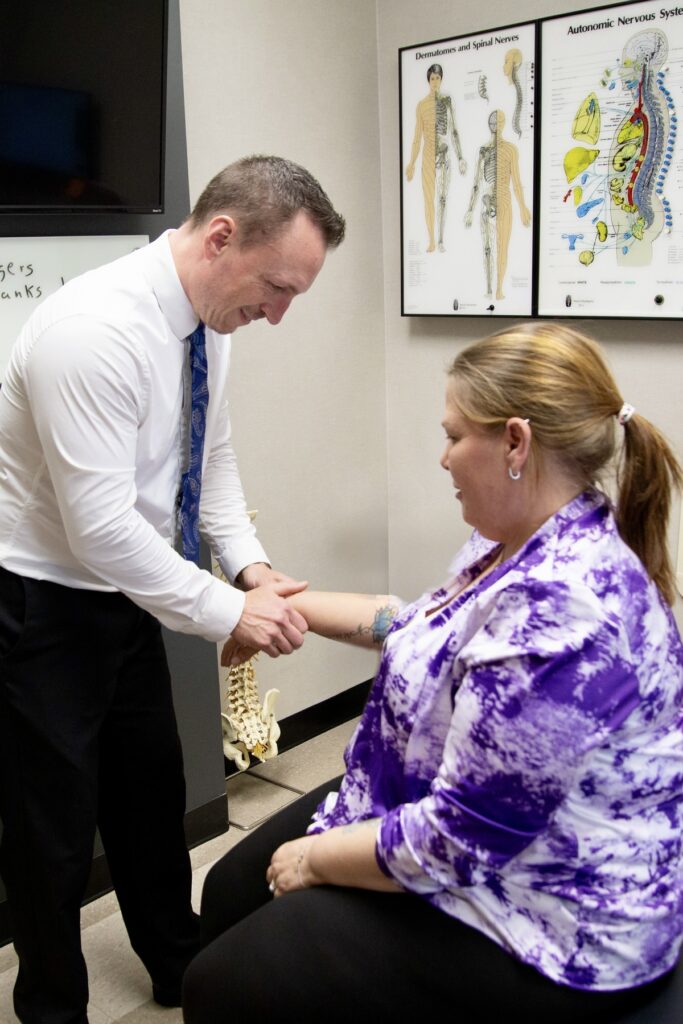
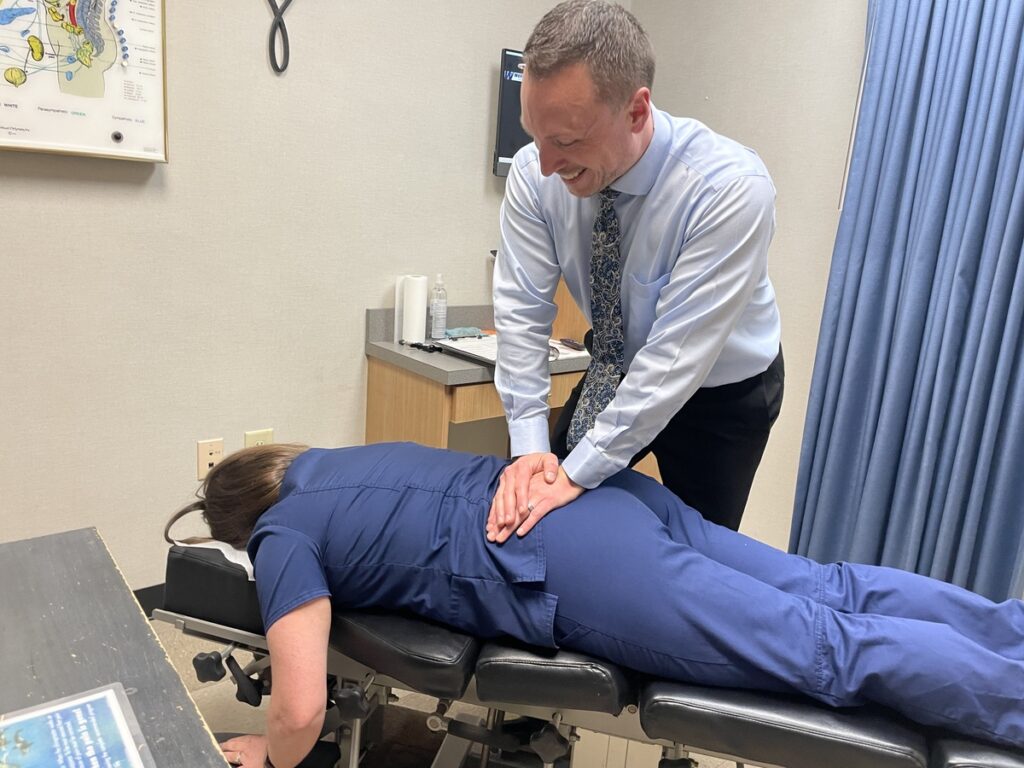
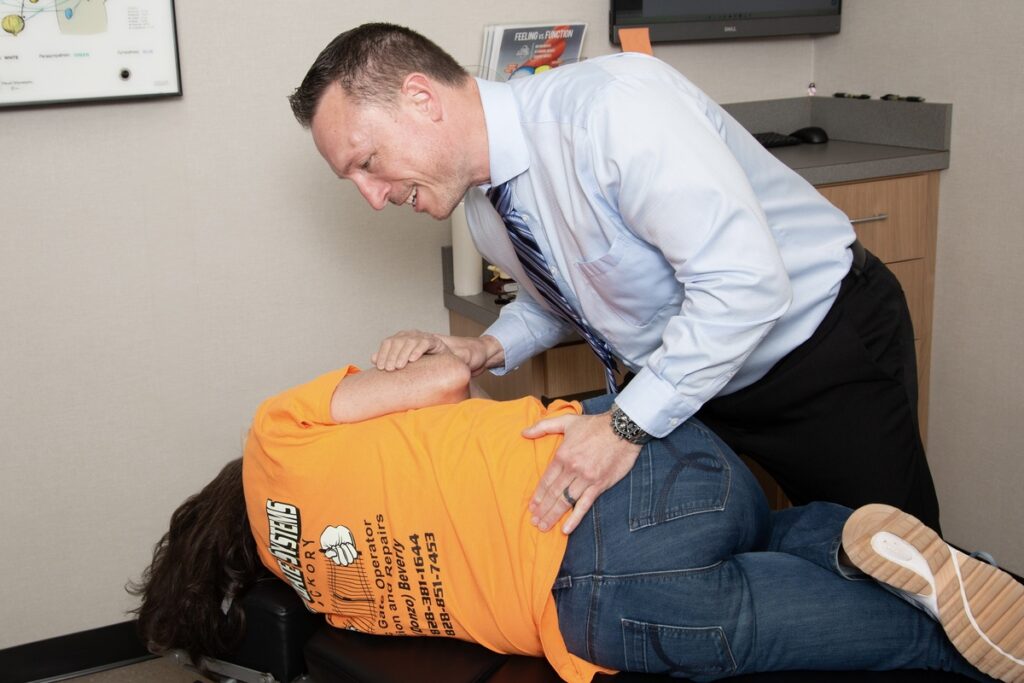
If you’re grappling with lower back pain, know that you’re not alone. Many individuals experience this discomfort, but the good news is that effective relief is within reach, often through a combination of self-care and the expertise of a chiropractor. It’s crucial to identify the underlying causes of your pain, as this understanding can guide you toward the most effective techniques for relief.
Chiropractic care stands out as a powerful approach to achieving optimal health and wellness. By focusing on spinal alignment and overall body balance, chiropractors can help alleviate pain and improve your quality of life. Here are some strategies to consider that can make a significant difference:
- Regular Chiropractic Adjustments: Getting regular adjustments can help restore proper alignment to your spine, relieving tension and pain in your lower back. A chiropractor can tailor a treatment plan specifically for you.
- Posture Awareness: Be mindful of your posture, especially when sitting for long periods. Use ergonomic chairs and take breaks to stretch, which can prevent strain on your back.
- Strengthening Exercises: Incorporate gentle core-strengthening exercises into your routine. Strong core muscles support your lower back, reducing pain and preventing future issues.
- Stretching: Simple stretches can help maintain flexibility in your spine and back muscles. Consider incorporating stretches like the cat-cow or child’s pose into your daily routine to ease tension.
- Heat and Cold Therapy: Applying heat or cold packs can provide immediate relief. Heat helps relax tight muscles, while cold therapy can reduce inflammation.
- Stay Active: Regular physical activity is essential for overall health and can keep your back strong. Low-impact activities such as walking, swimming, or yoga can be beneficial.
- Mind-Body Techniques: Practices like meditation and deep breathing can help manage pain and reduce stress, which can contribute to muscle tension.
Remember, finding relief from lower back pain is often a journey, and chiropractic care can be a key part of that path. By making some adjustments to your daily habits and incorporating these strategies, you may be surprised at how much better you feel. Always consult with your chiropractor for personalized advice and treatment options tailored to your specific needs. Your journey to a pain-free life starts here!
Key Takeaways
- Start by maintaining good posture throughout your day. Using ergonomic furniture can greatly reduce strain on your back and promote a healthier spine, making it easier to engage in daily activities without discomfort.
- Make it a habit to include regular stretching and core strengthening exercises in your routine. This not only enhances flexibility but also builds stability around your spine, which can help prevent pain and injuries.
- Consider using heat and cold therapy to soothe tight muscles and reduce inflammation. These simple methods can provide quick relief and support your body’s natural healing processes.
- Don’t underestimate the power of mindfulness practices like deep breathing and meditation. These techniques can help manage stress and tension, both of which can contribute to back pain. Taking time to relax can make a big difference in how your body feels.
- Regular chiropractic adjustments are a cornerstone of maintaining spinal health. They help keep your spine aligned and can address the root causes of discomfort. By prioritizing chiropractic care, you are making a proactive choice for your health and well-being.
By following these tips, you can take significant steps toward alleviating lower back pain and embracing a healthier lifestyle with the support of chiropractic care.
Understanding Lower Back Pain
When you experience lower back pain, it’s crucial to understand the potential causes and effects so you can find relief. Many factors can lead to this discomfort, such as muscle strain, poor posture, and injuries.
Over time, repetitive movements or heavy lifting can put significant strain on your lower back. You may also notice that stress and tension can worsen your pain, as they often lead to muscle tightness.
The impact of lower back pain goes beyond just physical discomfort. It can make daily activities challenging, impacting your productivity and overall quality of life.
Many people also struggle with sleep disturbances when dealing with lower back pain, which can leave you feeling fatigued and irritable.
Recognizing these causes and effects is essential for addressing your pain effectively. Chiropractic care is an excellent option to consider for natural relief.
By focusing on spinal health, chiropractors can help realign your spine, reduce muscle tension, and improve your overall function.
Here are some general tips to help manage your lower back pain and support your wellness journey:
- Maintain Good Posture: Be mindful of your posture, especially when sitting for long periods. Use ergonomic chairs and take breaks to stretch and move around.
- Stay Active: Engage in regular physical activity, such as walking, swimming, or yoga, to strengthen your back muscles and improve flexibility.
- Manage Stress: Incorporate stress-relief techniques like deep breathing, meditation, or gentle stretching to help reduce muscle tension.
- Use Heat or Cold Therapy: Applying heat or cold packs to the affected area can provide temporary relief for muscle tightness and inflammation.
- Stay Hydrated: Drinking plenty of water supports overall health and helps maintain the elasticity of your spinal discs.
Importance of Proper Diagnosis
Receiving a proper diagnosis is crucial for finding effective relief from lower back pain, and chiropractic care is the ideal path to achieving this.
Understanding the root cause of your discomfort allows us to tailor a treatment plan that focuses on natural healing and wellness. By utilizing specialized assessments, we can pinpoint the issues affecting your spine and overall health.
Chiropractic care emphasizes restoring balance and alignment to your spine, which can significantly ease pain and promote healing. Rather than relying on medications or surgeries, our approach encourages your body’s natural ability to heal itself.
Here are a few practical tips to help manage your lower back pain:
- Stay Active: Gentle exercises and stretches can strengthen your back and improve flexibility.
- Posture Matters: Pay attention to your posture when sitting or standing; proper alignment can alleviate strain on your back.
- Ergonomic Setup: If you work at a desk, ensure your workspace is set up to support your spine. Use a chair that promotes good posture.
- Listen to Your Body: If an activity causes pain, take a break and consult a chiropractor for tailored advice.
- Regular Adjustments: Consistent chiropractic adjustments can help maintain spinal health and prevent future issues.
Choosing chiropractic care is a proactive step toward optimal health and natural wellness. Together, we can work towards a pain-free life!
Identifying Pain Sources
Identifying the source of your lower back pain is crucial for finding effective relief, and chiropractic care can play a significant role in your healing journey. Understanding what’s causing your pain enables you to address the issue directly, paving the way for a healthier, pain-free life.
Here are some common sources of lower back pain to consider:
- Muscle Strain: Often caused by overexertion or improper lifting techniques, muscle strains can lead to discomfort. Chiropractic adjustments help realign your spine, reducing tension in the muscles and promoting healing.
- Herniated Discs: When discs in your spine bulge or rupture, they can press on nerves, causing pain. Chiropractic care can assist in alleviating this pressure through gentle adjustments and targeted therapies that restore balance to your spine.
- Arthritis: Inflammation in the spine can lead to stiffness and discomfort. A chiropractor can help improve your mobility and manage arthritis symptoms through specific adjustments and lifestyle strategies aimed at reducing inflammation.
- Skeletal Issues: Abnormalities in your spine’s structure may contribute to chronic pain. Chiropractic care focuses on correcting these misalignments, allowing your body to function at its best.
Recognizing these sources is the first step towards finding relief.
To support your journey to wellness, consider incorporating some of these tips into your daily routine:
- Practice good posture to reduce strain on your back.
- Engage in regular low-impact exercises, such as walking or swimming, to strengthen your back muscles.
- Use ergonomic furniture to support your spine while working or relaxing.
- Stay hydrated and maintain a balanced diet to promote overall health and healing.
Specialized Medical Assessments
Understanding the source of your lower back pain is just the beginning; specialized evaluations are essential for accurate diagnosis and effective treatment. These assessments can help identify underlying issues causing your discomfort, allowing for a more targeted approach to your care. At our chiropractic clinic, we believe in using natural methods to promote healing and wellness.
Here’s a quick overview of common assessments and how they can help you on your journey to recovery:
| Assessment Type | Purpose | Benefits |
|---|---|---|
| X-rays | Visualizing bone structure | Detect fractures or alignment issues that may be contributing to pain |
| MRI | Imaging soft tissues | Identify herniated discs or muscle damage, guiding your chiropractic treatment plan |
| CT Scan | Detailed cross-sectional images | Diagnose complex spinal issues, helping us understand your needs better |
| Physical Exam | Evaluating mobility and pain | Tailor treatment plans based on your specific needs and lifestyle |
As a chiropractor, I emphasize the importance of these assessments in creating a comprehensive treatment plan that aligns with your goals for health and wellness. By understanding your unique condition, we can implement targeted chiropractic adjustments and therapies that promote healing from within.
Remember, there are also general tips you can incorporate into your daily life to support your back health:
- Practice good posture: Whether sitting or standing, maintaining proper alignment can prevent strain on your back.
- Stay active: Gentle exercises, like walking or stretching, can help keep your spine healthy and flexible.
- Listen to your body: If something doesn’t feel right, don’t hesitate to reach out for professional help.
Taking these steps and prioritizing specialized assessments can lead to a more effective treatment plan and quicker relief. Choose chiropractic care as your path to natural wellness and optimal health!
Physical Therapy Techniques
When it comes to relieving lower back pain, chiropractic care stands out as a natural and effective option. By focusing on spinal health and alignment, we can’t only alleviate pain but also promote overall wellness. Strengthening your core muscles and incorporating gentle stretches can enhance your stability and flexibility, which are essential for a healthy back.
Chiropractic adjustments can help realign your spine, reducing tension and improving mobility. This approach addresses the root cause of your discomfort, rather than just masking the symptoms. It’s about nurturing your body’s natural ability to heal itself.
To further support your lower back health, consider these simple tips:
- Maintain Good Posture: Be mindful of your posture while sitting, standing, and walking. Proper alignment can reduce strain on your back.
- Stay Active: Engage in regular physical activity that you enjoy. This can boost your overall health and keep your back strong.
- Incorporate Stretching: Simple stretches can relieve tension and improve flexibility. Focus on your hamstrings, hip flexors, and lower back.
- Use Heat Therapy: Applying a warm compress can soothe tight muscles and promote circulation in the affected area.
- Listen to Your Body: Pay attention to how your body feels during different activities and adjust accordingly to avoid strain.
Strengthening Core Muscles
Strengthening your core muscles is vital not just for alleviating lower back pain, but also for enhancing your overall stability and supporting spinal health. A strong core acts as a natural brace for your spine, helping to prevent injuries and promoting better posture.
While chiropractic care plays a crucial role in maintaining optimal health, incorporating simple core-strengthening exercises into your routine can significantly benefit your well-being.
You don’t need fancy gym equipment to get started; there are effective exercises you can do right at home. Here are some techniques that can help you build a stronger core while complementing your chiropractic care:
- Planks: This exercise engages your entire core. Start by holding a plank position—keep your body straight and your core tight. Aim for 20-30 seconds to begin, gradually increasing the time as you get stronger.
- Bridges: Lying on your back with your knees bent, lift your hips towards the ceiling. This exercise not only strengthens your glutes and lower back but also helps stabilize your pelvis.
- Bird-Dogs: Get on all fours and extend one arm and the opposite leg simultaneously. This exercise challenges your balance and engages your core, making it an excellent stability builder.
- Dead Bugs: Lie on your back, arms extended above you, and knees bent at a 90-degree angle. Slowly lower one arm and the opposite leg towards the ground while keeping your core engaged, then return to the starting position and switch sides.
Incorporating these exercises into your daily routine can greatly enhance your core strength and reduce lower back pain. Remember, while these movements are beneficial, regular chiropractic adjustments can further support your spine’s health and function, ensuring you achieve your wellness goals naturally and effectively.
Prioritizing core strength, along with chiropractic care, sets you on the path to a healthier and pain-free life.
Stretching and Flexibility Exercises
Incorporating stretching and flexibility exercises into your daily routine can significantly enhance your lower back health and overall well-being. These exercises not only alleviate tension but also improve mobility and support your spine, which is crucial for maintaining optimal health.
Begin with gentle stretches such as the cat-cow pose or child’s pose. These movements are excellent for warming up your back and promoting blood flow, helping to prevent discomfort. Aim to hold each stretch for 15 to 30 seconds, as this can boost your flexibility and reduce stiffness over time.
Don’t forget to include stretches for your hamstrings and hip flexors. Tightness in these areas can often lead to lower back pain, so it’s essential to address them. Always pay attention to how your body feels; if a stretch causes pain, it’s important to ease off.
Regularly practicing these stretches can lead to significant improvements in your mobility, allowing you to move more freely and enjoy a pain-free life. Making stretching a daily habit can provide lasting benefits to your spinal health.
As a chiropractor, I encourage you to consider chiropractic care as a natural and effective way to achieve pain relief and enhance your overall wellness. A well-aligned spine is key to optimal health, and regular chiropractic adjustments, combined with these stretching exercises, can help you maintain a healthy, active lifestyle. Remember, your journey to better health starts with small, consistent steps!
Exercise and Strengthening Regimens
Engaging in targeted exercises can significantly alleviate lower back pain and enhance your overall strength, but it’s important to remember that chiropractic care is a key component in achieving optimal health.
By focusing on spinal alignment and function, chiropractic treatments can help address the root causes of discomfort and enhance your body’s natural healing abilities.
Incorporating a consistent exercise regimen alongside chiropractic care can stabilize your core, improve your posture, and reduce the risk of future pain.
Here are some effective exercises that you can try, which complement the benefits of chiropractic adjustments:
- Planks: These are excellent for strengthening your core, which provides essential support for your back.
- Bridges: This exercise engages your glutes and lower back, promoting stability and strength.
- Bird-Dogs: This movement improves balance and coordination while effectively targeting your back muscles.
- Knees-to-Chest Stretch: This gentle stretch helps alleviate tension and provides relief to your lower back.
Aim to incorporate these exercises into your routine a few times a week.
Start slow, listen to your body, and gradually increase the intensity as you gain strength.
Remember, consistency is key! Alongside your exercise routine, regular visits to your chiropractor can ensure your spine is properly aligned, enhancing the benefits of your efforts.
As you work towards relieving lower back pain and boosting your overall fitness, don’t hesitate to consult with your chiropractor.
They can provide personalized advice and ensure you’re performing these exercises correctly, maximizing your journey to natural wellness.
Together, you can create a comprehensive plan that promotes healing and helps you live a healthier, pain-free life.
The Role of Mindfulness and Relaxation
While exercise and chiropractic care are vital for managing lower back pain, incorporating mindfulness and relaxation techniques can significantly support your recovery journey. As a chiropractor, I emphasize the importance of being aware of your body and its sensations. Practicing mindfulness allows you to recognize tension and discomfort without judgment, helping to shift your focus away from pain and fostering a sense of calm.
In addition to chiropractic adjustments, using relaxation techniques like deep breathing and progressive muscle relaxation can further ease stress and tension in your back. When you take the time to consciously relax, you help your muscles release any tightness, which can lead to pain relief.
I encourage you to set aside a few moments each day for mindfulness or relaxation practices. This could be as simple as taking a few deep breaths, practicing gentle stretches, or enjoying a few minutes of quiet reflection. You might also consider guided meditations or yoga, which can enhance your overall well-being and complement your chiropractic care.
Ergonomic Adjustments for Daily Activities
To effectively manage lower back pain, making ergonomic adjustments in your daily activities is crucial. By optimizing your environment and habits, not only can you reduce strain on your back, but you can also promote comfort and overall wellness throughout your day. Here are some key adjustments to consider:
- Desk Setup: Ensure your chair offers proper lumbar support, which can help maintain the natural curve of your spine. Keep your feet flat on the floor to promote better posture while sitting.
- Lifting Techniques: Always bend at the knees instead of the waist and keep the object you’re lifting close to your body. This technique minimizes strain on your back and reduces the risk of injury.
- Screen Height: Position your computer screen at eye level. This prevents you from leaning forward or looking down, which can lead to discomfort over time. A proper setup encourages alignment and reduces stress on your spine.
- Movement Breaks: It’s important to take regular breaks to stand, stretch, and change positions. This helps alleviate tension and stiffness, making it easier to maintain a healthy spine. Simple stretches can reinvigorate your body and mind.
Incorporating these ergonomic changes into your daily routine can significantly enhance your comfort and help you manage lower back pain more effectively.
Remember, chiropractic care is an excellent option for achieving optimal health and wellness. Regular chiropractic adjustments can improve spinal alignment and reduce pain, leading to a more active and fulfilling life.
Prioritizing your spinal health is a vital step toward natural healing and overall well-being.
Alternative Therapies and Treatments
Exploring alternative therapies and treatments can be a game-changer in managing lower back pain, and chiropractic care stands out as one of the most effective options.
As a chiropractor, I believe that adjustments can realign your spine, which helps alleviate discomfort and promotes better overall health.
Incorporating techniques like acupuncture can also complement chiropractic care by relieving tension and enhancing blood flow, making it easier for you to move comfortably.
Additionally, practices such as yoga and Pilates can strengthen your core and improve flexibility, providing ongoing support for your back.
Don’t underestimate the power of massage therapy either.
It can help release tight muscles and foster relaxation, which is beneficial when combined with chiropractic adjustments.
If you’re interested in natural healing, consider adding herbal remedies and supplements like turmeric or omega-3 fatty acids to your routine for their anti-inflammatory benefits.
However, it’s important to remember to consult with your healthcare provider before starting any new treatments.
Here are a few general tips you can take away for supporting your back health:
- Maintain Good Posture: Whether sitting or standing, keep your spine aligned to reduce strain.
- Stay Active: Regular physical activity strengthens your back and improves flexibility.
- Listen to Your Body: If you’re feeling discomfort, don’t push through it—consider seeing a chiropractor.
- Stretch Daily: Simple stretching routines can help keep your muscles loose and flexible.
Developing a Long-Term Pain Management Plan
Creating a long-term pain management plan is crucial for enhancing your quality of life and reducing discomfort, especially when dealing with lower back pain. As a chiropractor, I believe that a holistic approach to health and wellness is key.
Here are some important components to consider in your pain management journey, emphasizing the benefits of chiropractic care:
- Regular Chiropractic Adjustments: Regular visits to your chiropractor can help realign your spine, reduce pain, and improve mobility. This hands-on treatment addresses the root cause of pain rather than just masking symptoms.
- Low-Impact Exercise: Engaging in low-impact activities like walking, swimming, or yoga can strengthen your back and boost flexibility. Your chiropractor can recommend specific exercises tailored to your needs that not only alleviate pain but also promote overall wellness.
- Nutrient-Rich Diet: A healthy diet rich in anti-inflammatory foods such as fruits, vegetables, nuts, and whole grains can support your body’s natural healing processes. Proper nutrition plays a vital role in maintaining a healthy spine.
- Stress Management Techniques: Stress can worsen pain, so incorporating relaxation methods like meditation or deep breathing can be incredibly beneficial. Your chiropractor can guide you on how to integrate these practices into your daily routine to promote a calmer mind and body.
- Consistent Check-Ins with Your Chiropractor: Regular appointments allow for ongoing assessments of your condition. Your chiropractor can adjust your treatment plan as needed, ensuring you stay on track toward optimal health.
Remember, living with lower back pain doesn’t have to be your reality. By focusing on natural healing through chiropractic care and making some lifestyle changes, you can enhance your daily functioning and overall quality of life.
If you’re ready to take control of your pain, I encourage you to explore the benefits of chiropractic care for a healthier, happier you!
Conclusion
Finding relief from lower back pain is absolutely achievable, especially when you incorporate chiropractic care into your journey towards wellness. As a local chiropractor, I can assure you that a holistic approach combining self-care strategies with professional guidance is key.
Start by focusing on your posture; maintaining a neutral spine can prevent unnecessary strain on your back. Engaging in core-strengthening exercises is also essential, as a strong core provides support to your spine and helps alleviate discomfort. Incorporating gentle stretches into your daily routine can enhance flexibility and reduce tension in your back muscles.
Mindfulness is another valuable tool; practicing relaxation techniques can help you manage pain perception and stress levels. Additionally, making ergonomic adjustments in your workspace and daily activities can significantly reduce strain on your back.
Remember, chiropractic care is not just about relief from pain, but also about achieving long-term health. With a personalized plan tailored to your needs, consistent chiropractic adjustments can help restore your spine’s natural alignment and promote overall wellness. Take that first step toward a healthier, more active life today—your back will thank you!