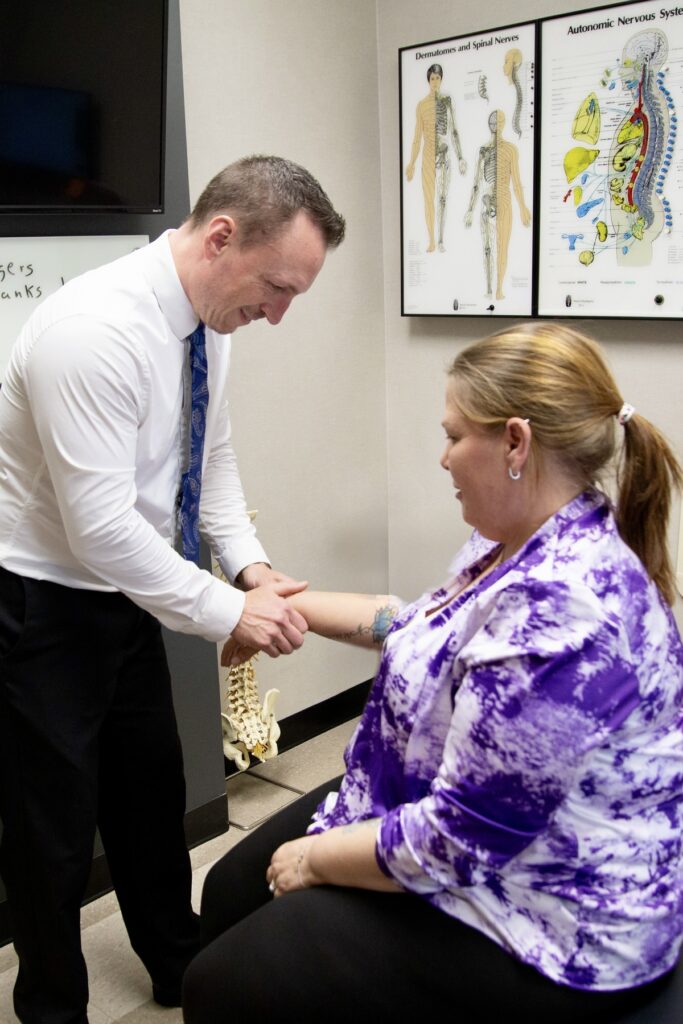
Living with fibromyalgia can be challenging, but finding relief is not just a dream—it’s possible with the right approach. As a chiropractor, I want to emphasize the importance of natural healing and the role chiropractic care plays in managing fibromyalgia symptoms. This journey requires patience and a personalized strategy, focusing on holistic methods to promote wellness.
Chiropractic care is an excellent choice for those seeking pain relief and a healthier lifestyle. By addressing spinal alignment and nervous system function, chiropractic adjustments can help alleviate pain, improve sleep, and enhance overall well-being. Regular chiropractic visits can lead to significant improvements in how you feel day-to-day.
In addition to chiropractic care, consider incorporating gentle stretching and exercise into your routine. Activities like yoga or walking can help ease muscle tension and increase flexibility. Eating a balanced diet filled with whole foods can also contribute to your healing journey. Staying hydrated and managing stress through mindfulness practices can further support your health.
Emotional support is crucial, so don’t hesitate to connect with others who understand your journey. Building relationships can provide motivation and encouragement as you explore different strategies for managing fibromyalgia.
Remember, the path to relief may lead you to unexpected insights and renewed hope. With chiropractic care as a central part of your wellness plan, you can take significant steps toward managing your condition naturally and effectively.
Key Takeaways
- Accurate diagnosis is essential for effective treatment and helps you communicate more effectively with your healthcare providers about your fibromyalgia symptoms. Understanding your condition can empower you to explore natural avenues for relief, like chiropractic care.
- Chiropractic care provides a safe and natural approach to managing pain. By focusing on spinal health, chiropractic adjustments can help alleviate discomfort associated with fibromyalgia, enhance your overall wellness, and support your body’s innate healing abilities.
- Incorporating gentle exercises such as yoga, stretching, and walking into your daily routine can significantly reduce muscle tension and improve your flexibility. These activities promote a balanced lifestyle, making it easier to manage your symptoms and maintain a sense of well-being.
- Practicing mindfulness techniques, including deep breathing and meditation, can greatly reduce stress and improve your emotional health. These practices are crucial for anyone dealing with fibromyalgia, as they can help you cultivate a calmer mindset and better cope with daily challenges.
- Establishing a consistent sleep routine is vital for managing fibromyalgia. Pairing this with relaxation techniques, such as gentle stretching or calming breathing exercises before bed, can significantly enhance your sleep quality. Better rest leads to decreased fatigue and improved daily functioning, allowing you to tackle each day with more energy.
By focusing on natural healing methods like chiropractic care and adopting these healthy habits, you can take charge of your fibromyalgia and work towards a more comfortable, fulfilling life.
Understanding Fibromyalgia: What It Is and How It Affects You
Fibromyalgia is more than just a buzzword; it’s a complex condition that affects millions of people. Many individuals struggle with widespread pain, fatigue, and cognitive issues that can disrupt daily life. Understanding fibromyalgia is essential for managing its impact effectively. This syndrome doesn’t only manifest physically; it also influences emotional and mental well-being. You may find that even simple activities can feel overwhelming due to heightened sensitivity to pain.
As a chiropractor, I want to emphasize the importance of listening to your body’s signals. You might notice that stress, lack of sleep, or changes in weather can exacerbate your symptoms. It’s crucial to recognize that you’re not alone on this journey. Many have walked similar paths, seeking answers and relief.
One of the best ways to empower yourself is through education about fibromyalgia and how chiropractic care can be a natural and effective solution for pain relief. Chiropractic adjustments can help align your spine, which may alleviate some of the discomfort associated with fibromyalgia. By improving spinal function, you can enhance your overall well-being and reduce pain levels naturally.
Here are some general tips to help you manage fibromyalgia symptoms:
- Stay Active: Engage in gentle exercises like walking, swimming, or yoga. Physical activity can help reduce pain and improve mood.
- Manage Stress: Incorporate relaxation techniques, such as deep breathing, meditation, or mindfulness, into your daily routine to help lower stress levels.
- Prioritize Sleep: Establish a regular sleep schedule and create a calming bedtime routine to improve sleep quality.
- Stay Hydrated and Eat Well: Focus on a balanced diet rich in whole foods, fruits, and vegetables, while staying hydrated to support your body’s functions.
- Consider Chiropractic Care: Regular chiropractic adjustments can help improve your spinal health, reduce tension, and promote overall wellness.
Common Symptoms and Their Impact on Daily Life
Living with fibromyalgia can be a challenging journey, as it often brings a host of physical symptoms, including widespread pain and fatigue, which can significantly disrupt your daily routine.
Additionally, emotional effects like anxiety and depression can exacerbate these challenges.
However, understanding these symptoms is crucial for managing their impact and improving your quality of life.
One of the most effective ways to address these symptoms is through chiropractic care.
By focusing on spinal health and alignment, chiropractic adjustments can help alleviate pain, improve mobility, and reduce tension throughout your body.
This natural approach not only targets physical discomfort but also promotes overall wellness, which can help mitigate feelings of anxiety and depression.
Here are some practical tips to enhance your well-being while managing fibromyalgia:
- Stay Active: Gentle exercises, such as walking, stretching, or yoga, can help improve flexibility and reduce stiffness. Always listen to your body and start slow.
- Prioritize Sleep: Quality sleep is vital for recovery. Establish a calming bedtime routine and create a sleep-friendly environment to help improve your rest.
- Hydrate: Staying hydrated can support your overall health and help reduce fatigue. Aim to drink plenty of water throughout the day.
- Nutrition Matters: A balanced diet rich in whole foods, including fruits, vegetables, lean proteins, and healthy fats, can provide the nutrients your body needs to function optimally.
- Regular Chiropractic Visits: Incorporating regular chiropractic care into your routine can help manage pain and improve your body’s overall function. Your chiropractor can guide you on specific techniques and exercises tailored to your needs.
- Mind-Body Practices: Techniques such as mindfulness, meditation, or deep-breathing exercises can help reduce stress and promote relaxation, making it easier to cope with fibromyalgia symptoms.
By embracing these strategies and incorporating chiropractic care into your wellness routine, you can take proactive steps toward managing fibromyalgia and enhancing your overall health.
Physical Symptoms Overview
While many people may not fully understand fibromyalgia, its physical symptoms can significantly impact daily life. You might experience widespread pain, fatigue, and sleep disturbances that can make even simple tasks feel overwhelming.
These symptoms often leave you feeling like you haven’t rested at all, especially when muscle stiffness greets you in the morning. Headaches or migraines can further disrupt your focus and productivity, while digestive issues might add to your discomfort.
These challenges can lead to a cycle of frustration, limiting your ability to engage in activities you once enjoyed. However, managing these physical symptoms through chiropractic care can be a transformative step toward reclaiming your daily life and finding relief from fibromyalgia’s relentless grip.
Chiropractic care focuses on the spine and nervous system, helping to restore balance and function to your body. Regular adjustments can alleviate pain, improve sleep quality, and enhance overall well-being. Here are some tips to consider:
- Stay Active: Gentle exercises, like walking or stretching, can help reduce stiffness and improve circulation.
- Prioritize Sleep: Create a calming bedtime routine to encourage restful sleep, which is crucial for recovery.
- Mindful Eating: Opt for a balanced diet rich in whole foods to support digestion and overall health.
- Stay Hydrated: Drinking plenty of water can help with fatigue and support your body’s natural processes.
- Stress Management: Incorporate relaxation techniques such as deep breathing, meditation, or yoga into your daily routine.
Recognizing these symptoms and understanding the benefits of chiropractic care is the first step toward effective management and improved quality of life. Embrace the journey to optimal health through natural healing methods and take control of your wellness today!
Emotional Effects Explored
Living with fibromyalgia can be challenging, not just physically but emotionally as well. The persistent discomfort can lead to feelings of frustration, anxiety, and even depression. It’s common to struggle with motivation and lose interest in activities that once brought you joy. Daily tasks may start to feel overwhelming, which can add to your stress levels. You might also find that social interactions become more difficult, as you worry about how your symptoms could impact your time with friends and family.
It’s important to recognize the emotional toll that fibromyalgia can take, as your mental health plays a crucial role in your overall well-being. One way to manage these emotional effects is through chiropractic care. By focusing on spinal alignment and overall body wellness, chiropractic treatments can help alleviate some of the physical discomfort associated with fibromyalgia, potentially easing emotional strain as well.
Additionally, here are some tips to help you navigate the emotional challenges of fibromyalgia:
- Stay Active: Gentle exercises, such as stretching or walking, can be beneficial. Movement helps release endorphins, which can uplift your mood.
- Practice Mindfulness: Techniques like meditation or yoga can help you manage stress and anxiety. These practices encourage relaxation and can improve your emotional resilience.
- Seek Support: Connecting with others who understand your experiences can help reduce feelings of isolation. Consider joining support groups or talking to friends who can listen.
- Maintain a Routine: Establishing a daily routine can create a sense of normalcy and control, helping you manage both physical and emotional challenges.
- Communicate Openly: Don’t hesitate to share your feelings with loved ones. Open communication can lead to better understanding and support from those around you.
The Role of Diagnosis in Fibromyalgia Management
Accurate diagnosis is crucial for effectively managing fibromyalgia, as it lays the groundwork for a successful treatment plan. However, diagnosing fibromyalgia can be quite complex due to its overlapping symptoms with other disorders. This is where understanding the condition becomes vital, as it can significantly influence your approach to care and enhance your overall quality of life.
As a chiropractor, I believe that natural healing through spinal care can greatly support those dealing with fibromyalgia. Chiropractic adjustments can help alleviate pain and improve function by ensuring that your spine is aligned and your nervous system is functioning optimally. This approach not only addresses pain relief but also promotes overall wellness.
Here are some general tips to consider for managing fibromyalgia and improving your health:
- Regular Chiropractic Care: Regular visits to your chiropractor can help reduce pain and stiffness by improving spinal alignment and enhancing nervous system function.
- Stay Active: Gentle exercises, such as stretching or yoga, can help improve flexibility and reduce muscle tension. Always consult with your chiropractor to find the right exercise routine for you.
- Mindfulness and Relaxation: Practicing mindfulness techniques, such as meditation or deep breathing, can help reduce stress and improve your overall well-being.
- Healthy Nutrition: Eating a balanced diet rich in whole foods can provide your body with the nutrients it needs to support healing and overall health.
- Sleep Hygiene: Maintaining good sleep habits is essential, as restorative sleep can significantly impact your pain levels and energy.
By focusing on these natural approaches and making chiropractic care a key part of your fibromyalgia management, you can take significant steps toward achieving optimal health and improving your quality of life.
Importance of Accurate Diagnosis
Understanding the importance of an accurate diagnosis in managing fibromyalgia is crucial, as it lays the groundwork for effective treatment and lasting relief. When you receive the right diagnosis, you can explore holistic therapies and lifestyle changes that cater specifically to your needs. This clarity helps you avoid the frustration of trial and error, allowing you to focus on what truly works for you.
Chiropractic care is a fantastic option for those dealing with fibromyalgia. By addressing spinal alignment and promoting overall wellness, chiropractic adjustments can help alleviate pain and improve your quality of life naturally. This approach encourages your body’s innate healing abilities, supporting you on your journey toward better health without relying on medications or invasive procedures.
In addition to chiropractic care, consider incorporating gentle exercises, stress management techniques, and a balanced diet into your routine. These lifestyle changes can greatly enhance your well-being and complement the benefits of chiropractic adjustments.
Don’t forget the power of community—connecting with support networks can provide encouragement and resources to empower you in your health journey. Always advocate for yourself and communicate openly with your chiropractor. Together, you can ensure you have the clarity and support needed to move forward confidently in your care. Remember, achieving optimal health is a collaborative effort, and chiropractic care can be a vital part of your path to wellness.
Challenges in Fibromyalgia Diagnosis
Navigating the complexities of fibromyalgia can be overwhelming for many individuals. If you’re experiencing a variety of symptoms, it can be frustrating when the diagnostic process isn’t straightforward. Often, symptoms of fibromyalgia overlap with those of other conditions, which can make it difficult for healthcare providers to accurately identify fibromyalgia. This uncertainty can lead to delays in receiving the care you need, leaving you feeling confused and disheartened.
One of the unique challenges of fibromyalgia is the absence of definitive tests to confirm the diagnosis. Instead, healthcare providers often rely on your personal experiences, symptoms, and medical history, which can sometimes feel subjective. It’s not uncommon to encounter skepticism from some practitioners regarding the legitimacy of fibromyalgia, adding to the emotional strain of your experience.
However, understanding these challenges can empower you in your journey toward relief and wellness. As a chiropractor, I want to emphasize the importance of natural healing and holistic care in managing fibromyalgia symptoms. Chiropractic care focuses on optimizing your body’s function through spinal health, which can play a significant role in alleviating pain and enhancing overall well-being.
Here are some tips to consider as you navigate your health journey:
- Stay Informed: Educate yourself about fibromyalgia and its symptoms. Knowledge is power, and understanding your condition can help you communicate better with your healthcare provider.
- Focus on Spinal Health: Regular chiropractic adjustments can help align your spine, improve nerve function, and reduce pain. Consider incorporating chiropractic care into your routine as a natural approach to managing symptoms.
- Engage in Gentle Exercise: Low-impact activities like walking, swimming, or yoga can help improve flexibility and reduce stiffness. Movement is essential for maintaining overall health.
- Practice Stress Management: Stress can exacerbate fibromyalgia symptoms. Mindfulness techniques such as meditation, deep breathing, or gentle stretching can help reduce stress levels.
- Prioritize Sleep: Quality sleep is crucial for recovery and symptom management. Establish a relaxing bedtime routine and aim for consistent sleep patterns to improve your rest.
- Nutrition Matters: A balanced diet rich in whole foods can support your overall health. Consider foods that reduce inflammation and provide essential nutrients to your body.
- Stay Connected: Don’t hesitate to seek support from friends, family, or support groups. Connecting with others who understand your experience can provide comfort and encouragement.
Impact on Treatment Plans
The way fibromyalgia is diagnosed can greatly influence your treatment plan and overall approach to wellness. An accurate diagnosis helps you and your chiropractor identify your symptoms, triggers, and the most effective natural healing strategies. Once you have a clear understanding of your condition, you can explore various options that align with your needs, focusing on holistic methods that promote your body’s natural ability to heal.
Your treatment plan may encompass chiropractic adjustments, which can help alleviate pain, improve mobility, and enhance your overall well-being. Additionally, incorporating gentle exercise routines and stress reduction techniques, such as mindfulness or yoga, can further support your journey to health.
Regular visits to your chiropractor allow for ongoing assessments, enabling them to adjust your treatment based on how your body responds. This collaborative approach not only empowers you but also fosters open communication, ensuring you remain actively involved in your path to relief and a better quality of life.
Traditional Medical Treatments: Medications and Therapies
Navigating the challenges of fibromyalgia can be overwhelming, but there are natural approaches to help manage your symptoms effectively. While many people turn to traditional medical treatments like medications, I want to share how chiropractic care can provide a holistic and drug-free path to relief.
Chiropractic adjustments focus on aligning the spine and improving nervous system function. This can lead to reduced pain and enhanced overall wellness. By addressing the root causes of discomfort, chiropractic care can help alleviate the symptoms associated with fibromyalgia without the need for pain relievers or antidepressants.
In addition to chiropractic adjustments, incorporating gentle exercises, such as stretching or yoga, can be beneficial. These activities promote flexibility and help reduce tension in the muscles. Remember to start slowly and listen to your body—finding a rhythm that works for you is key.
Consider integrating relaxation techniques, such as deep breathing or meditation, into your daily routine. These practices can help manage stress, which is crucial since stress can often exacerbate fibromyalgia symptoms. A balanced diet rich in whole foods can also support your body’s healing processes and contribute to overall well-being.
It’s essential to work hand-in-hand with your chiropractor to create a personalized wellness plan that focuses on your unique needs. Together, you can explore the most effective strategies to navigate your fibromyalgia journey naturally, helping you to achieve a better quality of life. Embrace the power of chiropractic care and take proactive steps towards a healthier, pain-free future!
Alternative Therapies: Exploring Non-Traditional Options
When managing fibromyalgia, it’s essential to consider how chiropractic care can provide significant relief and support your overall well-being. Chiropractic adjustments focus on aligning your spine and optimizing your nervous system, which can help alleviate pain and improve function.
While some people explore alternative therapies like acupuncture or herbal remedies, chiropractic care is a proven, natural approach that targets the root causes of discomfort. Regular chiropractic adjustments can reduce tension, enhance mobility, and promote better overall health without the need for medications or invasive procedures.
In addition to chiropractic care, here are some general tips for managing fibromyalgia and promoting natural wellness:
- Stay Active: Gentle exercises like walking, swimming, or yoga can help improve flexibility and reduce pain.
- Practice Good Posture: Maintaining proper posture while sitting, standing, and sleeping can relieve stress on your spine and reduce discomfort.
- Manage Stress: Incorporating relaxation techniques such as deep breathing, meditation, or mindfulness can help lower stress levels, which may contribute to pain.
- Prioritize Sleep: Establish a consistent sleep routine to ensure you get restorative rest, which is crucial for managing fibromyalgia symptoms.
- Stay Hydrated and Eat Well: A balanced diet rich in whole foods and plenty of water can support your body’s natural healing processes.
Chiropractic care, combined with these lifestyle adjustments, can lead you toward a healthier, more vibrant life while effectively managing fibromyalgia. Remember, your journey to optimal health is a partnership, and I’m here to support you every step of the way.
Acupuncture and Fibromyalgia Relief
Are you struggling with the persistent pain of fibromyalgia? While acupuncture may be one option for relief, I want to emphasize the incredible benefits of chiropractic care as a natural and effective solution for your pain management and overall wellness.
Chiropractic care focuses on the alignment of your spine and the health of your nervous system, which plays a crucial role in how your body functions. By ensuring that your spine is properly aligned, you can help reduce pain, improve your body’s ability to heal, and enhance your overall quality of life.
Many individuals with fibromyalgia have found significant relief through chiropractic adjustments, which can promote better sleep, decrease muscle tension, and improve energy levels.
In addition to regular chiropractic adjustments, here are some simple tips to help manage fibromyalgia symptoms and promote a healthier lifestyle:
- Stay Active: Gentle exercises like walking, swimming, or yoga can help keep your body moving and alleviate stiffness. Consult with your chiropractor about the best exercise plan for your condition.
- Practice Good Posture: Maintaining proper posture throughout the day can reduce unnecessary strain on your spine and muscles. Be mindful of your posture while sitting, standing, or lifting.
- Manage Stress: Stress can exacerbate fibromyalgia symptoms. Consider incorporating mindfulness practices like meditation or deep-breathing exercises into your daily routine.
- Stay Hydrated: Drinking plenty of water is essential for overall health and can help reduce fatigue and muscle pain.
- Prioritize Sleep: A regular sleep schedule and a calming bedtime routine can improve sleep quality, which is crucial for managing fibromyalgia symptoms.
Remember, chiropractic care is focused on promoting natural healing and wellness without the need for medications or invasive procedures. If you’re looking for a holistic approach to managing your fibromyalgia, consider visiting a chiropractor who can tailor a treatment plan specifically for you.
Your journey to optimal health starts with a healthy spine!
Herbal Remedies for Pain
Many individuals dealing with fibromyalgia pain often seek holistic approaches to find relief, and incorporating chiropractic care into your wellness routine can be an excellent choice. Chiropractic adjustments focus on aligning the spine, which can help improve nerve function and reduce pain throughout the body. By addressing spinal health, you may experience a decrease in fibromyalgia symptoms and an overall enhancement in your well-being.
In addition to chiropractic care, certain herbs can complement your journey towards natural healing. Turmeric is a well-known herb with anti-inflammatory properties that may help ease discomfort, while ginger can alleviate muscle soreness. It’s essential to explore these options as part of a comprehensive wellness plan.
Consider the benefits of relaxation techniques as well. Practices such as gentle stretching or yoga can work wonders for stress relief and flexibility, which are crucial for fibromyalgia management. You might also find that calming herbal teas—or even the soothing effects of valerian root or passionflower—can support better sleep and relaxation, making your recovery process smoother.
The Importance of Lifestyle Changes and Self-Care
Embracing lifestyle changes and prioritizing self-care can significantly enhance your experience with fibromyalgia, especially when paired with chiropractic care. Small adjustments in your daily routine can lead to notable relief, allowing you to better manage symptoms and elevate your overall well-being.
- Chiropractic Care: Regular visits to a chiropractor can help align your spine, improve mobility, and reduce pain. This natural approach promotes healing and supports your body’s ability to function optimally.
- Regular Exercise: Incorporating gentle activities like yoga or walking not only helps in reducing pain but also uplifts your mood. Movement is crucial for maintaining a healthy spine and overall body function.
- Balanced Diet: Focus on whole foods and staying hydrated to minimize inflammation and boost your energy levels. A nutritious diet complements the benefits of chiropractic care by supporting your body’s natural healing processes.
- Sleep Hygiene: Establishing a calming bedtime routine and ensuring you get enough sleep can greatly aid in pain management. Quality sleep is essential for recovery and can enhance the effects of chiropractic adjustments.
These lifestyle changes might feel overwhelming at first, but taking small steps can lead to remarkable results. Listen to your body, and don’t hesitate to find what works best for you.
Prioritizing your health isn’t just a choice; it’s crucial on your journey to finding relief. With the support of chiropractic care, you can achieve a balanced life and enjoy a greater sense of well-being.
Emotional and Mental Health Support
Managing fibromyalgia isn’t only about addressing physical discomfort; your emotional and mental well-being are crucial components of your overall health journey. Persistent pain, fatigue, and the unpredictability of symptoms can often lead to feelings of anxiety and depression. It’s important to recognize these emotions and not bottle them up.
Chiropractic care can play a vital role in enhancing your overall wellness. By focusing on spinal health and alignment, chiropractic adjustments can help alleviate pain and improve your body’s function, which may lead to a decrease in stress and anxiety levels. When your body feels better, your mind often follows.
In addition to chiropractic treatments, consider incorporating mindfulness practices into your routine. Simple techniques like meditation or deep breathing exercises can help reduce stress and build emotional resilience. Journaling can also serve as an excellent outlet. Writing down your thoughts and feelings not only provides a space for reflection but can also help you track your progress and insights.
Remember, it’s perfectly okay to seek out support when you need it. A chiropractor can offer guidance on managing the emotional aspects of chronic pain and help you develop strategies tailored to your lifestyle. Prioritizing your mental health is just as essential as managing physical symptoms, and both aspects work together toward achieving optimal wellness.
Building a Support Network: Connecting With Others
Building a strong support network can be a transformative part of your journey with fibromyalgia, especially when paired with chiropractic care. Connecting with others who share similar experiences not only offers emotional support but can also lead to practical advice on managing pain and enhancing overall wellness. Whether it’s through friends, family, or local support groups, having a community to lean on can significantly lighten your burdens.
- Share Your Story: Open up about your experiences with fibromyalgia. This sharing fosters understanding and empathy, paving the way for deeper connections with others who may face similar challenges.
- Exchange Tips: Engage with your support network to learn valuable coping strategies. Discovering new methods to manage symptoms, such as gentle stretching or posture improvement through chiropractic care, can lead to a more comfortable daily life.
- Encourage Each Other: Knowing that others are navigating similar journeys can be a tremendous source of motivation. Support each other by celebrating small victories and offering encouragement during tough times.
In addition to nurturing these connections, consider incorporating chiropractic care into your wellness routine. Chiropractic adjustments can help alleviate pain, improve mobility, and promote natural healing. This holistic approach not only targets the root causes of discomfort but also supports your overall health and well-being.
Don’t hesitate to reach out and cultivate these important connections. Building a supportive community is essential for navigating the ups and downs of living with fibromyalgia. Together, you can share strength and resilience, while also exploring the benefits of chiropractic care to enhance your journey toward optimal health.
Personal Stories: Triumphs and Challenges in Fibromyalgia Care
Navigating the journey of fibromyalgia can be filled with both triumphs and challenges, especially when it comes to finding effective pain relief and achieving optimal wellness. As a local chiropractor, I want to share insights that may help you on this path. While it’s important to recognize the small victories, such as discovering methods to ease your discomfort, it’s equally normal to encounter setbacks along the way.
Here’s a look at personal experiences from those on this journey, along with how chiropractic care can play a vital role:
| Triumphs | Challenges | Lessons Learned |
|---|---|---|
| Finding a chiropractor who understands fibromyalgia | Misunderstandings about symptoms | The importance of being your own advocate |
| Connecting with a supportive community | Dealing with unexpected flare-ups | Staying flexible with your health strategies |
| Discovering natural pain relief techniques | Balancing work with self-care | Prioritizing your health and wellness |
These stories highlight that you are not alone in your experience. Chiropractic care can be a powerful ally in managing fibromyalgia symptoms. It focuses on natural healing and can help reduce pain, improve mobility, and enhance your overall quality of life.
Practical Tips for Your Journey:
- Consult a Chiropractor: Regular adjustments can help align your spine, reduce tension, and may alleviate pain associated with fibromyalgia.
- Stay Active: Gentle exercises like stretching, yoga, or walking can improve flexibility and reduce flare-ups.
- Listen to Your Body: Pay attention to how your body responds to different activities and treatments; adjust your routine accordingly.
- Practice Self-Care: Prioritize rest, relaxation, and activities that bring you joy. This can help manage stress and improve your overall well-being.
- Seek Support: Surround yourself with a community that understands your journey. Sharing experiences can provide emotional support and helpful insights.
Embracing both the triumphs and challenges can lead to valuable insights and a stronger sense of belonging in your fibromyalgia journey. Remember, chiropractic care is here to support you in achieving natural wellness and pain relief.
Looking Ahead: Research and Future Directions in Treatment
As new research emerges, it’s becoming increasingly clear that innovative treatment options for fibromyalgia are on the horizon. Exciting advancements in understanding the condition promise to offer more effective relief strategies, and one of the best paths to explore is chiropractic care.
Chiropractic care focuses on the relationship between your spine and nervous system, helping to restore balance and function to your body. Here’s how it can play a role in managing fibromyalgia symptoms:
- Neurobiology Insights: Studies are uncovering how the brain processes pain, and chiropractic adjustments can help improve how your nervous system communicates, potentially reducing pain perception.
- Personalized Care: Chiropractors take a tailored approach to your treatment. By assessing your unique spinal alignment and overall health, we can design a specific plan that fits your needs, enhancing your journey towards wellness.
- Holistic Approaches: Chiropractic care often combines spinal adjustments with lifestyle advice, nutritional guidance, and stress management techniques. Practices like mindfulness and gentle stretching can complement your treatment and improve your quality of life.
These developments signify a shift in how fibromyalgia care can be approached, and chiropractic care stands out as a natural, non-invasive option to help you feel better. Staying informed about your health and engaging in regular chiropractic sessions can empower you on your journey to relief and optimal wellness.
Conclusion
Your journey through fibromyalgia can certainly feel overwhelming, but it’s important to know that relief is achievable, especially through chiropractic care. By focusing on self-care and the natural healing benefits of chiropractic treatment, you can alleviate pain and improve your overall wellness.
Chiropractic care is centered on spinal health, which plays a crucial role in how your body functions. Regular adjustments can help restore proper alignment in your spine, reducing nerve interference and allowing your body to heal itself more effectively. This can lead to decreased pain levels and increased mobility, making it easier to tackle your daily activities.
In addition to chiropractic adjustments, consider incorporating gentle stretches and low-impact exercises into your routine. This can help enhance flexibility and strengthen the muscles that support your spine. Staying hydrated and maintaining a balanced diet rich in anti-inflammatory foods can also contribute to your overall health.
Don’t hesitate to lean on your support network, whether that means friends, family, or fellow fibromyalgia warriors who understand your struggles. Sharing your experiences can foster emotional resilience and provide encouragement on tough days.
Remember to celebrate the small victories along the way. Each step you take towards managing your symptoms is a testament to your strength. By prioritizing chiropractic care and embracing a holistic approach to wellness, you can navigate your fibromyalgia journey with greater ease and optimism for a brighter future.