If you’re living with fibromyalgia, finding relief can feel like a daunting task. But don’t worry, there are proactive steps you can take to ease your symptoms naturally. As a local chiropractor, I want to share three effective strategies that can make a real difference in managing your pain and enhancing your overall well-being: gentle exercise, dietary adjustments, and mindfulness practices.
- Gentle Exercise: Engaging in low-impact activities, such as walking, swimming, or yoga, can help improve your mobility and reduce pain. These exercises promote blood flow and release endorphins, which are natural pain relievers. Plus, regular movement can help alleviate stiffness and improve your mood.
- Dietary Adjustments: Nutrition plays a crucial role in your health. Consider incorporating anti-inflammatory foods like fruits, vegetables, nuts, and whole grains into your diet. Staying hydrated and reducing processed foods can also support your body’s healing processes. As a chiropractor, I often see how proper nutrition can positively impact overall health and wellness.
- Mindfulness Practices: Stress can exacerbate fibromyalgia symptoms, so it’s essential to find ways to relax and center yourself. Techniques such as deep breathing, meditation, or gentle stretching can help calm your mind and reduce tension in your body.
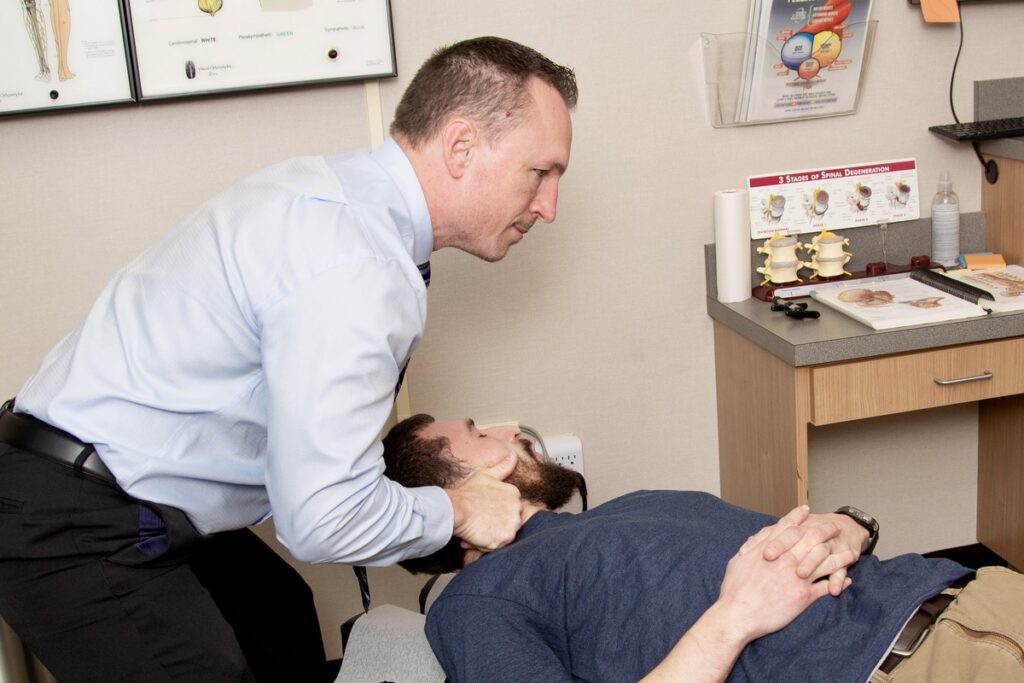
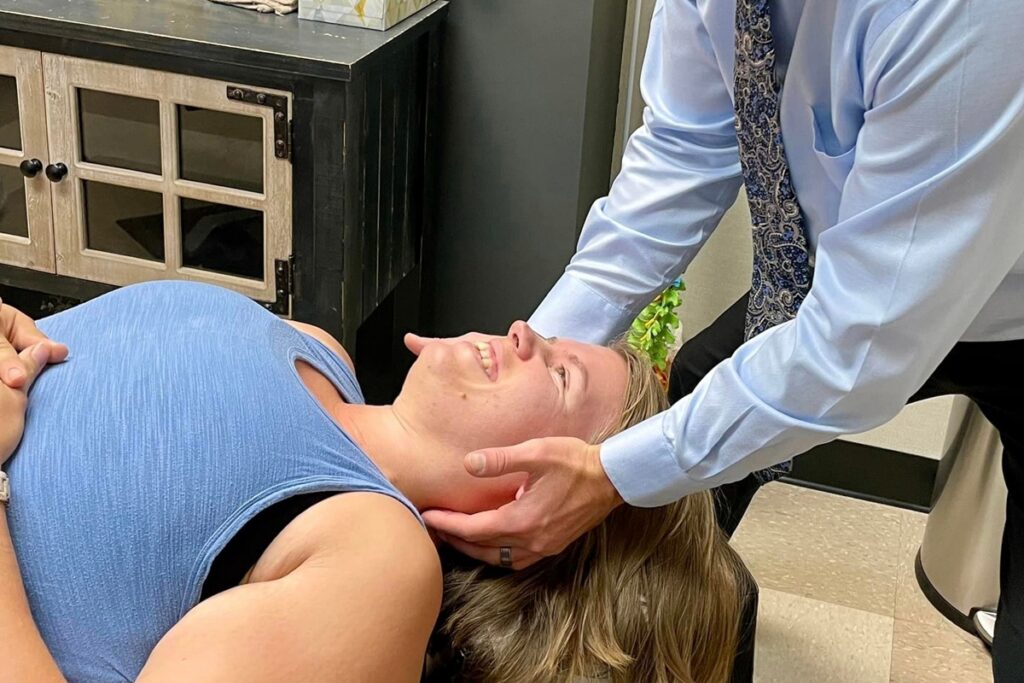
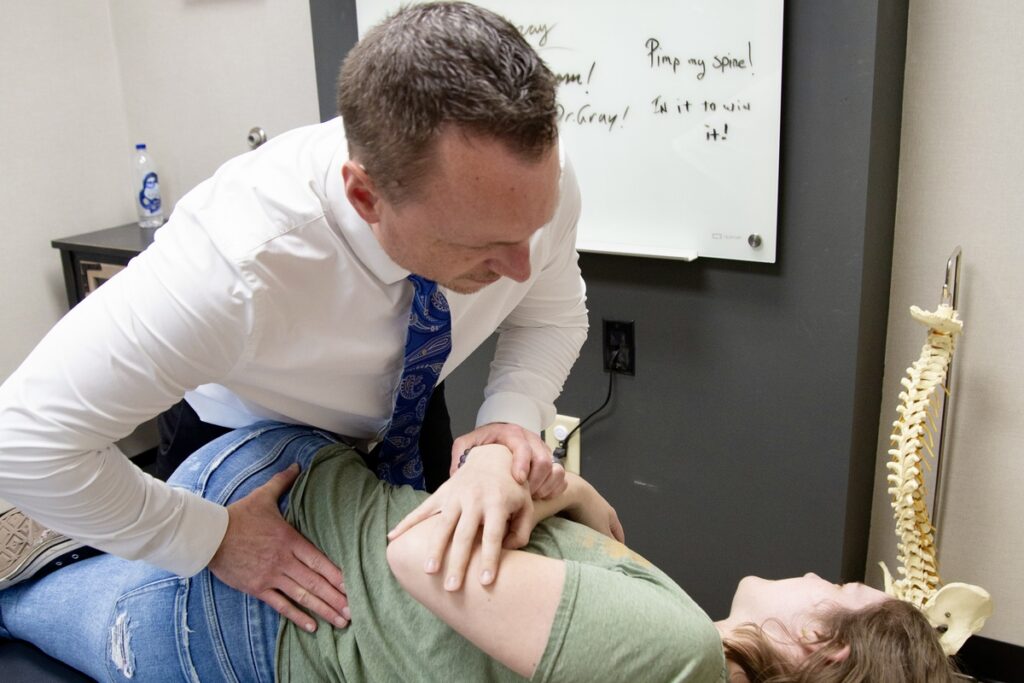
While these strategies can be beneficial, chiropractic care can be a cornerstone in your journey to wellness. Regular chiropractic adjustments can help align your spine, relieve nerve pressure, and enhance your body’s natural healing abilities. By addressing the root causes of your discomfort, chiropractic care can provide lasting relief and improve your quality of life.
If you’re curious about how to implement these changes effectively or want to learn more about how chiropractic care can support your health, I encourage you to reach out. Together, we can work towards helping you feel your best!
Key Takeaways
Three Steps to Alleviate Fibromyalgia Symptoms Naturally with Chiropractic Care
- Incorporate Gentle Movement: Engage in gentle, low-impact exercises like walking or yoga for at least 30 minutes most days. These activities can enhance flexibility and reduce stiffness, which is especially important in managing fibromyalgia symptoms. As a chiropractor, I often recommend these forms of exercise as they help keep your body moving without putting too much strain on your joints.
- Adopt a Wholesome Diet: Focus on a diet rich in whole foods. This includes fresh fruits, vegetables, lean proteins, and anti-inflammatory options like fatty fish and nuts. A balanced diet can support your overall health and may help in managing pain. Remember, proper nutrition plays a vital role in your body’s ability to heal and maintain wellness.
- Mindfulness and Relaxation: Incorporate daily mindfulness techniques such as meditation or deep breathing. These practices can improve your coping strategies for pain and help reduce stress levels. Stress can exacerbate fibromyalgia symptoms, so finding ways to relax is crucial. As a chiropractor, I often emphasize the connection between mental wellness and physical health.
- Chiropractic Care: Consider chiropractic adjustments as a key part of your wellness routine. Regular chiropractic care can improve spinal health, relieve tension, and enhance your overall well-being. By aligning the spine, we can help your nervous system function optimally, which may lead to reduced pain and discomfort.
- Listen to Your Body: Pay attention to how your body responds to different activities, dietary changes, and relaxation techniques. Adjust your routine accordingly to find what works best for you. Chiropractic care can assist in this process by providing personalized assessments that consider your unique needs.
By integrating these approaches into your lifestyle, you can take significant steps toward alleviating fibromyalgia symptoms naturally. Always remember, chiropractic care is a holistic solution that supports both your physical and mental health, paving the way for a healthier, pain-free life.
Incorporate Gentle Exercise Into Your Routine
Incorporating gentle exercise into your daily routine can significantly help manage fibromyalgia symptoms, and as a chiropractor, I believe this approach aligns wonderfully with our philosophy of promoting natural healing and wellness.
You don’t need to engage in intense workouts; rather, simple activities like walking, swimming, or yoga can make a notable difference. These low-impact exercises enhance your flexibility and strength while alleviating muscle stiffness, which is crucial for overall spinal health.
Aim for at least 30 minutes of gentle activity most days of the week, but always listen to your body and adjust as needed. Starting slow is essential, especially if you’re just beginning. You might kick off with just 5-10 minutes of movement and gradually increase your duration as you feel more comfortable.
Consider joining a local class or exploring online videos tailored to your needs. This not only addresses physical symptoms but can also elevate your mood and energy levels, supporting your overall well-being. Consistency is key, so find an activity that you genuinely enjoy; this will make it easier to stick with it and reap the benefits over time.
Explore Dietary Adjustments for Better Health
After incorporating gentle exercise into your routine, exploring dietary adjustments can further enhance your well-being and help manage fibromyalgia symptoms. As a chiropractor, I believe in the power of natural healing and supporting your body in the best way possible.
One of the first steps is to focus on whole foods. Fresh fruits, vegetables, lean proteins, and whole grains aren’t only nutritious but can also help reduce inflammation and boost your energy levels.
It’s wise to limit processed foods, refined sugars, and artificial additives. These can often worsen symptoms, making it harder for your body to heal. Instead, consider trying an anti-inflammatory diet, which highlights foods like fatty fish, nuts, and olive oil.
These options aren’t just good for your diet; they can also support your overall spinal health.
Staying hydrated is crucial too, so make sure to drink plenty of water throughout the day. Adequate hydration helps your body function optimally and can alleviate some discomfort.
Additionally, be mindful of any food sensitivities you might have; many individuals with fibromyalgia find that gluten or dairy can trigger flare-ups. Keeping a food diary can be a great way to identify which foods work best for your body.
Utilize Mindfulness and Relaxation Techniques
As you face the challenges of fibromyalgia, incorporating mindfulness and relaxation techniques can significantly enhance your overall well-being. These practices not only aid in pain management but also help reduce stress and improve mental clarity, which are essential for achieving optimal health. Here’s how you can begin to integrate these techniques into your daily life, while also considering the benefits of chiropractic care for holistic wellness:
- Meditation: Dedicate a few minutes each day to focus on your breath. This practice calms your mind and helps center your thoughts, making it easier to cope with pain. Regular meditation can complement chiropractic adjustments by promoting relaxation and mental clarity.
- Deep Breathing: Engage in deep, slow breaths to activate your body’s relaxation response. This technique helps reduce tension and anxiety, allowing your body to respond better to chiropractic care and improve overall healing.
- Progressive Muscle Relaxation: This technique involves tensing and then relaxing each muscle group in your body, starting from your toes and moving up. It can release physical stress, enhancing the effectiveness of your chiropractic treatments by ensuring your muscles are relaxed and ready for adjustment.
- Mindful Walking: When you take a walk, pay attention to each step. Feel the ground beneath you and notice the sights and sounds around you. This practice not only promotes mindfulness but also encourages gentle movement, which is beneficial for your spine and overall mobility.
Incorporating these mindfulness techniques into your routine can lead to significant relief and a greater sense of control over your fibromyalgia symptoms. Remember, chiropractic care is an excellent choice for natural pain relief and promoting overall wellness. By focusing on both mindfulness practices and chiropractic adjustments, you can enhance your journey towards better health and a more balanced life.
Conclusion
By incorporating gentle chiropractic care, engaging in low-impact exercise, making thoughtful dietary adjustments, and practicing mindfulness, you can effectively alleviate fibromyalgia symptoms naturally. These three steps work together to enhance your overall well-being, boost your energy, and improve your coping mechanisms.
Chiropractic care plays a vital role in this process by addressing spinal alignment and promoting optimal nerve function, which can lead to reduced pain and increased mobility. Gentle adjustments can help relieve tension in the body, making it easier to engage in physical activity and enjoy a healthier lifestyle.
In addition to chiropractic treatments, consider incorporating gentle exercises like walking, swimming, or yoga into your routine. These activities can help strengthen your muscles, improve flexibility, and increase circulation, all of which can contribute to pain relief.
Dietary adjustments can also make a significant difference. Focus on incorporating anti-inflammatory foods like fruits, vegetables, lean proteins, and whole grains while reducing processed foods and sugars. Staying hydrated is equally important, so remember to drink plenty of water throughout the day.
Mindfulness practices, such as meditation or deep breathing exercises, can help reduce stress and improve your mental resilience. Taking a few moments each day to center yourself can have a profound impact on your overall well-being.
Remember, consistency is key—start small with your chiropractic visits and gradually increase your efforts in exercise, nutrition, and mindfulness. You’re taking a proactive approach to managing your health, and with patience and commitment, you can find relief and enjoy a better quality of life. Always consult with your chiropractor for personalized advice tailored to your specific needs.