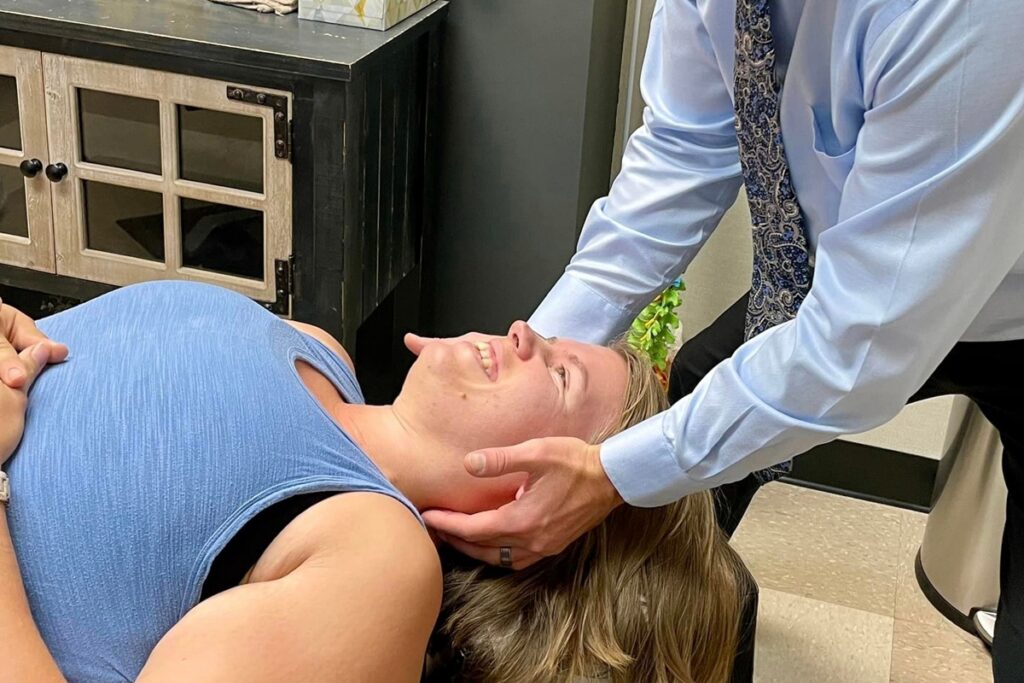
If you’re feeling overwhelmed by daily stress, exploring gentle, natural practices can help restore your sense of calm and promote overall well-being. As a chiropractor, I often see how stress can impact the body, particularly the spine. Mindfulness meditation, deep breathing, and yoga are fantastic ways to ease tension and can complement your chiropractic care.
Incorporating these practices into your routine can enhance the benefits of spinal adjustments, helping your body to relax and heal more effectively. Additionally, consider simple lifestyle changes like herbal remedies and taking nature walks, which can further reduce stress and improve your health.
Chiropractic care is particularly effective in managing stress-related pain by addressing misalignments in the spine that can contribute to discomfort and tension. Regular adjustments not only promote better posture but also enhance your body’s natural ability to cope with stress.
Curious about how to integrate these techniques into your daily life? Here are some effective strategies:
- Daily Stretching: Incorporate gentle stretches into your morning routine to help relieve tension in your muscles and spine.
- Mindfulness Practices: Set aside a few minutes each day for mindfulness meditation to center your thoughts and reduce anxiety.
- Breathing Exercises: Practice deep breathing techniques to help lower your heart rate and calm your mind.
- Nature Walks: Spend time outdoors to connect with nature, which can have a soothing effect on your mental state.
- Regular Chiropractic Visits: Schedule regular chiropractic adjustments to keep your spine in alignment and support your body’s natural healing processes.
By integrating these strategies into your lifestyle, you can create a powerful foundation for stress relief and overall wellness. Remember, chiropractic care is an essential part of maintaining optimal health, helping you manage stress and live a more balanced life.
Key Takeaways
- Start your day with mindfulness and meditation to help calm your mind and improve your awareness of the present moment. This practice can significantly lower your stress levels and contribute to overall health. Regular chiropractic adjustments can also enhance your mental clarity and emotional well-being, complementing your mindfulness routine.
- Utilize deep breathing techniques, like the 4-7-8 method, to promote relaxation and stabilize your heart rate during stressful situations. Remember, a well-aligned spine can improve your lung function, making deep breathing even more effective for stress relief.
- Incorporate gentle yoga poses such as Child’s Pose and Cat-Cow into your routine to help release muscle tension and improve flexibility. These poses not only support physical health but also work in harmony with chiropractic care to enhance your overall wellness.
- Take time for mindful observation by focusing on the details of an object around you. This practice can ground you and reduce stress by increasing your awareness. Chiropractic care can also help clear your mind by ensuring that your nervous system is functioning optimally, allowing for better focus and mindfulness.
- Create a peaceful environment by designating a quiet space for relaxation practices. A calm setting can greatly enhance your ability to unwind and manage stress. Remember, maintaining good spinal health through regular chiropractic visits can further support your relaxation efforts and promote a balanced lifestyle.
By integrating these simple practices into your daily life alongside chiropractic care, you can achieve a greater sense of well-being and natural stress relief.
Mindfulness Meditation Techniques
In the hustle and bustle of everyday life, it’s important to prioritize your well-being, and one way to do that’s through mindfulness meditation techniques. As a chiropractor, I believe that integrating these practices into your routine can complement your overall health and wellness, especially when it comes to maintaining a healthy spine and reducing stress.
Start by dedicating just a few minutes each day to focus on your breath. Find a comfortable seated position and close your eyes. As you take deep breaths, pay attention to the sensations of air flowing in and out of your body. This simple practice can help calm your mind and alleviate tension that may contribute to spinal discomfort. If your thoughts drift, gently bring your focus back to your breath—this is a natural part of the process.
You might also find benefit in the body scan technique. This involves mentally checking in with different areas of your body, starting from the top of your head down to your toes. As you focus on each area, consciously relax and release any tension you feel. This practice not only promotes relaxation but can also enhance your awareness of how your body feels, helping you recognize areas that may need chiropractic care.
Another effective technique is mindful observation. Choose an object around you—perhaps a plant or a piece of furniture—and observe its details closely. Notice its colors, shapes, and textures. This practice encourages you to stay present and can serve as a valuable tool for managing stress, which is vital for maintaining a healthy spine.
The Power of Deep Breathing
Deep breathing is a simple yet powerful tool for managing stress and enhancing your overall well-being, especially when combined with chiropractic care. As a chiropractor, I want to share how deep breathing can complement your journey towards optimal health.
By incorporating specific techniques into your daily routine, you can experience noticeable benefits in just a few minutes, while also supporting your spinal health.
When you practice deep breathing, you engage your diaphragm, which promotes relaxation and reduces tension in your body. This is particularly beneficial for your spine, as proper alignment and relaxation can help alleviate discomfort and improve mobility.
Here are some tips to make deep breathing a natural part of your life:
- Find Your Comfortable Position: Whether seated or lying down, ensure that your spine is aligned and relaxed. This will enhance the effectiveness of your deep breathing.
- Focus on Your Breath: Inhale deeply through your nose, allowing your abdomen to expand fully. Hold for a moment, then exhale slowly through your mouth. This not only calms your mind but also helps release tension in your back and shoulders.
- Incorporate Breathing into Your Routine: Set aside a few minutes each day, perhaps after your chiropractic adjustment, to practice deep breathing. This can help reinforce the benefits of your treatment and keep your body relaxed.
- Combine with Stretching: Pair deep breathing with gentle stretches to further release tension in your spine. This can enhance your overall flexibility and promote a healthier posture.
- Mindfulness Matters: Pay attention to how your body feels during deep breathing. This mindfulness can help you become more aware of areas of tension that may benefit from chiropractic care.
Remember, deep breathing is a powerful ally in your pursuit of pain relief and natural wellness. When combined with regular chiropractic adjustments, you can achieve optimal health and a more balanced life.
Make it a point to prioritize your well-being by incorporating deep breathing into your daily routine, and feel the difference it can make for your body and mind.
Benefits of Deep Breathing
When you take a moment to engage in deep breathing, you activate a valuable tool for reducing stress and enhancing your overall well-being. This practice complements chiropractic care beautifully, as both aim to promote a balanced and healthier lifestyle. Deep breathing lowers your heart rate and calms your mind, making it easier to tackle daily challenges and maintain a positive outlook.
As you inhale deeply, you’re not just filling your lungs with oxygen; you’re energizing your body and sharpening your focus. This is especially helpful for those who experience tension or discomfort in their spine, as deep breathing can help release built-up tension in your muscles.
When your body is relaxed, it allows for better alignment and function, which is a key focus of chiropractic care.
Moreover, deep breathing encourages mindfulness, helping you stay present and centered. Incorporating this practice into your daily routine can work hand-in-hand with chiropractic adjustments to foster greater peace and resilience in your life.
For those looking to enhance their wellness journey, consider these simple tips: try to set aside a few minutes each day for deep breathing exercises, focusing on slow, intentional breaths. This can be done in a comfortable seated position, perhaps after your chiropractic adjustment, to further enhance relaxation and healing.
Techniques to Practice
To fully embrace the benefits of deep breathing, which can significantly aid in relaxation and clarity, there are several simple techniques you can practice. One effective method is the 4-7-8 technique: inhale deeply through your nose for a count of four, hold that breath for seven counts, and then exhale slowly through your mouth for eight counts. This practice not only calms the mind but also has a positive effect on your overall well-being, complementing the holistic approach of chiropractic care.
Another great technique is diaphragmatic breathing. This involves placing one hand on your chest and the other on your abdomen. Breathe in deeply through your nose, focusing on allowing your abdomen to rise while keeping your chest relatively still. This method encourages deeper breathing and helps release tension, which is essential for maintaining a healthy spine and body.
Lastly, consider incorporating box breathing into your routine. This involves inhaling for four counts, holding the breath for four counts, exhaling for four counts, and then pausing for another four counts before inhaling again. This rhythmic breathing can be a powerful tool for reducing stress, which is crucial for anyone looking to enhance their overall health and wellness.
Incorporating Into Daily Life
Incorporating deep breathing into your daily routine can significantly enhance your approach to stress management and overall wellness. As a chiropractor, I often emphasize the importance of a holistic approach to health, which includes managing stress to maintain a healthy spine and body.
Start by dedicating just a few minutes each day, perhaps in the morning or during lunch breaks, to practice deep breathing. Find a quiet space, close your eyes, and take a deep breath in through your nose, allowing your abdomen to rise fully.
Hold that breath for a moment, then exhale slowly through your mouth. Aim to repeat this for five to ten cycles.
Additionally, deep breathing can be especially useful during moments of stress or discomfort. When you feel tension rising in your neck or back, for instance, take a moment to pause and breathe deeply.
This not only helps relieve immediate stress but can also promote relaxation in your muscles, allowing for better alignment and function of your spine.
To help you remember to practice this beneficial technique, consider using reminders like sticky notes in prominent places or setting phone alerts. With regular practice, deep breathing can become a natural response, helping you feel more centered and calm throughout your day.
Incorporating Gentle Yoga Into Your Routine
Gentle yoga can be an excellent complement to chiropractic care, offering a natural way to reduce stress and enhance your overall well-being.
By integrating simple yoga poses into your daily routine, you not only promote relaxation but also foster a deeper connection with your body, which is essential for maintaining a healthy spine.
Chiropractic care focuses on ensuring your spine is aligned and functioning properly, which is crucial for your overall health.
Gentle yoga can help support this by improving flexibility, strengthening core muscles, and promoting better posture.
When your body is aligned and your muscles are balanced, you may experience reduced pain and improved mobility.
Let’s take a look at some easy yoga moves that can be beneficial for your spine and overall health:
- Cat-Cow Stretch: This gentle flow between two poses warms up the spine and relieves tension in the back. Focus on your breath as you move between arching your back and rounding it.
- Child’s Pose: A restorative pose that stretches the spine, hips, and thighs. This position encourages relaxation and can alleviate stress, making it a great addition to your routine.
- Seated Forward Bend: This pose helps to stretch the entire back and hamstrings, promoting flexibility and relaxation. Remember to keep your spine straight as you bend forward.
- Gentle Twist: Twisting poses can help maintain spinal mobility. Just be cautious and only twist as far as feels comfortable for you.
Remember, incorporating gentle yoga into your routine can enhance the benefits of your chiropractic adjustments, helping to maintain spinal health and promote natural healing.
Always listen to your body, and if you have any concerns or chronic pain, consult with your chiropractor to ensure you’re practicing safely and effectively.
By prioritizing both chiropractic care and gentle yoga, you can take significant steps toward achieving optimal health, naturally.
Embrace these practices as part of your commitment to a healthier and pain-free life.
Benefits of Gentle Yoga
While many may associate yoga with intense poses and advanced flexibility, gentle yoga provides a refreshing and accessible option that can easily be integrated into your daily routine. This practice emphasizes relaxation and mindfulness, which are crucial for reducing stress and anxiety. By incorporating gentle yoga into your life, you’ll also find improvements in mental clarity and emotional resilience, all of which can complement your chiropractic care for optimal health.
Here’s a helpful overview of the benefits of gentle yoga:
| Benefit | Description | How It Helps |
|---|---|---|
| Stress Reduction | Lowers cortisol levels, the stress hormone | Promotes relaxation and supports spinal health |
| Enhanced Flexibility | Increases range of motion in joints | Reduces the risk of injury, supporting overall mobility |
| Improved Sleep | Encourages deeper, restorative sleep | Boosts energy levels and promotes recovery |
| Mindfulness Practice | Cultivates present-moment awareness | Increases emotional balance and enhances mental focus |
Incorporating gentle yoga into your wellness routine can significantly enhance your overall well-being, especially when combined with regular chiropractic adjustments. Remember, it’s essential to listen to your body and adapt the movements to your comfort level. Gentle yoga can be a great way to complement your chiropractic care, helping you achieve a healthier spine and a more balanced life.
Here are some quick tips to get started with gentle yoga at home:
- Set Aside Time: Dedicate a few minutes each day to practice gentle yoga. Consistency is key!
- Create a Calm Space: Find a quiet area where you can practice without distractions. A peaceful environment can enhance relaxation.
- Focus on Your Breath: Incorporate deep breathing into your practice. This not only calms the mind but also supports spinal health.
- Listen to Your Body: Move at your own pace and modify poses as needed. If something doesn’t feel right, it’s okay to skip it.
- Combine with Chiropractic Care: Regular visits to your chiropractor can help maintain spinal alignment and enhance the benefits of your yoga practice.
Simple Poses to Try
Enhancing your daily routine and promoting relaxation can be as simple as incorporating a few gentle yoga poses into your day. These poses not only support your overall wellness but also complement the benefits of chiropractic care by improving spinal health and flexibility. Here are three easy poses you can try at home:
- Child’s Pose: Begin by kneeling on the floor and sitting back on your heels, allowing your body to relax. Stretch your arms forward and take deep, calming breaths. This pose gently stretches your back and shoulders, helping to release tension that can contribute to discomfort. It’s a great way to unwind after a long day, and it can enhance the benefits of chiropractic adjustments by promoting relaxation in your spine.
- Cat-Cow: Start on all fours, with your wrists under your shoulders and knees under your hips. Inhale deeply as you arch your back, allowing your belly to drop (this is “Cow”), and exhale as you round your spine, bringing your chin towards your chest (this is “Cat”). This flowing movement helps to alleviate tension in your spine and improve flexibility, making it an excellent practice for those seeking to maintain a healthy back.
- Seated Forward Bend: Sit with your legs extended in front of you. Reach towards your toes and allow your head to relax down towards your legs. This pose encourages a gentle stretch in your back and hamstrings, promoting a sense of calm and relaxation. It’s particularly beneficial for those who may experience tightness or discomfort after prolonged sitting.
Incorporating these simple yoga poses into your daily routine can greatly enhance your overall well-being and support your body’s natural healing processes. Remember, chiropractic care works in harmony with these practices to help you achieve optimal health.
Creating a Routine
Incorporating yoga into your daily routine can significantly enhance your overall well-being and help manage stress, while also supporting spinal health. As a chiropractor, I understand the importance of maintaining a healthy spine for optimal health. By dedicating just a few minutes each day to practice gentle yoga poses, you can improve flexibility, strengthen your core, and promote better posture—all of which are essential for spinal health.
Start with short sessions of about 10-15 minutes, and consider doing this in the morning to energize your day or at night to unwind before bed. Choose a quiet space where you feel comfortable, and feel free to use calming music or essential oils to create a relaxing atmosphere. Focus on poses that enhance spinal alignment, such as Cat-Cow stretches or Child’s Pose, which can alleviate tension in your back.
As you grow more comfortable with your practice, you might explore different styles of yoga or extend the duration of your sessions. It’s important to listen to your body and adjust your practice accordingly, especially if you experience any discomfort. Consistency is key, so aim to make yoga a regular part of your routine. By doing so, you not only nurture your mind and body but also complement the benefits of chiropractic care.
Herbal Remedies for Stress Relief
As you seek effective ways to manage stress, consider incorporating herbal remedies alongside chiropractic care for a holistic approach to wellness. Herbal solutions can complement the benefits of chiropractic adjustments, helping you relax and maintain overall balance in your body. Here are three popular herbs that might enhance your stress relief journey:
- Chamomile: Renowned for its calming effects, chamomile tea can help soothe your nerves and promote restful sleep. Picture yourself enjoying a warm cup after a chiropractic adjustment, allowing the tension to fade away. This can be a fantastic ritual to support your body’s natural healing process.
- Lavender: This aromatic herb is often utilized in essential oils. A few drops in a diffuser or a lavender sachet under your pillow can create a peaceful environment, ideal for relaxation. Pairing this with regular chiropractic visits can enhance your ability to unwind and release stress from your spine and body.
- Ashwagandha: This adaptogenic herb helps your body adapt to stress. Available in powder form, it can easily be mixed into smoothies or teas. Incorporating ashwagandha can support the benefits of chiropractic care by promoting overall resilience against stress.
The Benefits of Nature Walks
Regular nature walks can significantly support your mental well-being and help reduce stress levels, making them an excellent addition to your overall health routine. Being outdoors allows you to breathe in fresh air and soak up sunlight, which can lift your mood and increase your energy. As you stroll, you engage your senses—listening to the birds, feeling the gentle breeze, and appreciating the beauty around you. This connection with nature provides a wonderful opportunity to step away from daily pressures and practice mindfulness, which can be beneficial for your spinal health as well.
Physical activity, such as walking, encourages the release of endorphins—your body’s natural pain relievers—enhancing your mood and providing a sense of well-being. The steady rhythm of your steps can also help calm your mind, leading to clearer thinking and better focus. Walking in a park or forest not only offers a visual feast but can also inspire feelings of awe and tranquility, making it easier to release tension and worries that may contribute to discomfort in your body.
Incorporating regular nature walks into your routine can complement chiropractic care by promoting spinal health and overall wellness. Here are some tips to maximize the benefits of your nature walks:
- Maintain Good Posture: Keep your head aligned over your spine and shoulders relaxed as you walk. This can help prevent strain and discomfort.
- Wear Supportive Footwear: Proper shoes provide the necessary support to your feet and spine, reducing the risk of injury.
- Practice Mindful Walking: Focus on your breath and the sensations in your body as you walk. This not only enhances your mindfulness but also helps you tune in to how your body feels.
- Stay Consistent: Aim for regular walks, ideally a few times a week. Consistency is key for both physical and mental health benefits.
- Listen to Your Body: Pay attention to any discomfort or pain. If you experience persistent issues, consult with your chiropractor to ensure your spine is properly aligned.
Creative Outlets for Emotional Expression
Finding creative outlets for emotional expression can be a powerful way to manage stress and enhance your overall well-being, especially when combined with chiropractic care.
Engaging in creative activities not only allows you to channel your feelings constructively but can also contribute to improved physical health and spinal alignment.
Here are three outlets you might consider incorporating into your routine, along with how they can support your journey to optimal health:
- Painting or Drawing: Grab some brushes or pencils and express your emotions on the canvas. Each stroke can serve as a release, helping to alleviate tension in your body. This creative process can also promote relaxation, which is vital for maintaining a healthy spine. Remember, a relaxed mind can lead to a relaxed body!
- Writing: Whether it’s journaling, poetry, or storytelling, writing provides a safe space to explore your thoughts and feelings. This practice can help reduce stress levels, which is beneficial for your spine’s health. As you release your emotions onto the page, you may find that your physical discomforts begin to lessen as well.
- Music: Playing an instrument or singing can be a wonderful way to express yourself and process emotions. Music has a unique ability to evoke feelings and can even help in managing pain. Engaging in musical activities can encourage better posture and spinal health, further enhancing your overall well-being.
Incorporating these creative outlets into your life can complement the benefits of chiropractic care, helping you to address both emotional and physical stress.
Establishing a Relaxing Evening Ritual
After exploring creative outlets for emotional expression, it’s important to consider how establishing a relaxing evening ritual can play a significant role in enhancing your stress relief and overall well-being. As a chiropractor, I often emphasize the connection between a calm mind and a healthy spine. Start by choosing a specific time each night to wind down, signaling to both your mind and body that it’s time to relax. This routine can help reduce tension, which is essential for maintaining a healthy spine.
Incorporate calming activities into your evening, such as reading a book or practicing gentle yoga. These activities not only promote relaxation but also encourage good posture, which is vital for spinal health. Sipping on herbal tea can also be a soothing addition to your routine, helping to ease your mind and body.
Creating a soothing atmosphere can further enhance your relaxation. Dim the lights, light a candle, or play soft music to create a peaceful environment. It’s advisable to avoid screens at least an hour before bedtime, as the blue light emitted can interfere with your sleep patterns and overall health.
Additionally, consider journaling as a way to reflect on your day and express gratitude. This practice can help you process any stressors you encountered and promote a sense of calm. By cultivating this evening ritual, you’ll find it easier to let go of daily stressors, setting the stage for restorative sleep. A well-rested body is crucial for optimal health and can improve your body’s natural healing processes, making chiropractic care even more effective.
Conclusion
By incorporating gentle practices into your daily routine, you can naturally alleviate stress while promoting optimal health—something chiropractic care excels at. Techniques such as mindfulness meditation, deep breathing, and gentle yoga not only calm your mind and body but also support your spinal health. A well-aligned spine can enhance your body’s ability to manage stress effectively.
Consider taking nature walks, which can help clear your mind and invigorate your spirit, all while keeping your body moving in a natural way that supports your overall wellness. Engaging in creative activities can also be beneficial, as they provide an outlet for expression and relaxation.
Don’t overlook the soothing effects of herbal teas, which can be a part of a calming evening ritual. When your body is relaxed, it can lead to a more restful sleep, which is essential for recovery and health.
Chiropractic care can play a pivotal role in this journey by ensuring your spine is aligned and your nervous system is functioning optimally. Regular adjustments can help relieve tension and enhance your body’s natural healing abilities. Embrace these natural methods alongside chiropractic care, and you’ll discover a greater sense of peace and resilience in your life. Remember, taking care of your spine is taking care of your overall health!