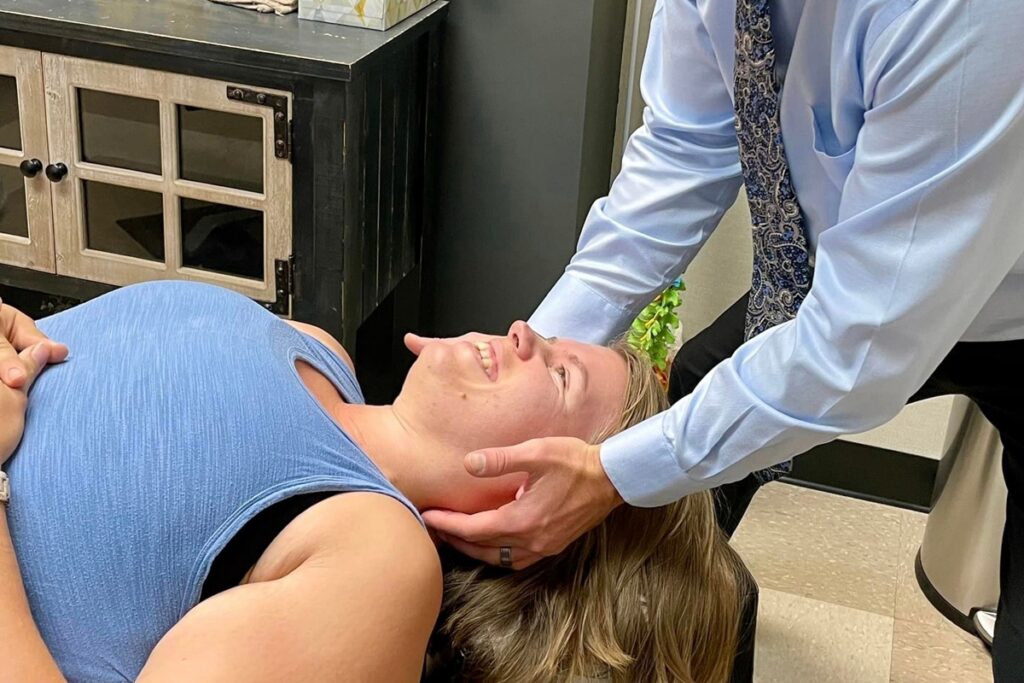
Stress is an unavoidable part of life, and its effects can be overwhelming. You may notice how it impacts your mood, sleep, and even your physical health. As a chiropractor, I want to emphasize that non-invasive stress relief techniques can play a crucial role in restoring balance and enhancing your overall well-being. By incorporating methods like chiropractic care, mindfulness, and gentle movement, you can experience significant benefits that can transform how you manage stress.
Chiropractic care focuses on aligning the spine and promoting proper nervous system function, which is essential for managing stress effectively. When your spine is in alignment, your body can function optimally, reducing tension and discomfort that can exacerbate stress. Regular chiropractic adjustments can help alleviate physical symptoms of stress, such as muscle tension and headaches, allowing you to feel more relaxed and at ease.
In addition to chiropractic care, practices like mindfulness and gentle movement—such as yoga or tai chi—can also be beneficial. These techniques encourage relaxation, improve focus, and promote a sense of calm, helping you to navigate daily stressors with greater ease.
Here are some general tips and tricks to help you manage stress naturally:
- Prioritize Regular Chiropractic Visits: Make chiropractic care a part of your wellness routine to help maintain spinal health and support your body’s ability to cope with stress.
- Practice Mindfulness: Take a few minutes each day to focus on your breathing or engage in meditation. This can help clear your mind and reduce anxiety.
- Incorporate Gentle Movement: Activities like walking, yoga, or stretching can release built-up tension in your body and improve your mood.
- Establish a Sleep Routine: Aim for consistent sleep patterns to help your body naturally manage stress levels. Quality sleep is vital for recovery and overall health.
- Stay Hydrated and Nourished: Eating a balanced diet and drinking plenty of water can support your body’s resilience against stress.
By leveraging these non-invasive techniques, including the essential role of chiropractic care, you can take proactive steps toward achieving optimal health and wellness. Embrace these practices, and you may discover a new way to handle stress and enhance your quality of life.
Key Takeaways
Non-invasive stress relief techniques, such as mindfulness and deep breathing, can play a crucial role in reducing anxiety and enhancing emotional resilience. As a chiropractor, I often emphasize the importance of managing stress for optimal health, as it can have a direct impact on your spinal health and overall well-being.
When you regularly practice these techniques, you may notice a significant reduction in cortisol levels, which helps promote a calmer mental state. This is not only beneficial for your mind but also supports better spinal function and physical health. Engaging in outdoor activities—like walking, hiking, or simply enjoying nature—can further elevate your mood and lessen stress.
In addition to these practices, non-invasive methods can improve your sleep quality, which is essential for physical recovery and reducing irritability during the day. Quality sleep allows your body to heal, making it easier to maintain a healthy spine and manage any discomfort you may be experiencing.
Chiropractic care works hand in hand with these natural stress relief techniques. By focusing on spinal alignment and overall body function, chiropractic adjustments can enhance the effectiveness of your stress management routine without the need for medications or invasive procedures.
To incorporate these techniques into your daily routine, consider setting aside a few minutes each day for mindfulness practices or deep breathing exercises. Try to spend time outdoors, whether it’s going for a walk in the park or practicing yoga in your backyard. And remember, regular visits to your chiropractor can support your journey towards optimal health and wellness by ensuring your spine is aligned and functioning properly.
By prioritizing these natural methods, you’re taking a significant step toward achieving a healthier, more balanced life.
Understanding Stress and Its Impact on Health
When you experience stress, it doesn’t just impact your mood; it can also affect your physical health in significant ways. You might find yourself dealing with headaches, fatigue, or digestive issues. Stress activates your body’s fight-or-flight response, releasing hormones like cortisol that can create long-term problems if not addressed. This ongoing state of tension can contribute to conditions like hypertension and even heart disease.
On an emotional level, stress can lead to feelings of anxiety and depression, making it difficult to concentrate or enjoy daily activities. Sleep disturbances are also common, leaving you feeling drained and irritable.
Understanding the impact of stress on your health is crucial, and as a chiropractor, I want to emphasize the importance of taking proactive steps to manage it. Chiropractic care can play a key role in alleviating stress by promoting spinal health and improving overall wellness. A well-aligned spine can enhance nerve function, which supports a balanced response to stress.
Here are some general tips to help manage stress and enhance your well-being:
- Regular Chiropractic Adjustments: Keeping your spine aligned can reduce physical stress on your body and improve your overall health.
- Mindfulness Practices: Incorporate techniques such as deep breathing, meditation, or yoga into your routine to calm your mind and body.
- Stay Active: Engage in regular physical activity, which can boost your mood and improve your body’s resilience to stress.
- Connect with Others: Seek support from friends, family, or community groups. Social connections can provide comfort and reduce feelings of isolation.
- Prioritize Sleep: Establish a regular sleep routine to ensure you’re well-rested, which can help you handle stress more effectively.
Don’t underestimate the importance of managing stress; your health and well-being depend on it. By utilizing chiropractic care along with these simple strategies, you can work towards a healthier, more balanced life.
The Science Behind Non-Invasive Stress Relief
The Science Behind Non-Invasive Stress Relief: A Chiropractic Perspective
As a chiropractor, I often see patients seeking effective ways to manage stress without relying on medications or invasive procedures. Understanding the science behind non-invasive stress relief methods can empower you to take control of your health and promote a sense of well-being. Techniques such as deep breathing and spending time in nature can activate your body’s natural relaxation response, which helps counteract the stress-induced fight-or-flight reaction and promotes calmness.
Here’s a simple comparison of how stress affects our bodies and how non-invasive methods can help restore balance:
| Stress Response | Non-Invasive Relief |
|---|---|
| Increased heart rate | Slowed heart rate |
| Elevated cortisol | Decreased cortisol |
| Muscle tension | Muscle relaxation |
Chiropractic care plays a vital role in achieving optimal health and wellness. By addressing spinal misalignments and improving nervous system function, chiropractic adjustments can enhance your body’s ability to respond to stress. Here are some practical tips to help you manage stress naturally:
- Practice Deep Breathing: Take a few moments each day to focus on your breath. Inhale deeply through your nose, hold for a few seconds, and exhale slowly through your mouth. This simple practice can lower your heart rate and reduce muscle tension.
- Spend Time in Nature: Whether it’s a walk in the park or simply sitting outside, being in nature can significantly lower stress levels. It allows you to connect with the natural world, promoting relaxation and mental clarity.
- Stay Active: Regular physical activity is a great way to relieve stress. It doesn’t have to be intense; even gentle activities like yoga or stretching can help release tension and improve your mood.
- Prioritize Sleep: Quality sleep is crucial for managing stress. Aim for 7-9 hours of restful sleep each night to help your body recover and recharge.
- Consider Chiropractic Care: Regular chiropractic adjustments can help align your spine, improve your nervous system function, and enhance your overall well-being. This can make it easier for your body to cope with stress.
Mindfulness Meditation: Benefits for the Mind and Body
Mindfulness meditation consistently offers profound benefits for both the mind and body, making it a valuable practice to complement your journey towards optimal health. By focusing on the present moment, you can significantly reduce anxiety and enhance your emotional well-being. This practice encourages you to become more aware of your thoughts and feelings, enabling you to respond thoughtfully to stressors rather than reacting impulsively.
From a physical standpoint, mindfulness meditation can contribute to lowering blood pressure, improving sleep quality, and even boosting your immune system—all important factors for maintaining a healthy spine and body. Many individuals notice a decrease in muscle tension and an overall sense of relaxation, which can further enhance spinal health. As you cultivate mindfulness, you’ll likely find it easier to manage stress, which is crucial for maintaining a balanced life and a healthy spine.
Incorporating just a few minutes of mindfulness meditation into your daily routine can lead to significant improvements in your overall well-being. Not only will you feel more grounded, but you’ll also foster a stronger connection between your mind and body. This connection is essential for achieving natural healing and pain relief, which chiropractic care aims to support.
To maximize the benefits of mindfulness meditation, consider the following tips:
- Start Small: Begin with just a few minutes each day. Gradually increase the time as you become more comfortable.
- Find Your Space: Create a quiet, comfortable spot in your home where you can practice without distractions.
- Focus on Breathing: Pay attention to your breath. Inhale deeply and exhale slowly to help center your thoughts.
- Practice Regularly: Consistency is key. Try to meditate at the same time each day to build a habit.
- Combine with Chiropractic Care: Regular chiropractic adjustments can enhance your overall health and support the benefits of mindfulness by ensuring your spine is aligned, reducing physical stress on your body.
The Role of Yoga in Reducing Stress
Yoga can be a fantastic addition to your wellness routine, especially when combined with the benefits of chiropractic care. This powerful practice incorporates physical postures, breathing techniques, and meditation, all of which can help you achieve a greater sense of awareness and relaxation. When you engage in yoga, you’re not only stretching and strengthening your muscles but also releasing tension that may be affecting your spine and overall health. This release can significantly lower stress levels and contribute to a more balanced body.
Participating in regular yoga sessions can help quiet your mind, allowing you to let go of racing thoughts and distractions. Each pose encourages you to focus on your breath and the present moment, promoting a calming effect that can carry over into your everyday life. You may find that this mindfulness helps you manage stress and discomfort more effectively, complementing the benefits of chiropractic care.
Incorporating yoga into your daily routine not only improves your physical health but also supports your mental well-being. It fosters resilience against stressors, making it easier to navigate daily challenges. Remember, while yoga is a wonderful tool for relaxation and stress relief, combining it with chiropractic adjustments can maximize your health benefits, ensuring your spine is well-aligned and your body functions optimally.
For those new to yoga, consider starting with simple poses that promote spinal health, such as Cat-Cow or Child’s Pose. Always listen to your body and consult with your chiropractor for personalized recommendations. By nurturing both your body and mind, you can pave the way for a healthier, more vibrant life.
Deep-Breathing Exercises: Simple Techniques for Instant Calm
When stress starts to take a toll on your body, incorporating deep-breathing exercises can be an excellent way to find immediate relief and restore balance. These techniques not only help you reconnect with your breath but also support your overall spinal health and wellness. Begin by finding a quiet space where you can sit comfortably. Inhale deeply through your nose for a count of four, filling your lungs completely and allowing your diaphragm to expand. Hold that breath for a count of four, then slowly exhale through your mouth for another count of four. Repeat this cycle for a few minutes to help ease tension in your muscles and mind.
Another effective method is the 4-7-8 technique. Inhale for four counts, hold for seven, and exhale for eight. This practice not only calms your mind but can also help lower your heart rate, contributing to a more relaxed state. As you incorporate these exercises into your daily routine, you’ll find they can enhance your overall health, especially when paired with regular chiropractic care.
Chiropractic adjustments play a crucial role in maintaining proper spinal alignment, which can positively impact your stress levels and overall well-being. So, the next time you feel tension rising, take a moment to breathe deeply, and consider how chiropractic care can support your journey towards a healthier, pain-free life. Remember, prioritizing your spinal health is a key component of achieving optimal wellness.
The Power of Nature and Outdoor Activities
When you step outside and immerse yourself in nature, you may notice an immediate uplift in your mood.
This connection with the outdoors does wonders not just for your mental well-being, but it also plays a significant role in your physical health.
Engaging in outdoor activities can help relieve stress, and when combined with chiropractic care, it becomes an even more powerful tool for achieving optimal wellness.
As a chiropractor, I want to emphasize the importance of maintaining a healthy spine and body through natural means.
Outdoor activities, such as walking, hiking, or cycling, promote movement and flexibility, which are crucial for spinal health.
When your body is active, it can help reduce tension and alleviate discomfort, making chiropractic adjustments more effective.
Here are a few simple tips to incorporate the power of nature into your wellness routine:
- Take Daily Walks: Aim for at least 30 minutes in nature every day. Walking is a low-impact activity that supports spinal health and promotes circulation.
- Practice Mindful Breathing: While outdoors, take a moment to breathe deeply. This can help reduce stress and improve your mental clarity.
- Stretch Outdoors: Incorporate gentle stretches while enjoying the fresh air. Stretching can help maintain flexibility and support your chiropractic adjustments.
- Stay Hydrated: Always carry water with you on outdoor adventures. Staying hydrated is essential for optimal physical function and recovery.
- Listen to Your Body: Pay attention to how your body feels during outdoor activities. If you experience discomfort, consult your chiropractor to address any underlying issues.
Embracing the great outdoors as part of your wellness journey, alongside chiropractic care, can lead to significant improvements in both your mental and physical health.
Connecting With Nature
Connecting with nature can be incredibly restorative, especially when it comes to your health and wellness. Spending time outdoors not only rejuvenates your mind but also enhances your overall well-being, which is essential for maintaining a healthy spine. When you step outside and immerse yourself in natural surroundings, you’re likely to notice an uplifting shift in your mood. The sights, sounds, and scents of nature stimulate your senses, grounding you in the present moment and helping to alleviate stress that can contribute to tension in your back and neck.
Whether it’s a leisurely walk in the park or a vigorous hike through the woods, being in nature allows you to disconnect from daily stresses that often lead to discomfort. The fresh air and natural light can elevate your energy levels and foster a sense of peace, making it easier for your body to heal and function optimally. Plus, engaging with nature encourages you to move, which is vital for spinal health.
As a chiropractor, I encourage you to prioritize outdoor activities as a natural way to support your emotional health and promote a balanced lifestyle. Here are some simple tips to enhance your experience in nature while supporting your spinal health:
- Practice Good Posture: Whether you’re walking or hiking, be mindful of your posture. Keep your shoulders back and your head aligned with your spine to avoid unnecessary strain.
- Stretch Before and After: Take a few minutes to stretch your muscles before and after your outdoor activities. This can help prevent stiffness and promote flexibility in your spine.
- Choose Supportive Footwear: Wearing proper shoes can provide the necessary support for your feet and spine, making your time outdoors more comfortable and enjoyable.
- Stay Hydrated: Bring water with you to keep your body hydrated, which is essential for maintaining healthy spinal discs.
- Listen to Your Body: Pay attention to how your body feels during your outdoor activities. If you experience any discomfort, take a break or adjust your activity to prevent injury.
Benefits of Outdoor Activities
Stepping into the great outdoors offers a myriad of benefits that can significantly enhance your mental and physical health, all while complementing your chiropractic care. Engaging in outdoor activities not only boosts your mood, reduces anxiety, and sparks creativity, but it also fosters a natural environment for healing and wellness. The fresh air and sunlight can enhance your vitamin D levels, which is vital for maintaining bone health and overall wellness.
Here’s a quick look at some key benefits of outdoor activities, especially as they relate to your spinal health and overall well-being:
| Benefit | Description |
|---|---|
| Mood Enhancement | Nature helps reduce stress, promoting happiness and relaxation, which is essential for spinal health. |
| Physical Exercise | Activities like hiking and biking strengthen your muscles and improve your posture, supporting your spine. |
| Social Connections | Participating in outdoor group activities can lead to lasting friendships that encourage a supportive community focused on wellness. |
Incorporating outdoor activities into your routine can be a powerful way to enhance your chiropractic care. For instance, gentle exercises like walking or biking can help maintain spinal alignment and prevent stiffness. Here are some general tips to make the most of your outdoor experiences:
- Choose Low-Impact Activities: Engage in activities that are easy on your joints and back, such as walking, swimming, or yoga in the park.
- Practice Good Posture: Whether you’re hiking or sitting on a picnic blanket, be mindful of your posture to support your spine.
- Stay Hydrated: Drink plenty of water, especially during outdoor activities, to keep your body functioning well and to support spinal health.
- Stretch Before and After: Always take a few moments to stretch your muscles before and after outdoor activities to prevent injuries and promote flexibility.
- Listen to Your Body: Pay attention to how your body feels during and after outdoor activities. If you experience any discomfort, consult your chiropractor for guidance.
Embrace outdoor activities to recharge your spirit and support your spine. It’s a simple yet effective way to combat stress, enhance your life, and work hand-in-hand with chiropractic care to achieve optimal health.
Benefits of Regular Exercise on Stress Levels
Regular exercise isn’t just great for your body; it’s also a fantastic way to manage stress levels. When you participate in physical activities like walking, running, or working out, your body releases endorphins—these are natural mood enhancers that can help you feel more relaxed and reduce feelings of anxiety. By incorporating movement into your daily routine, you can effectively clear your mind and provide a healthy outlet for any built-up energy.
Moreover, regular exercise can significantly improve your sleep quality. When you sleep better, you wake up feeling refreshed, which helps diminish the effects of stress throughout your day. Creating a consistent exercise regimen can also give you a sense of accomplishment and discipline, boosting your overall confidence.
As a chiropractor, I encourage you to consider integrating chiropractic care into your wellness routine. Chiropractic adjustments can help relieve tension in your spine and body, which may enhance your ability to engage in physical activity comfortably. When your body feels aligned and pain-free, you’re more likely to stick to your exercise habits.
Here are some simple tips to help you get started on this journey to better health and wellness:
- Start Small: If you’re new to exercise, begin with short sessions of 10-15 minutes and gradually increase the duration.
- Find Activities You Enjoy: Whether it’s dancing, swimming, or yoga, choose exercises that bring you joy to make it easier to stay consistent.
- Listen to Your Body: Pay attention to how your body feels during and after exercise. If something doesn’t feel right, consider visiting a chiropractor for guidance.
- Stay Hydrated: Drink plenty of water before, during, and after your workouts to help your body recover.
- Incorporate Stretching: Regular stretching can improve your flexibility, reduce muscle tension, and enhance the benefits of your exercise routine.
How Aromatherapy Can Enhance Relaxation
After recognizing the incredible benefits of exercise for stress relief, you may want to explore additional ways to enhance your relaxation and overall well-being. Aromatherapy is a wonderful option that not only elevates your mood but also promotes a sense of tranquility.
Here are three simple ways aromatherapy can help you unwind, all while complementing your chiropractic care:
- Essential Oils: Scents like lavender and chamomile are renowned for their calming effects. Just inhaling these soothing aromas can help reduce anxiety and foster a peaceful state of mind. Consider incorporating essential oils into your daily routine as a natural way to support your body’s healing process.
- Diffusion: Using a diffuser in your home can fill your space with gentle, calming scents. This creates a serene environment that encourages relaxation and complements the benefits you receive from chiropractic adjustments. A peaceful space can enhance your recovery and promote a deeper sense of well-being.
- Massage with Aromatherapy: If you enjoy receiving massages, ask your massage therapist about incorporating essential oils into your sessions. The combination of skilled touch and aromatic scents can significantly enhance relaxation, allowing your body to release tension. This is a fantastic way to support your spinal health and overall wellness.
The Importance of Social Support in Stress Management
Managing stress can sometimes feel overwhelming, but one of the most effective ways to alleviate that stress is through a strong network of social support. Friends, family, and co-workers can offer you a sense of belonging and understanding that helps combat feelings of isolation. When you share your feelings, you often receive empathy, which can lighten your emotional load and contribute to your overall well-being.
Engaging in conversations or spending quality time with loved ones can provide new perspectives on your stressors. They might suggest solutions you hadn’t thought of or simply lend a listening ear, making you feel valued and supported.
Importantly, social support often encourages healthy habits. Activities like going for a walk together or joining a group exercise class not only improve physical health but also enhance emotional well-being. This connection with others can boost your resilience and make it easier to navigate life’s challenges.
In addition to social support, consider incorporating chiropractic care into your wellness routine. Chiropractic adjustments can help alleviate physical pain and discomfort, which often contributes to stress. By improving spinal health, you can enhance your overall body function, leading to a greater sense of well-being.
Here are some general tips to manage stress effectively:
- Stay Active: Regular exercise, even if it’s just a walk with a friend, can significantly reduce stress and improve your mood.
- Prioritize Sleep: Make sure to get enough restful sleep, as it plays a crucial role in emotional regulation.
- Practice Mindfulness: Techniques such as deep breathing, meditation, or yoga can help calm your mind and body.
- Reach Out: Don’t hesitate to connect with your social circle. Whether it’s a phone call or a coffee date, staying connected can help alleviate stress.
- Consider Chiropractic Care: Regular chiropractic visits can help manage pain, boost your immune system, and promote overall wellness, making it easier to cope with stress.
Creating a Personalized Non-Invasive Stress Relief Routine
Enhancing your well-being through a personalized non-invasive stress relief routine is an essential step towards achieving optimal health, especially when complemented by the benefits of chiropractic care.
As a chiropractor, I understand the importance of addressing stress and its impact on your body, particularly your spine. Here’s a simple three-step approach to help you alleviate stress naturally, while also considering the role of chiropractic care in your overall wellness journey:
- Identify Triggers: Start by pinpointing the specific things that cause you stress. This could range from work deadlines to personal expectations or even social situations. Understanding your stressors is the first step towards managing them effectively.
- Choose Activities: Explore non-invasive techniques that resonate with you and promote relaxation. Activities like mindfulness meditation, gentle yoga, or even spending time in nature can be incredibly beneficial. Remember, chiropractic adjustments can also help alleviate tension in your body, making it easier to engage in these calming activities.
- Set a Schedule: Consistency is crucial for stress relief. Designate specific times during your week for these activities, ensuring they become a regular part of your routine. Additionally, incorporating regular chiropractic visits into your schedule can enhance your stress relief efforts, as it helps maintain a healthy spine and nervous system, allowing your body to function optimally.
By following these steps and integrating chiropractic care into your wellness routine, you can foster a healthier lifestyle that not only addresses stress but also promotes natural healing and pain relief.
Conclusion
Incorporating non-invasive stress relief techniques into your daily routine can greatly enhance your overall well-being and support your spinal health. As a chiropractor, I often emphasize the importance of mindfulness, gentle movement, and social support in achieving a balanced lifestyle. These practices can significantly reduce anxiety and muscle tension while boosting your mood and promoting better health.
Remember, the key is consistency—find what resonates with you and make it a habit. Simple activities like deep breathing, stretching, or even a short walk can benefit your spine and help alleviate stress. Additionally, engaging with friends and family can provide emotional support that further enhances your health.
Over time, you’ll likely notice lasting improvements in both your physical and emotional balance, leading to a more fulfilling, stress-free life. And don’t forget, regular chiropractic adjustments can also help keep your spine aligned, which is essential for optimal health and pain relief. Embrace these natural approaches to wellness and watch as they transform your life!