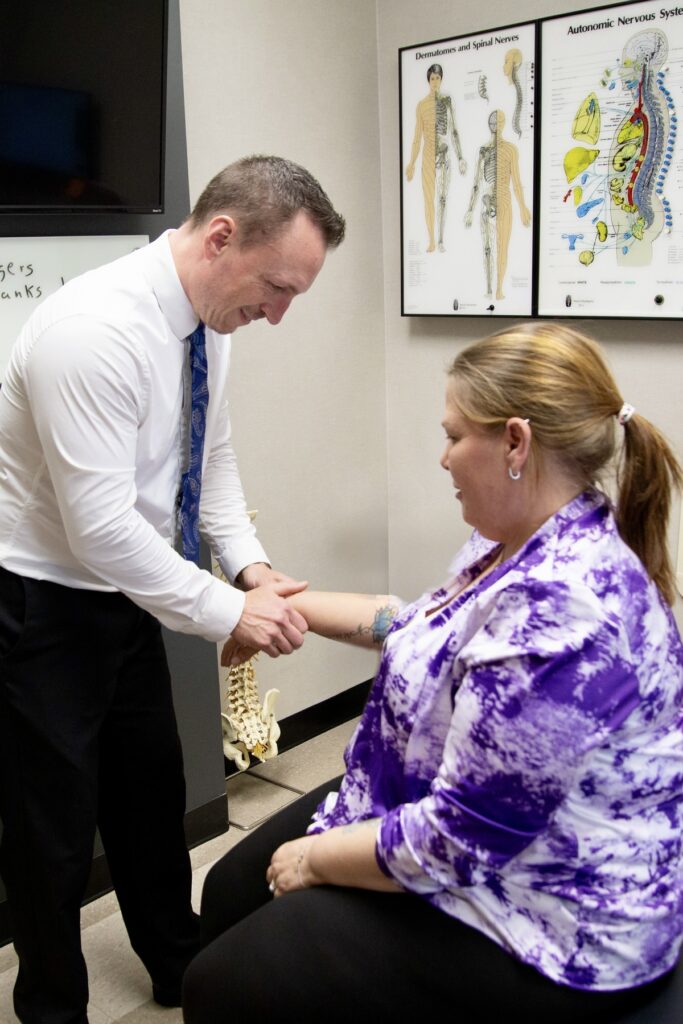
When it comes to managing stress, you may find yourself considering various methods, including natural relief strategies and traditional approaches. Each has its own set of benefits and drawbacks, but as a local chiropractor, I believe that chiropractic care stands out as an effective way to promote overall wellness and manage stress naturally.
While conventional therapies might offer quick fixes, they often come with side effects that can hinder your body’s natural healing processes. In contrast, chiropractic care focuses on aligning your spine and optimizing your nervous system, which can lead to long-term health benefits without the risks associated with medications. By addressing the root causes of stress and tension in your body, chiropractic adjustments can help you feel more relaxed and at ease.
So, how do you decide which path is right for you? Here are some tips to help you explore your options:
- Consider Chiropractic Care: Regular visits to a chiropractor can help alleviate tension and promote relaxation. By ensuring your spine is aligned, you may notice reduced stress levels and an overall improvement in your well-being.
- Practice Deep Breathing: Incorporating deep breathing exercises into your daily routine can help lower stress levels. Try taking a few minutes each day to focus on your breath, inhaling deeply and exhaling slowly.
- Stay Active: Physical activity can significantly reduce stress and improve mood. Aim for regular exercise, whether it’s a brisk walk, yoga, or any activity you enjoy.
- Maintain a Healthy Diet: Eating a balanced diet rich in whole foods can support your overall health and improve your body’s ability to manage stress. Don’t forget to stay hydrated!
- Prioritize Sleep: Quality sleep is essential for managing stress. Create a calming bedtime routine and aim for 7-9 hours of restful sleep each night.
- Mindfulness and Meditation: Practices like mindfulness and meditation can help center your thoughts and reduce anxiety. Setting aside a few minutes each day for these practices can make a difference.
By embracing natural methods like chiropractic care and implementing these simple tips, you can develop a personalized stress management plan that promotes long-term wellness and helps you achieve optimal health. Remember, your well-being is a journey, and chiropractic care can play a key role in that journey.
Key Takeaways
- Natural stress relief methods, such as mindfulness and herbal remedies, are great low-risk options with minimal side effects. However, one of the best pathways to optimal health is through chiropractic care, which not only alleviates pain but also promotes overall wellness without the need for medications.
- While traditional methods like therapy and medications can offer quick relief, they often come with the risk of dependency and unwanted side effects. Chiropractic care, on the other hand, focuses on the root cause of discomfort and uses natural adjustments to restore balance to your body, helping to reduce stress effectively.
- Incorporating chiropractic care alongside other natural approaches, such as regular physical activity, significantly enhances overall stress management and supports long-term wellness. Simple activities like walking, stretching, or practicing deep breathing can complement your chiropractic treatments and further reduce stress.
- Personalization in your wellness journey is crucial; exploring various natural methods along with chiropractic care will help you discover what works best for your unique lifestyle and needs. Don’t hesitate to ask your chiropractor for advice tailored to your situation.
- Strong social support is essential for both natural and traditional stress relief. Engaging with friends and family not only enhances your emotional well-being but can also improve your recovery from pain and stress when combined with chiropractic care. Remember, your chiropractor can guide you in creating a holistic approach to stress relief that includes proper spinal health, healthy living tips, and lifestyle adjustments.
Understanding Stress: Causes and Effects
Stress is a natural response to the challenges life throws at us, and understanding its causes and effects is crucial for managing it effectively. Many of us face stress from work pressures, relationship issues, or financial concerns.
These stressors can lead to physical symptoms like increased heart rate or muscle tension, which can take a toll on your overall well-being.
Recognizing how stress impacts you personally is key to finding relief. You may notice that stress can lead to feelings of anxiety, irritability, or fatigue, all of which can disrupt your daily life.
It can also affect your sleep patterns and appetite, creating a cycle that can be tough to break.
As a chiropractor, I want to emphasize the importance of a healthy spine and nervous system in managing stress. When your spine is misaligned, it can contribute to physical discomfort and stress in your body.
Chiropractic care focuses on restoring proper alignment, which can help alleviate tension and promote relaxation.
Chronic stress can lead to long-term health issues like heart disease or a weakened immune system. By identifying your specific stressors and how they affect your body and mind, you can take proactive steps to manage stress more effectively.
Regular chiropractic adjustments can help support your body’s natural healing processes, allowing you to respond to stress in healthier ways.
In addition to chiropractic care, here are some general tips to help you cope with stress:
- Stay Active: Regular physical activity can help reduce stress and improve your mood. Even a daily walk can make a difference.
- Practice Deep Breathing: Taking a few moments to focus on your breath can help calm your mind and reduce tension.
- Get Enough Sleep: Prioritizing quality sleep is essential for managing stress and maintaining overall health.
- Stay Hydrated and Eat Well: Nutritious food and plenty of water can support your body’s ability to handle stress.
- Connect with Others: Talking to friends or family can provide emotional support and help you feel less isolated.
By focusing on your spinal health and incorporating these tips into your daily routine, you can take significant steps toward managing stress naturally and effectively.
Traditional Methods of Stress Relief
When stress begins to overwhelm you, it’s important to explore natural methods of relief, especially those that align with a holistic approach to health. As a chiropractor, I can attest to the benefits of incorporating stress relief techniques that not only help calm your mind but also support your overall well-being.
One effective method is deep breathing exercises. This simple practice can help reduce anxiety and promote relaxation. By focusing on your breath, you can create a sense of calm that benefits both your mind and body.
Regular physical activity is another fantastic way to alleviate stress. Activities like walking or jogging not only boost your mood but also release endorphins, which are your body’s natural stress relievers. Plus, staying active supports your spinal health, keeping your body aligned and functioning optimally.
Don’t underestimate the power of talking it out. Whether you confide in a friend or seek guidance from a therapist, sharing your thoughts can lighten your emotional load. It’s all about building a supportive network that encourages you to express your feelings.
Journaling can also be a wonderful tool for managing stress. Writing down your thoughts allows you to process your emotions and gain clarity on what’s troubling you. It’s a great way to reflect and understand your stressors in a constructive manner.
Lastly, practicing mindfulness or meditation can be incredibly grounding. These techniques help you focus on the present moment, clearing your mind of distractions. This mental clarity can also improve your physical health, as stress often manifests in the body, particularly in the spine and muscles.
Natural Approaches to Managing Stress
As you look for effective ways to manage stress, consider incorporating natural approaches that support both your mind and body. These methods not only enhance your overall well-being but also work harmoniously with chiropractic care, which is a fantastic way to achieve optimal health without resorting to surgeries or medications. By focusing on natural healing, you can find relief from stress-related issues while maintaining a healthy spine.
Here are some practical approaches to managing stress:
| Approach | Benefits | How to Get Started |
|---|---|---|
| Mindfulness | Reduces anxiety and improves focus | Begin with daily meditation for 5-10 minutes to help clear your mind and center yourself. |
| Herbal Remedies | Eases tension and promotes relaxation | Try incorporating calming herbs like chamomile tea or lavender essential oil into your routine. These can be soothing alongside regular chiropractic adjustments. |
| Physical Activity | Boosts mood and energy levels | Aim for at least 30 minutes of exercise most days. Activities like walking, yoga, or stretching can complement chiropractic care by enhancing flexibility and reducing tension. |
In addition to these methods, regular chiropractic adjustments can play a crucial role in stress management. By aligning your spine, chiropractic care can help alleviate physical discomfort, which often contributes to stress. It can also improve your overall body function, leading to a better mood and increased energy levels.
Comparing Effectiveness: Natural Vs Traditional
When it comes to stress relief, both natural and traditional methods have their unique benefits. However, as a chiropractor, I believe that natural approaches, particularly those that support spinal health, can lead to optimal wellness and long-term well-being.
Natural methods like meditation, herbal teas, and exercise are fantastic tools for managing stress. These practices not only help enhance your mood without the risk of side effects but also promote a healthy spine and overall physical well-being. Regular exercise, for instance, can improve your posture and strengthen your back, reducing tension that can lead to stress.
Chiropractic care, in particular, can be a powerful way to alleviate stress. By focusing on spinal alignment, chiropractic adjustments can relieve tension in your body, improve your nervous system function, and enhance your body’s ability to cope with stress. Many patients report feeling more relaxed and balanced after an adjustment.
On the other hand, while traditional methods like therapy or medications can provide quick relief for intense stress or anxiety, they often come with side effects and dependency concerns. Instead, I encourage you to explore the holistic benefits of chiropractic care as a natural alternative for pain relief and stress management.
Ultimately, finding the right approach for your wellness journey is what matters most. You might find that incorporating chiropractic care into your routine not only helps with immediate stress relief but also supports your long-term health goals. Remember, evaluating your personal preferences and stress levels is essential in determining the best path for you.
Here are some general tips to help manage stress naturally:
- Stay Active: Regular physical activity, such as walking or yoga, can relieve stress and improve your mood.
- Practice Mindfulness: Try meditation or deep breathing exercises to create a sense of calm and focus.
- Maintain a Healthy Diet: Eating balanced meals can provide the nutrients your body needs to handle stress effectively.
- Prioritize Sleep: Ensure you get enough rest to help your body recover and manage stress better.
- Stay Connected: Spend time with family and friends, as strong social connections can enhance your resilience to stress.
Incorporating these practices, along with regular chiropractic care, can significantly enhance your overall well-being and help you lead a healthier, more fulfilling life.
Making the Right Choice for Your Stress Relief
Choosing the right method for stress relief can be challenging, especially with the multitude of options available. As a chiropractor, I believe it’s essential to prioritize natural healing techniques that not only alleviate stress but also promote overall wellness. You might find yourself weighing natural methods like yoga or meditation against more traditional approaches. However, I encourage you to consider how chiropractic care can be a key player in your journey toward optimal health.
Begin by evaluating your personal needs and preferences. What resonates with you? Do you enjoy a holistic approach that encompasses your entire body, or do you prefer more structured methods? Chiropractic care focuses on aligning your spine and improving your overall function, which can significantly reduce stress levels and promote a sense of well-being.
Think about your lifestyle, too. If you have a busy schedule, quick chiropractic adjustments or simple techniques like deep breathing exercises and stretching can be incredibly effective. These methods can easily fit into your day while providing immediate relief from tension and discomfort.
Don’t hesitate to explore different options, as you may find that a combination of chiropractic care and other natural methods works best for you. Remember, your body is your best guide. Trust yourself to choose what feels right, and don’t hesitate to consult with your chiropractor for personalized advice tailored to your specific needs.
Ultimately, your path to stress relief should be uniquely yours, focusing on natural and effective methods that support your health and wellness. Embrace chiropractic care as a vital part of your journey toward a healthier, more balanced life.
Conclusion
When it comes to managing stress, both natural and traditional methods have their merits, but chiropractic care stands out as a powerful tool for achieving optimal health. While traditional approaches may provide immediate relief, they often address only the symptoms rather than the root causes of stress and tension. Chiropractic care, on the other hand, promotes long-term resilience by ensuring that your spine and nervous system function at their best.
Regular chiropractic adjustments can help reduce stress by improving spinal alignment, enhancing blood flow, and promoting relaxation throughout the body. This not only alleviates physical discomfort but can also lead to better mental clarity and emotional stability.
To create a balanced approach to stress relief, consider integrating chiropractic care into your routine. In addition to adjustments, you might also explore natural strategies like mindful breathing exercises, gentle stretching, and maintaining good posture throughout the day. These practices complement chiropractic care by fostering a healthier lifestyle that addresses both immediate symptoms of stress and supports long-term wellbeing.
By taking charge of your stress relief through chiropractic care and simple lifestyle changes, you can cultivate a healthier, more resilient life. Remember, your spine is the foundation of your health—keeping it aligned is key to feeling your best!