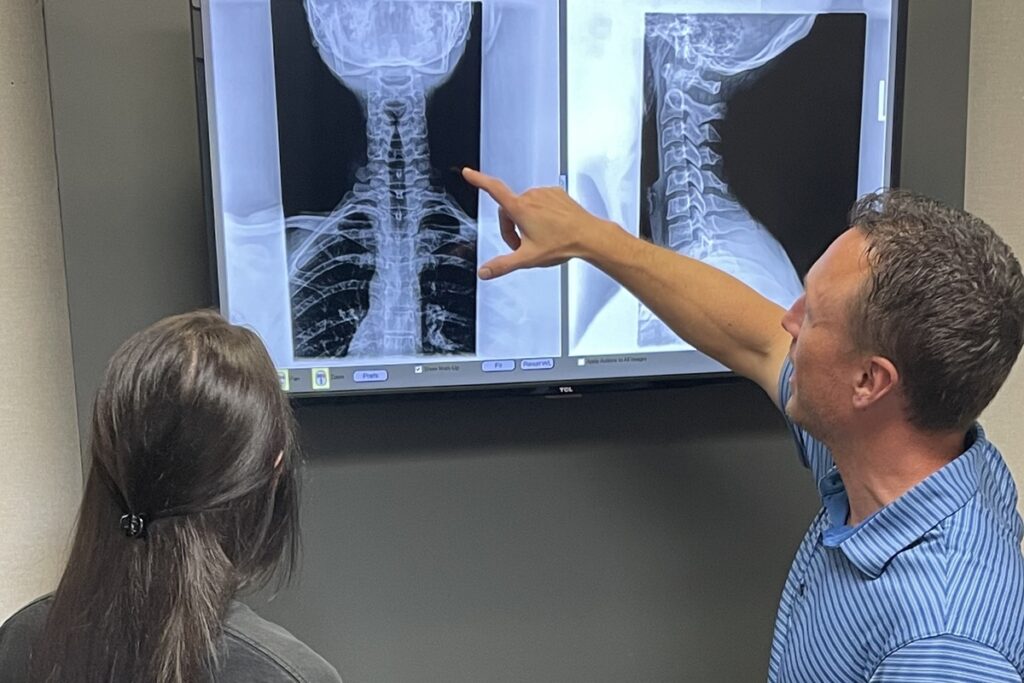
You’ve likely experienced how poor posture can impact your everyday life—maybe it leads to persistent back pain or a dip in your energy levels. Recognizing the importance of maintaining good posture is crucial for your overall health, and it’s a key focus in chiropractic care. In this guide, we’ll share practical strategies and exercises that can help you correct your posture and improve your well-being.
Before we dive into solutions, let’s take a moment to look at some common posture problems many of us face, and how they can negatively affect our health. Poor posture can contribute to a range of issues from discomfort and pain to fatigue and stress. The good news is that with the right approach, including chiropractic adjustments, you can alleviate pain and promote better posture.
Chiropractic care is an excellent choice for achieving optimal health and wellness. It not only helps to relieve pain but also addresses the root causes of posture-related issues. By aligning your spine and supporting your nervous system, chiropractic adjustments can help restore balance to your body, allowing you to feel your best.
Here are some general tips you can incorporate into your daily routine to enhance your posture:
- Be Mindful of Your Alignment: Whether sitting, standing, or walking, always try to keep your head over your shoulders, and your shoulders over your hips. This alignment helps reduce strain on your spine.
- Take Frequent Breaks: If you spend long hours sitting, make it a point to stand up and stretch every 30 minutes. Simple stretches can release tension and reset your posture.
- Strengthen Your Core: Engaging in core-strengthening exercises can provide better support for your spine, making it easier to maintain good posture throughout the day.
- Use Supportive Furniture: Invest in a chair that supports your lower back, and consider using a supportive cushion if needed. Your workspace setup can significantly impact your posture.
- Stay Active: Regular physical activity helps to strengthen muscles, improve flexibility, and promote overall well-being. Activities like yoga or Pilates can be particularly beneficial for posture.
Remember, chiropractic care is here to support you on your journey to better health. If you’re experiencing pain or discomfort related to poor posture, consider visiting a chiropractor who can offer personalized care to help you feel better and live well. Together, we can work towards achieving and maintaining optimal health through natural healing and a focus on improving your posture.
Key Takeaways
- To support your spinal health, it’s vital to maintain good posture. Regularly check your alignment and keep your shoulders back. This simple habit can make a significant difference in how you feel throughout the day.
- Consider making ergonomic adjustments to your workspace. By ensuring your chair, desk, and computer are set up correctly, you can reduce strain on your body and promote proper alignment while working. This is a great way to complement chiropractic care, which focuses on restoring balance and alignment to your spine.
- Strengthening your core is essential for spinal stability. Exercises such as planks and bridges can help support your spine and alleviate discomfort. Remember, a strong core is a key component of overall health, and chiropractic adjustments can enhance the effectiveness of your workouts by ensuring your spine is in optimal alignment.
- Daily mindfulness and stretching are excellent practices for long-term posture awareness and muscle flexibility. Take a few moments each day to focus on your breathing and stretch your muscles. This not only helps with posture but also complements the natural healing benefits of chiropractic care.
- Don’t forget to take regular breaks during your day! Stand up, stretch, and move around to reduce fatigue and improve circulation. These short breaks can have a positive impact on your overall wellness, and when combined with chiropractic adjustments, you’ll feel even better as your body recovers and maintains its natural alignment.
By incorporating these tips into your daily routine and considering chiropractic care, you can take proactive steps toward achieving optimal health and wellness.
Understanding the Importance of Good Posture
Good posture is vital not only for projecting confidence but also for your overall health and well-being. When you maintain a straight posture, you support your spine, which is crucial for reducing stress on your muscles and joints. This alignment not only helps improve your breathing and circulation but also ensures that your body receives the oxygen and nutrients essential for optimal health.
As a chiropractor, I can tell you that good posture can significantly enhance your mood and energy levels. Standing or sitting upright encourages alertness and engagement, allowing you to tackle your day with vigor. Additionally, maintaining proper posture is key to preventing fatigue, as slouching can lead to unnecessary strain and discomfort, often resulting in pain.
You can make a big difference in your posture by simply adjusting your daily habits. Here are some practical tips to keep in mind:
- Be Mindful of Your Alignment: Whether you’re at a desk or walking, regularly check in on your posture. Aim to keep your shoulders back and your head aligned over your spine.
- Take Breaks: If you work at a desk, make it a habit to stand up and stretch every 30 minutes. This can relieve pressure on your spine and muscles.
- Ergonomic Setup: Ensure your workspace is set up to promote good posture. Your chair should provide support for your lower back, and your computer screen should be at eye level.
- Strengthen Core Muscles: Engaging in exercises that strengthen your core can provide better support for your spine, making it easier to maintain good posture throughout the day.
- Chiropractic Care: Regular visits to a chiropractor can help ensure your spine is aligned properly and functioning optimally. Chiropractic adjustments can relieve pain and discomfort, allowing you to maintain better posture naturally.
Common Posture Problems and Their Effects
As you go about your daily activities, it’s easy to overlook the subtle ways posture problems can sneak in and impact your health. Poor posture is more than just a minor annoyance; it can lead to a host of issues, including back pain, headaches, and overall discomfort. You may catch yourself slouching at your desk or hunching over your phone, putting unnecessary strain on your muscles and joints.
Let’s take a look at some common posture problems and their effects:
| Posture Problem | Effects |
|---|---|
| Slouching | Back and neck pain |
| Forward head posture | Tension headaches |
| Rounded shoulders | Shoulder and upper back pain |
| Swayback posture | Lower back discomfort |
| Crossed legs sitting | Hip and knee strain |
Being aware of these posture issues is the first step toward making positive changes. As a chiropractor, I can tell you that correcting your posture can significantly enhance your overall well-being. Here are some simple tips to help you improve your posture and support your spine:
- Set Up Your Workspace: Ensure your desk and chair support good posture. Your feet should be flat on the floor, and your screen should be at eye level to prevent straining your neck.
- Take Regular Breaks: If you sit for long periods, stand up, stretch, and move around every 30 minutes. This helps relieve muscle tension and promotes better alignment.
- Strengthen Your Core: Engaging in exercises that strengthen your core can help support your spine and improve your posture.
- Stay Mindful: Pay attention to your posture throughout the day. When sitting, standing, or walking, keep your shoulders back, head up, and spine straight.
- Consider Chiropractic Care: Regular chiropractic adjustments can help correct misalignments in your spine, alleviate pain, and improve your posture. It’s a natural way to promote healing and maintain your overall health.
Tips for Improving Your Posture at Work
While you’re busy tackling your tasks at work, it’s all too easy to overlook your posture, which can lead to discomfort and potential health issues. As a chiropractor, I want to emphasize the importance of good posture not only for your comfort but also for your overall spinal health. Here are some simple tips to help you improve your posture and promote natural wellness at your workplace.
Start by adjusting your chair height so your feet rest flat on the floor. Your knees should be at a 90-degree angle, and your hips should be slightly higher than your knees. This position helps maintain the natural curve of your spine. Keep your back straight and shoulders relaxed—avoid slouching, as this can put unnecessary strain on your spine.
Make sure your computer screen is positioned at eye level. This way, you won’t have to crane your neck, which can lead to stiffness and discomfort. A supportive chair that promotes good posture is essential. If your chair lacks lumbar support, consider using a lumbar roll to help maintain the natural curve of your lower back.
In addition to these adjustments, remember to take regular breaks. Standing up, stretching, and walking around not only helps your posture but also increases your productivity. Movement is vital for spinal health and can enhance your overall well-being.
Lastly, stay mindful of your posture throughout the day. Set reminders to check in with your alignment and make small adjustments as needed. These simple changes can make a significant difference in your comfort and health at work.
If you’re struggling with pain or discomfort, I encourage you to consider chiropractic care as a natural and effective way to achieve optimal health and relief. Regular adjustments can help maintain proper spinal alignment, reduce pain, and enhance your wellness journey. Remember, your spine is the foundation of your health—let’s keep it in top shape!
Exercises to Strengthen Postural Muscles
To improve your posture, it’s essential to focus on exercises that strengthen your core and upper back. These areas play a crucial role in supporting your spine and maintaining proper alignment. Additionally, incorporating flexibility and stretching routines can further enhance your overall posture.
As a chiropractor, I believe that chiropractic care is the best way to achieve optimal health and wellness. It’s a natural approach that addresses the root causes of discomfort and misalignment, ensuring that your body functions at its best.
Let’s explore some effective exercises that can help you achieve better posture, along with some tips to support your journey toward a healthier spine:
- Core Strengthening: Engage in exercises like planks and bridges. These not only strengthen your core but also provide stability to your spine.
- Upper Back Strengthening: Incorporate rows or shoulder blade squeezes into your routine. These exercises target the muscles that keep your shoulders back and your spine aligned.
- Stretching and Flexibility: Don’t forget to stretch! Gentle stretches for your chest and shoulders can counteract the effects of sitting for long periods and help open up your posture.
- Daily Habits: Pay attention to your posture throughout the day. Whether sitting at a desk or standing, make an effort to keep your shoulders back and your spine straight.
- Regular Chiropractic Care: Regular visits to a chiropractor can help maintain your spinal alignment and overall health. Chiropractic adjustments can relieve tension, improve mobility, and enhance your posture.
By incorporating these exercises and tips into your routine, you can take meaningful steps toward better posture and overall wellness.
Core Strengthening Exercises
Strengthening your core isn’t just about looking good; it’s crucial for maintaining proper posture and overall health, which are key components of chiropractic care. A strong core provides support for your spine, helping to keep your body aligned and reducing strain on your muscles. This alignment is essential for preventing pain and promoting natural healing.
To get started with core strengthening, I recommend some simple yet effective exercises that you can do at home. First, try planks. Hold a plank position for 30 seconds, making sure to engage your abdominal muscles. This exercise not only strengthens your core but also helps stabilize your spine.
Next, consider bridges. Lie on your back with your knees bent and feet flat on the floor. Lift your hips towards the ceiling while squeezing your glutes at the top. This move is excellent for strengthening the lower back and pelvis, which are crucial for spinal health.
Bird-dogs are another fantastic exercise. Begin on all fours and extend one arm forward while extending the opposite leg back. This helps improve balance and coordination while working your core. Remember to switch sides to maintain balance.
Finally, try dead bugs. Lie on your back and extend your arms and legs towards the ceiling. Slowly lower one arm and the opposite leg towards the floor, keeping your core tight throughout the movement. Alternate sides to engage all areas of your core.
Incorporating these exercises into your routine can significantly enhance your core strength, which in turn supports your spine and improves your posture. Remember, a strong core is a foundation for a healthy body.
For any concerns regarding pain or discomfort, consider consulting with a chiropractor who can provide personalized advice and support for your journey to optimal health. Prioritizing your spinal health through these exercises and regular chiropractic care can lead to a more active, pain-free life.
Upper Back Workouts
Building a strong core is crucial for enhancing your upper back strength, which is vital for maintaining good posture and overall spinal health. As a chiropractor, I encourage incorporating specific upper back workouts into your routine to promote muscle balance, alleviate discomfort, and support your natural healing process.
Here are some effective exercises to help you get started:
- Bent-over Rows: This exercise engages your lats and rhomboids while keeping your spine in a neutral position. It helps strengthen your back muscles, which can support better posture and reduce strain.
- Pull-Ups: A fantastic way to challenge your upper back and improve your overall strength. If you find pull-ups difficult, consider using resistance bands for assistance or try lat pull-downs as an alternative.
- Face Pulls: This exercise targets the rear deltoids and upper traps, promoting better posture. It’s particularly beneficial for counteracting the effects of prolonged sitting and desk work.
- Reverse Flyes: Great for strengthening the upper back and enhancing scapular stability. This exercise can help correct imbalances caused by everyday activities.
- Seated Cable Rows: Focus on your form and control while performing this exercise. It’s an excellent way to work on your back while ensuring that you maintain proper alignment, which is essential for spinal health.
Incorporating these exercises into your regular routine can lead to noticeable improvements in your posture and overall well-being. Remember, regular chiropractic care can further support these efforts, helping to align your spine and enhance your body’s natural ability to heal.
Always listen to your body, and don’t hesitate to reach out to your chiropractor for personalized advice and support on your journey to optimal health.
Flexibility and Stretching
While many people emphasize strength training for better posture, it’s crucial to remember that flexibility and stretching exercises are just as important for maintaining a healthy spine. These exercises help lengthen tight muscles, improve your range of motion, and enhance overall stability, which are all vital for spinal health.
Begin your routine with some dynamic stretches to warm up, such as gentle arm circles and torso twists. These movements prepare your body for activity and get your blood flowing. After your workout, turn your focus to static stretches, like the chest opener and seated forward fold. These stretches not only relieve tension but also promote relaxation, supporting your body’s alignment.
Incorporating practices like yoga and Pilates can also be beneficial. They improve flexibility while specifically targeting the muscles that support good posture. As you stretch, remember to hold each position for at least 20-30 seconds and breathe deeply. This mindful breathing helps your body relax, allowing the muscles to release tension.
Ergonomic Solutions for Everyday Activities
To enhance your posture during daily activities, it’s crucial to create an ergonomic workspace that supports your spine. As a chiropractor, I often emphasize the importance of being mindful of how you use your mobile devices and the techniques you employ while sitting. Proper posture can make a significant difference in your overall comfort and health.
Here are some simple tips to improve your daily habits:
- Adjust Your Workspace: Ensure that your computer screen is at eye level and your chair provides adequate support for your lower back. This helps reduce strain on your spine.
- Mind Your Mobile Devices: When using your phone or tablet, bring the device up to eye level instead of bending your neck down. This simple change can help prevent neck pain and discomfort.
- Take Regular Breaks: Standing up and stretching every 30 minutes can make a big difference. It reduces stiffness and promotes better circulation, which is essential for spinal health.
- Practice Good Sitting Techniques: Sit all the way back in your chair with your feet flat on the ground. This encourages better alignment of the spine.
- Integrate Chiropractic Care: Regular visits to a chiropractor can help maintain proper spinal alignment and alleviate any discomfort you may experience. Chiropractic care is a natural and effective way to support your overall health and well-being.
By making these adjustments and considering chiropractic care as part of your wellness routine, you can greatly enhance your comfort and promote a healthier lifestyle.
Desk Setup Essentials
A well-organized desk setup can significantly enhance your comfort and productivity, and it’s essential to prioritize your spinal health while you work. Here are some key essentials to create an ergonomic workspace that supports your overall well-being:
- Adjustable chair: Choose a chair that offers lumbar support for your lower back. This support is crucial in maintaining the natural curve of your spine. Ensure your feet rest flat on the floor to promote proper posture.
- Monitor height: Set your monitor at eye level, approximately an arm’s length away. This positioning helps you avoid neck strain, which is often linked to poor desk ergonomics. Remember, a well-aligned neck can lead to fewer headaches and discomfort.
- Keyboard and mouse placement: Keep your keyboard and mouse close to your body and at elbow height. This allows your arms to rest comfortably by your sides, reducing tension in your shoulders and neck. A neutral wrist position while typing can also prevent repetitive strain injuries.
- Desk surface: Opt for a spacious desk to minimize clutter. A clean workspace not only fosters productivity but also gives you the space needed for writing or using your laptop without straining your back.
- Proper lighting: Use adjustable lighting to reduce glare on your screen. Good lighting not only minimizes eye strain but also helps you maintain better posture as you’re less likely to lean forward to see your work.
By implementing these tips, you can create a workspace that promotes spinal health and overall wellness.
Mobile Device Usage
Mobile devices have become an essential part of our everyday routines, but improper use can lead to discomfort and even long-term health problems. As a chiropractor, I want to share some helpful ergonomic tips to improve your posture while using these devices and promote overall wellness:
| Tip | Description | Benefits |
|---|---|---|
| Hold at Eye Level | Elevate your device to eye level. | This simple adjustment reduces neck strain and tension, making it easier on your spine. |
| Use Both Hands | Whenever possible, type with both hands. | Using both hands helps distribute the workload evenly, increasing your efficiency and promoting balance in your posture. |
| Take Breaks | Set reminders to take a break every 20-30 minutes. | Regular breaks help decrease fatigue and strain, allowing your body to recover and stay aligned. |
| Adjust Screen Brightness | Modify your screen’s brightness for comfort. | Proper brightness can reduce eye strain, which aids in maintaining a relaxed posture. |
Incorporating these tips into your daily routine can help you maintain better spinal health while using your mobile devices. Remember, chiropractic care is a natural and effective way to relieve pain and support your journey to optimal health. If you experience discomfort or have questions about your posture, don’t hesitate to seek the guidance of a chiropractor who can assist you in achieving wellness naturally.
Proper Sitting Techniques
Improper posture while using mobile devices can lead to poor sitting habits, which may contribute to discomfort and pain in your back and neck. As a chiropractor, I want to emphasize the importance of ergonomics to enhance your overall health and wellness.
Here are some simple yet effective tips to improve your sitting posture and support your spine:
- Feet Flat on the Ground: Ensure your feet are flat on the floor or on a footrest. This helps stabilize your body and encourages proper alignment.
- Chair Height Adjustment: Adjust your chair height so that your knees are bent at a 90-degree angle. This position supports healthy circulation and reduces strain on your lower back.
- Full Back Support: Sit back in your chair with your back fully supported. Using a small cushion or lumbar roll can provide extra support and help maintain the natural curve of your spine.
- Screen at Eye Level: Position your screen at eye level to avoid straining your neck. This simple adjustment can prevent tension and discomfort in your upper back and shoulders.
- Regular Breaks: Take regular breaks to stand, stretch, and walk around. Movement is crucial for spinal health, and these breaks can help relieve tension and improve circulation.
By incorporating these tips into your daily routine, you can enhance your sitting posture and promote better spinal health.
Maintaining Good Posture: Long-term Strategies
Maintaining good posture isn’t just about looking confident; it’s essential for your overall health and well-being. While many people seek quick fixes for posture correction, achieving and sustaining good posture requires a proactive and long-term approach. One of the best ways to support your body’s alignment and health is through chiropractic care. Regular adjustments can help realign your spine, relieve tension, and improve your posture naturally.
To complement your chiropractic care, consider establishing a daily routine that includes exercises aimed at strengthening your core and back muscles. These exercises will not only enhance your posture but can also alleviate discomfort and prevent future issues. Additionally, incorporating stretching into your routine helps keep your muscles flexible and reduces tension, further supporting your spinal health.
Here’s a simple strategy table to help you stay on track with maintaining good posture:
| Strategy | Frequency | Duration |
|---|---|---|
| Core Strengthening | 3 times a week | 30 minutes |
| Stretching | Daily | 10-15 minutes |
| Chiropractic Check-up | Monthly | 1 hour |
| Mindfulness Practice | Daily | 5-10 minutes |
Conclusion
Incorporating posture correction strategies into your daily routine can significantly improve your overall health and well-being. As a chiropractor, I want to emphasize the vital role that good posture plays in maintaining a healthy spine. By recognizing common posture issues and embracing ergonomic solutions, you are taking important steps toward a pain-free life.
Strengthening your postural muscles is crucial. Simple exercises, like shoulder blade squeezes and core strengthening moves, can help support your spine and improve alignment. Additionally, making mindful adjustments to your workspace can alleviate strain on your body. For instance, ensure your computer screen is at eye level and that your chair supports your lower back effectively.
Remember, consistency is key! Regularly practicing these techniques will lead to lasting improvements in your posture and overall health. And if you’re experiencing discomfort or pain, chiropractic care is an excellent option for natural relief. Chiropractors are trained to help you achieve optimal health through spinal adjustments and holistic wellness strategies.
By prioritizing your posture and seeking chiropractic care when needed, you’re on the right path to a healthier, more vibrant life. Keep these tips in mind as you work toward better posture and wellness!