When it comes to athletic recovery, understanding how to genuinely speed up the healing process is crucial. Many believe that simply resting is sufficient, but there’s so much more involved. Incorporating smart nutrition choices along with effective active recovery techniques can significantly enhance your recovery journey. One key element that often gets overlooked is the importance of spinal health, which plays a vital role in your overall wellness and performance.
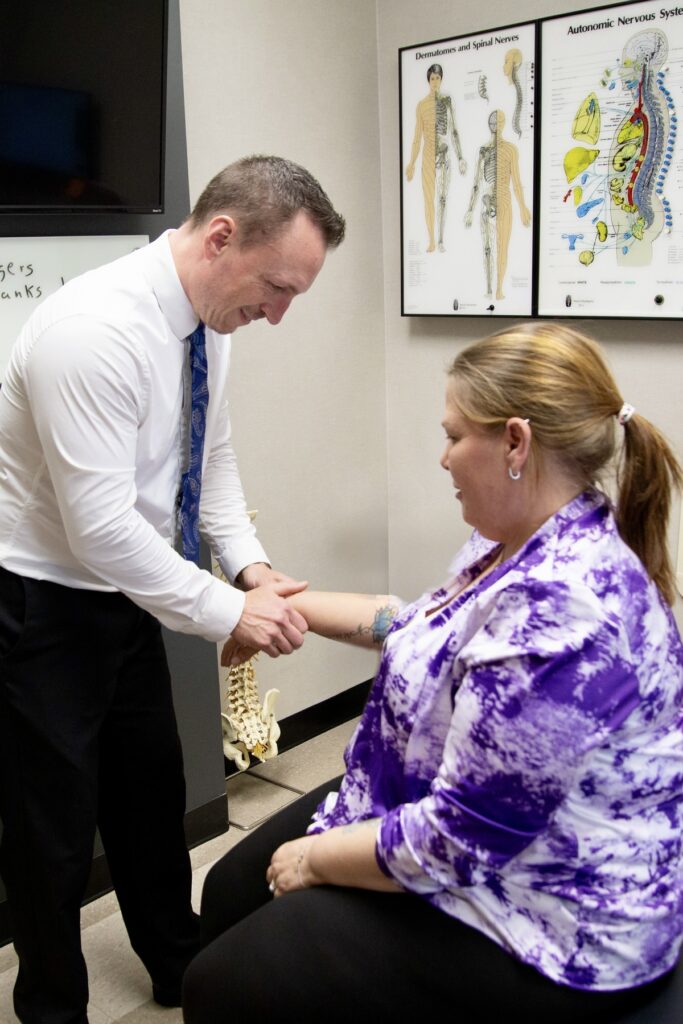
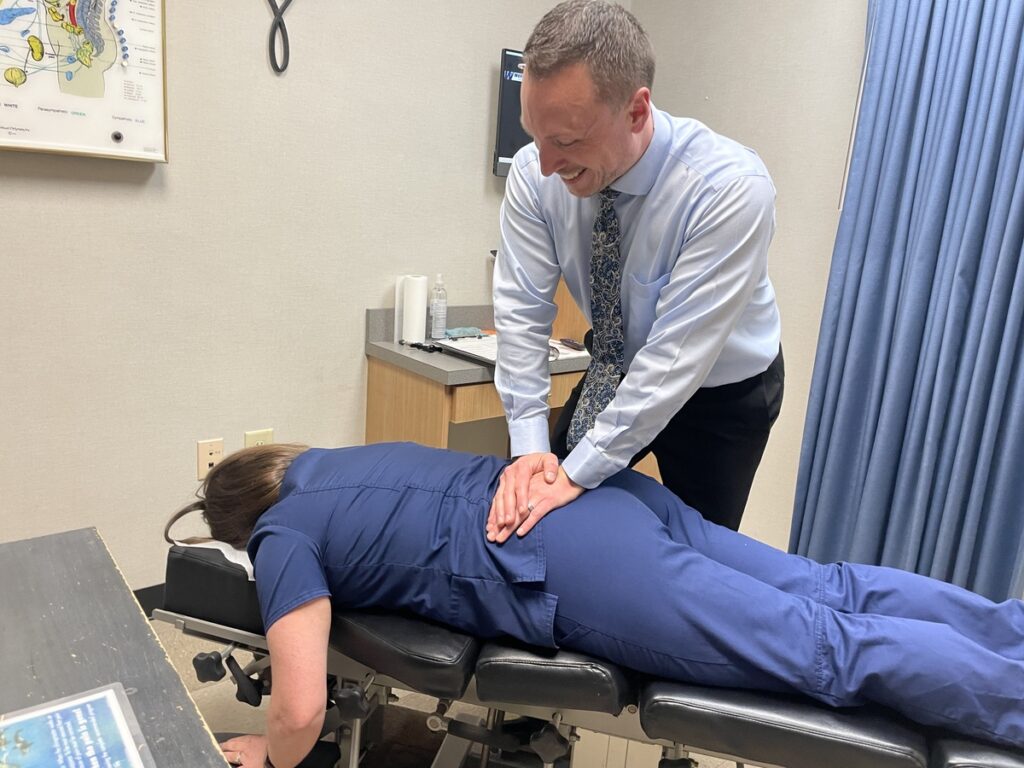
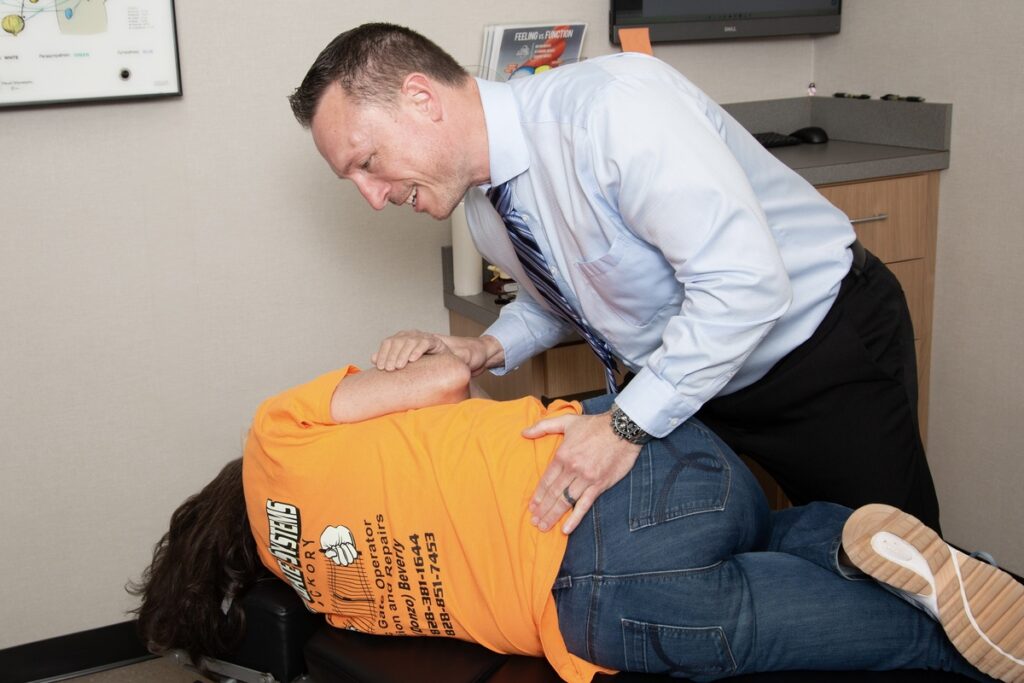
As a chiropractor, I want to emphasize that maintaining a healthy spine is essential for optimal athletic recovery. Chiropractic care focuses on aligning the spine and ensuring the nervous system functions properly, which can lead to improved circulation, reduced inflammation, and quicker healing processes. By addressing any misalignments, you can alleviate discomfort and enhance your body’s natural ability to recover.
So, what are some practical strategies you can implement to elevate your recovery game? Here are a few tips:
- Stay Hydrated: Water is your body’s best friend. Proper hydration supports muscle recovery and helps flush out toxins, ensuring your body is primed for healing.
- Eat Nutrient-Dense Foods: Focus on whole foods rich in vitamins and minerals. Foods like leafy greens, lean proteins, and healthy fats nourish your body and can aid in reducing inflammation.
- Incorporate Active Recovery: Gentle movement, such as walking or stretching, can promote blood flow to sore muscles, facilitating quicker recovery.
- Prioritize Spinal Health: Regular visits to a chiropractor can help keep your spine aligned, which supports better overall health and enhances your recovery from intense workouts or injuries.
- Listen to Your Body: Pay attention to how you feel. If something doesn’t seem right, it’s important to consult with a chiropractor who can assess your condition and provide tailored care.
By integrating these strategies into your routine, you can significantly improve your recovery time and enhance your athletic performance. Remember, chiropractic care is a natural and effective way to achieve optimal health, so don’t hesitate to seek out a chiropractor for supportive care on your recovery journey. Together, we can help you stay active and feel your best!
Key Takeaways
- Incorporate active recovery days with low-intensity activities like walking or gentle yoga. These activities help promote blood flow and reduce muscle soreness, making them a great complement to chiropractic care for overall recovery.
- Staying properly hydrated is essential for recovery. Make it a habit to drink water consistently throughout the day. After exercise, consider electrolyte-rich beverages to help replenish what your body loses. Hydration supports your body’s healing processes and works hand-in-hand with chiropractic adjustments.
- Quality sleep is crucial for muscle repair and overall well-being. Establishing a consistent sleep schedule and creating a comfortable, quiet sleep environment can significantly enhance your recovery. Chiropractic care can also support better sleep patterns by relieving tension in your body.
- Manual therapies, particularly chiropractic care, are key to maintaining spinal alignment and reducing tension throughout your body. Regular chiropractic adjustments can enhance circulation, which is vital for optimal recovery and overall health.
- Balance your nutrition with a mix of carbohydrates, proteins, and healthy fats to aid in muscle repair and energy replenishment. A nutritious diet complements the benefits of chiropractic care by providing your body with the necessary building blocks for recovery and optimal performance.
By integrating these practices with regular chiropractic care, you can support your body’s natural healing abilities and achieve a higher level of wellness.
The Importance of Active Recovery
Understanding the importance of active recovery can significantly enhance your athletic performance and overall wellness.
Instead of opting for complete rest after intense workouts, consider engaging in low-intensity activities like walking, cycling, or swimming.
These gentle movements help keep your blood flowing, which can reduce muscle soreness and assist your body in clearing out metabolic waste products.
Incorporating active recovery into your routine not only helps you feel better but also promotes flexibility and range of motion—crucial factors in preventing injuries.
As a chiropractor, I can attest to the benefits of maintaining a healthy spine and muscular system for optimal performance.
By focusing on active recovery, you’re not just resting; you’re actively supporting your body’s healing process.
Here are some tips to effectively integrate active recovery into your lifestyle:
1. Schedule Regular Low-Intensity Workouts: Aim for at least one or two active recovery sessions each week.
These can be leisurely walks or gentle swim sessions that keep you moving without straining your body.
2. Listen to Your Body: Pay attention to how your body feels.
If you’re experiencing discomfort or tightness, a gentle stretch or a chiropractic adjustment might be beneficial.
3. Stay Hydrated: Drinking enough water helps flush out toxins and supports recovery.
Make hydration a priority, especially after workouts.
4. Consider Chiropractic Care: Regular visits to your chiropractor can help ensure your spine is aligned and your muscles are functioning optimally, enhancing your recovery and overall health.
5. Incorporate Flexibility Exercises: Simple stretching or yoga routines can expand your range of motion and reduce the risk of injuries.
Active recovery is an essential component of a healthy lifestyle.
By prioritizing gentle movement and chiropractic care, you can achieve better pain relief, improve your overall wellness, and enhance your athletic performance naturally.
Nutrition for Optimal Recovery
To recover effectively, focusing on proper nutrition is essential, especially when it comes to supporting your spine and overall well-being. Hydration plays a crucial role, as it helps maintain muscle function and aids in the recovery process. Remember, a well-hydrated body allows your spine to work optimally, reducing discomfort and promoting healing.
Balancing your macronutrients—carbohydrates, proteins, and fats—is key to repairing your body and restoring energy levels after intense workouts. Incorporating whole foods rich in these nutrients not only fuels your recovery but also supports spinal health. Foods like lean proteins, whole grains, healthy fats, and plenty of fruits and vegetables can do wonders for your body.
As a chiropractor, I encourage you to consider how chiropractic care can complement your recovery efforts. Regular adjustments can help align your spine, reduce tension, and improve your body’s ability to heal naturally. By prioritizing both nutrition and chiropractic care, you can achieve optimal health and wellness.
Here are some general tips to enhance your recovery:
- Stay hydrated throughout the day, aiming for at least eight glasses of water.
- Include a source of protein in every meal to support muscle repair.
- Incorporate colorful fruits and vegetables for essential vitamins and minerals that aid in recovery.
- Consider scheduling regular chiropractic visits to maintain spinal alignment and overall health.
Hydration Importance
Hydration is crucial for your athletic recovery and overall wellness, playing a significant role in how energized you feel after a workout. When you exercise, your body loses fluids through sweat, and if you don’t replenish those fluids, you risk dehydration. Staying properly hydrated not only helps maintain your body’s temperature and supports muscle function, but it also aids in transporting essential nutrients throughout your system.
As a chiropractor, I emphasize the importance of hydration in promoting optimal health and recovery. Drinking plenty of water before, during, and after your workouts is essential. Additionally, considering electrolyte-rich beverages can help restore lost minerals, further enhancing your recovery process. A good rule of thumb is to aim for clear or light-colored urine, which indicates proper hydration.
Macronutrient Balance
While staying hydrated is crucial for recovery, achieving the right balance of macronutrients—carbohydrates, proteins, and fats—is just as important for optimizing your athletic performance and overall health.
Each of these nutrients plays a vital role in helping your body recover after exercise. Carbohydrates help replenish glycogen stores, which provide you with energy for your next workout. Protein is essential for repairing and building muscle, allowing you to come back even stronger. And let’s not forget about healthy fats; they support hormone production and contribute to your overall well-being.
After your workout, aim to enjoy a recovery meal that includes a good mix of these macronutrients within about 30 minutes. A simple and effective option could be chicken paired with quinoa and avocado. Remember, you can adjust your meal based on how intense your training was and what your body specifically needs.
In addition to focusing on nutrition, chiropractic care can also play a vital role in your recovery and overall wellness. Regular chiropractic adjustments can help maintain proper spinal alignment, which supports your body’s natural healing processes.
This can enhance your performance, reduce the risk of injury, and help you feel your best as you pursue your fitness goals.
Incorporating chiropractic care into your routine, along with a balanced diet, can lead to optimal health and a more effective recovery. Always listen to your body, and remember that the right care and nutrition go hand in hand for a healthier lifestyle.
Hydration: The Key to Healing
Hydration is essential for your recovery and overall wellness, especially when it comes to maintaining a healthy spine. As a chiropractor, I want to emphasize that proper hydration can significantly impact how your body heals and performs. When you’re dehydrated, it can hinder your body’s ability to function optimally, which can lead to discomfort and prolonged recovery times.
Water plays a vital role in transporting nutrients, which means it helps deliver essential vitamins and minerals to your muscles and tissues, including those that support your spine. Staying well-hydrated also aids in flushing out toxins and can help reduce inflammation, which is crucial for recovery.
To support your healing journey, aim to drink water consistently throughout the day—not just when you’re exercising. Make it a habit to monitor your fluid intake, and be aware of signs that you might be dehydrated, such as fatigue or dizziness. Adding electrolytes to your hydration routine can be beneficial, especially after intense physical activities, to help replenish what your body loses.
The Role of Sleep in Recovery
After ensuring you’re well-hydrated, let’s talk about another crucial element of recovery: sleep. Quality sleep is vital for healing and rejuvenating your body, especially after intense workouts and daily activities. Here’s how you can enhance your rest for better recovery and overall wellness:
- Aim for 7-9 hours: Make it a priority to establish a consistent sleep schedule. This helps your body repair muscles and replenish energy, supporting your overall health and wellness.
- Create a sleep-friendly environment: Your bedroom should be a sanctuary for rest. Keep it dark, cool, and quiet to encourage deeper, more restorative sleep. Consider using blackout curtains and a white noise machine if needed.
- Limit screen time: Try to reduce your exposure to screens at least an hour before bed. The blue light emitted from devices can interfere with your body’s natural sleep cycle, making it harder to wind down.
- Incorporate relaxation techniques: Engaging in practices like meditation or deep breathing exercises can help calm your mind. These techniques not only prepare you for restful sleep but can also ease tension in your body, promoting better spinal health.
Remember, chiropractic care can also play a significant role in enhancing your sleep quality. Regular adjustments help align your spine, reduce tension, and improve overall well-being, making it easier for you to achieve the restorative sleep your body needs.
Stretching and Mobility Techniques
Incorporating stretching and mobility techniques into your routine is essential for enhancing your recovery and preventing injuries, and chiropractic care can significantly support these efforts. Before you engage in any physical activity, dynamic stretching is a great way to get your blood flowing and prepare your muscles for action. Focus on movements that mimic your sport, such as leg swings or arm circles, to improve your range of motion.
Post-workout, static stretching is your friend. This helps alleviate muscle tightness and promotes flexibility. Aim to hold each stretch for at least 20-30 seconds. This not only helps lengthen your muscles but also reduces soreness, making it an important part of your recovery process.
Mobility drills, like hip openers and ankle mobility exercises, are also beneficial. These drills enhance joint function and stability, which not only aids in your recovery but also improves your overall performance. By integrating chiropractic care into your routine, you can optimize your body’s function and support these mobility efforts.
Always listen to your body and adjust your stretching routine based on your specific needs. Chiropractic care can help identify areas of tension or misalignment that may be limiting your mobility. By making these techniques a priority and considering chiropractic care, you can boost your recovery, enhance your performance, and keep injuries at bay. Remember, a well-aligned spine is crucial for overall health and wellness!
Massage and Foam Rolling Benefits
Massage and foam rolling can significantly enhance your recovery routine, especially when paired with regular chiropractic care. By promoting better muscle circulation, these techniques help ensure that your body delivers essential nutrients more effectively, reducing muscle soreness after those intense workouts.
Incorporating massage and foam rolling into your wellness regimen not only helps you feel better but also complements the natural healing benefits of chiropractic adjustments. Regular chiropractic care focuses on aligning your spine and improving overall body function, which can further enhance the benefits of these recovery techniques.
Here are a few tips to get the most out of your massage and foam rolling practices:
- Listen to Your Body: Pay attention to areas that feel tight or sore. Focusing on these spots can help release tension and improve recovery.
- Stay Consistent: Make foam rolling and massage part of your regular routine, especially after workouts, to maintain optimal muscle health.
- Combine Techniques: Consider scheduling regular chiropractic visits alongside your massage and foam rolling sessions for a comprehensive approach to wellness.
- Hydrate: Drinking plenty of water before and after these practices can help flush out toxins and keep your muscles hydrated.
Enhanced Muscle Circulation
As you push your limits in training, it’s essential to prioritize your recovery, and one of the best ways to do that’s through enhanced muscle circulation. Techniques such as massage and foam rolling can significantly support your body’s natural healing processes. These methods promote blood flow, which is crucial for delivering nutrients and oxygen to your muscles. Here’s how they can benefit you:
- Improved Blood Flow: Better circulation helps clear out waste products from your muscles, keeping them healthy and reducing soreness.
- Faster Recovery: By enhancing circulation, you support your body’s natural ability to repair muscle fibers, allowing you to recover more quickly after intense workouts.
- Increased Flexibility: Regular foam rolling can help relieve tightness in your muscles, improving your range of motion and making your movements smoother.
- Stress Relief: Both massage and foam rolling not only aid in recovery but also help reduce tension, promoting a sense of relaxation and well-being.
Incorporating these techniques into your routine can significantly enhance your athletic performance and overall health.
Additionally, chiropractic care can play a vital role in your recovery journey. By addressing spinal alignment and improving nervous system function, chiropractic adjustments can further enhance your body’s ability to heal and thrive.
For optimal health, consider integrating regular chiropractic sessions into your wellness routine. This natural approach supports pain relief and encourages a healthier lifestyle, helping you achieve your fitness goals without the need for medications or invasive procedures.
Reduced Muscle Soreness
Athletes often deal with muscle soreness after intense workouts, which is why it’s vital to have effective recovery techniques in place. One of the best ways to promote recovery and reduce discomfort is through chiropractic care. Chiropractic adjustments can help align your spine and improve your overall body function, allowing for better movement and less strain on your muscles.
In addition to chiropractic adjustments, incorporating massage and foam rolling into your routine can also be beneficial. Massage helps increase blood flow and releases tension in your muscles, aiding in faster recovery. It promotes the release of endorphins, which can help alleviate pain and elevate your mood.
Foam rolling serves as a fantastic self-care tool. It targets trigger points and knots in your muscles, breaking them down and enhancing flexibility. By practicing foam rolling regularly, you can reduce soreness and improve your range of motion.
Together, chiropractic care, massage, and foam rolling can speed up your recovery process and prepare your body for future challenges. Here are a few simple tips to help you on your wellness journey:
- Stay Hydrated: Drinking plenty of water aids in muscle recovery and helps reduce soreness.
- Prioritize Sleep: Quality sleep is essential for muscle repair and overall health.
- Listen to Your Body: If you’re feeling particularly sore, give yourself time to rest and recover.
- Maintain Good Posture: Proper alignment can prevent unnecessary strain on your muscles.
Ice Baths vs. Heat Therapy
When it comes to post-exercise recovery, many athletes find themselves wondering whether to reach for an ice bath or opt for heat therapy. Understanding the benefits of each can greatly enhance your athletic performance and overall wellness.
Here’s a simple comparison to help you make an informed choice:
- Ice Baths: These are known for reducing inflammation and numbing pain, making them a great option after intense workouts. They can help your body recover faster by decreasing swelling and soreness.
- Heat Therapy: This method increases blood flow, promoting muscle relaxation and flexibility. It’s particularly beneficial for warming up before exercise or aiding recovery on lighter workout days.
- Timing Matters: For best results, consider using ice baths right after intense training sessions to manage inflammation. Heat therapy can be effective a few hours later when your muscles need relaxation and recovery.
- Listen to Your Body: Everyone’s body reacts differently, so it’s important to pay attention to how you feel with each method. Trying both can help you discover what works best for your individual needs.
In addition to these techniques, incorporating regular chiropractic care into your wellness routine can provide significant benefits. Chiropractic adjustments can enhance your body’s natural healing processes, improve spinal alignment, and reduce pain, helping you recover more effectively from workouts.
Incorporating Rest Days Effectively
Rest days are crucial for your recovery and overall performance, especially when it comes to maintaining a healthy spine and body. By scheduling these rest days wisely and incorporating gentle, active recovery techniques, you can truly maximize their benefits. Let’s explore how to make the most of your rest days for optimal health and peak athletic success, all while emphasizing the importance of chiropractic care.
First, it’s important to remember that rest days allow your body to heal and rejuvenate. Whether you’ve been lifting weights, running, or engaging in any other physical activity, giving your body a break is essential. This is where chiropractic care can play a vital role. Regular visits to a chiropractor can help ensure that your spine is in alignment, reducing any discomfort and enhancing your body’s natural healing processes.
During your rest days, consider incorporating light activities such as walking, gentle stretching, or yoga. These activities not only promote blood flow but also help maintain mobility without straining your muscles or joints. Additionally, practicing good posture during these activities can further protect your spine and prevent any unnecessary pain.
Another effective way to enhance your recovery is by utilizing techniques like foam rolling or gentle massage. These methods can relieve muscle tension and improve circulation, making it easier for your body to heal. If you experience any lingering discomfort or tension, a visit to your chiropractor can provide tailored adjustments that will help restore balance and alleviate pain.
Lastly, don’t forget the importance of hydration and nutrition on your rest days. Staying hydrated and consuming nutrient-rich foods will support your body’s recovery processes and keep your spine healthy. Incorporating natural supplements, as suggested by your chiropractor, can also aid in your overall wellness journey.
Importance of Rest Days
As a local chiropractor, it’s important to emphasize that while you may be eager to keep pushing through your training, incorporating rest days is crucial for achieving peak performance and optimal recovery.
Taking time off allows your body to heal, rebuild, and prevent fatigue or injury, especially when it comes to your spine and overall musculoskeletal health.
Here are some simple tips to make the most of your rest days:
- Listen to Your Body: Pay attention to signals like soreness or fatigue. These are your body’s way of telling you it’s time to take a break and allow your spine to recover.
- Prioritize Sleep: Quality sleep is essential for recovery. It helps repair muscles and replenish energy, which is vital for maintaining a healthy spine. Aim for 7-9 hours of restful sleep each night.
- Stay Hydrated: Proper hydration aids in flushing out toxins and supports overall recovery. Drinking enough water can help keep your spinal discs hydrated, which is important for spinal health.
- Engage in Light Activities: Gentle stretching or leisurely walks can keep you active without overworking your body. This can help maintain mobility and flexibility in your spine while allowing for healing.
By incorporating these practices into your routine, you can enhance your recovery process and promote natural healing.
Remember, chiropractic care can be a fantastic way to support your journey toward optimal health, ensuring that you stay pain-free and active.
If you’re experiencing discomfort, consider visiting a chiropractor to discuss how we can help you achieve a balanced, healthy lifestyle.
Active Recovery Techniques
Incorporating active recovery into your routine can significantly enhance your overall wellness and support your spine’s health. On your rest days, engaging in gentle activities like walking, cycling, or yoga can promote blood flow, which is essential for muscle recovery and reducing soreness. These low-intensity exercises keep your body active while allowing it to heal naturally.
Stretching is particularly important, as it helps improve flexibility and aids in muscle recovery. Regularly incorporating stretches into your routine can also help maintain proper spinal alignment, further enhancing your overall health. Additionally, consider using foam rolling to alleviate tension in your muscles and improve circulation.
Don’t forget that hydration and proper nutrition are crucial during these active recovery days. Fuel your body with nutrient-dense foods to support your recovery and overall health. Remember, chiropractic care is an excellent way to enhance your recovery process. Regular visits to your chiropractor can help keep your spine aligned, alleviate pain, and promote natural healing.
Scheduling Rest Periods
Scheduling rest periods in your training regimen is just as vital as the workouts themselves, especially when considering how it impacts your overall health and wellness. Properly incorporating rest days not only aids in recovery but also helps prevent injuries and supports better performance. Here’s how you can effectively schedule your rest while considering the benefits of chiropractic care:
- Plan Weekly Rest Days: Designate one or two days each week for rest or light activity. This allows your body, particularly your spine, the time it needs to recuperate. Remember, a well-aligned spine can enhance your recovery process.
- Listen to Your Body: If you start feeling fatigued or notice soreness, don’t hesitate to take an extra rest day. Your body is often signaling that it needs a break, and that could be a perfect time to consider a chiropractic adjustment to realign any misalignments that may be causing discomfort.
- Mix Active Recovery: Use rest days for light activities such as walking or gentle yoga. These activities can keep your body engaged without overexerting yourself. They also promote spinal mobility and overall well-being, which is essential for a healthy lifestyle.
- Track Your Progress: Keep a simple journal to monitor how your body responds to different rest schedules. This can help you identify patterns and make necessary adjustments. Additionally, regular visits to your chiropractor can help you assess your progress and maintain optimal spinal health.
Incorporating these tips into your routine not only helps you recover but enhances your overall health and wellness. Remember, chiropractic care is a natural way to support your body through both active and restorative phases of your training!
The Impact of Mindfulness and Relaxation
Amid the hustle of training and competition, incorporating mindfulness and relaxation techniques can significantly enhance your athletic recovery and overall well-being. These practices not only help reduce stress and improve focus but also complement the benefits of chiropractic care, promoting optimal health and natural healing.
By embracing mindfulness and relaxation, you’re allowing your body to recover more efficiently, which is essential for peak performance. Here’s a quick overview of some effective techniques that you can easily include in your routine:
| Technique | Benefits | Suggested Duration |
|---|---|---|
| Deep Breathing | Lowers heart rate and promotes relaxation | 5-10 minutes |
| Meditation | Enhances mental clarity and focus | 10-20 minutes |
| Progressive Muscle Relaxation | Alleviates tension and stress | 15-30 minutes |
| Visualization | Boosts confidence and mental preparedness | 5-10 minutes |
| Yoga | Increases flexibility and promotes spinal health | 20-60 minutes |
Integrating these practices into your daily life can transform your recovery process. Not only do they enhance your physical well-being, but they also align perfectly with the principles of chiropractic care, which focuses on natural healing and maintaining a healthy spine.
As you continue on your journey to optimal health, remember these tips:
- Take a few moments each day for deep breathing exercises to lower stress levels.
- Consider adding a short meditation session after your chiropractic adjustments to reinforce relaxation.
- Use visualization techniques to strengthen your mindset before competitions, enhancing your performance.
Utilizing Technology for Enhanced Recovery
As you consider ways to enhance your recovery journey, it’s important to remember that chiropractic care is a powerful ally in achieving optimal health and wellness. While technology can offer some helpful tools, nothing compares to the natural healing benefits of chiropractic adjustments.
Here are some ways you can enhance your recovery with the support of chiropractic care and complementary technologies:
- Chiropractic Adjustments: Regular visits to your chiropractor can help align your spine, reduce pain, and improve your overall mobility. This is crucial for effective recovery and allows your body to heal naturally.
- Mindfulness Practices: Incorporating mindfulness techniques, such as meditation or deep breathing exercises, can work hand-in-hand with chiropractic care to enhance your mental and physical well-being.
- Movement Tracking: Consider using fitness trackers to monitor your daily activities. While these devices can help you stay aware of your movement, remember that the most important aspect is how well you align your body through chiropractic care.
- Gentle Stretching: After your chiropractic adjustments, gentle stretching can help maintain flexibility and support your recovery. You can find simple stretches online or ask your chiropractor for recommendations that suit your needs.
- Cold Therapy: While cryotherapy chambers are one option, you can also use ice packs at home after strenuous activities to reduce inflammation. This can be especially effective in conjunction with your chiropractic treatments.
Conclusion
Incorporating effective recovery strategies into your routine can significantly enhance your athletic performance while promoting overall health. As a chiropractor, I encourage you to prioritize active recovery, proper nutrition, and hydration, alongside ensuring you get adequate sleep. These elements are essential for your body’s natural healing processes.
Never underestimate the power of stretching and gentle movements to maintain flexibility and prevent injury. Heat therapy can also be a great natural way to soothe sore muscles and joints. Remember, rest days are not just a break—they are crucial for allowing your body to repair and strengthen.
Chiropractic care plays a vital role in your recovery journey. Regular adjustments can help align your spine, reduce pain, and improve mobility, allowing your body to recover more effectively. By addressing any underlying spinal issues, you can enhance your overall well-being and athletic potential.
Mindfulness techniques can also aid in your recovery. Taking time to relax and focus on your mental health can positively impact your physical performance. Additionally, consider using technology like apps that guide you in tracking your recovery process or provide stretching routines.
By integrating these practices and prioritizing chiropractic care, you’ll not only speed up your recovery but also pave the way for a healthier, more active lifestyle. Remember, your journey to optimal health starts with taking care of your spine and embracing natural, holistic wellness solutions.