You might think that pushing through pain is the secret to achieving your athletic goals. The popular saying “no pain, no gain” has become a staple in sports culture. However, this mindset can lead you to overlook a crucial component of athletic success: recovery. Misunderstandings about rest, coupled with pressure from coaches and teammates, can cloud your judgment when it comes to optimizing your performance.
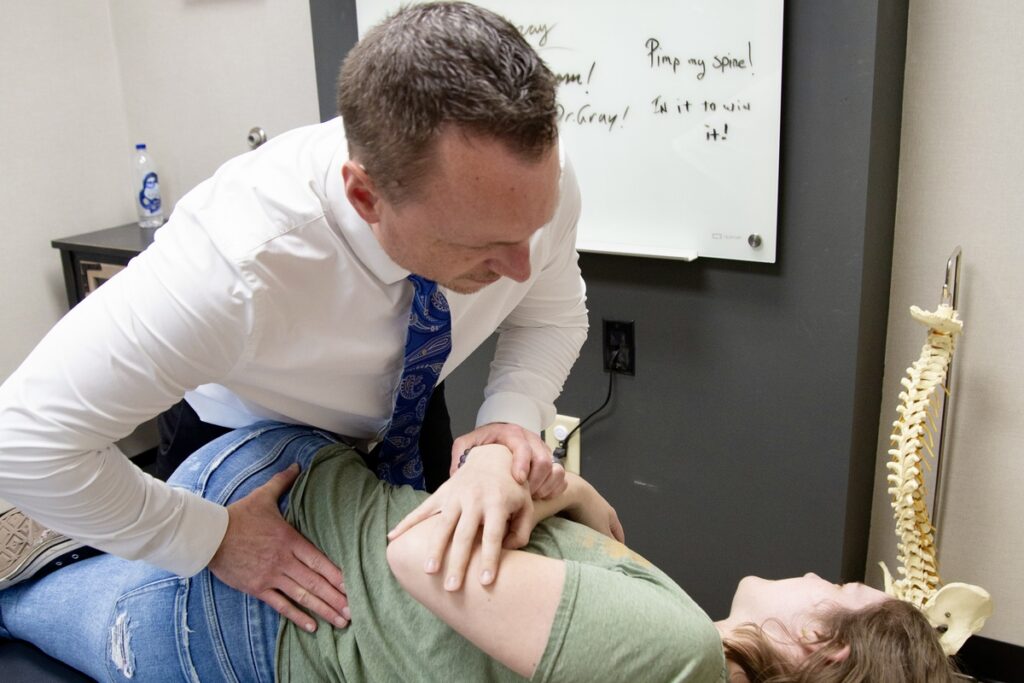
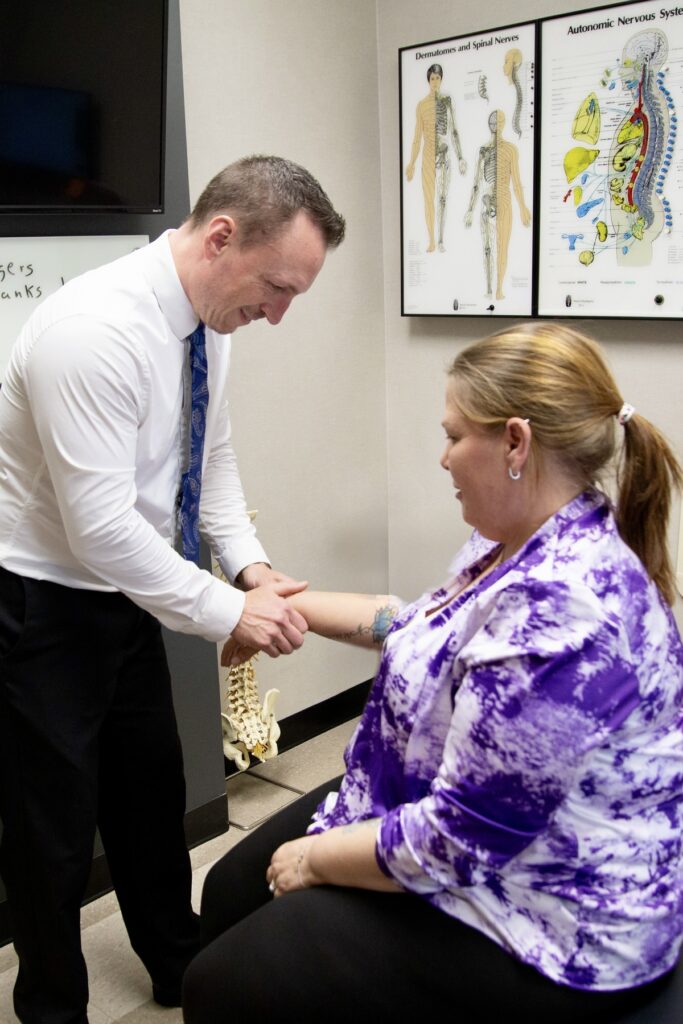
What if I told you that incorporating effective recovery strategies could significantly enhance your game? One of the best ways to support your recovery is through chiropractic care. Chiropractors specialize in aligning the spine and improving overall body function, which can alleviate pain and promote natural healing.
Here are a few tips to consider:
- Listen to Your Body: If you’re feeling pain, don’t ignore it. This is your body’s way of signaling that it needs attention. Seeking chiropractic care can help address these issues before they escalate.
- Prioritize Rest: Recovery is just as important as your training regimen. Allowing your body adequate time to heal can prevent injuries and improve your performance in the long run.
- Stay Hydrated: Proper hydration supports joint health and helps muscles recover. Make sure you’re drinking enough water throughout the day, especially during training.
- Incorporate Stretching and Mobility Work: Regular stretching can enhance flexibility and reduce the risk of injury. Consider working with a chiropractor who can guide you on the best stretching techniques for your sport.
- Consider Regular Chiropractic Visits: Regular adjustments can keep your spine aligned and your body functioning optimally. This can lead to improved performance and reduced pain.
By embracing these recovery strategies and integrating chiropractic care into your routine, you can achieve a higher level of health and wellness. Remember, it’s not just about how hard you train, but how well you recover that will ultimately determine your success as an athlete.
Key Takeaways
- Many athletes adopt a “No Pain, No Gain” mindset, which can lead them to overlook the essential role of recovery in their training regimen. It’s important to remember that progress doesn’t just come from pushing through discomfort but also from giving your body the time and support it needs to heal and strengthen.
- Cultural pressures and the competitive nature of sports often drive athletes to prioritize performance over self-care. However, taking time for rest and recovery is crucial for long-term success. Incorporating chiropractic care into your routine can help facilitate this process, promoting natural healing and overall wellness.
- There are common misconceptions about recovery—like the idea that more rest leads to better performance—that can mislead athletes. Instead of ignoring recovery, consider how chiropractic adjustments can enhance your healing process, increase flexibility, and improve overall function.
- The stigma surrounding mental health can make athletes hesitant to seek help. However, prioritizing wellness, including mental and physical recovery, should be seen as a strength. Regular chiropractic care not only addresses physical ailments but also helps reduce stress and promotes a balanced state of mind.
- The portrayal of overtraining on social media can create fear and pressure around taking breaks. Remember, rest is a key component of any training program, and chiropractic care can play a vital role in recovery. By keeping your spine aligned and your body functioning optimally, you can feel confident in taking the necessary time to rest without fear of judgment.
Incorporating regular chiropractic care into your routine can help you recover faster, reduce pain, and maintain peak performance. Always listen to your body, prioritize your health, and remember that recovery is just as important as training hard.
The Culture of Grind: Embracing the ‘No Pain, No Gain’ Mentality
In a culture that often glorifies the ‘no pain, no gain’ mentality, it’s important to step back and reconsider what true health and wellness really mean. Many athletes believe that pushing through discomfort is the only way to achieve success, often leading them to ignore vital signals from their bodies that suggest it’s time to rest and recover. This mindset can increase the risk of injuries and burnout, which can hinder performance in the long run.
As a chiropractor, I want to emphasize that recovery isn’t a sign of weakness; it’s a crucial part of any training regimen. Prioritizing rest and self-care can’t only enhance your athletic performance but also support your overall health. Incorporating chiropractic care into your routine can help with pain relief and promote natural healing, allowing your body to recover effectively.
Here are some tips to help you embrace a healthier approach to training:
- Listen to Your Body: Pay attention to signs of fatigue or discomfort. If you’re feeling pain, it’s your body’s way of telling you to take a break.
- Incorporate Rest Days: Schedule regular rest days into your training plan. This allows your muscles to recover and grow stronger.
- Stay Hydrated: Proper hydration is essential for muscle recovery and overall well-being. Drink plenty of water throughout the day.
- Utilize Chiropractic Care: Regular chiropractic adjustments can help maintain spinal health, improve mobility, and reduce pain, allowing you to train more effectively.
- Focus on Nutrition: A balanced diet rich in nutrients can support your recovery and enhance your performance. Consider foods that are high in antioxidants and protein.
- Stretch and Mobilize: Incorporate flexibility and mobility exercises into your routine to prevent injuries and improve performance.
Misunderstandings About Recovery Time
You might think that taking more time to recover could lead to a decrease in your performance, but that’s not always true. Many athletes face mental barriers that make it difficult to accept the need for rest, which can lead to common misconceptions about recovery. Let’s set the record straight and explore how proper recovery, including chiropractic care, can actually enhance your performance and overall well-being.
Chiropractic care plays a vital role in the recovery process. By ensuring that your spine is aligned and your nervous system is functioning optimally, you can better support your body’s natural healing processes. This means that when you do take the time to rest, your body can recover more effectively and efficiently.
Incorporating chiropractic adjustments into your routine can help alleviate pain, improve mobility, and reduce the risk of injury, allowing you to return to your activities stronger than before. Here are some general tips to keep in mind:
- Listen to Your Body: Pay attention to signs of fatigue or discomfort. Rest is essential for recovery, and taking the time to recuperate can lead to better performance in the long run.
- Incorporate Chiropractic Care: Regular visits to a chiropractor can help maintain proper spinal alignment and enhance your body’s ability to heal.
- Stay Hydrated: Drinking plenty of water supports overall health and aids in the recovery process.
- Nutrition Matters: Fuel your body with nutrient-rich foods to support healing and energy levels.
- Gentle Movement: Engage in light stretching or low-impact activities to keep your body active without overexerting yourself.
Recovery Myths Debunked
While many believe that longer recovery times are always better for athletes, this misconception can actually hinder performance.
You might think that taking extra days off will prevent injuries and guarantee peak condition, but overextending recovery can lead to stiffness and decreased conditioning. Instead of focusing solely on rest, consider the benefits of active recovery, such as light workouts or gentle movements. These activities can enhance circulation and promote healing, which is essential for maintaining a healthy spine and overall wellness.
Additionally, many athletes overlook the crucial role of nutrition and hydration in the recovery process.
Fueling your body with the right nutrients and staying well-hydrated can greatly support your recovery and overall health. Remember, it’s not just about resting; it’s about how you recover.
Incorporating chiropractic care into your routine can also optimize your recovery process.
A chiropractor can help identify any musculoskeletal issues that may be affecting your performance and provide tailored adjustments to improve your body’s function. This holistic approach to health focuses on natural healing and pain relief, ensuring that you’re not only resting but actively preparing your body for the next challenge.
By understanding these recovery myths and embracing a comprehensive approach that includes chiropractic care, you can enhance your performance and well-being.
Prioritize your health with simple strategies like staying active, eating well, and seeking chiropractic support to maintain optimal health and prevent injuries.
Time vs. Performance
Understanding recovery goes beyond just the amount of time you rest; it’s about the quality of that recovery and how it influences your overall performance and well-being. Many people, including athletes, often think that simply taking more downtime will lead to better results. However, recovery isn’t a one-size-fits-all process.
Incorporating chiropractic care into your recovery routine can significantly enhance your body’s ability to bounce back. Regular chiropractic adjustments help alleviate muscle soreness and fatigue, allowing for more effective recovery. Think of chiropractic care as a way to fine-tune your body. When your spine is aligned properly, your nervous system functions optimally, which can lead to improved performance.
Active recovery techniques are also beneficial. Simple practices like gentle stretching, maintaining proper nutrition, and staying hydrated can support your recovery process. These practices, combined with chiropractic care, can help you avoid the pitfalls of excessive rest. If you focus solely on resting without addressing underlying issues, such as misalignments or muscle tension, you might find yourself feeling slower or less efficient.
It’s essential to strike a balance between rest and the right recovery strategies. Prioritize quality recovery sessions over merely counting hours of inactivity. By integrating chiropractic care into your recovery routine and focusing on holistic health practices, you’ll likely notice significant improvements in your performance and overall well-being. Remember, it’s about feeling your best and living your healthiest life, naturally!
Mental Barriers to Recovery
Many athletes face mental barriers that can distort their views on recovery time, often thinking that longer breaks will yield better results. This misunderstanding can negatively impact performance and create unnecessary stress. It’s important to realize that recovery isn’t just about taking time off; it involves strategic rest that can enhance your overall well-being.
As a chiropractor, I want to help you understand a few common misconceptions related to recovery:
- Rest Equals Weakness: Many athletes worry that taking a break will lead to a loss of their competitive edge. However, rest is essential for allowing your body, particularly your spine and muscles, to heal and regain strength. Chiropractic care can assist in this process by ensuring your body is aligned and functioning optimally.
- More Time, More Gains: While it may seem logical that longer recovery times result in better performance, the reality is that quality of recovery is more important than duration. Engaging in gentle, chiropractic-guided activities can help improve your recovery and performance without extending downtime.
- Inactivity is Counterproductive: Some athletes believe that any form of rest is harmful. However, active recovery, such as gentle stretches or low-impact exercises, can promote healing and improve circulation. Chiropractic care often includes recommendations for safe, effective exercises that fit your recovery needs.
Recognizing and overcoming these mental barriers can empower you to incorporate recovery as a vital part of your training regimen. By prioritizing recovery and considering chiropractic care, you can achieve optimal health and performance naturally. Remember, your body needs time to recover and realign to perform at its best!
The Role of Coaches and Support Staff
As a chiropractor, I understand that your role in an athlete’s recovery is crucial. One of the most important aspects of this process is effective communication. By discussing their specific needs, you can better support their journey to recovery. Incorporating holistic training approaches, including chiropractic care, is essential for ensuring their overall well-being.
Chiropractic care focuses on the health of the spine and nervous system, which is vital for optimal physical performance and recovery. Regular adjustments can help alleviate pain, improve mobility, and promote natural healing. By prioritizing chiropractic care, you can greatly enhance an athlete’s recovery process and help them achieve their peak performance.
Here are some general tips for supporting athletes in their recovery:
- Encourage Regular Chiropractic Visits: Regular adjustments can help maintain spinal alignment, reduce tension, and promote overall wellness.
- Promote Hydration and Nutrition: Encourage athletes to stay hydrated and consume a balanced diet rich in whole foods to support their recovery.
- Incorporate Stretching and Mobility Exercises: Gentle stretching and mobility work can help improve flexibility and prevent injuries.
- Educate About Body Mechanics: Teach athletes proper body mechanics to prevent strain and promote healthy movement patterns.
- Foster a Positive Mindset: Mental well-being is just as important as physical health. Encourage athletes to stay positive and focused on their recovery goals.
Importance of Communication
Effective communication is vital in the realm of athlete recovery, particularly when it comes to the integral roles that coaches and support staff play.
Ensuring that everyone is aligned can significantly enhance recovery strategies.
When communication is smooth, athletes can voice their needs and concerns, allowing for personalized support that fosters healing and boosts performance.
As a chiropractor, I want to emphasize the importance of incorporating chiropractic care into recovery discussions.
Here are some practical tips to enhance communication and optimize recovery through natural healing methods:
- Regular check-ins: Schedule consistent meetings with your athletes to discuss their recovery progress. This is a great opportunity to explore how chiropractic adjustments can alleviate discomfort, promote spinal health, and enhance overall well-being.
- Clear feedback loops: Encourage an open dialogue where athletes feel comfortable sharing their experiences with recovery practices. This feedback can help tailor chiropractic care to their specific needs, ensuring they receive the most effective treatment.
- Collaborative goal-setting: Involve athletes in setting realistic recovery goals. This not only fosters a sense of ownership over their healing process but also allows them to understand how chiropractic care can support their journey toward optimal health.
By prioritizing effective communication and emphasizing the benefits of chiropractic care, you can play a crucial role in helping athletes achieve their recovery goals naturally and effectively.
Holistic Training Approaches
Building on the foundation of strong communication, holistic training approaches are vital for an athlete’s overall recovery and performance—especially when considering the benefits of chiropractic care. As a local chiropractor, I understand that addressing an athlete’s physical, mental, and emotional needs is essential for optimal health. By incorporating chiropractic adjustments into recovery plans, we can enhance not only physical training but also overall wellness.
Chiropractic care focuses on the alignment of the spine and joints, promoting better nerve function and reducing pain. This natural approach supports the body’s ability to heal itself, offering a safe alternative to medications or surgeries. By fostering an environment that encourages open dialogue, athletes can express their concerns, allowing for personalized adjustments to their care and training routines.
Emphasizing recovery with chiropractic care is crucial for preventing burnout and injuries. Regular adjustments can help alleviate tension, improve flexibility, and enhance overall performance. Additionally, incorporating nutrition and mental wellness into your routine complements chiropractic care, leading to a more comprehensive approach to health.
Here are a few general tips to enhance your recovery and performance:
- Stay Hydrated: Proper hydration supports spinal health and overall bodily functions.
- Prioritize Sleep: Quality rest is essential for recovery and can help your body repair itself.
- Maintain Good Posture: Being mindful of your posture can prevent strain on your spine and improve your overall well-being.
- Incorporate Stretching: Regular stretching can improve flexibility and reduce the risk of injury.
- Seek Chiropractic Care: Regular visits to a chiropractor can help keep your spine aligned and your body functioning optimally.
Pressure From Peers and the Competitive Environment
The pressure from peers and the competitive environment can heavily influence athletes, often pushing them to perform at their best, even when their bodies signal the need for rest. This relentless drive may lead to neglecting essential recovery practices, as concerns about letting teammates down or falling behind competitors take precedence. The desire to fit in and prove oneself can overshadow the critical importance of self-care.
- You might worry about being seen as weak for prioritizing recovery.
- Social media can glamorize overtraining, celebrating those who ignore their pain.
- Coaches may focus more on competition than on well-being, creating a stressful atmosphere.
As a chiropractor, I want to emphasize that true strength lies in recognizing when to step back. Prioritizing recovery isn’t just about enhancing performance; it’s about ensuring your long-term health and well-being as an athlete.
One effective way to support your recovery is through chiropractic care. Chiropractic adjustments can help alleviate pain, improve mobility, and promote overall wellness, allowing your body to recover more effectively.
Here are some tips to help you balance athletic performance with proper self-care:
- Listen to Your Body: Pay attention to signs of fatigue or pain. Ignoring these signals can lead to more serious injuries.
- Incorporate Chiropractic Care: Regular chiropractic adjustments can help maintain spinal health, reduce pain, and enhance your body’s natural healing processes.
- Prioritize Rest: Schedule regular rest days in your training regimen to allow your body to recuperate. Rest is just as important as training.
- Hydration and Nutrition: Proper hydration and a balanced diet support recovery and overall performance. Focus on whole foods that nourish your body.
- Mindfulness and Stress Relief: Practices such as meditation or yoga can help manage stress and improve your mental health, making it easier to prioritize recovery.
Embracing this balance between performance and recovery can empower you to thrive both on and off the field. Remember, taking care of your body is a key part of being a successful athlete, and chiropractic care can be an essential component of that journey.
The Myth of Ultimate Performance
The Myth of Ultimate Performance
In the world of sports and fitness, there’s a common misconception that pushing yourself to the absolute limit is the only way to achieve success. Many athletes believe that enduring fatigue and ignoring pain will lead them to ultimate performance. However, this mindset can be harmful to both your body and your overall well-being. When you prioritize performance over recovery, you open yourself up to burnout, injuries, and a decline in your capabilities.
It’s important to understand that more training doesn’t always equal better results. True excellence comes from finding a balance in your approach. Your body needs time to heal and adapt in order to become stronger. Recovery isn’t a sign of weakness; in fact, it’s a crucial part of your training routine.
This is where chiropractic care can play a vital role.
Chiropractic care focuses on maintaining a healthy spine and nervous system, which is essential for optimal performance. Regular chiropractic adjustments can help alleviate pain, reduce tension, and enhance your body’s ability to recover. By prioritizing your spinal health, you not only improve your overall well-being but also set yourself up for sustainable success in your athletic endeavors.
Here are some general tips to keep in mind:
- Listen to Your Body: If you’re feeling fatigued or experiencing pain, it’s important to take a step back and allow your body the time it needs to recover.
- Incorporate Recovery Days: Schedule regular rest days into your training plan. Use this time to engage in gentle activities like stretching or yoga, which can promote healing.
- Stay Hydrated and Nourished: Proper nutrition and hydration are essential for recovery. Make sure you’re fueling your body with the right nutrients to support your training.
- Consider Chiropractic Care: Regular visits to a chiropractor can help keep your spine aligned and your body functioning at its best, contributing to quicker recovery times and enhanced performance.
Lack of Education on Recovery Strategies
As a local chiropractor, I want to highlight the crucial role recovery plays in an athlete’s performance and overall well-being. Unfortunately, many athletes lack the education needed to implement effective recovery strategies, which can lead to subpar performance and a higher risk of injury. While it’s easy to get caught up in rigorous training, understanding how to optimize recovery is essential for reaching your full potential.
Here are some key recovery strategies that can be enhanced through chiropractic care and natural wellness practices:
- Active Recovery: Engaging in low-intensity activities, such as walking or gentle cycling, can improve blood circulation and alleviate muscle soreness. Chiropractic adjustments can also enhance your body’s ability to recover by ensuring proper spinal alignment, which helps your nervous system function optimally.
- Nutrition: Fueling your body with the right nutrients is vital for recovery. Incorporating adequate protein and carbohydrates after workouts can significantly help with muscle repair and energy replenishment. Consider consulting with a nutritionist who understands how chiropractic care can support your dietary needs for better recovery.
- Sleep Hygiene: Quality sleep is a cornerstone of effective recovery, yet many athletes overlook its importance. Chiropractic adjustments can promote better sleep by reducing pain and discomfort, allowing your body to rest and heal. Establishing a regular sleep routine can also enhance your overall recovery process.
Mental Health Stigmas in Sports
While many athletes showcase remarkable physical abilities, their mental health is often an overlooked aspect of their overall well-being. Stigmas surrounding mental health issues can prevent individuals from seeking the help they need, leading to silent struggles. In a sports culture that values toughness, vulnerability is frequently mistaken for weakness.
Here’s a breakdown of common mental health stigmas in sports and how chiropractic care can play a role in supporting your mental and physical health:
| Stigma | Impact | Chiropractic Connection |
|---|---|---|
| “Real athletes don’t feel pain.” | Discourages emotional expression. | Chiropractic care can help manage physical pain, allowing athletes to understand and express their feelings without fear of judgment. |
| “Seeking help is a sign of weakness.” | Creates fear around therapy. | Regular chiropractic visits can promote a proactive approach to health, emphasizing that seeking care is a strength, not a weakness. |
| “You should just tough it out.” | Dismisses serious mental health issues. | Chiropractic adjustments can aid in stress relief, showing that addressing discomfort is a smart choice for overall health. |
| “Mental health issues are for non-athletes.” | Invalidates your experiences. | Chiropractic care benefits everyone, regardless of their athletic status, and can help enhance mental clarity and emotional balance. |
Recognizing these stigmas is a crucial step toward creating a supportive environment for everyone. By being open about mental health and prioritizing your well-being through holistic approaches like chiropractic care, you can break down barriers and encourage others to do the same.
Tips for Optimal Health:
- Stay Active: Movement is vital for both mental and physical wellness. Regular adjustments from your chiropractor can enhance your mobility and reduce tension.
- Manage Stress: Incorporate relaxation techniques such as deep breathing or meditation alongside your chiropractic care to support mental health.
- Prioritize Rest: Ensure you’re getting enough restorative sleep, as it plays a significant role in both mental clarity and physical recovery.
- Stay Hydrated: Proper hydration supports overall health and can improve your energy levels and mood.
Embracing chiropractic care as a natural path to wellness not only helps alleviate physical discomfort but also fosters a healthier mindset, allowing you to thrive in both sports and life.
The Influence of Social Media and Public Perception
As social media continues to shape public perception, athletes often find themselves navigating a complicated environment where their every move is under a microscope. This intense scrutiny can lead to a focus on performance at the expense of recovery, as the fear of criticism for taking time off looms large. It’s important to remember that prioritizing recovery is crucial for achieving long-term success, and one of the best ways to support your body through this recovery process is through chiropractic care.
Here are a few ways chiropractic care can help:
- Promoting Natural Healing: Chiropractic adjustments help restore proper alignment to your spine, which can enhance your body’s natural healing processes. By maintaining spinal health, you can reduce pain and improve mobility, allowing you to bounce back faster from training sessions.
- Stress Relief: The pressure to perform can create a lot of anxiety. Chiropractic care not only addresses physical discomfort but also aids in reducing stress levels. Regular adjustments can help you feel more relaxed and focused, allowing you to better manage the demands placed on you.
- Customized Care: Everyone’s body is unique, and chiropractic care can be tailored to meet your specific recovery needs. A chiropractor can work with you to develop a personalized plan that considers your training schedule and recovery requirements.
- Education on Body Mechanics: A chiropractor can provide you with valuable information about body mechanics and posture, which is essential for preventing injuries. Understanding how your body moves can help you make smarter training choices and avoid unnecessary strain.
- Holistic Approach to Wellness: Chiropractic care promotes a holistic approach to health. By addressing spinal health, nutrition, and lifestyle, you can create a well-rounded strategy for optimal performance and recovery.
Balancing Training and Recovery for Long-Term Success
To achieve long-term success as an athlete, it’s important to balance training and recovery with a focus on spinal health. While pushing your limits during practice is vital, neglecting recovery can lead to burnout and injuries, particularly in the spine. Listening to your body is key; it’s your best guide for knowing when to push harder and when to take a break. Integrating rest days into your training routine is essential to allow your muscles—and your spine—time to repair and strengthen.
Consider incorporating active recovery techniques, such as gentle stretching or light workouts, to keep your body engaged without overexerting yourself. Chiropractic care can be an excellent resource during this process, helping to maintain proper spinal alignment and enhance your overall performance.
Don’t underestimate the importance of sleep, nutrition, and hydration, as they play a crucial role in your recovery. Quality sleep helps your body heal, while proper nutrition fuels your muscles and supports spinal health. Staying hydrated is essential for overall wellness and can help prevent discomfort.
Conclusion
In the relentless pursuit of athletic excellence, many athletes inadvertently overlook the crucial role of recovery in their training regimen. Often, there’s a misconception that taking time off or resting signifies weakness. However, embracing effective recovery strategies, particularly through the lens of chiropractic care, is vital for achieving long-term success and optimal health.
As a local chiropractor, I want to emphasize that prioritizing recovery can significantly enhance your performance and prevent burnout. Quality sleep, proper nutrition, and active recovery techniques play essential roles in this process. Furthermore, chiropractic care can help you maintain proper spinal alignment and overall body function, which is crucial for recovery and injury prevention.
Here are some simple tips to incorporate into your routine:
- Prioritize Sleep: Aim for 7-9 hours of quality sleep each night. Sleep is the body’s natural way to heal and repair itself, so don’t underestimate its importance.
- Eat Well: Focus on a balanced diet rich in whole foods, including plenty of fruits, vegetables, lean proteins, and healthy fats. Proper nutrition fuels your body and aids in recovery.
- Stay Active: Incorporate active recovery days into your training schedule. Gentle activities like walking, yoga, or swimming can promote circulation and help alleviate muscle soreness.
- Consider Chiropractic Care: Regular chiropractic adjustments can help ensure your spine is aligned, reducing tension in your muscles and promoting better overall health. This holistic approach supports your body’s natural healing processes.
- Listen to Your Body: Learn to recognize signs of fatigue and strain. If you feel pain or discomfort, don’t push through it. Instead, seek chiropractic care to address any underlying issues.
Remember, true strength is not just about pushing your limits; it’s also about knowing when to recharge and take care of your body. Don’t let misconceptions about rest and recovery hold you back—embrace balance as the key to thriving in your sport and achieving optimal health.