If you find yourself spending long hours at a desk, you likely understand the importance of maintaining good posture for both your health and productivity. Good posture goes beyond just sitting up straight; it involves customizing your workspace to suit your body’s needs. You might be amazed at how simple adjustments can lead to significant improvements in your comfort and overall well-being.
As a chiropractor, I want to share some practical tips that can help you create a healthier work environment and support your spine. By making these changes, you can reduce the risk of pain and discomfort, allowing your body to function optimally.
- Choose the Right Chair: Invest in an ergonomic chair that supports your lower back. Look for one that encourages a neutral spine position and allows your feet to rest flat on the floor.
- Monitor Placement: Position your computer monitor at eye level to avoid straining your neck. The top of the screen should be at or just below eye level, and it should be about an arm’s length away.
- Keyboard and Mouse Positioning: Keep your keyboard and mouse close enough that you can use them comfortably with your elbows at a 90-degree angle. Your wrists should be straight and not bent while typing.
- Take Regular Breaks: Stand up, stretch, and move around every 30-60 minutes. This helps to relieve tension in your muscles and keeps your blood flowing, which is essential for spinal health.
- Practice Good Sitting Habits: Keep your back against the chair and your shoulders relaxed. Avoid crossing your legs, as this can create imbalances in your posture.
- Stay Hydrated: Drinking plenty of water not only keeps your body functioning well but also helps maintain the elasticity of your spinal discs, which is crucial for a healthy spine.
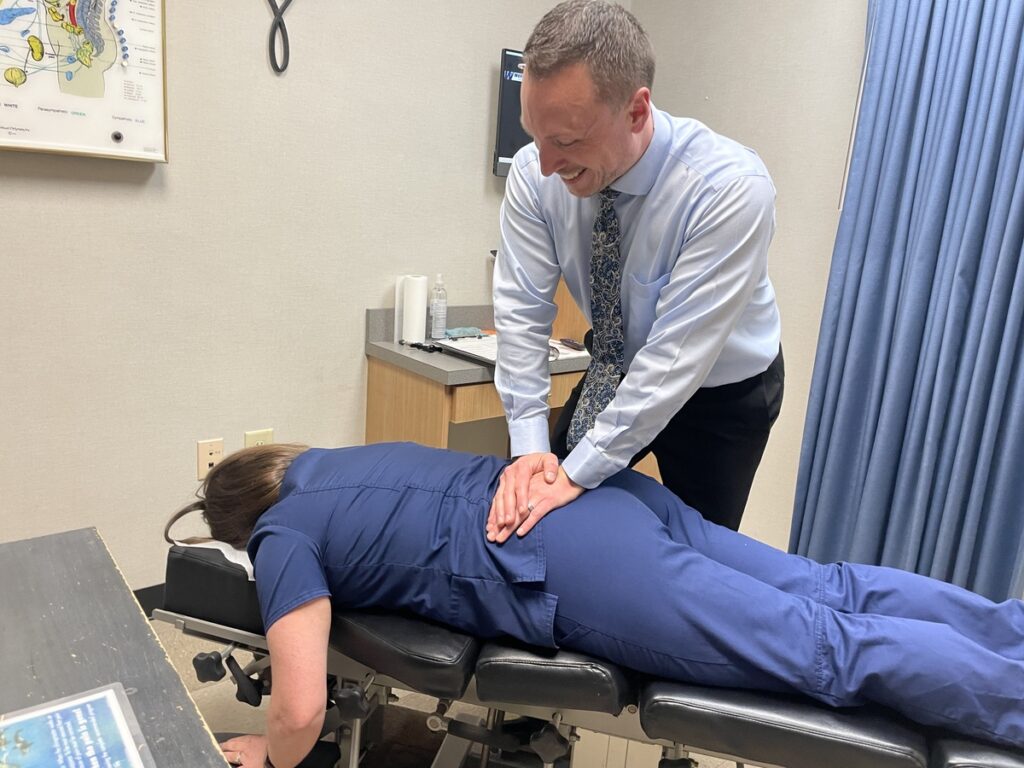
- Consider Chiropractic Care: Regular chiropractic adjustments can help correct postural issues and alleviate discomfort caused by prolonged sitting. A chiropractor can provide personalized advice and treatment to support your spine and overall well-being.
By incorporating these tips into your daily routine, you can foster a more comfortable and productive workspace. Remember, caring for your spine is a crucial part of achieving optimal health, and chiropractic care can play a vital role in your journey toward natural wellness.
Key Takeaways
- Start by adjusting your chair height so that your feet rest flat on the floor and your knees create a comfortable 90-degree angle. This simple adjustment can significantly support your spine and overall posture.
- Position your monitor at eye level to help avoid unnecessary neck strain. Ideally, your gaze should be slightly downward at the screen to keep your cervical spine in a neutral position, promoting better spinal health.
- Keep your keyboard and mouse within easy reach, allowing your elbows to bend at about 90 degrees. This position helps maintain proper wrist alignment, reducing tension and discomfort that can lead to pain over time.
- Remember to take regular breaks every hour to stand, stretch, and move around. These small breaks promote circulation and help prevent stiffness, which is essential for maintaining a healthy spine.
- Maintain good posture by sitting all the way back in your chair, ensuring your spine is straight and your shoulders are relaxed. This alignment is crucial for reducing strain on your back and neck, supporting your overall wellness.
As a chiropractor, I encourage you to incorporate these tips into your daily routine. Not only can these adjustments help alleviate discomfort, but they also promote long-term spinal health, which is vital for achieving optimal wellness. Remember, chiropractic care can be a powerful ally in your journey to natural healing and pain relief.
Adjust Your Chair Height
Adjust Your Chair Height for Better Health and Comfort
As a chiropractor, I want to emphasize the importance of your workspace setup in maintaining your spinal health and overall wellness. One of the simplest yet most impactful adjustments you can make is to ensure your chair height is correctly set so that your feet rest flat on the floor. This small change can help prevent strain on your legs and back, allowing you to engage fully with your tasks without discomfort.
When your chair is too high, it can cause your legs to dangle, creating pressure on your thighs and restricting blood circulation. Conversely, if your chair is too low, you may find yourself hunching over, which can lead to misalignment of your spine and discomfort over time.
Once you’ve adjusted your chair to the right height, check that your knees are aligned with your hips. This alignment is crucial for maintaining a straight spine and promoting good posture. Good posture is essential for spinal health and can help you avoid pain and discomfort, which is where chiropractic care can really shine.
If you find that your feet don’t comfortably reach the floor, consider using a footrest. This can provide additional support and promote better alignment throughout your body. While working, aim to keep your elbows at a 90-degree angle when typing. This position helps reduce strain on your shoulders, contributing to a more comfortable work experience.
Incorporating these tips into your daily routine can significantly improve your comfort and productivity. Remember, taking care of your body through proper ergonomics is a natural way to support your spine and overall health. If you experience persistent pain or discomfort, don’t hesitate to seek guidance from a chiropractor. We’re here to help you achieve optimal health through natural healing and wellness practices.
Position Your Monitor Correctly
Positioning your monitor correctly is crucial for reducing eye strain and promoting good posture, which are essential components of overall spinal health. As a chiropractor, I want to emphasize how important it’s to create a workspace that supports your body and wellbeing.
Start by placing your monitor at eye level; this helps you avoid unnecessary neck strain by preventing you from tilting your head up or down. Ideally, your eyes should look slightly downward at the screen from a distance of about an arm’s length away. Align the top of the monitor with your eyes to keep your neck in a neutral position, reducing the risk of discomfort.
Don’t forget to adjust the screen angle, tilting it back about 10 to 20 degrees. This small adjustment can minimize glare and reflections, making it easier on your eyes. If you work with multiple monitors, keep them at the same height and angle. This consistency can help prevent twisting your neck, which can lead to pain and discomfort.
Additionally, maintaining a clean monitor free from fingerprints can reduce distractions, allowing you to focus on your work and maintain a healthy posture. Remember, a comfortable workspace supports spinal health and overall wellness.
Use a Supportive Chair
Choosing a supportive chair is crucial for maintaining your comfort and posture while you work, which in turn supports your overall spinal health. As a chiropractor, I often emphasize the importance of an ergonomic chair that can be adjusted to fit your unique body shape. Look for features like adjustable height and lumbar support, which can help alleviate pressure on your lower back and promote a healthy spine.
When your chair supports your posture, it allows for better alignment of your spine, reducing the risk of discomfort and pain. Remember, the right chair not only enhances your productivity but also contributes to your overall well-being.
In addition to using a supportive chair, here are some tips for maintaining a healthy posture at your workstation:
- Take Frequent Breaks: Stand up, stretch, and move around every hour to keep your muscles engaged and reduce stiffness.
- Mind Your Posture: Sit all the way back in your chair with your feet flat on the floor. Your knees should be at a 90-degree angle to ensure proper alignment.
- Incorporate Movement: Consider adding simple stretches or exercises throughout your day to keep your body active and your spine healthy.
- Listen to Your Body: If you experience discomfort, don’t ignore it. Seek chiropractic care to address the root cause of your pain naturally.
Ergonomic Design Features
Investing in a supportive chair can greatly enhance your work experience and significantly alleviate discomfort during those long hours spent at your desk. As a chiropractor, I emphasize the importance of ergonomic design features that not only promote proper posture but also support your overall spinal health.
A chair equipped with lumbar support is essential, as it helps maintain the natural curve of your spine, thereby reducing strain on your lower back. This is crucial in preventing back pain and promoting better alignment. Adjustable armrests are another key feature to consider; they allow you to keep your shoulders relaxed and your wrists aligned while typing, which can help prevent tension and discomfort in the neck and upper back.
Opting for a seat cushion made from breathable materials will enhance your comfort during extended use, as proper ventilation can reduce heat and moisture buildup. Additionally, a chair that allows you to pivot and move freely is beneficial for preventing stiffness, which can lead to more serious musculoskeletal issues over time.
Adjustable Height Options
When you adjust the height of your chair to align with your desk, you’re taking an important step towards creating a comfortable and productive workspace that supports your overall health. It’s crucial to find a height that allows your feet to rest flat on the floor and your knees to be at a 90-degree angle. This positioning not only helps prevent strain on your legs but also promotes better circulation, which is vital for your spinal health.
When typing, your elbows should be bent at about 90 degrees, helping to ensure that your wrists remain straight. This is essential for avoiding discomfort and potential injury in your arms and back. By investing in a chair with adjustable height features, you can easily make these important adjustments.
Remember, a supportive chair that fits your body can significantly enhance your posture and overall comfort during long hours at your desk. As a chiropractor, I emphasize the importance of maintaining a healthy spine, and making these ergonomic adjustments is a great way to support your body’s natural alignment.
Incorporating these simple changes into your daily routine can make a noticeable difference in how you feel throughout the day. And if you ever experience discomfort or pain, chiropractic care is a natural and effective way to achieve pain relief and promote wellness. So, take the time to make these adjustments, and you may find that your daily routine becomes more enjoyable and less taxing on your body.
Lumbar Support Importance
Supporting your lower back with proper lumbar support is crucial for your overall comfort while sitting at your desk. As a chiropractor, I often emphasize the importance of a supportive chair in maintaining good posture and reducing strain during long hours of work. Look for chairs that offer built-in lumbar support or adjustable features to accommodate the natural curve of your spine. This support not only helps distribute your body weight evenly but also minimizes pressure on your lower back, which is essential for preventing pain.
When sitting, ensure your feet remain flat on the ground and your knees are at a 90-degree angle. This simple adjustment can make a significant difference in how your back feels throughout the day. Additionally, taking short breaks to stretch can be incredibly beneficial for alleviating tension and keeping your spine healthy.
Keep Your Feet Flat on the Ground
To maintain a healthy posture while working at your desk, it’s crucial to keep your feet flat on the ground. This simple adjustment can significantly reduce strain on your lower back and enhance circulation, both of which are vital for overall spinal health. Ensure that your chair is at the right height to allow your knees to bend at a 90-degree angle, with your feet comfortably resting on the floor. If your feet dangle or don’t touch the ground, using a footrest can provide the necessary support to keep your spine aligned.
Having your feet flat not only helps with posture but also improves your balance and stability. This makes it easier to shift your weight and adjust your posture throughout the day, which is especially important for avoiding discomfort and misalignment. Try to avoid crossing your legs, as this can lead to uneven pressure on your spine. Instead, keep your feet shoulder-width apart, which promotes a more grounded position and supports your overall alignment.
Maintain Proper Keyboard and Mouse Placement
To work comfortably and support your spine’s health, it’s crucial to ensure your keyboard and mouse are positioned at the right height. This simple adjustment can help keep your wrists in a neutral position, reducing strain and discomfort over time.
Proper alignment not only promotes better posture but also enhances your productivity, allowing you to work efficiently without the distractions of pain or discomfort.
Here are some practical tips to achieve that ideal setup:
- Adjust Your Chair Height: Your chair should allow your feet to rest flat on the floor while your knees are at about a 90-degree angle. This positioning helps support your lower back.
- Keyboard Placement: Place your keyboard at a height where your elbows can remain close to your body and bent at a 90-degree angle. Your wrists should float comfortably above the keyboard, avoiding any bending at the wrists.
- Mouse Position: Keep your mouse close to your keyboard to prevent reaching too far. Your hand should be able to rest comfortably on the mouse without straining your arm.
- Take Breaks: Regularly stand up, stretch, and move around. This movement is essential in maintaining spinal health and reducing tension in your muscles.
- Consider Ergonomic Equipment: An ergonomic keyboard and mouse can provide better support for your wrists and hands, helping to minimize strain.
By focusing on these adjustments, you can create a workspace that not only promotes a healthier posture but also aligns with the principles of chiropractic care.
Remember, maintaining proper ergonomics is a key factor in preventing discomfort and promoting overall wellness. If you do experience pain or discomfort, chiropractic care can provide effective, natural relief without the need for surgeries or medications.
Your spine will thank you!
Optimal Height Alignment
While it might seem like a small detail, the way you position your keyboard and mouse can have a significant impact on your comfort and overall well-being during those long hours at your desk. As a chiropractor, I want to emphasize the importance of proper ergonomics in preventing discomfort and promoting spinal health.
Start by adjusting your chair height so that your elbows sit comfortably at a 90-degree angle. This alignment helps maintain the natural curvature of your spine and reduces the risk of tension in your neck and shoulders. Your wrists should be elevated just above the keyboard and mouse, allowing for a relaxed position that avoids unnecessary strain.
Make sure your feet are flat on the floor or resting on a footrest, keeping your knees aligned with your hips. This positioning promotes better circulation and supports your lower back. Place your keyboard about an inch from the edge of your desk. This allows your forearms to rest comfortably and avoids awkward angles that can lead to discomfort.
Your mouse should be within easy reach, ideally at the same level as your keyboard. This minimizes the need to stretch or twist your body, reducing the risk of musculoskeletal issues. By thoughtfully aligning these elements, you can create a workspace that not only enhances your posture but also helps reduce fatigue and discomfort.
Neutral Wrist Position
Maintaining a neutral wrist position is crucial for preventing discomfort and strain, especially during those long hours of typing or using a mouse. As a chiropractor, I want to emphasize that proper alignment not only helps your wrists but also supports your overall spinal health. To achieve this ideal position, ensure that your keyboard and mouse are at the same height as your elbows, keeping them parallel to the ground. Your wrists should remain straight, avoiding any bending upwards or downwards.
Incorporating a wrist rest can be beneficial for supporting your forearms while typing, but it’s important not to rest your wrists on it while actively using your keyboard or mouse, as this can lead to strain. Adjusting your chair and desk for proper alignment is key—your feet should be flat on the floor, which helps maintain a healthy posture that supports your spine.
These simple adjustments can significantly enhance your comfort and productivity, reducing the risk of repetitive strain injuries. Remember, chiropractic care can provide natural relief and support your body’s ability to heal itself. By prioritizing your wrist and spinal health, you’re taking a proactive approach to your overall well-being. If you’re experiencing discomfort, consider visiting your local chiropractor for personalized guidance and care that focuses on natural healing and optimal health.
Take Regular Breaks and Stretch
Taking regular breaks and incorporating stretches into your day is vital for maintaining optimal spinal health and overall comfort, especially during long hours spent at a desk.
When you’re sitting for extended periods, it’s easy to overlook the needs of your body, which can lead to discomfort and misalignment. As a chiropractor, I encourage you to set reminders for yourself to step away from your chair and engage in these simple yet effective stretches to enhance your well-being:
- Neck Rolls: Gently roll your head from side to side to release built-up tension in your neck. This can help maintain proper alignment and reduce stiffness.
- Shoulder Shrugs: Lift your shoulders toward your ears, hold for a moment, and then relax them down. This action can alleviate tightness and improve circulation in the upper back and shoulders.
- Wrist Stretches: Extend your arms in front of you and flex your wrists to keep them flexible and prevent strain. This is particularly important for those who use computers frequently.
- Torso Twists: While seated, gently twist your torso to each side. This motion can enhance mobility and help maintain a healthy spine by promoting flexibility in the lower back.
These straightforward stretches can significantly enhance how you feel throughout the day.
Remember, taking a quick break isn’t just a luxury; it’s a necessity that can rejuvenate your focus and support your posture. By prioritizing these practices, alongside regular chiropractic care, you’re taking essential steps towards achieving optimal health and wellness naturally.
Your body will thank you!
Incorporate Movement Into Your Day
After taking those much-needed breaks and stretches, it’s time to incorporate more movement into your day. You don’t have to spend hours at the gym; even small changes can yield significant benefits for your spine and overall health. Consider setting a timer to remind yourself to stand up every hour. When you do, take a short walk around your office or do a few squats to get your blood flowing.
If possible, try walking during phone calls or using a standing desk for part of your day. Simple exercises like calf raises or seated leg lifts can also be done while you work, and they can help support your spinal health by promoting good posture and flexibility.
Incorporating movement doesn’t have to disrupt your workflow; in fact, it can enhance your productivity! Even a few minutes of movement can improve circulation, relieve tension, and support your spine’s alignment. Remember, when your body is active, it’s better equipped to manage stress and discomfort.
Make it a goal to stay active throughout your workday. This not only helps you feel better physically but also enhances your overall well-being. And remember, regular chiropractic care can further support your journey to optimal health by ensuring your spine is properly aligned, which is essential for maintaining good posture and reducing pain. So, take these steps towards a more active lifestyle, and consider chiropractic care as a natural and effective way to achieve lasting wellness.
Conclusion
By following these essential tips, you can significantly improve your desk posture and enhance your overall comfort while working. As a local chiropractor, I encourage you to adjust your chair and monitor to ensure they are at the right height for your body. Keep your feet flat on the ground to promote stability and support, and position your keyboard and mouse within easy reach to reduce strain on your wrists and shoulders.
It’s crucial to remember the importance of movement throughout your day. Take regular breaks to stretch and incorporate simple exercises into your routine. This not only helps alleviate tension but also keeps your spine healthy and functioning optimally.
Chiropractic care is an excellent way to address any discomfort you may experience while sitting at a desk for long periods. Regular adjustments can help maintain spinal alignment, reduce pain, and promote overall well-being. Prioritizing your posture today can lead to a more comfortable tomorrow and support your journey toward natural health and wellness. Make chiropractic care a part of your wellness routine for lasting benefits!