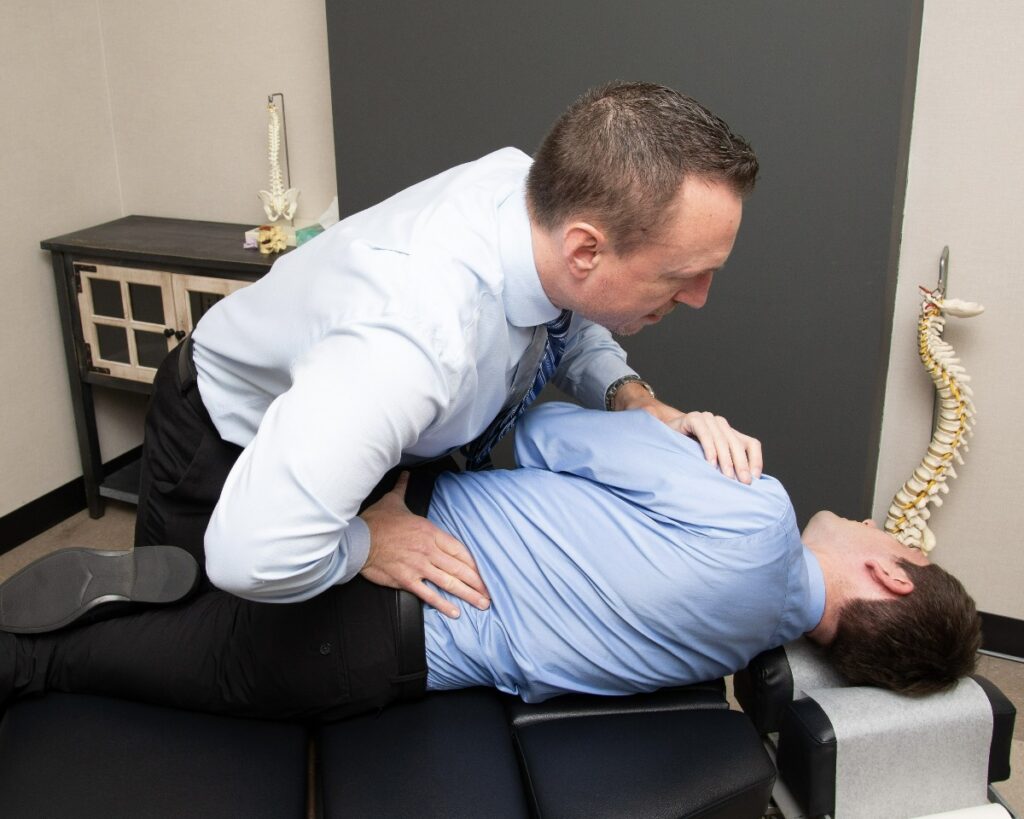
Boosting your flexibility is a key factor in enhancing your overall well-being, and chiropractic care is a powerful tool in this journey. By incorporating targeted mobility exercises, consistent stretching routines, and regular chiropractic adjustments, you can effectively restore your range of motion and alleviate discomfort. It’s not just about how far you can bend or reach; the right techniques and lifestyle changes can make a significant difference in your daily life.
Chiropractic care focuses on aligning your spine and improving your nervous system function, which can lead to better mobility and reduced pain. By visiting a chiropractor, you not only receive personalized care tailored to your needs, but you also gain insights into maintaining a healthier lifestyle.
Here are some simple tips to help you on your flexibility journey:
- Stay Consistent with Stretching: Set aside a few minutes each day to stretch. Focus on major muscle groups, and don’t forget to include stretches for your back, hips, and legs.
- Incorporate Mobility Work: Simple movements and exercises, like hip circles or shoulder rolls, can enhance your joint mobility and help prevent stiffness.
- Book Regular Chiropractic Appointments: Regular adjustments can help keep your spine aligned, which is crucial for optimal movement and flexibility. Your chiropractor can also offer specific exercises and stretches tailored to your needs.
- Listen to Your Body: Pay attention to how your body feels during and after stretching. If something doesn’t feel right, it’s important to adjust or consult with your chiropractor.
- Stay Hydrated: Proper hydration is essential for muscle function and flexibility. Make sure you’re drinking enough water throughout the day.
- Mind Your Posture: Good posture is vital for maintaining flexibility. Make a conscious effort to sit and stand up straight, especially if you spend long hours at a desk.
Curious about how these simple changes can lead to lasting improvements? By integrating chiropractic care into your routine, you can embark on a path to optimal health and enhanced flexibility. Let’s work together to transform your flexibility journey into a reality!
Key Takeaways
- Start your warm-up routine with dynamic stretching to get your blood flowing and prepare your muscles for movement. This can help enhance your flexibility and reduce the risk of injury.
- Regular chiropractic adjustments are key to maintaining proper spinal alignment, which can lead to improved movement and overall flexibility. Think of it as keeping your body in tune for optimal performance.
- Incorporating both static and PNF (Proprioceptive Neuromuscular Facilitation) stretching can greatly increase your range of motion in major muscle groups. These methods help your muscles learn to relax and lengthen, promoting greater flexibility.
- Foam rolling and self-myofascial release techniques are excellent ways to alleviate muscle tightness and speed up recovery after your workouts. These methods can help break down knots in your muscles and improve blood flow, making it easier for you to move freely.
- As you embark on your flexibility journey, set realistic goals for yourself and track your progress. This not only keeps you motivated but also helps you see how far you’ve come, reinforcing the benefits of your chiropractic care and flexibility routine.
Embracing these practices can lead to a healthier, more flexible you, and with chiropractic care as your foundation, you’re on the right path to achieving optimal health naturally.
Understanding Flexibility: The Basics
Flexibility goes beyond just being able to touch your toes; it plays a vital role in your overall health and mobility. It’s about how well your joints and muscles can move through their full range of motion. Everyone’s flexibility is different and can be influenced by factors such as age, genetics, and how active you are. Engaging in activities like yoga or dance can be beneficial for enhancing your flexibility, but did you know that chiropractic care can also support this aspect of your health?
Chiropractic adjustments help improve alignment in your spine, which can positively impact your flexibility. When your body is properly aligned, it allows for better movement and function throughout your joints and muscles. To further improve your flexibility, consider incorporating regular stretching into your routine. Dynamic stretches are excellent for warming up before activities, while static stretches can help lengthen your muscles after exercise. Aim to hold your stretches for 15-30 seconds to get the most benefit.
Consistency is crucial when it comes to flexibility training. Regularly practicing stretching and keeping your body aligned through chiropractic care can enhance your range of motion and overall physical performance. Whether you’re an athlete or simply looking to stay active and pain-free, focusing on flexibility and maintaining a healthy spine can lead to better overall wellness. Remember, your journey to optimal health can be supported naturally, and chiropractic care is a fantastic choice for achieving that!
The Importance of Flexibility for Overall Health
Flexibility is a key component of your overall health, especially when it comes to supporting your spine and enhancing your physical performance. As a chiropractor, I want to emphasize that maintaining good flexibility not only helps your body move more efficiently, but it also plays a significant role in reducing the risk of injuries.
When your muscles and joints are flexible, everyday activities become much easier, allowing you to go about your day without discomfort.
Additionally, improved flexibility can aid in your recovery after workouts, keeping you active and engaged in your wellness journey for longer. One of the best ways to achieve and maintain flexibility is through regular chiropractic adjustments.
These adjustments help align your spine and improve your range of motion, making it easier for your body to function optimally.
Here are some simple tips to enhance your flexibility and support your spinal health:
- Incorporate Stretching into Your Routine: Dedicate a few minutes each day to stretch major muscle groups. Focus on areas that tend to be tight, like your hamstrings, back, and shoulders.
- Practice Good Posture: Being mindful of your posture throughout the day can greatly impact your flexibility. Ensure that you sit and stand tall, respecting the natural curves of your spine.
- Stay Active: Engage in regular physical activity, whether it’s walking, yoga, or swimming. These activities promote overall flexibility and strengthen the muscles that support your spine.
- Schedule Regular Chiropractic Visits: Regular adjustments can help maintain your flexibility and alleviate any tension in your muscles and joints. Your chiropractor can also provide personalized recommendations tailored to your specific needs.
Enhances Physical Performance
Improving your flexibility is a key component in enhancing your physical performance and overall wellness, and it can make everyday activities much easier. By incorporating stretching and mobility exercises into your routine, you’ll notice that your movements become smoother and more natural. This increased range of motion allows you to participate in various physical activities, from sports to daily tasks, with greater ease.
As a chiropractor, I want to emphasize that flexibility plays a crucial role in muscle function and coordination. When your body is more flexible, it can respond better during activities like weightlifting or running, which means you might find that you exert less effort. Plus, improved flexibility contributes to better posture.
Good posture not only enhances your appearance but also helps prevent discomfort and pain, allowing you to feel more confident in your everyday life.
One of the best parts about focusing on flexibility is that it complements chiropractic care beautifully. Regular chiropractic adjustments can help maintain spinal alignment, which is vital for optimal movement and flexibility. When your spine is in alignment, your entire body functions better, reducing the risk of injury and allowing you to enjoy a more active lifestyle.
Here are a few simple tips to enhance your flexibility and overall well-being:
- Stretch Regularly: Dedicate a few minutes each day to stretch major muscle groups. Gentle stretches can improve your flexibility over time.
- Incorporate Mobility Exercises: Try adding mobility exercises, like hip circles or shoulder rolls, to your routine to keep your joints healthy and flexible.
- Stay Hydrated: Drinking plenty of water helps keep your muscles hydrated and functioning optimally, which is essential for flexibility.
- Listen to Your Body: Pay attention to how your body feels during stretches and exercises. If something doesn’t feel right, consult with your chiropractor for guidance.
- Combine with Chiropractic Care: Regular chiropractic adjustments can help ensure that your spine and nervous system are functioning properly, complementing your flexibility efforts.
Prevents Injury Risks
While many people focus on building strength and endurance, it’s important not to overlook flexibility, as neglecting it can increase your risk of injury. When your muscles and joints lack flexibility, they become more susceptible to strains and sprains during physical activities. This can lead to stiffness or discomfort, limiting your performance and everyday movements.
As a chiropractor, I often emphasize the significance of flexibility in maintaining a healthy spine and overall body function. Incorporating flexibility training into your routine helps preserve a full range of motion, allowing your body to adapt to various movements without unnecessary strain. Simple stretches or yoga can greatly enhance your flexibility, which in turn can reduce the likelihood of injuries.
Additionally, regular chiropractic care can support your flexibility by ensuring your spine is properly aligned and your nervous system is functioning optimally. When your body is aligned, it can move more freely, which helps prevent injuries and promotes better physical performance.
Here are some general tips to improve your flexibility and overall health:
- Incorporate Stretching: Set aside time each day for simple stretches targeting major muscle groups. Focus on areas that feel tight or stiff.
- Practice Yoga: Consider adding yoga to your routine. It’s an excellent way to improve flexibility, balance, and relaxation.
- Stay Hydrated: Drinking plenty of water helps keep your muscles hydrated and functioning well, reducing the risk of cramping and stiffness.
- Warm-Up Properly: Always warm up before physical activities to prepare your muscles and joints, which can help prevent injuries.
- Schedule Regular Chiropractic Visits: Regular check-ups with your chiropractor can help maintain your spinal health, enhance your flexibility, and provide guidance tailored to your unique needs.
Common Myths About Flexibility
Many people think that flexibility is something you’re either born with or not, often believing it’s purely genetic. However, the reality is that flexibility can be improved through consistent practice and effective techniques. As a chiropractor, I want to share some common myths about flexibility that you should be aware of, as well as how chiropractic care can play a role in enhancing your overall well-being.
- You need to stretch every day: While regular stretching can be beneficial, it’s crucial to find a balance. Overstretching can lead to injury, especially if your body isn’t ready for it. Instead, consider incorporating chiropractic adjustments into your routine. They can help improve your range of motion and reduce tension in your muscles, making stretching safer and more effective.
- Flexibility only benefits athletes: Flexibility is essential for everyone, not just those who engage in sports. It contributes to better posture, reduces muscle tension, and promotes overall wellness. Regular chiropractic care can help maintain your flexibility and improve your spinal health, allowing you to function better in daily life.
- Being flexible means being able to do the splits: Flexibility looks different for everyone. It’s not just about achieving a specific pose like the splits; it’s about the range of motion in your joints. Chiropractic adjustments can enhance your body’s natural ability to move freely, helping you achieve your personal flexibility goals, whatever they may be.
Incorporating chiropractic care into your wellness routine can support your journey to better flexibility and overall health. Remember to listen to your body, stay consistent with your practice, and consult with your chiropractor for personalized advice and adjustments that can aid your flexibility and spinal alignment.
Stretching Techniques for Improved Flexibility
Flexibility isn’t just a genetic trait; it’s a skill you can develop with the right techniques, significantly enhancing your overall health and wellness. As a chiropractor, I believe in the power of natural healing and encourage patients to incorporate effective stretching methods into their daily routines to improve flexibility and support spinal health.
One of the best methods is static stretching, where you hold a stretch for 15-30 seconds. Focus on major muscle groups, such as your hamstrings, quadriceps, and shoulders. This helps to relieve tension and promote better alignment in your spine. Another beneficial approach is dynamic stretching, which involves moving your body through a full range of motion. This not only warms up your muscles but also increases blood flow, preparing your body for daily activities or exercise.
For those looking for even greater results, consider PNF (Proprioceptive Neuromuscular Facilitation) stretching. This technique involves both stretching and contracting your muscles, which can significantly enhance flexibility and strength. To see the best outcomes, aim to stretch at least three times a week, making it a part of your wellness routine.
Remember to listen to your body; never push through pain, and ensure you’re warmed up before stretching. Consistency is key! Make stretching a daily habit, and you’ll not only notice improvements in your flexibility but also in your overall mobility and well-being.
Incorporating regular chiropractic care can further support your flexibility goals. Chiropractors focus on spinal alignment and overall body function, helping to relieve pain and tension that may hinder your ability to stretch effectively. By addressing any underlying issues, chiropractic care can enhance your flexibility journey and promote a healthier, more active lifestyle. Embrace these practices, and you’ll be on your way to achieving optimal health naturally!
Incorporating Yoga Into Your Routine
Incorporating yoga into your routine can be a wonderful complement to your chiropractic care, enhancing your overall well-being and supporting a healthy spine. Yoga not only improves flexibility but also helps reduce stress, which is essential for maintaining a healthy body and mind.
Here are some tips to help you get started:
- Set a Schedule: Just as you’d schedule your chiropractic appointments, set aside specific days and times for your yoga practice. Consistency is vital for achieving optimal results and maintaining spinal health.
- Start with Basics: Begin with foundational poses that promote spinal alignment, such as Downward Dog and Child’s Pose. These simple positions can help you ease into the practice while gradually improving your flexibility and posture, which is crucial for a healthy spine.
- Listen to Your Body: Your body is your best guide. Pay attention to how you feel during each pose, especially in relation to any areas of discomfort or tension. It’s important to challenge yourself, but always prioritize your comfort—never push into pain. If you experience any discomfort, consider discussing it with your chiropractor for tailored advice.
In addition to yoga, remember that chiropractic care plays a vital role in supporting your journey towards optimal health. Regular adjustments can help alleviate pain, improve mobility, and enhance your overall wellness, making it easier for you to enjoy your yoga practice and daily activities.
Embrace these practices together for a holistic approach to your health!
The Role of Foam Rolling in Flexibility
Foam rolling can be a valuable tool in enhancing your flexibility and overall mobility, especially when integrated into a holistic approach to health and wellness. This self-myofascial release technique helps break down muscle knots and tightness, allowing your muscles to lengthen more effectively.
By rolling over tight areas, you boost blood flow and circulation, which promotes healing and recovery—important factors in maintaining a healthy spine and body.
In my experience as a chiropractor, incorporating foam rolling into your routine can significantly improve your range of motion and reduce the risk of injury. It’s particularly beneficial before and after workouts, as it prepares your muscles for activity and aids in post-exercise recovery, aligning perfectly with the principles of chiropractic care.
To get started, focus on major muscle groups like your quads, hamstrings, and back. Spend about 30 seconds on each area, applying enough pressure to feel a release but avoiding excessive pain.
Remember that consistency is key—making foam rolling a regular part of your flexibility regimen can lead to significant improvements in your performance and overall well-being.
Additionally, always listen to your body. If you feel persistent pain or discomfort, it’s wise to consult with a chiropractor.
We can help assess your alignment and provide tailored advice on how to optimize your flexibility and mobility through safe, natural methods. Embracing chiropractic care, combined with practices like foam rolling, can truly support your journey towards optimal health and wellness.
Nutrition’s Impact on Flexibility
What you eat plays a vital role in your flexibility and overall health. As a chiropractor, I want to emphasize how essential nutrients, proper hydration, and anti-inflammatory foods can support your body’s natural healing processes and enhance your flexibility. When you fuel your body with the right foods, you not only improve your flexibility but also boost your performance in daily activities.
Incorporating foods rich in omega-3 fatty acids, such as salmon and walnuts, can help reduce inflammation in the body, making it easier for you to stretch and move freely. Staying well-hydrated is also crucial, as water helps maintain elasticity in your muscles and joints.
Additionally, consider adding colorful fruits and vegetables to your diet, as they provide antioxidants that can support your body’s recovery and overall wellness. Remember, proper nutrition is just one piece of the puzzle; regular chiropractic adjustments can also enhance your body’s flexibility by ensuring your spine is aligned and your nervous system is functioning optimally.
Essential Nutrients for Flexibility
Proper nutrition plays a vital role in enhancing your flexibility, which is essential for maintaining a healthy spine and overall well-being. When you nourish your body with the right nutrients, you support muscle function and joint health, leading to better mobility and a reduced risk of injury.
Here are three essential nutrients that can help you improve your flexibility, especially in conjunction with regular chiropractic care:
- Omega-3 Fatty Acids: These healthy fats are known for their ability to reduce inflammation and promote joint health. By incorporating foods rich in omega-3s, like fatty fish, walnuts, and flaxseeds, you can help your body stretch and move more freely. This is particularly beneficial for anyone experiencing stiffness or discomfort in their joints.
- Magnesium: This important mineral helps relax muscles and can prevent cramps, which often limit your range of motion during stretches. Foods like spinach, pumpkin seeds, and whole grains are excellent sources of magnesium. Ensuring you get enough magnesium can enhance your flexibility and complement the adjustments you receive during chiropractic care.
- Vitamin D: Essential for calcium absorption and bone health, vitamin D helps keep your joints strong and flexible. You can get vitamin D from sunlight, fortified foods, and fatty fish. A healthy skeletal system supports your spine and overall posture, which is crucial for flexibility.
Incorporating these nutrients into your daily diet can significantly boost your flexibility and overall health. Remember, while nutrition is important, regular chiropractic adjustments can help align your spine and improve your body’s function, making it easier to move freely and comfortably.
If you’re looking to enhance your flexibility and overall wellness, consider combining these dietary tips with chiropractic care for the best results!
Hydration’s Role in Stretching
When it comes to improving flexibility and overall wellness, hydration is a crucial yet often overlooked factor. As a chiropractor, I emphasize the importance of staying properly hydrated to maintain the elasticity of your muscles and connective tissues. Proper hydration makes it easier to stretch safely and effectively, reducing the risk of injury.
Water acts as a natural lubricant for your joints, helping to minimize stiffness and promote smoother movements. When you’re dehydrated, your muscles can cramp, tighten, and become less responsive during stretches, which can lead to discomfort and limit your flexibility.
To support your body’s fluid levels, aim to drink water before, during, and after your workouts. Additionally, incorporating hydrating foods like fruits and vegetables into your diet can also be beneficial. Foods such as cucumbers, oranges, and watermelon not only provide hydration but also essential nutrients that support muscle health.
Anti-Inflammatory Foods Benefits
Incorporating anti-inflammatory foods into your diet can significantly enhance your flexibility and overall mobility, which is essential for maintaining a healthy spine and reducing discomfort. These foods work to reduce inflammation in your body, allowing your muscles and joints to function more efficiently.
By making mindful choices about your diet, you can support your body’s natural ability to stay limber and resilient.
As a chiropractor, I believe that nutrition plays a crucial role in your overall wellness and can complement the benefits of chiropractic care.
Here are some anti-inflammatory foods to consider adding to your meals:
- Berries: These little powerhouses are packed with antioxidants that help combat oxidative stress, promoting healthy tissues and joints. Try adding them to your morning smoothie or oatmeal!
- Fatty Fish: Rich in omega-3 fatty acids, fatty fish like salmon and mackerel can help reduce joint pain and stiffness. Aim to enjoy these fish a couple of times a week for their anti-inflammatory benefits.
- Leafy Greens: Foods like spinach, kale, and Swiss chard are loaded with vitamins and minerals that support overall health and flexibility. Incorporate them into salads or smoothies for an easy nutrient boost.
In addition to incorporating these foods, remember to stay hydrated and maintain a balanced diet for optimal health.
Regular chiropractic adjustments can also aid in keeping your spine aligned and functioning well, enhancing the benefits of your healthy eating habits.
Technology-Driven Solutions for Flexibility
Embracing technology can significantly enhance your flexibility routine and overall wellness, especially when combined with chiropractic care. By utilizing innovative solutions that fit your lifestyle, you can improve your spinal health and achieve optimal flexibility. Smart wearables, like fitness trackers, can provide real-time feedback on your progress, which is invaluable in identifying areas where chiropractic adjustments may help enhance your mobility and reduce discomfort.
Mobile apps designed for stretching and flexibility offer tailored routines that can complement your chiropractic treatments. They can track your performance over time, helping you stay motivated and consistent. This synergy between technology and chiropractic care fosters a holistic approach to your health.
Here’s a quick look at some technology-driven solutions that can support your journey toward better flexibility and wellness:
| Solution Type | Example |
|---|---|
| Wearable Devices | Smartwatches, Fitness Bands |
| Mobile Apps | Stretching & Yoga Apps |
| Online Classes | Virtual Flexibility Workshops |
| Video Tutorials | YouTube Flexibility Channels |
Incorporating these tools into your routine can help enhance the benefits of chiropractic care. Remember, the goal is to maintain a healthy spine and improve your overall flexibility, which can lead to better pain management and a more active lifestyle. Always consult with your chiropractor about how these technologies can best support your individual needs and wellness goals.
Creating a Personalized Flexibility Plan
To create a personalized flexibility plan, it’s essential to first assess your current flexibility levels. Understanding where you stand can help you set realistic and attainable goals that are specifically tailored to your body. As a chiropractor, I emphasize that improving flexibility not only enhances your mobility but also plays a significant role in spinal health and overall wellness.
Start by evaluating your flexibility in key areas such as your hips, shoulders, and spine. Simple stretches can give you insight into your range of motion. Once you identify areas that need improvement, you can focus on gentle exercises that promote flexibility without risking injury. Remember, consistency is key, so make sure to incorporate these stretches into your daily routine.
Additionally, chiropractic care can greatly support your flexibility journey. Regular adjustments can help align your spine, reduce tension in your muscles, and improve your overall posture, which can lead to better flexibility. If you’re experiencing any discomfort or tightness, visiting a chiropractor can provide relief and set you on the right path towards achieving your flexibility goals.
Stay motivated by tracking your progress and celebrating small victories along the way. By focusing on gradual improvements, you’ll not only enhance your flexibility but also support your body’s natural healing processes, leading to a healthier and more active lifestyle. Remember, the journey to better flexibility is a marathon, not a sprint, so take your time and enjoy the process!
Assessing Your Current Flexibility
Assessing Your Current Flexibility
When it comes to achieving optimal health and wellness, improving your flexibility is a key component. Understanding where you currently stand in terms of flexibility is essential, as it enables you to create a personalized plan that complements your chiropractic care. By assessing your current range of motion, you can identify areas that may need improvement and support your overall well-being. Here are three simple steps to help you assess your flexibility:
- Dynamic Stretching: Start with dynamic stretches, which involve moving your body through a full range of motion. This not only helps you gauge your flexibility but also warms up your muscles, preparing them for more activity. Think of movements like arm circles or leg swings.
- Static Stretching: Next, try holding static stretches for major muscle groups. This means gently stretching a muscle and holding that position for about 20-30 seconds. Pay attention to how far you can comfortably reach without straining. This will give you insight into your flexibility levels.
- Functional Movements: Finally, test your flexibility with functional movements like squats or lunges. These exercises mimic everyday activities and allow you to observe how well your body moves in real-life situations. Notice any stiffness or discomfort, as that can indicate areas that may benefit from chiropractic care.
By regularly assessing your flexibility and addressing any limitations, you can enhance your overall health and support a natural healing process. Remember, chiropractic care plays a vital role in promoting flexibility and mobility, helping you achieve a pain-free lifestyle.
If you have any concerns about your flexibility or experience discomfort, don’t hesitate to consult with your chiropractor for personalized guidance and support.
Setting Realistic Goals
Setting realistic goals is vital for creating a personalized flexibility plan that works for your body and supports your overall wellness. As a chiropractor, I encourage you to start by evaluating your current flexibility level and identifying specific areas where you’d like to improve. Instead of aiming for an extreme split right away, focus on achievable milestones, such as increasing your reach by a few inches each week.
Breaking these goals into smaller, manageable steps can make a big difference. Regularly tracking your progress not only keeps you motivated but also allows you to adjust your plan based on how your body responds. Incorporating a variety of stretching routines that fit seamlessly into your lifestyle can make it easier to stick with your plan and enhance your flexibility over time.
Remember, consistency is key! Celebrate your achievements, no matter how small they may seem, as these are important steps towards greater flexibility and overall health. Embrace this journey towards natural wellness and remember that chiropractic care can also play a significant role in your flexibility and pain relief.
Staying Motivated on Your Flexibility Journey
Staying motivated on your flexibility journey can often feel challenging, but it’s crucial for making progress and enhancing your overall well-being. As a chiropractor, I understand the importance of maintaining proper spinal health and flexibility for optimal function.
Here are three strategies to help you stay on track while also supporting your body’s natural healing process:
- Track Your Progress: Maintain a simple journal of your flexibility exercises and any improvements you notice. Documenting your journey can’t only boost your motivation but also reinforce the benefits of maintaining spinal health. When you see how far you’ve come, it serves as a reminder of your commitment to a healthier lifestyle.
- Set Mini-Goals: Instead of overwhelming yourself with larger flexibility goals, break them down into smaller, more manageable milestones. For instance, aim to increase your range of motion in specific areas or hold stretches for a few extra seconds. Celebrating these mini-wins can keep you engaged and excited about your journey, while also reducing any tension or discomfort you might feel along the way.
- Find a Flexibility Buddy: Partnering with someone who shares your goals can provide a wonderful source of accountability and encouragement. Not only does working with a buddy make the process more enjoyable, but it also helps ensure you’re practicing the right techniques to maintain spinal health. Sharing your experiences can motivate both of you to stick with your flexibility routine.
Incorporating chiropractic care into your flexibility journey can also significantly enhance your results. Regular adjustments can help improve your range of motion, reduce tension, and promote natural healing.
This holistic approach can lead to a healthier, more flexible body, allowing you to achieve your wellness goals without relying on medications or invasive procedures. Remember, flexibility is a key component of overall health, and with the right mindset and support, you can make great strides on your journey!
Conclusion
Boost Your Flexibility Naturally with Chiropractic Care
Incorporating effective care solutions into your daily routine can significantly enhance your flexibility, and chiropractic care plays a vital role in this journey. By focusing on targeted mobility exercises and consistent stretching, you can improve your range of motion while alleviating discomfort. Regular chiropractic adjustments can help align your spine, which is crucial for optimal movement and overall wellness.
To support your flexibility goals, remember to stay hydrated and nourish your body with anti-inflammatory foods. This will not only aid in recovery but also help you feel your best. Utilizing recovery tools, such as foam rollers, can further assist in relieving muscle tension and promoting relaxation.
As you track your progress and set realistic goals, it’s essential to stay motivated. Embrace the process, and you’ll enjoy the long-lasting benefits of increased flexibility and improved movement. With chiropractic care as your foundation for natural healing, you are on the path to a healthier and more active lifestyle!