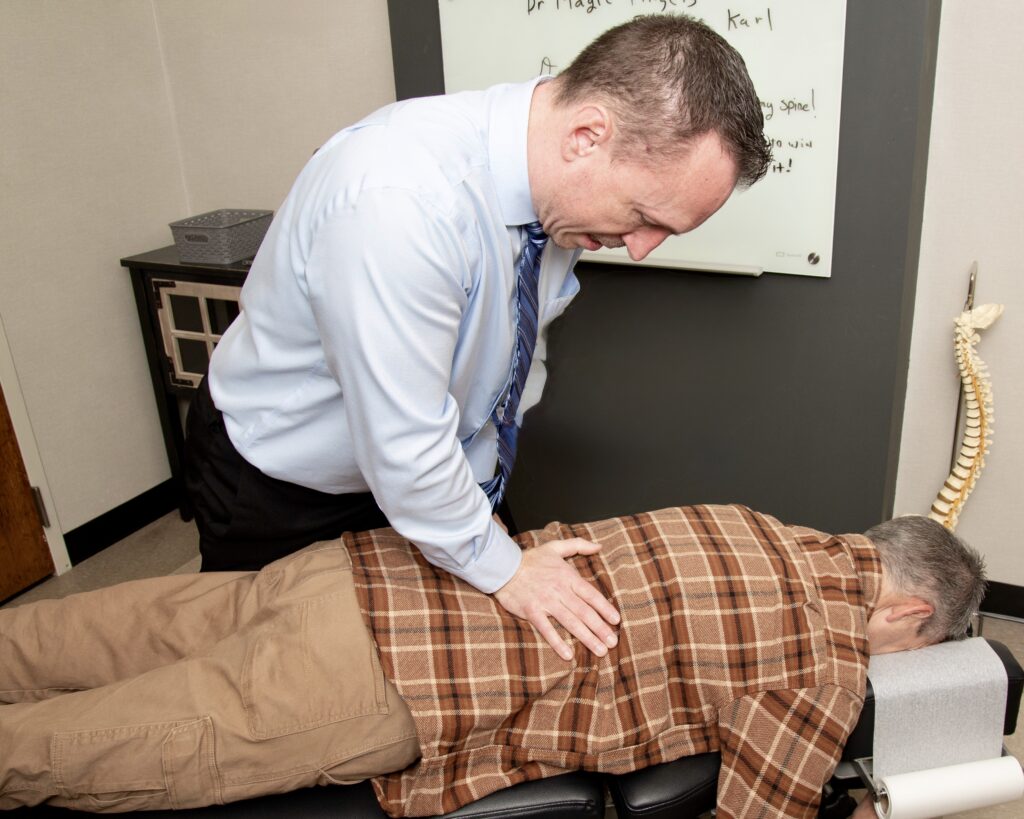
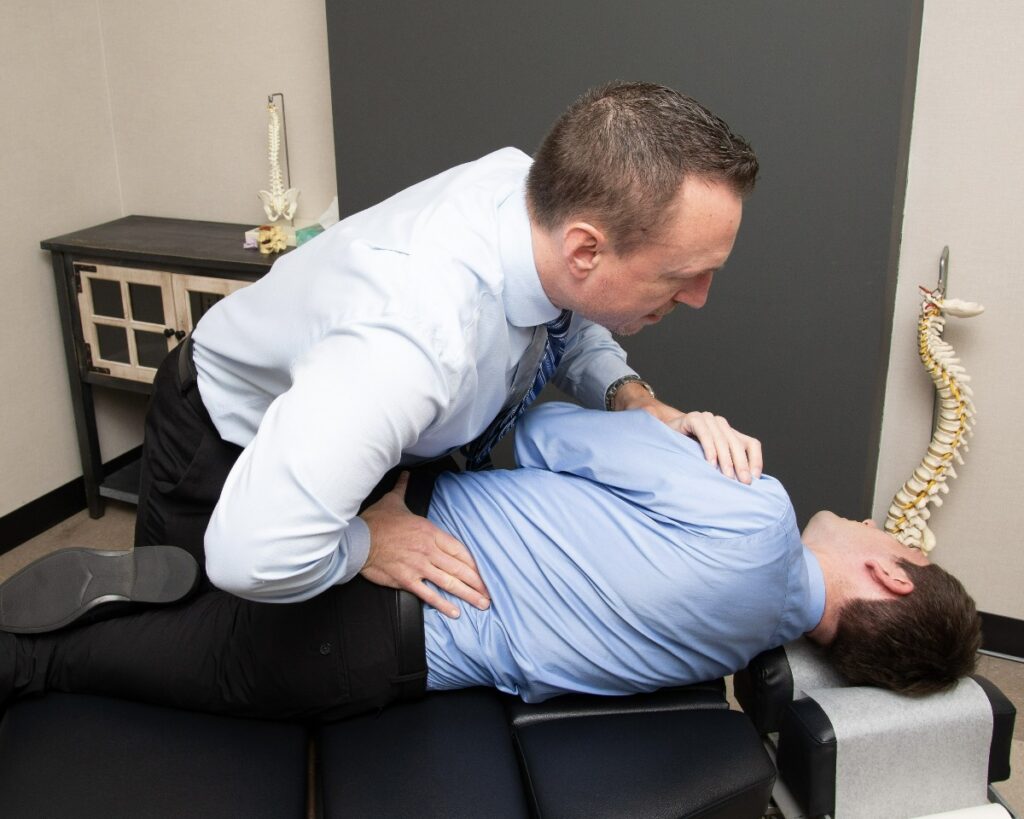
Enhancing your flexibility goes hand in hand with maintaining a healthy spine and overall wellness. It’s not just about the act of stretching; it’s about adopting a holistic approach that includes varied techniques and practices. From dynamic warm-ups that prepare your body to targeted strength training that supports your muscles, each component is essential for your flexibility journey. By integrating chiropractic care into your routine, you can optimize your flexibility while also ensuring proper spinal alignment and function.
Chiropractic adjustments can help alleviate tension in your muscles and joints, allowing for greater range of motion and improved flexibility. Additionally, regular chiropractic care promotes overall wellness, which can enhance your body’s ability to adapt and respond to flexibility training.
Curious about some authentic strategies that can elevate your flexibility? Here are a few tips to get you started:
- Chiropractic Adjustments: Regular visits to your chiropractor can help keep your spine aligned, reducing tension and improving your body’s flexibility.
- Dynamic Warm-Ups: Before engaging in any physical activity, incorporate dynamic stretches to warm up your muscles and prepare your joints.
- Strength Training: Building strength in your muscles can support your flexibility. Focus on balanced strength training that works all major muscle groups.
- Mindful Breathing: Practice deep breathing techniques to promote relaxation and improve circulation, which can enhance flexibility.
- Gentle Yoga or Pilates: These practices can improve your flexibility while also promoting spinal health. Look for classes that focus on alignment and gentle movements.
- Stay Hydrated: Proper hydration is essential for muscle function and elasticity. Drink plenty of water throughout the day.
- Consistent Practice: Make flexibility training a regular part of your routine. Consistency is key to seeing progress.
- Listen to Your Body: Pay attention to how your body feels during stretching. Avoid pushing yourself too hard, as this can lead to injury.
- Incorporate Foam Rolling: Using a foam roller can help relieve muscle tightness and improve blood flow, aiding in flexibility.
- Chiropractic Lifestyle: Embrace a lifestyle that prioritizes spinal health through proper posture, ergonomic practices, and regular chiropractic care.
By following these tips and integrating chiropractic care into your wellness routine, you can enhance your flexibility naturally and effectively. Remember, your journey to improved flexibility is not just about physical stretching; it’s about creating a balanced approach to your overall health and well-being.
Key Takeaways
- Begin your warm-up routine with dynamic stretching to prepare your muscles and enhance flexibility before any physical activity. This not only helps in preventing injuries but also sets the stage for better spinal alignment, an essential aspect of chiropractic care.
- After your workouts, make it a habit to perform static stretching. Hold each stretch for 15–30 seconds to relax and lengthen your muscles, which can help alleviate tension in your spine and improve overall mobility.
- Foam rolling can be a great addition to your routine. Target tight areas of your body for 1–2 minutes to relieve muscle tension and enhance flexibility. This method can also promote better circulation, which is beneficial for spinal health.
- Don’t forget that engaging in strength training exercises not only builds muscle but also improves muscle control and supports joint stability. This is crucial for maintaining a healthy spine and enhancing flexibility.
- Consistency is key! Make stretching and foam rolling a regular part of your weekly routine. Practicing these techniques several times a week can lead to lasting improvements in flexibility and overall health, contributing to a pain-free lifestyle that chiropractic care aims to achieve.
By incorporating these simple strategies into your routine, you can enhance your flexibility and support your spinal health naturally. Remember, caring for your spine is fundamental to achieving optimal health and well-being.
Incorporate Dynamic Stretching Into Your Warm-Up Routine
Dynamic stretching can be a transformative addition to your warm-up routine, especially when considering your overall health and wellness. Unlike static stretches that hold a position, dynamic stretches involve active movements that prepare your muscles and joints for the activities ahead. Incorporating exercises such as leg swings, arm circles, and walking lunges not only increases blood flow but also enhances your range of motion, which is vital for optimal spinal health and injury prevention.
Before engaging in any physical activity, it’s beneficial to dedicate about 5-10 minutes to dynamic stretching. Concentrate on the muscle groups that you’ll be using during your workout to ensure they’re adequately prepared. Remember, maintaining proper form during these movements is crucial; controlled motions will help prevent strain and support overall spinal alignment. As you become more comfortable, you can gradually introduce more complex movements to further engage your muscles.
Integrating dynamic stretching into your warm-up routine not only promotes flexibility and boosts performance but also aligns with a natural approach to wellness. By prioritizing these exercises, you support your body’s natural healing processes and reduce the likelihood of injuries, which can often lead to discomfort and the need for chiropractic care.
Start incorporating dynamic stretching into your warm-ups today, and you’ll likely notice improvements in your overall physical health and well-being. Remember, regular chiropractic adjustments can further enhance your body’s function and help maintain the benefits you gain from a consistent warm-up routine. Embrace these practices for a healthier, more active lifestyle!
Practice Static Stretching After Workouts
While you might feel tempted to skip stretching after a workout, incorporating static stretching into your routine is crucial for your recovery and overall flexibility. After your muscles have worked hard, they need time to relax and lengthen. By holding stretches for 15 to 30 seconds, you allow your muscles to cool down and reduce tightness. This practice not only helps prevent soreness but also enhances your range of motion, which can be beneficial for spinal health.
Focusing on major muscle groups like your hamstrings, quadriceps, and shoulders is essential. These areas play a significant role in maintaining a balanced body and supporting your spine. Make sure to breathe deeply during each stretch; this promotes relaxation and helps you enjoy the process more. Deep breathing also contributes to better oxygen flow, which is vital for muscle recovery.
As a chiropractor, I encourage you to see stretching as a natural way to support your body’s healing processes. Consistency is key—try to incorporate static stretching into your routine after every workout. This simple yet effective practice can help your body recover faster, prepare for future workouts, and reduce the risk of injury.
Try Yoga for Improved Flexibility
If you’re looking to enhance your flexibility as part of a balanced approach to health, yoga can be a beneficial practice to consider. However, it’s important to remember that while yoga offers various advantages like improved balance and overall wellness, chiropractic care plays a crucial role in achieving optimal health and flexibility.
Regular chiropractic adjustments can help align your spine, reduce tension in your muscles, and improve your range of motion. This foundational support can make your yoga practice more effective, allowing you to safely deepen your stretches and improve your flexibility over time.
Incorporating essential yoga poses into your routine can certainly aid your journey toward greater flexibility, but don’t overlook the importance of chiropractic care. By ensuring that your spine is in alignment, you can alleviate any underlying issues that might be hindering your progress.
As you explore yoga, remember to listen to your body and practice mindfulness to avoid strain. Additionally, consider scheduling regular visits to a chiropractor to keep your body functioning optimally. Together, yoga and chiropractic care can help you achieve a healthier, more flexible lifestyle.
Benefits of Yoga
Yoga can be a wonderful complement to chiropractic care for those looking to improve flexibility and overall wellness. Regular practice can lead to increased range of motion in your joints and muscles, enhancing your physical performance while also reducing the risk of injury during daily activities. This increased flexibility can be particularly beneficial when paired with chiropractic adjustments, which help align the spine and improve posture.
Better posture isn’t just about looking good; it can alleviate discomfort and tension throughout your body, especially in the back and neck areas. Incorporating yoga into your routine can support the spinal health that chiropractic care aims to promote. Additionally, yoga emphasizes mindful breathing techniques which can help reduce stress and anxiety, leading to a greater sense of overall well-being.
As you continue your journey with yoga, you may find yourself developing heightened body awareness. This means being more in tune with how your body feels and moves, which is essential for maintaining a healthy spine. Remember, your spine is the foundation of your entire body, and taking care of it’s crucial.
For those looking to enhance their wellness journey, consider combining chiropractic care with yoga. It’s a natural way to support your body, improve flexibility, and cultivate a healthier lifestyle. Always consult with your chiropractor before starting any new exercise regimen to ensure it aligns with your individual health needs.
Essential Yoga Poses
To enhance your flexibility and overall well-being, incorporating essential yoga poses into your daily routine can be incredibly beneficial. As a chiropractor, I recommend starting with Downward Dog. This pose not only stretches your hamstrings and calves but also strengthens your arms, which can help alleviate tension and support spinal alignment.
Next, try the Cobra pose. This position opens up your chest and promotes better spinal flexibility, crucial for maintaining a healthy back. The Butterfly pose is another excellent choice, as it focuses on your hips, encouraging deep stretching and relaxation while helping to release built-up tension.
Don’t overlook the Pigeon pose, which targets tightness in your hips and glutes—common areas where many of us hold stress. Finally, the Forward Bend is great for lengthening both your spine and hamstrings, promoting a more relaxed posture.
Incorporating these poses into your routine can significantly boost your flexibility and promote overall wellness. Remember, regular practice of these poses not only enhances your physical health but also supports your body’s natural healing processes, which is where chiropractic care shines.
Use Foam Rolling to Release Muscle Tension
Foam rolling can be a fantastic addition to your health and wellness routine, especially when it comes to releasing muscle tension and improving flexibility.
As a chiropractor, I often see the benefits of incorporating foam rolling into a holistic approach to pain relief and overall wellness.
Understanding how to effectively use a foam roller can help you alleviate tightness in your muscles and support your chiropractic care.
When you roll out those tight areas, you’re not just easing discomfort; you’re also promoting better blood flow and enhancing your body’s natural healing processes.
Here are some simple tips to get you started with foam rolling:
- Choose the Right Roller: There are various foam rollers available, ranging from soft to firm. If you’re new to foam rolling, starting with a softer roller can help ease you into the practice.
- Start Slow: As you begin rolling, take your time. Focus on one muscle group at a time, and spend about 1-2 minutes on each area to allow your muscles to relax.
- Listen to Your Body: If you feel sharp pain while rolling, ease off the pressure. It’s important to distinguish between discomfort and pain. Rolling should feel relieving, not painful.
- Incorporate Deep Breathing: While foam rolling, practice deep breathing. This can help relax your body further and enhance the benefits of the rolling.
- Stay Consistent: Aim to foam roll a few times a week, especially after workouts or long days of sitting. Consistency is key to seeing lasting results.
- Pair with Chiropractic Care: Combining foam rolling with regular chiropractic adjustments can be a powerful way to enhance your overall health and wellness. Chiropractic care focuses on spinal alignment and nerve function, which can work synergistically with the benefits of foam rolling.
By integrating foam rolling into your routine and prioritizing chiropractic care, you can take proactive steps towards achieving optimal health and natural pain relief.
Benefits of Foam Rolling
Incorporating foam rolling into your wellness routine can significantly help relieve muscle tension and enhance overall flexibility, which is essential for maintaining a healthy spine. This self-myofascial release technique effectively breaks down muscle knots, improving blood circulation and promoting quicker recovery after physical activity. By focusing on specific tight areas, you may experience an immediate reduction in discomfort, allowing for a greater range of motion during your workouts.
Moreover, foam rolling can also ease soreness following exercise, making it easier for you to stick to your fitness regimen. This is particularly beneficial because regular movement is vital for spinal health. Additionally, foam rolling can support better posture by loosening the tight muscles that might pull your spine out of alignment.
As you practice foam rolling, you not only enhance your flexibility but also deepen your awareness of your body’s needs. This awareness is crucial for proactive muscle care, which can complement chiropractic adjustments to achieve optimal health.
To get the most out of foam rolling, here are some helpful tips:
- Start slowly and gently roll over tight areas to avoid unnecessary discomfort.
- Spend extra time on particularly tight spots, but don’t roll over bones or joints.
- Combine foam rolling with chiropractic care for a comprehensive approach to pain relief and wellness.
- Consistency is key; try to incorporate foam rolling into your routine at least a few times a week.
Techniques for Effective Rolling
When it comes to effective muscle tension release, using techniques like foam rolling can be a fantastic complement to your chiropractic care. Start by placing the foam roller under the muscle group you want to target—your calves or thighs are great examples. Gradually apply your body weight to the roller; this gentle approach helps you avoid any discomfort while still getting the benefits you seek.
As you roll slowly back and forth, take the time to pause on any tight spots for about 20 to 30 seconds. This technique not only helps to release knots but also promotes healthy blood flow to the area. You might also want to adjust your body angle to engage different muscle fibers, ensuring a more comprehensive release.
Don’t forget to breathe deeply throughout the process. Deep breathing helps your body relax, making it easier to relieve tension. Incorporating gentle movements, like flexing and extending your limbs while rolling, can further enhance the release of tightness.
Frequency and Duration Guidelines
Incorporating foam rolling into your routine a few times a week can significantly enhance muscle recovery and flexibility, which is essential for maintaining a healthy spine and overall well-being. Aim for about 10 to 15 minutes per session, concentrating on major muscle groups such as your quads, hamstrings, and back.
As you roll slowly over each area, take time to pause on tight spots for about 20 to 30 seconds. This technique not only helps release muscle tension but also boosts blood circulation, which is vital for a quicker recovery.
If you lead an active lifestyle, consider foam rolling daily or after intense workouts. However, it’s important to listen to your body. If you experience soreness, allow yourself a day to rest before rolling again.
Remember, while foam rolling is a great addition to your wellness routine, chiropractic care can offer comprehensive support for pain relief and natural healing. By prioritizing spinal health through chiropractic adjustments, you can enhance your body’s ability to recover and function optimally.
Explore Pilates for Core and Flexibility Benefits
Pilates can significantly enhance your health and wellness, especially in terms of core strength and flexibility. As a chiropractor, I believe that integrating Pilates into your fitness routine can complement the spinal adjustments and care you receive, fostering a holistic approach to your well-being. This low-impact exercise method emphasizes controlled movements and breath, making it suitable for individuals at any fitness level.
Not only does Pilates tone your muscles, but it also promotes better posture and balance, which are crucial for spinal health. A strong core supports your spine, reducing the risk of injury and alleviating pain. Plus, increased flexibility can help prevent strain on your muscles and joints during daily activities.
Here’s a quick comparison of the benefits of Pilates as they relate to core strength and flexibility:
| Benefits | Core Strength | Flexibility |
|---|---|---|
| Pilates | ✔ | ✔ |
| Weightlifting | ✔ | ❌ |
| Yoga | ❌ | ✔ |
| Running | ❌ | ❌ |
Incorporating Pilates into your routine can lead to long-term wellness. Just a few sessions a week can result in noticeable improvements in your overall fitness and well-being.
As you embark on your Pilates journey, remember to listen to your body and consult with your chiropractor to ensure that your movements are aligning with your health goals. Focus on your breathing, engage your core, and maintain proper alignment throughout your exercises.
Stay Hydrated for Optimal Muscle Function
Staying hydrated is crucial for optimal muscle function and overall wellness, especially during activities like Pilates. When your body is well-hydrated, your muscles can contract and relax more efficiently, which helps minimize the risk of cramps and injuries. Additionally, water serves as a natural lubricant for your joints, allowing for smoother movements and better flexibility throughout each exercise.
To achieve ideal hydration, make it a habit to drink water before, during, and after your workouts. If you find yourself sweating a lot, consider incorporating electrolyte-rich drinks to help replenish lost minerals. Aiming for at least eight glasses of water daily is a good starting point, but remember to adjust this based on your activity level and the climate you’re in.
Listen to your body—feelings of fatigue or dizziness may indicate that you need more fluids. You can also boost your hydration by including water-rich foods like fruits and vegetables in your diet. By prioritizing your fluid intake, you not only support your muscles but also enhance your overall flexibility, which is beneficial for your Pilates practice and daily activities.
As a chiropractor, I encourage you to consider how proper hydration complements your overall health and wellness journey. Staying hydrated can improve your body’s natural healing processes, support spinal health, and enhance your ability to engage in physical activities without discomfort. Remember, chiropractic care can play a significant role in achieving optimal health, helping you maintain proper alignment and function as you stay active. So, drink up, stay nourished, and keep your body moving smoothly!
Engage in Regular Strength Training
To enhance your flexibility, consider incorporating regular strength training into your routine.
As a chiropractor, I often emphasize the importance of building muscle control, which not only supports your movements but also improves joint stability. When your muscles are strong, they work in harmony with your joints, allowing for smoother and more flexible motion.
In addition to strength training, it’s essential to prioritize chiropractic care. Regular chiropractic adjustments can help align your spine, improve your posture, and reduce any discomfort that may hinder your flexibility. By addressing any underlying issues with your spine, you create a solid foundation for your body to move freely and efficiently.
Here are a few simple tips to enhance your flexibility through strength training and chiropractic care:
- Start Slow: If you’re new to strength training, begin with light weights or bodyweight exercises. Focus on proper form to prevent injury.
- Consistency is Key: Aim to include strength training exercises in your routine at least two to three times a week. This consistency will yield the best results in both strength and flexibility.
- Incorporate Stretching: After your strength workouts, take time to stretch the muscles you’ve worked. This can help improve your flexibility over time.
- Listen to Your Body: Pay attention to how your body feels during and after exercises. If you experience pain, consult with your chiropractor for tailored advice.
- Stay Hydrated: Keeping your body well-hydrated supports muscle function and can aid in recovery after workouts.
Build Muscle Control
Engaging in regular strength training is a fantastic way to enhance your muscle control and overall flexibility, both of which are vital for maintaining a healthy spine and preventing injury. While increasing your strength, you’re also improving your ability to control your muscles, which is essential for executing movements smoothly and safely.
As a chiropractor, I want to emphasize how strength training can contribute to your overall wellness and spinal health. Here are some key benefits to consider:
- Improved coordination: Strength training helps you learn to coordinate muscle groups better during daily activities, which can reduce the strain on your spine.
- Increased balance: By strengthening your muscles, you create a more stable foundation for your body. This stability not only helps prevent falls but also protects your spine from unnecessary stress and injuries.
- Enhanced endurance: With increased muscle strength, you’ll be able to engage in activities longer without feeling fatigued, allowing you to maintain an active lifestyle that supports your overall health.
- Better posture: Stronger muscles are crucial for supporting your spine and promoting proper alignment, which can alleviate discomfort and help you maintain a healthy posture throughout your day.
Incorporating strength training into your routine is an excellent way to boost your flexibility and muscle control while supporting your spinal health. Remember, chiropractic care complements strength training by ensuring that your spine is aligned and functioning optimally.
Consider scheduling regular chiropractic adjustments to enhance your body’s natural healing abilities and keep you on the path to a healthier, pain-free life. Embrace these practices for a more vibrant and active lifestyle!
Improve Joint Stability
Improving joint stability is essential for maintaining a healthy, active lifestyle, and a key component of achieving this is through regular strength training. Many people may not realize how much their joint health is influenced by the muscles surrounding them. By strengthening these muscles, you create a supportive framework that not only helps keep your joints aligned but also enhances their function.
When you focus on exercises that engage major muscle groups—like squats, lunges, and deadlifts—you’re not only building strength but also reducing your risk of injury. Additionally, incorporating stability-focused movements such as planks and balance exercises can significantly contribute to your overall joint stability. I recommend aiming for at least two to three strength training sessions each week.
As you enhance your joint stability, you’ll likely notice that daily tasks become easier and that you enjoy an increased range of motion. This can ultimately lead to improved flexibility, making your day-to-day activities more manageable and enjoyable.
While strength training is important, don’t forget about the role of chiropractic care in your journey towards optimal health. Regular chiropractic adjustments can help ensure that your spine and joints are properly aligned, allowing your body to function at its best. This natural approach to health can complement your strength training routine, providing pain relief and promoting overall wellness without the need for medications or invasive procedures.
Focus on Breathing Techniques
Breathing techniques are vital for enhancing your flexibility and overall well-being, acting as a bridge between your mind and body.
When you focus on your breath, you not only prepare your body for stretching but also support your spinal health and promote natural healing. Here’s how you can incorporate effective breathing into your routine, benefiting both your flexibility and your overall wellness:
- Inhale deeply: Take a full breath in, allowing your lungs to expand completely. This helps oxygenate your muscles, preparing them for stretching and contributing to a healthier spine.
- Exhale slowly: As you breathe out, let go of tension. This gentle release allows your body to relax more deeply into each stretch, promoting better alignment and comfort.
- Use rhythmic breathing: Coordinate your breath with your movements. This not only helps maintain focus and flow but also encourages a more mindful approach to your body’s limits, which is essential for avoiding injury.
- Practice mindfulness: Stay present during your breathing exercises. Tune into the sensations within your body, paying attention to how your muscles and spine feel as you stretch. This awareness can enhance your overall experience and support natural healing processes.
Incorporating these breathing techniques into your routine not only aids in flexibility but also aligns with the principles of chiropractic care, which emphasizes the importance of a healthy spine and nervous system for optimal health.
Maintain Consistency With a Flexibility Routine
Maintaining a regular flexibility routine is crucial for enhancing your overall health and well-being, especially when it comes to supporting your spine and reducing discomfort. Incorporating flexibility exercises into your daily life can greatly complement your chiropractic care, helping you achieve and sustain optimal results.
To make this routine manageable, try to set aside a dedicated time each day, even if it’s just 10-15 minutes. Consistency is key, and tracking your progress can keep you motivated and accountable. Below is a simple table to help you structure your flexibility routine:
| Day | Activity | Duration |
|---|---|---|
| Monday | Hamstring Stretch | 15 mins |
| Wednesday | Hip Flexor Stretch | 15 mins |
| Friday | Full-Body Stretch | 20 mins |
In addition to these stretches, remember to listen to your body and adjust your routine as needed. Pay attention to how different stretches make you feel and always prioritize comfort. If you experience any pain or discomfort, it’s best to consult with your chiropractor for personalized advice.
Incorporating these flexibility sessions alongside your chiropractic treatments can help alleviate tension, improve your range of motion, and contribute to a healthier lifestyle. By making these small adjustments, you’ll be taking significant steps toward a pain-free and active life.
Listen to Your Body and Avoid Overstretching
As you develop your flexibility routine, it’s crucial to pay close attention to your body’s signals. Ignoring these signals can lead to overstretching, which not only hinders your progress but may also result in injury. Here are some essential tips to listen to your body effectively while promoting overall wellness:
- Warm-Up: Begin with a proper warm-up to prepare your muscles and spine. This helps prevent injury and sets the stage for better flexibility.
- Mind the Pain: Be aware of what your body is telling you. If you experience sharp or intense pain, it’s best to ease off immediately. While some discomfort is normal during stretching, pain is a signal that something isn’t right.
- Gradual Progression: Increase your stretch intensity gradually. It’s important not to push yourself too hard or too fast. Slow and steady wins the race when it comes to improving flexibility.
- Rest and Recover: Just like any other part of your health journey, your body needs time to recover. Incorporating rest days into your routine is vital for achieving flexibility gains and avoiding strain.
Remember, chiropractic care plays a significant role in supporting your body’s natural healing processes. Regular chiropractic adjustments can enhance your overall flexibility, improve your spinal health, and help you maintain a pain-free lifestyle.
Prioritizing a holistic approach to health and wellness will set you on the path to optimal well-being.
Conclusion
As a local chiropractor, I want to share with you ten authentic methods to enhance your flexibility and overall well-being, which can significantly contribute to your spinal health. Incorporating these practices into your daily routine can help alleviate discomfort and promote natural healing.
- Dynamic Warm-ups: Always start with a dynamic warm-up before engaging in any physical activity. This prepares your muscles and joints for movement, reducing the risk of injury.
- Static Stretching: After your workouts, take time to stretch statically. This helps lengthen your muscles and improve flexibility, making it easier for your spine to maintain proper alignment.
- Embrace Yoga and Pilates: These practices not only enhance flexibility but also strengthen your core, which is essential for supporting your spine.
- Strength Training: Incorporating regular strength training can help build muscle around your spine, providing better support and stability, and ultimately improving your flexibility.
- Foam Rolling: Use a foam roller to release muscle tension and tightness. This self-myofascial release technique can enhance your range of motion and aid recovery.
- Mindful Breathing: Don’t underestimate the power of mindful breathing. It helps you stay focused and relaxed, which can enhance your stretching routine and overall flexibility.
- Stay Consistent: Consistency is key! Make these practices a regular part of your routine to see lasting improvements in your flexibility and spinal health.
- Listen to Your Body: Pay attention to how your body feels during stretching and exercise. If something doesn’t feel right, it’s important to adjust your approach to avoid injury.
- Avoid Overstretching: While it’s important to push your limits, overstretching can lead to injuries. Focus on gradual improvements and respect your body’s limits.
- Chiropractic Care: Regular chiropractic adjustments can enhance your flexibility by ensuring your spine is properly aligned. This can help reduce pain and improve your overall mobility.
By incorporating these strategies into your lifestyle, you can enjoy the benefits of increased flexibility while supporting your spinal health. Remember, chiropractic care is a fantastic partner in your journey toward optimal health and wellness, helping you achieve a pain-free life naturally.