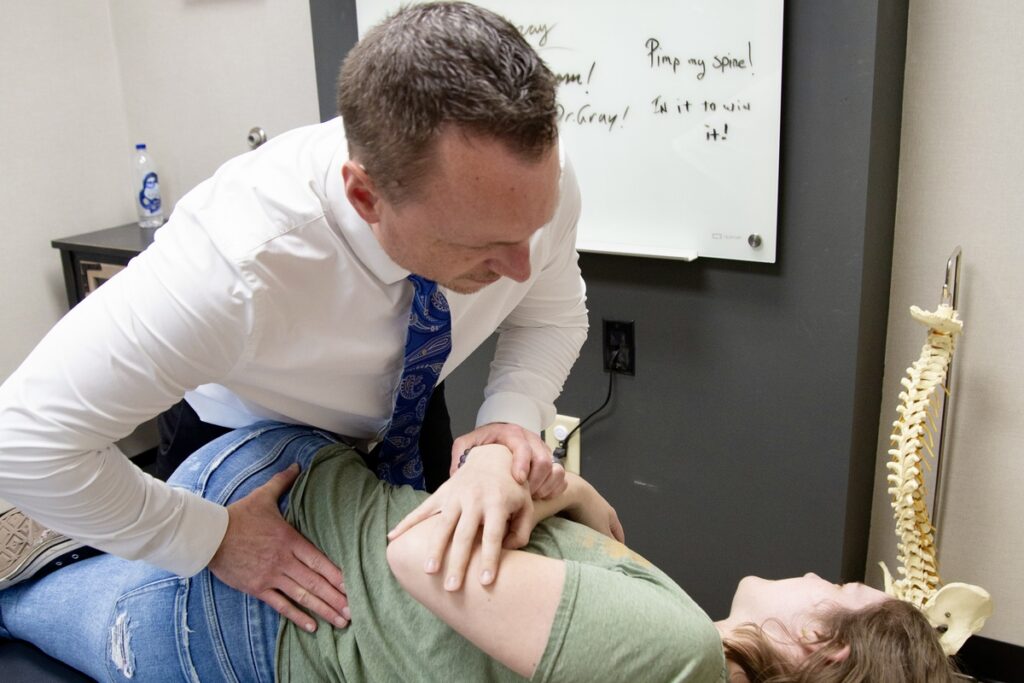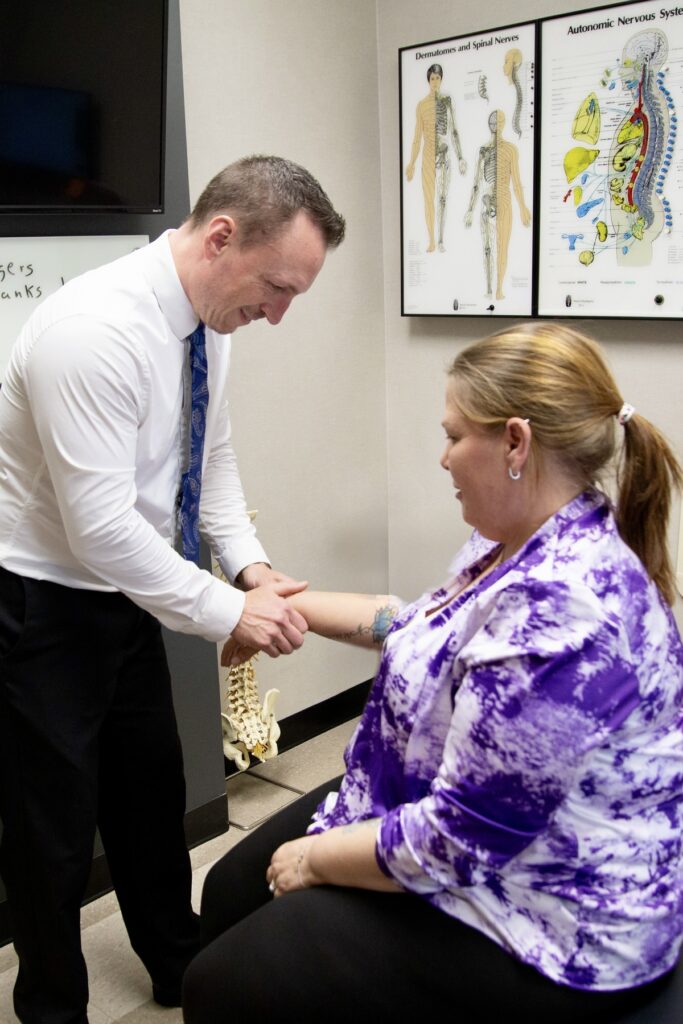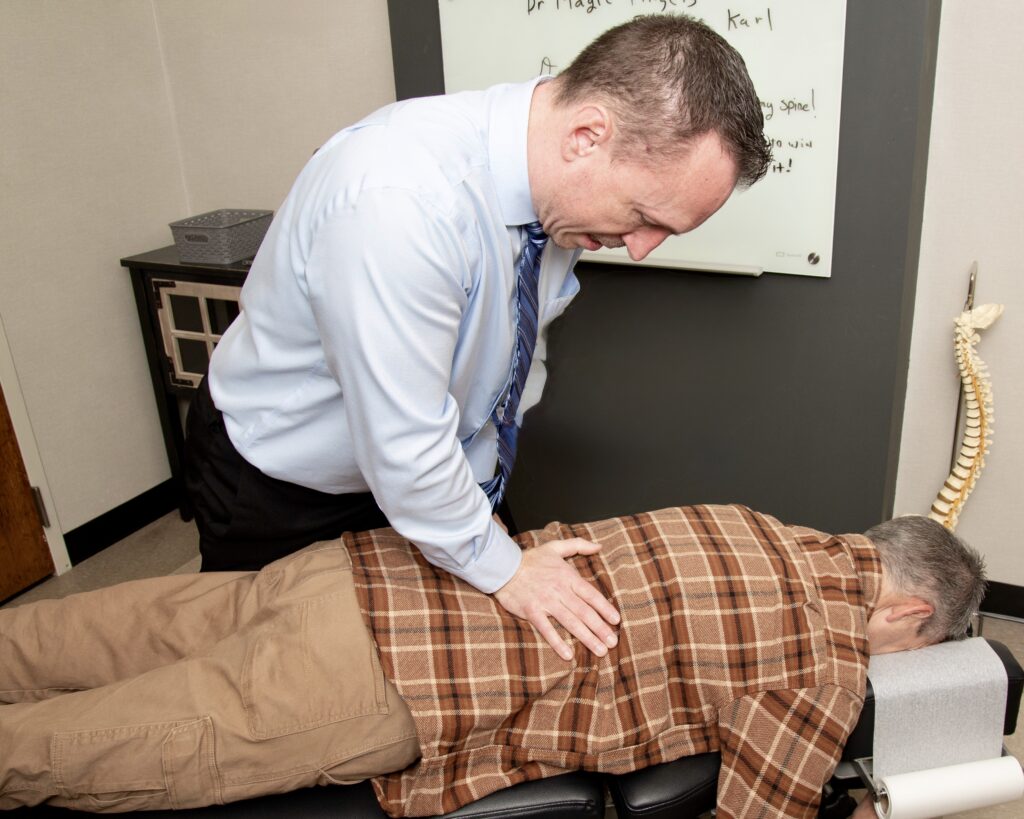

Back pain is one of the most common health complaints here in Hickory, NC. Whether it’s a dull ache that won’t go away or a sharp pain that stops you in your tracks, back pain can affect every part of your life—from how you work and sleep to how you play with your kids or enjoy your hobbies. The good news is chiropractic is extremely effective with most back pain and can improve with the right care and lifestyle changes. At Wellness One, we see patients every day who are frustrated by back pain, and we’re here to help you understand what might be causing it and how chiropractic care can be part of your path to feeling better.
Understanding the root cause of your back pain is the first step toward finding relief. In this article, we’ll walk through the most common reasons people experience back pain, what warning signs to watch for, and how conservative, drug-free chiropractic care may help you get back to the activities you love.
What Is Back Pain?
What exactly counts as back pain?
Back pain is a symptom, it is never the actual problem. It is the body’s way to give you information that there is a problem. Exactly like the check engine light in your car. This is why it is important to avoid ignoring this information. Back pain refers to discomfort, stiffness, or pain anywhere along the spine—from the base of your neck down to your tailbone. It can be sharp or dull, stiff or tight, constant or intermittent, and may be felt in the muscles, joints, nerves, or discs of the spine. Back pain can range from mild and annoying to severe and debilitating, and it may occur suddenly or develop gradually over time.
Table of Contents
- Common Causes of Back Pain
- How Back Pain Affects Your Daily Life
- How Chiropractic Care Can Help
- Practical Tips for Preventing Back Pain
- When to See a Chiropractor
- Myths vs. Facts About Back Pain
- Final Thoughts
Common Causes of Back Pain
Back pain doesn’t always have a single, obvious cause. Often, it’s the result of multiple factors working together—poor posture, repetitive movements, muscle weakness, or even stress. Here in Hickory, we see patients with back pain from all walks of life: office workers, construction professionals, teachers, parents, and retirees. While every person’s situation is unique, there are several common causes that show up again and again.
Poor Posture and Prolonged Sitting
Sitting for long periods, especially with poor posture, puts constant stress on the muscles, ligaments, and discs of your lower back. When you slouch or lean forward while working at a computer, driving, or watching TV, your spine is forced out of its natural alignment. Over time, this can lead to muscle fatigue, joint irritation, and chronic back pain. Many people don’t realize how much their daily habits contribute to their discomfort until they start paying attention to how they sit and stand.
Muscle Strain and Overuse
Lifting heavy objects, twisting awkwardly, or even overdoing it at the gym can strain the muscles and ligaments in your back. This type of injury is often sudden and can cause immediate pain and stiffness. Sometimes, the pain from a muscle strain will improve with rest and gentle movement, but if the underlying muscle imbalances or movement patterns aren’t addressed, the problem can become chronic or keep coming back.
Joint Dysfunction and Spinal Misalignment
The spine is made up of 24 movable vertebrae, each separated by a disc and connected by small joints called facet joints. When these joints become stiff, restricted, or misaligned—often due to injury, poor posture, or repetitive stress—they can cause pain and inflammation. Chiropractors refer to these dysfunctions as subluxations or joint restrictions. When spinal joints aren’t moving properly, it can affect the surrounding muscles, nerves, and soft tissues, leading to pain that radiates or spreads.
Disc Issues
The discs between your vertebrae act as shock absorbers, allowing your spine to bend and twist. Over time, these discs can degenerate, bulge, or herniate, especially if they’ve been subjected to repetitive stress or injury. A herniated disc occurs when the soft inner material pushes through the outer layer, sometimes pressing on nearby nerves. This can cause sharp pain, numbness, tingling, or weakness that travels down your leg—a condition often called sciatica. While disc problems can sound scary, many people improve significantly with conservative chiropractic care.
Arthritis and Degenerative Changes
As we age, wear and tear on the spine is normal. Osteoarthritis can develop in the facet joints of the spine, causing stiffness, pain, and reduced mobility. Degenerative disc disease is another common age-related change where the discs lose water content and height, reducing the cushioning between vertebrae. While these changes are part of the natural aging process, they don’t automatically mean you’re destined for chronic pain. Staying active, maintaining good posture, and getting appropriate care can make a big difference.
Weak Core Muscles
Your core muscles—including your abdominals, obliques, and muscles along your spine—play a crucial role in supporting your back. When these muscles are weak or imbalanced, your spine has to work harder to keep you upright and stable. This extra strain can lead to pain, especially in the lower back. Strengthening your core doesn’t mean doing endless crunches; it means building functional strength that supports your daily movements.
Stress and Tension
Emotional stress has a physical impact on your body. When you’re stressed, anxious, or overwhelmed, your muscles tighten—especially in your neck, shoulders, and back. Chronic tension can lead to persistent aches and pains that feel like they never fully go away. Many patients are surprised to learn how much their stress levels contribute to their back pain.
Injury or Trauma
Car accidents, sports injuries, falls, and other traumatic events can cause immediate back pain. Even a minor fender-bender can jolt your spine and cause misalignments or soft tissue damage that leads to pain days or weeks later. If you’ve been in an accident or experienced trauma, it’s important to get evaluated even if you don’t feel pain right away.
How Back Pain Affects Your Daily Life
Back pain doesn’t just hurt—it interrupts your life. It can make simple tasks like bending over to tie your shoes, picking up groceries, or getting in and out of your car feel like major challenges. Sleep can become difficult when you can’t find a comfortable position. Work productivity may suffer when you’re constantly shifting in your chair or taking breaks to stretch. Hobbies you love, like gardening, hiking, or playing with your grandkids, might feel out of reach.
The emotional toll of chronic pain is real, too. Frustration, anxiety, and even depression can set in when pain becomes a constant companion. Many patients tell us they feel like they’ve tried everything—over-the-counter medications, heat packs, rest—and nothing seems to give lasting relief. That’s when people often turn to chiropractic care as a non-invasive, drug-free option.
How Chiropractic Care Can Help
Chiropractic care focuses on the relationship between your spine, nervous system, and overall health. At Wellness One in Hickory, NC, Dr. Charlie Gray and the care team take a whole-person approach to understanding your back pain. Rather than simply masking symptoms, chiropractic care aims to address the underlying causes of pain and dysfunction.
What Chiropractic Care Looks Like
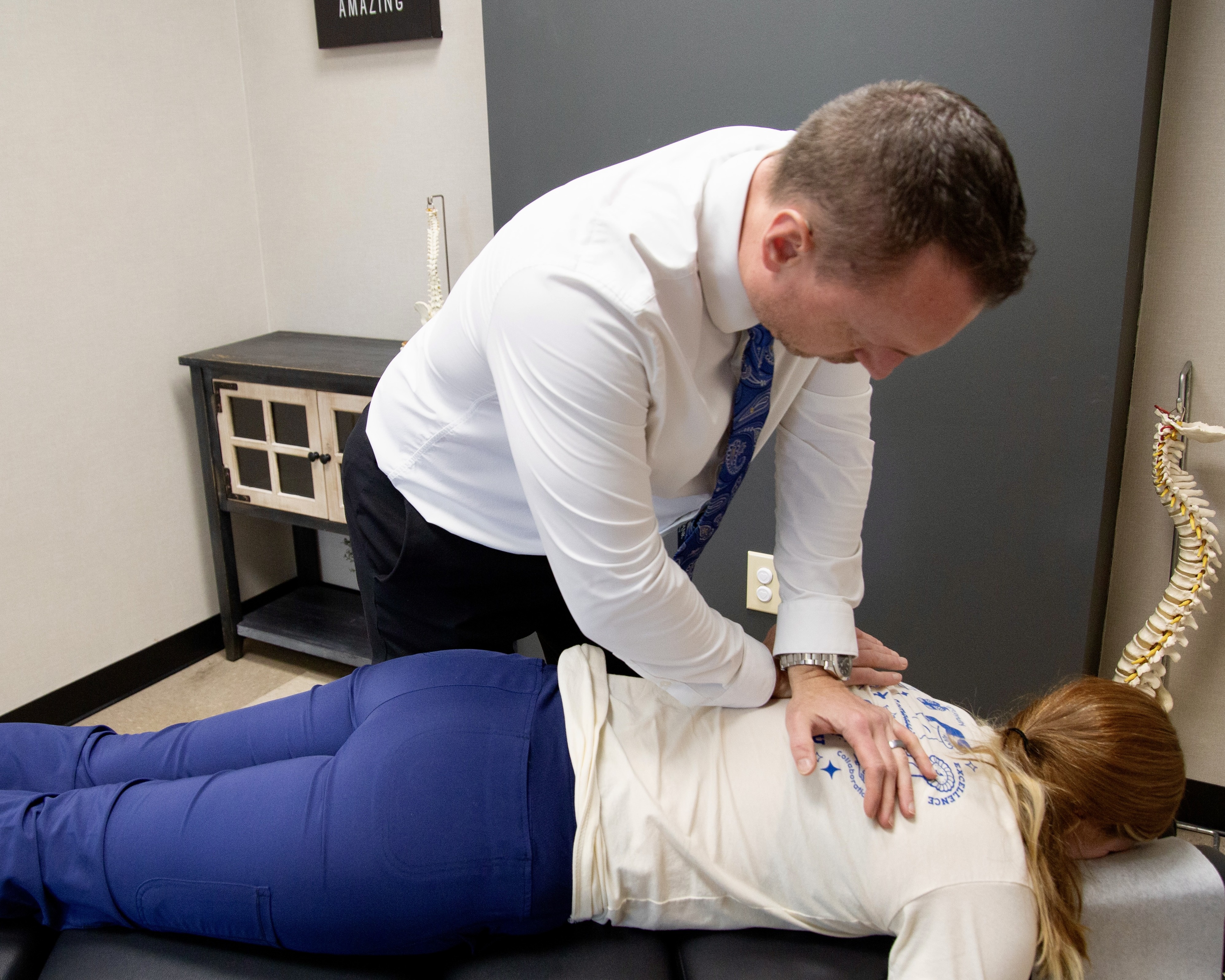
During your first visit, Dr. Charlie Gray will take time to listen to your story, understand your symptoms, and learn about your lifestyle and health history. A thorough exam typically includes posture analysis, range of motion testing, orthopedic tests, and sometimes diagnostic imaging if needed. The goal is to identify where your spine isn’t moving properly, where muscles are tight or weak, and what may be contributing to your pain.
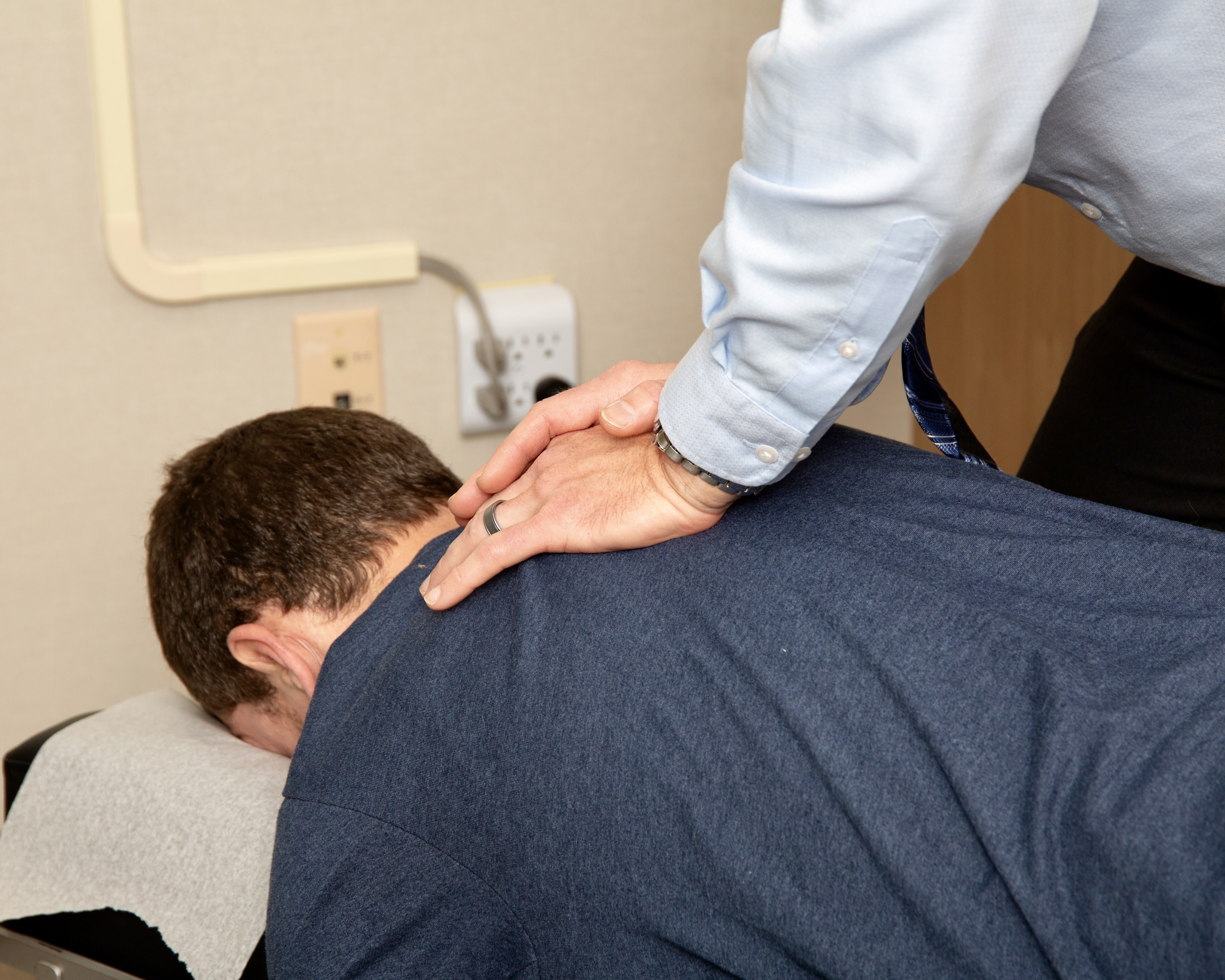
Once the source of your back pain is identified, a personalized care plan is developed. This may include spinal adjustments, soft tissue therapy, corrective exercises, and lifestyle recommendations. Chiropractic adjustments are precise, controlled movements applied to specific joints in the spine to restore proper motion and reduce irritation. Many patients report feeling immediate relief, while others notice gradual improvements over several visits.
Evidence Supporting Chiropractic Care for Back Pain
Research suggests that chiropractic care is an effective option for managing back pain, particularly lower back pain. The American College of Physicians (ACP) guidelines recommend non-drug treatments like spinal manipulation as a first-line approach for acute and chronic low back pain. The National Institutes of Health’s National Center for Complementary and Integrative Health (NCCIH) acknowledges evidence indicating that spinal manipulation can help reduce pain and improve function for some individuals with low back pain.
Chiropractic care is also valued for its safety profile. It’s a conservative, non-invasive approach that avoids the risks associated with surgery or long-term medication use. While it’s not a cure-all and doesn’t work for every condition, many patients find meaningful relief and improved quality of life through chiropractic treatment.
Beyond Adjustments: A Comprehensive Approach
At Wellness One, care doesn’t stop with adjustments. Dr. Charlie Gray often incorporates therapeutic exercises to strengthen weak muscles, improve flexibility, and correct movement patterns. Ergonomic advice helps you set up your workspace or daily routines to reduce strain on your back. Nutritional and lifestyle guidance may also be part of your care plan, as factors like inflammation, hydration, and sleep quality all play a role in how your body heals and functions.
Practical Tips for Preventing Back Pain
While professional care is important, there’s a lot you can do on your own to protect your back and reduce your risk of pain. Here are some practical, evidence-based tips that can make a real difference.
Improve Your Posture
Pay attention to how you sit, stand, and move throughout the day. When sitting, keep your feet flat on the floor, your back supported, and your shoulders relaxed. Avoid slouching or leaning forward. When standing, distribute your weight evenly on both feet and avoid locking your knees. Good posture reduces unnecessary strain on your spine and muscles.
Move Regularly
Prolonged sitting or standing in one position is hard on your back. Set a timer to remind yourself to stand, stretch, or walk for a few minutes every 30 to 60 minutes. Movement keeps your muscles active, promotes circulation, and prevents stiffness.
Lift Safely
When lifting objects, bend at your knees and hips, not your waist. Keep the object close to your body and avoid twisting while lifting. If something is too heavy, ask for help or use a dolly or cart. Most back injuries happen when people try to lift more than they can handle or use poor technique.
Strengthen Your Core
Incorporate exercises that build core strength and stability. Planks, bridges, and bird-dog exercises are excellent for strengthening the muscles that support your spine. Even simple activities like walking or swimming can help keep your core engaged and your back healthy.
Stay Active
Regular physical activity keeps your muscles strong, your joints mobile, and your body resilient. You don’t need to be a marathon runner—gentle activities like walking, yoga, or tai chi can be very beneficial for back health. The key is consistency.
Maintain a Healthy Weight
Carrying excess weight, especially around your midsection, puts added stress on your lower back. Maintaining a healthy weight through balanced nutrition and regular activity can reduce that burden and lower your risk of back pain.
Manage Stress
Find healthy ways to manage stress, whether it’s through deep breathing, meditation, time in nature, or hobbies you enjoy. Reducing stress can help your muscles relax and prevent tension-related pain.
Get Enough Sleep
Quality sleep is essential for healing and recovery. Make sure your mattress and pillows support your spine in a neutral position. If you sleep on your side, try placing a pillow between your knees. If you sleep on your back, a pillow under your knees can help reduce lower back strain.
When to See a Chiropractor
Not all back pain requires immediate professional care, but there are certain situations where seeing a chiropractor—or another healthcare provider—is a smart move. Here are some signs that it’s time to schedule an appointment at Wellness One in Hickory, NC.
Pain That Lasts More Than a Few Days
If your back pain persists beyond a few days despite rest, ice, and over-the-counter remedies, it’s worth getting evaluated. Chronic or recurring pain often indicates an underlying issue that needs attention.
Pain That Radiates Down Your Leg
Pain, numbness, tingling, or weakness that travels down your leg may indicate nerve involvement, such as sciatica. This type of pain should be assessed by a professional to determine the best course of care.
Pain After an Injury or Accident
If your back pain started after a car accident, fall, sports injury, or other trauma, it’s important to get checked out. Even if the pain seems mild at first, underlying damage can worsen over time without proper care.
Pain That Interferes With Daily Activities
If your back pain is keeping you from working, exercising, sleeping, or doing the things you enjoy, don’t wait. The sooner you address the problem, the better your chances of a full recovery.
Red Flags That Require Urgent Attention
While most back pain is not life threatening, there are certain warning signs that require immediate medical attention. Seek emergency care if you experience sudden loss of bowel or bladder control, severe weakness in your legs, unexplained weight loss, fever along with back pain, or pain following a significant trauma. These symptoms could indicate a serious underlying condition that needs urgent evaluation.
Comparison Table: Common Back Pain Triggers vs. Prevention Strategies
| Common Trigger | Prevention Strategy |
|---|---|
| Prolonged sitting with poor posture | Take frequent breaks, use ergonomic seating, adjust monitor height |
| Heavy or improper lifting | Bend at knees, keep load close, avoid twisting, ask for help |
| Weak core muscles | Perform core-strengthening exercises like planks and bridges |
| High stress levels | Practice relaxation techniques, prioritize self-care, manage workload |
| Sedentary lifestyle | Stay active with walking, swimming, or yoga; aim for 30 minutes daily |
| Excess body weight | Maintain healthy weight through balanced nutrition and regular activity |
Myths vs. Facts About Back Pain
There’s a lot of misinformation out there about back pain. Let’s clear up some common myths with evidence-based facts.
Myth: Bed Rest Is the Best Treatment for Back Pain
Fact: While rest may help in the first day or two after an acute injury, prolonged bed rest can actually make back pain worse. Staying active and moving gently helps keep your muscles strong and your joints mobile. Research indicates that people who stay moderately active recover faster than those who stay in bed.
Myth: Back Pain Always Means Something Serious Is Wrong
Fact: Most back pain is mechanical in nature and not caused by serious diseases or structural damage. While it can be uncomfortable and disruptive, the majority of back pain improves with conservative care and lifestyle changes.
Myth: You Should Avoid Exercise If You Have Back Pain
Fact: Gentle, appropriate exercise is one of the best things you can do for back pain. Movement helps reduce stiffness, strengthen supporting muscles, and improve overall function. The key is choosing the right activities and avoiding movements that aggravate your pain.
Myth: Chiropractic Adjustments Are Dangerous
Fact: Chiropractic care is widely recognized as a safe, effective treatment for musculoskeletal pain, including back pain. Serious complications are extremely rare. Dr. Charlie Gray and chiropractors across the country are trained to perform adjustments safely and to identify when chiropractic care may not be appropriate.
Myth: Once You Start Chiropractic Care, You Have to Go Forever
Fact: Chiropractic care is personalized to your needs and goals. Some patients seek care for a specific injury and stop once they feel better. Others choose ongoing wellness care to maintain their results and prevent future problems. The choice is always yours, and a good chiropractor will respect your preferences.
Final Thoughts
Back pain is incredibly common, but it doesn’t have to control your life. By understanding the common causes—whether it’s poor posture, muscle strain, joint dysfunction, or stress—you can take meaningful steps to protect your spine and reduce your risk of pain. Here in Hickory, NC, Wellness One is committed to helping you find relief through safe, effective, and personalized chiropractic care.
Dr. Charlie Gray and the team at Wellness One believe in empowering patients with knowledge, compassionate care, and practical solutions. Whether you’re dealing with a new injury or chronic pain that’s been holding you back, we’re here to help you get back to feeling your best. If you’re struggling with back pain, don’t wait—reach out to Wellness One and take the first step toward a healthier, more comfortable life.
Frequently Asked Questions
Can chiropractic care help with both acute and chronic back pain?
Yes, chiropractic care can be beneficial for both acute back pain (such as from a recent injury) and chronic back pain that has persisted for weeks or months. Evidence suggests that spinal adjustments and supportive therapies can help reduce pain and improve function in both scenarios.
How long does it take to see results from chiropractic treatment?
This varies from person to person depending on the cause and severity of your back pain, your overall health, and how long you’ve had the problem. Some patients feel relief after their first visit, while others notice gradual improvement over several weeks of care.
Is chiropractic care safe for older adults with back pain?
Yes, chiropractic care can be safe and effective for older adults. Chiropractors are trained to adjust their techniques based on age, health status, and individual needs. Gentle, low-force methods are available for patients with conditions like osteoporosis or arthritis.
Will I need X-rays or imaging before treatment?
Not always. Dr. Charlie Gray will determine if imaging is necessary based on your history, symptoms, and exam findings. In many cases, a thorough physical evaluation is sufficient to develop an appropriate care plan.
Can chiropractic care prevent future episodes of back pain?
While no treatment can guarantee you’ll never have back pain again, regular chiropractic care combined with good posture, exercise, and healthy habits can reduce your risk of recurrence. Many patients find that maintenance care helps them stay active and pain-free long-term.
What should I wear to my chiropractic appointment?
Wear comfortable, loose-fitting clothing that allows you to move freely. You may be asked to perform certain movements or stretches during your exam, so choose clothing that won’t restrict your motion.
TL;DR: Key Takeaways
- Back pain is very common and can result from poor posture, muscle strain, joint dysfunction, disc issues, weak core muscles, stress, or injury.
- Chiropractic care offers a safe, non-invasive, drug-free approach to addressing the root causes of back pain through spinal adjustments, exercise, and lifestyle guidance.
- Research supports spinal manipulation as an effective treatment for low back pain, and guidelines recommend it as a first-line option before medications or surgery.
- You can reduce your risk of back pain by improving posture, staying active, lifting safely, strengthening your core, managing stress, and maintaining a healthy weight.
- If your back pain persists beyond a few days, radiates down your leg, follows an injury, or interferes with daily life, schedule an evaluation with Dr. Charlie Gray at Wellness One in Hickory, NC.