
If you’ve ever experienced a headache that seems to originate from the back of your head or neck, you’re not alone. Many people in Hickory, NC, and across the country suffer from headaches that don’t quite feel like typical tension headaches or migraines. Instead, these headaches often start with neck discomfort, stiffness, or pain that radiates upward into the skull. Understanding the connection between your neck and your head pain is the first step toward finding lasting relief.
The relationship between neck problems and headaches is more common than most people realize. Your cervical spine—the upper portion of your spine that supports your head—plays a crucial role in how your head feels. When the joints, muscles, or nerves in your neck become irritated or misaligned, they can trigger headaches that range from dull and nagging to severe and debilitating. This article will help you understand this connection, recognize the signs, and explore how chiropractic care at Wellness One in Hickory, NC, may offer a natural solution.
What Are Cervicogenic Headaches?
Cervicogenic headaches are headaches that originate from problems in the cervical spine (neck). Unlike migraines or sinus headaches, these headaches are caused by dysfunction in the neck’s joints, muscles, ligaments, or nerves. The pain typically starts in the neck or base of the skull and radiates forward into the forehead, temples, or behind the eyes.
Table of Contents
- What Causes Neck-Related Headaches?
- Common Signs and Symptoms
- How Your Neck Affects Your Head
- Chiropractic Care for Cervicogenic Headaches
- Practical Tips for Neck Health
- When to See a Chiropractor
- Myths vs. Facts About Neck-Related Headaches
- Final Thoughts
What Causes Neck-Related Headaches?
Cervicogenic headaches are triggered by issues in the cervical spine, and several factors can contribute to their development. Understanding these causes can help you identify potential risk factors in your own life.
One of the most common causes is poor posture. When you spend hours hunched over a computer, looking down at your phone, or slouching on the couch, the muscles and joints in your neck are forced into unnatural positions. Over time, this chronic stress leads to tension, misalignment, and irritation of the nerves that travel from your neck into your head. Here in Hickory, many patients come into Wellness One after years of desk work or repetitive strain from their daily routines.
Whiplash injuries from car accidents are another significant cause. Even a minor fender bender can cause the head to snap forward and backward suddenly, straining the ligaments and joints in the neck. This type of trauma can lead to cervicogenic headaches that persist long after the initial injury has healed.
Degenerative changes in the cervical spine, such as arthritis or disc degeneration, can also contribute to headaches. As the discs between your vertebrae wear down with age, the joints can become stiff and inflamed. This inflammation can irritate nearby nerves and trigger headache pain.
Muscle tension and trigger points are other common culprits. The muscles at the base of your skull and upper neck can develop tight, painful knots known as trigger points. These trigger points can refer pain into the head, creating a headache that feels deep and persistent.
Joint dysfunction in the upper cervical spine—particularly at the C1, C2, and C3 levels—is frequently involved in cervicogenic headaches. When these joints become restricted or misaligned, they can irritate the nerves that supply sensation to the head and face.
Common Signs and Symptoms
Recognizing the signs of a cervicogenic headache can help you distinguish it from other types of headaches and seek appropriate care. These headaches have a distinct pattern and set of characteristics.
The pain typically starts in the neck or at the base of the skull. It may begin as a dull ache or stiffness in the neck before spreading upward into the back of the head, over the top of the skull, or into the forehead and temples. Unlike migraines, which often affect one side of the head, cervicogenic headaches can be one-sided or bilateral.
Many people with cervicogenic headaches notice that certain neck movements or positions make the pain worse. Turning your head, looking up or down, or holding your head in one position for an extended period can trigger or intensify the headache. This movement-related pattern is a key clue that the neck is involved.
The pain is often described as steady and dull rather than throbbing. It may feel like a constant pressure or tightness, and it can last for hours or even days. Some people also experience tenderness in the neck muscles and reduced range of motion in the cervical spine.
Cervicogenic headaches may be accompanied by other symptoms such as neck stiffness, shoulder pain, dizziness, nausea, sensitivity to light or sound, and blurred vision. However, these symptoms are usually less intense than those associated with migraines.
The frequency of these headaches can vary widely. Some people experience them daily, while others have episodes that come and go depending on their activities and stress levels. Dr. Charlie Gray at Wellness One in Hickory, NC, often sees patients whose headache patterns correlate with their work schedules, exercise habits, or sleep quality.

How Your Neck Affects Your Head
To understand why neck problems cause headaches, it helps to know a bit about the anatomy and neurology of the cervical spine. The connection is both mechanical and neurological.
The upper cervical spine—especially the first three vertebrae—has a unique relationship with the structures that supply sensation to the head. The nerves that exit from these levels, known as the occipital nerves, travel upward into the scalp and can become irritated when the joints or muscles around them are dysfunctional. This irritation sends pain signals into the head, creating what we perceive as a headache.
There’s also a phenomenon called convergence, where nerve signals from the neck and face converge in the same area of the brainstem. This means that pain signals originating in the neck can be interpreted by the brain as coming from the head. It’s a case of mistaken identity in the nervous system, and it explains why neck dysfunction can cause headache pain that feels like it’s coming from deep inside your skull.
Mechanically, the neck supports the weight of your head, which averages about 10 to 12 pounds. When your posture is poor or your neck muscles are weak, this load is distributed unevenly. The joints in your cervical spine experience abnormal stress, leading to inflammation and pain that radiates into the head.
The muscles at the base of the skull—including the suboccipital muscles—play a critical role in stabilizing the head and controlling fine movements. When these muscles become tight or fatigued, they can develop trigger points that refer pain into the temples, forehead, or behind the eyes. This muscular component is often a significant contributor to cervicogenic headaches.
Blood flow and circulation can also be affected by neck dysfunction. While this is less commonly the primary cause, restricted movement or misalignment in the upper cervical spine can influence the flow of blood and cerebrospinal fluid, which may contribute to headache symptoms in some individuals.
Chiropractic Care for Cervicogenic Headaches
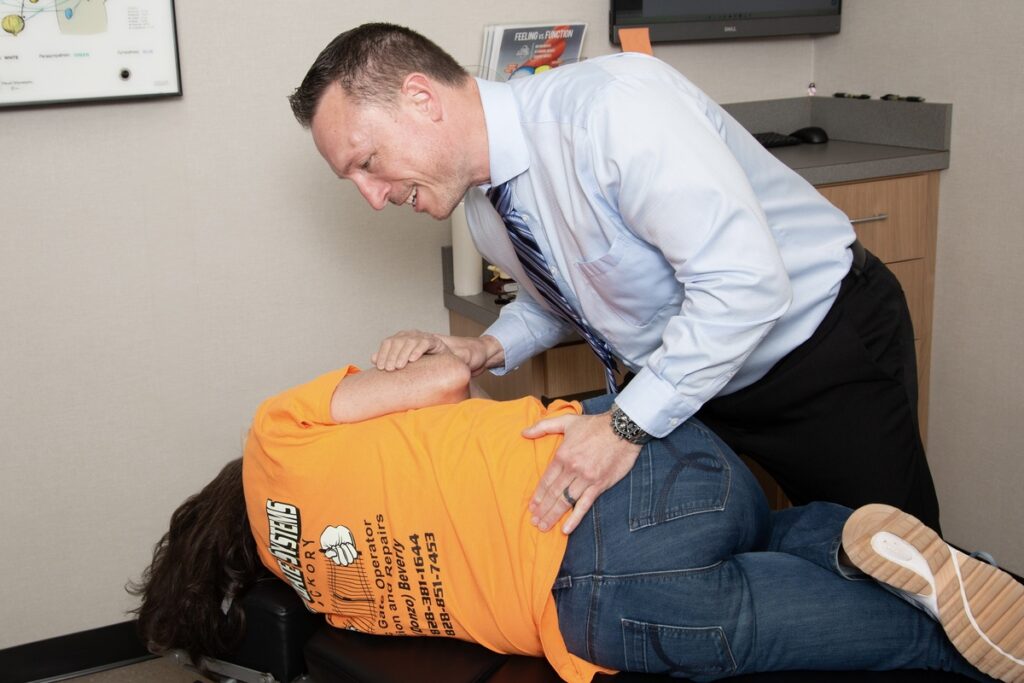
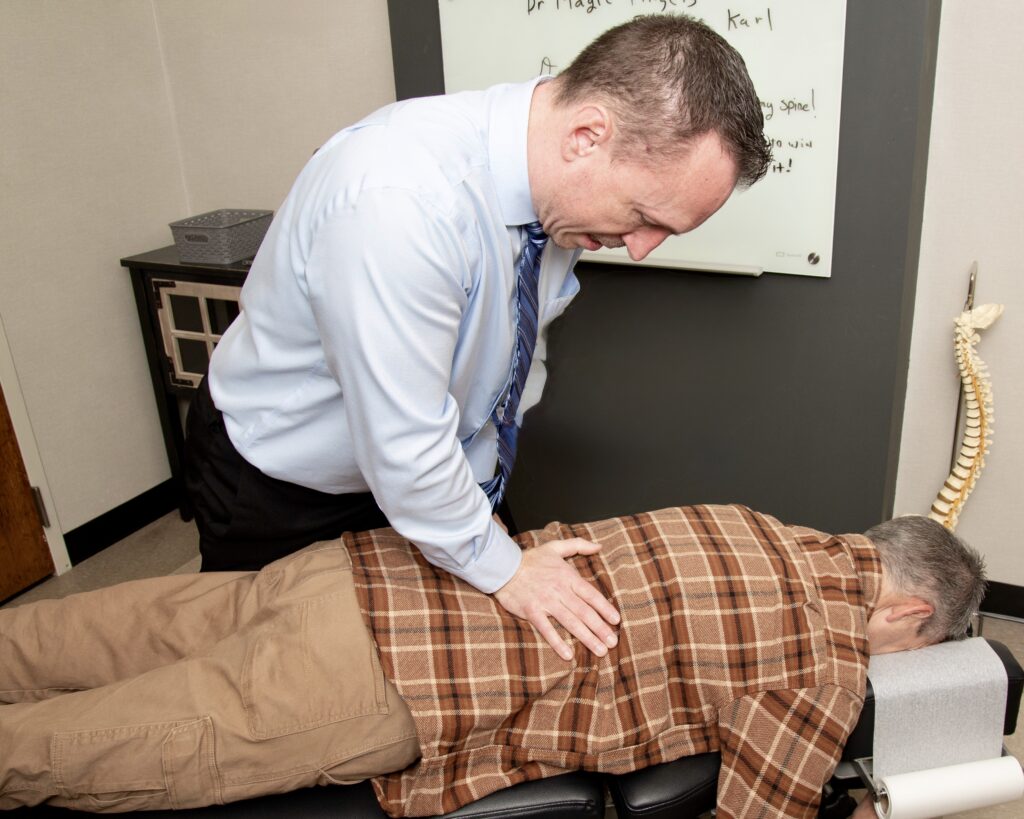
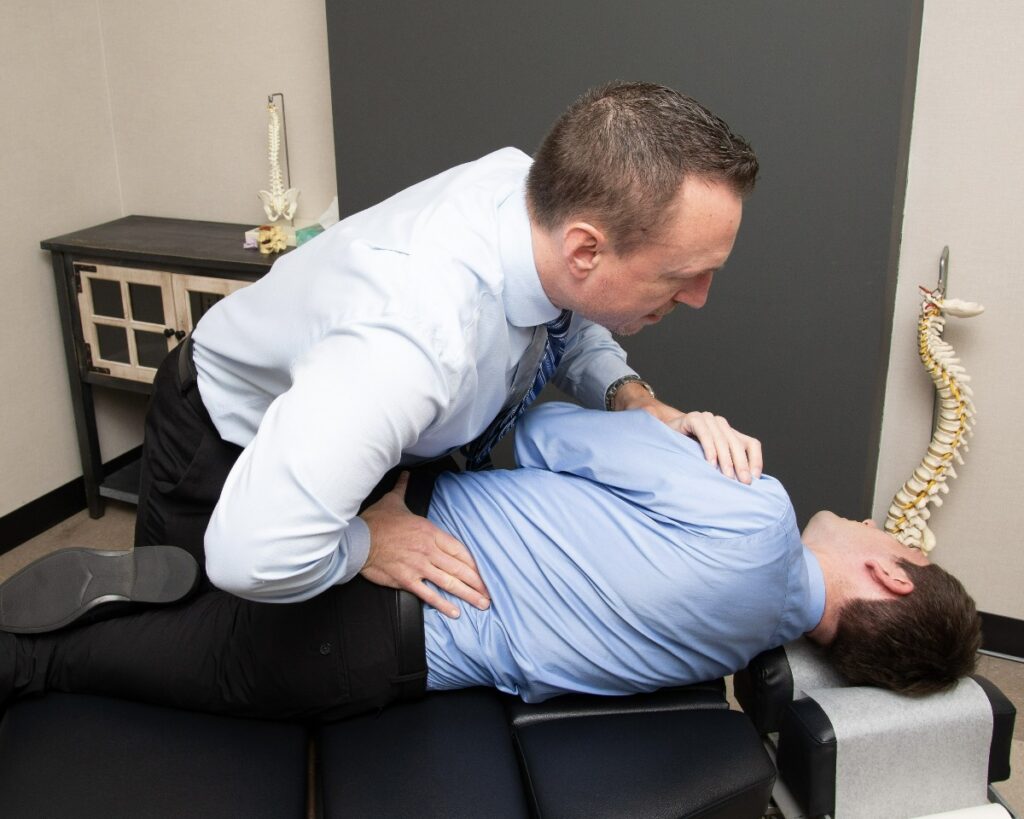
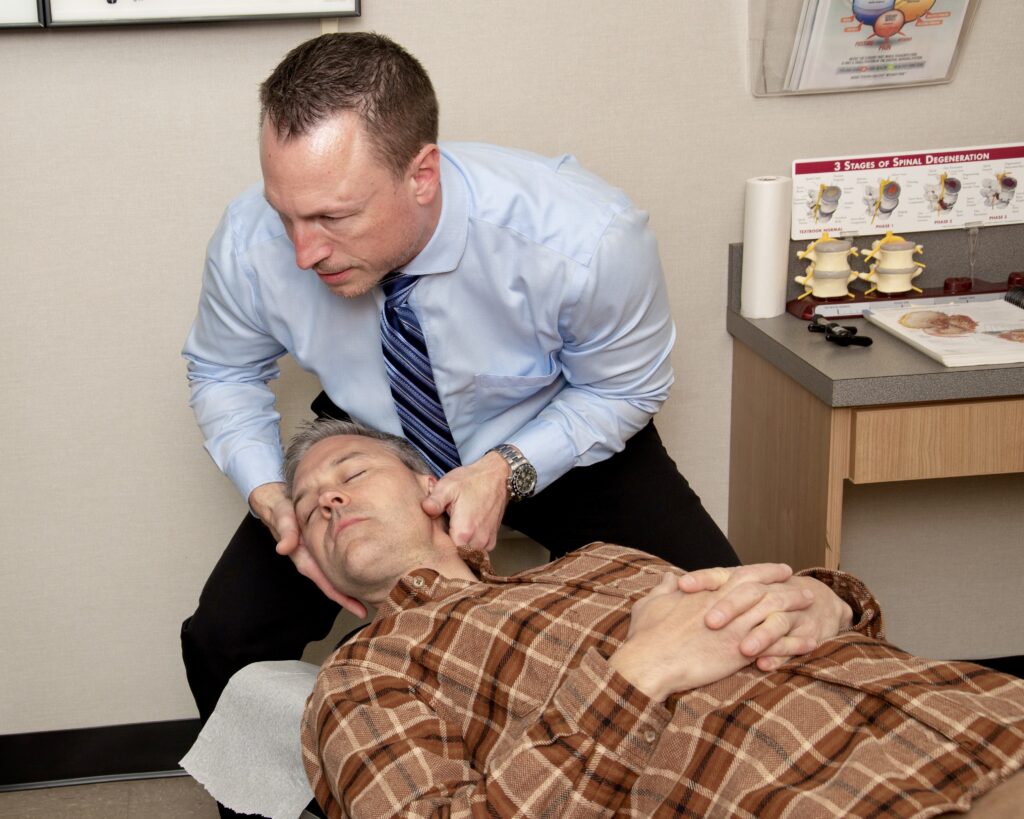
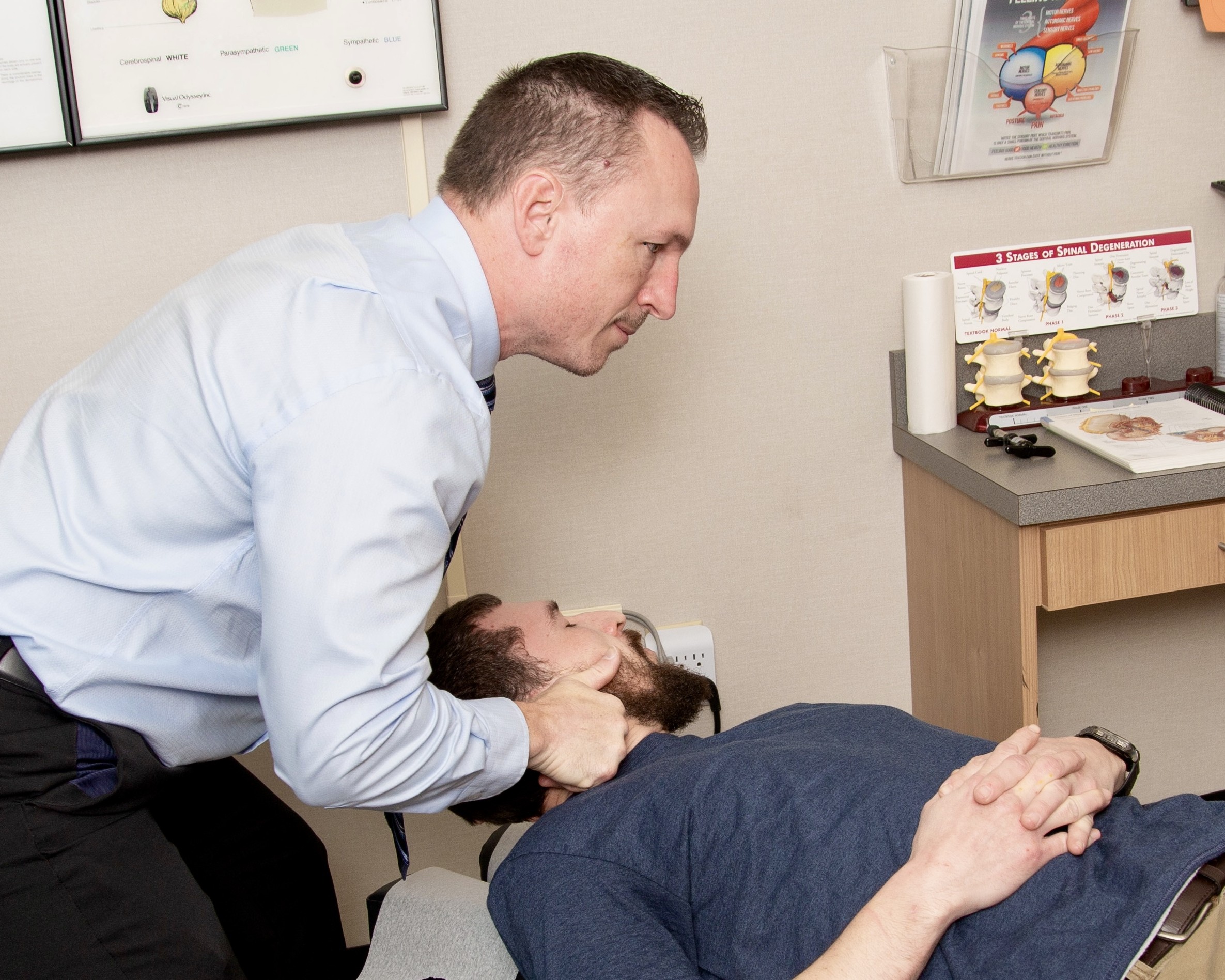
Chiropractic care offers a non-invasive, drug-free approach to managing cervicogenic headaches by addressing the underlying neck dysfunction. At Wellness One in Hickory, NC, Dr. Charlie Gray and the care team focus on restoring proper alignment, reducing muscle tension, and improving overall neck function.
Chiropractic adjustments are the cornerstone of care for cervicogenic headaches. These gentle, precise movements help restore normal motion to the joints of the cervical spine. When the vertebrae are properly aligned and moving correctly, nerve irritation is reduced, and the signals that trigger headache pain are diminished. Research suggests that spinal manipulation can be effective in reducing the frequency and intensity of cervicogenic headaches.
In addition to adjustments, chiropractors often use soft tissue techniques to address muscle tension and trigger points. Techniques such as myofascial release, trigger point therapy, and gentle stretching can help relax tight muscles at the base of the skull and upper neck. This muscular relief is often an immediate source of comfort for patients.
Postural assessment and correction are also key components of care. Dr. Charlie Gray takes the time to evaluate each patient’s posture, work setup, and daily habits. Identifying and correcting postural imbalances can prevent the recurrence of cervicogenic headaches and promote long-term neck health.
Exercise and rehabilitation are often incorporated into a comprehensive care plan. Strengthening the deep neck flexors and upper back muscles helps stabilize the cervical spine and reduce the likelihood of future headaches. Patients are given individualized exercises that they can perform at home to support their progress.
Chiropractic care is tailored to each individual. Not every patient with cervicogenic headaches responds to the same approach, so care plans are customized based on the severity of symptoms, the underlying causes, and the patient’s overall health. The goal is to provide relief while empowering patients to take an active role in their own wellness.
Practical Tips for Neck Health and Headache Prevention
While professional care is important, there are several things you can do at home and at work to support your neck health and reduce the frequency of cervicogenic headaches. These tips are simple, safe, and backed by biomechanical principles.
Start by improving your workstation ergonomics. If you work at a desk, make sure your computer monitor is at eye level so you’re not constantly looking down. Your chair should support the natural curve of your lower back, and your feet should rest flat on the floor. Take breaks every 30 to 45 minutes to stand, stretch, and move around.
Be mindful of your phone use. Looking down at your phone for extended periods puts significant strain on your neck. Try to hold your phone at eye level when texting or browsing, and limit the amount of time you spend in this position.
Practice good sleeping posture. Use a supportive pillow that keeps your neck in a neutral position. Avoid sleeping on your stomach, as this forces your neck into an awkward, twisted position for hours at a time. Side or back sleeping is generally better for neck health.
Incorporate gentle neck stretches and movements into your daily routine. Simple exercises like chin tucks, neck rotations, and shoulder blade squeezes can help maintain mobility and reduce muscle tension. Consistency is key—doing these exercises daily is more effective than sporadic, intense sessions.
Stay hydrated and maintain a healthy weight. Proper hydration supports the discs in your spine, which rely on fluid to maintain their cushioning properties. Excess weight can alter your posture and increase the load on your neck.
Manage stress through relaxation techniques. Stress often manifests as muscle tension in the neck and shoulders. Practices such as deep breathing, meditation, and gentle yoga can help you relax and reduce the physical impact of stress on your body.
Avoid carrying heavy bags on one shoulder. This creates an uneven load and can strain the muscles and joints on one side of your neck. If you need to carry a bag, use a backpack with both straps or alternate sides frequently.
When to See a Chiropractor
Knowing when to seek professional care is important for preventing chronic problems and achieving the best outcomes. If you’re experiencing headaches that seem to be related to your neck, it may be time to schedule an evaluation.
Consider seeing a chiropractor if your headaches are frequent—occurring more than once or twice a week—or if they’re persistent and not responding to over-the-counter pain relievers. If you notice that your headaches worsen with certain neck movements or positions, this is a strong indication that the cervical spine is involved.
If you’ve recently been in a car accident or experienced any type of neck trauma, it’s wise to get evaluated even if your symptoms seem mild at first. Whiplash-related headaches can develop gradually and become more severe over time if left unaddressed.
If your headaches are affecting your daily life—making it difficult to work, sleep, or enjoy your usual activities—professional care can help you regain your quality of life. You don’t have to live with chronic pain or rely solely on medications to manage your symptoms.
There are also some red flags that warrant immediate medical attention. If your headache is sudden and severe (often described as a “thunderclap” headache), or if it’s accompanied by symptoms such as fever, stiff neck, confusion, vision changes, weakness, numbness, difficulty speaking, or loss of consciousness, seek emergency care right away. These symptoms may indicate a more serious underlying condition that requires urgent evaluation.
For most people with cervicogenic headaches, however, chiropractic care is a safe and effective option. At Wellness One in Hickory, NC, Dr. Charlie Gray performs a thorough evaluation to determine the root cause of your headaches and develop a personalized care plan that addresses your specific needs.
Cervicogenic Headaches vs. Other Common Headache Types
| Feature | Cervicogenic Headache | Tension Headache | Migraine |
|---|---|---|---|
| Origin | Neck dysfunction (joints, muscles, nerves) | Muscle tension in head, neck, shoulders | Neurological and vascular changes |
| Pain Location | Starts in neck/base of skull, radiates forward | Band-like pressure around head | Often one-sided, throbbing |
| Pain Quality | Dull, steady, pressure-like | Dull, tight, squeezing | Throbbing, pulsating |
| Triggers | Neck movements, poor posture, sustained positions | Stress, fatigue, eye strain | Hormonal changes, certain foods, sensory stimuli |
| Associated Symptoms | Neck stiffness, reduced neck range of motion | Mild sensitivity to light or noise | Nausea, vomiting, light/sound sensitivity, aura |
| Response to Neck Treatment | Often improves with chiropractic care and neck therapy | May improve with posture correction and stress management | Typically does not respond to neck-focused treatment alone |
Myths vs. Facts About Neck-Related Headaches
Myth: All headaches are the same and should be treated with pain medication.
Fact: Headaches have many different causes, and cervicogenic headaches specifically originate from neck dysfunction. While pain relievers may provide temporary relief, they don’t address the underlying problem. Chiropractic care focuses on correcting the neck issues that trigger the headache, which can lead to more lasting results.
Myth: If my headache feels like it’s in my head, it can’t be coming from my neck.
Fact: Due to the way nerves converge in the brainstem, pain originating in the neck can be perceived as headache pain in the forehead, temples, or behind the eyes. This referred pain pattern is well-documented and is a hallmark of cervicogenic headaches. Your brain can misinterpret the source of the pain, making it feel like a head problem when it’s actually a neck issue.
Myth: Chiropractic adjustments are dangerous for the neck.
Fact: When performed by a licensed, trained chiropractor like Dr. Charlie Gray, cervical adjustments are very safe. Research and clinical guidelines support the use of spinal manipulation for neck-related conditions, including cervicogenic headaches. Chiropractors undergo extensive education and training to deliver precise, gentle adjustments that respect the anatomy of the cervical spine.
Myth: Cervicogenic headaches will go away on their own if I just wait.
Fact: While some headaches may resolve temporarily, cervicogenic headaches are often the result of chronic postural imbalances, joint dysfunction, or muscle tension that won’t improve without intervention. Waiting can allow the problem to worsen and become more difficult to treat. Early, proactive care typically leads to better outcomes.
Myth: Only people with neck injuries get cervicogenic headaches.
Fact: While trauma like whiplash can certainly cause cervicogenic headaches, many people develop them gradually due to poor posture, repetitive strain, or degenerative changes over time. You don’t need to have been in an accident to experience this type of headache. Everyday activities like sitting at a desk, looking at your phone, or sleeping in an awkward position can contribute to the problem.
Final Thoughts
Headaches that start in the neck are more than just a nuisance—they’re a signal from your body that something in your cervical spine needs attention. Understanding the connection between your neck and your head pain is empowering, and it opens the door to effective, natural care that addresses the root cause rather than just masking the symptoms.
If you’re in Hickory, NC, and you’re dealing with headaches that seem to originate from your neck, you’re not alone. Many patients at Wellness One have found relief through chiropractic care that focuses on restoring proper alignment, reducing muscle tension, and improving overall neck function. Dr. Charlie Gray and the team are dedicated to helping you feel better and live without the burden of chronic headaches.
You don’t have to accept headaches as a normal part of life. With the right care and a commitment to healthy habits, you can reduce the frequency and intensity of your headaches and get back to enjoying the activities and moments that matter most. If you’re ready to explore a conservative, drug-free approach to headache relief, consider reaching out to Wellness One in Hickory, NC, to learn more about how chiropractic care might help you.
Frequently Asked Questions
Can cervicogenic headaches be cured, or will they always come back?
With the right care and lifestyle modifications, many people experience significant, long-term relief from cervicogenic headaches. Chiropractic care, combined with ergonomic improvements, strengthening exercises, and healthy habits, can address the underlying causes and reduce recurrence. However, ongoing maintenance and self-care are often necessary to prevent flare-ups, especially if your daily activities involve repetitive strain or poor posture.
How long does it take to see results from chiropractic care for cervicogenic headaches?
Response times vary depending on the severity and duration of your symptoms, as well as your overall health and adherence to the care plan. Some patients notice improvement after just a few visits, while others may require several weeks of consistent care to achieve optimal results. Dr. Charlie Gray will work with you to set realistic expectations and monitor your progress throughout your care.
Are cervicogenic headaches more common in certain age groups?
Cervicogenic headaches can occur at any age, but they are often seen in adults who spend long hours in sedentary positions, such as desk workers, drivers, and people who use computers or smartphones frequently. Older adults with degenerative changes in the cervical spine may also be at higher risk. However, younger individuals can develop these headaches due to poor posture or sports-related injuries.
Can I do anything at home to relieve a cervicogenic headache when it starts?
Yes, there are several self-care strategies you can try. Gentle neck stretches, applying heat or ice to the base of your skull, practicing deep breathing, and adjusting your posture can provide some relief. Lying down in a comfortable position that supports your neck may also help. However, these measures are often temporary, and professional care is usually needed to address the underlying dysfunction.
Will I need X-rays or other imaging for cervicogenic headaches?
In many cases, a thorough physical examination and health history are sufficient to diagnose cervicogenic headaches. However, if there’s a history of trauma, if symptoms are severe or worsening, or if red flags are present, Dr. Charlie Gray may recommend imaging such as X-rays or MRI to rule out structural abnormalities or other underlying conditions. Imaging helps ensure that care is safe and appropriate for your specific situation.
Can stress make cervicogenic headaches worse?
Absolutely. Stress often leads to increased muscle tension in the neck and shoulders, which can exacerbate the joint dysfunction and trigger points that cause cervicogenic headaches. Managing stress through relaxation techniques, regular physical activity, and adequate sleep can help reduce the frequency and intensity of these headaches. Chiropractic care can also help by releasing muscle tension and improving overall nervous system function.
TL;DR: Key Takeaways
- Cervicogenic headaches originate from dysfunction in the cervical spine, including joint misalignment, muscle tension, and nerve irritation, and typically start in the neck before radiating into the head.
- Common causes include poor posture, whiplash injuries, degenerative changes, and repetitive strain from daily activities like computer work and phone use.
- Chiropractic care at Wellness One in Hickory, NC, offers a non-invasive, drug-free approach to managing cervicogenic headaches by restoring proper neck alignment and reducing muscle tension.
- Practical lifestyle modifications—such as improving ergonomics, practicing good sleeping posture, and incorporating gentle neck exercises—can help prevent headaches and support long-term neck health.
- If your headaches are frequent, persistent, or related to neck movements, or if you’ve experienced recent trauma, it’s a good idea to seek an evaluation from Dr. Charlie Gray at Wellness One to determine the best course of care.