
Back pain is one of the most common reasons people seek medical care — and one of the most frustrating conditions to live with. Whether it’s a dull ache that won’t go away or a sharp pain that stops you in your tracks, back pain can affect every part of your daily life. Here in Hickory, NC, our team at Wellness One hears this concern constantly: “Should I see a chiropractor, or should I go to my regular doctor?” It’s a great question, and the honest answer is more nuanced than most people expect. This article will walk you through both approaches, help you understand what the evidence says, and empower you to make the best decision for your health.
Chiropractic vs. Traditional Medicine for Back Pain: What’s the Difference?
At its core, the difference comes down to philosophy and method. Traditional medicine typically addresses back pain through diagnosis, medication management, and — when necessary — surgery. Chiropractic care focuses on the musculoskeletal and nervous systems, using hands-on spinal adjustments and conservative therapies to restore movement and reduce pain naturally. Both are recognized forms of care. And for many patients, the best outcomes come from understanding how each approach works.
How Traditional Medicine Approaches Back Pain
When you visit a primary care physician for back pain, they’ll typically start with a physical examination and a review of your medical history. Depending on the severity and suspected cause, they may order imaging like X-rays or an MRI. From there, the most common treatment options include rest, over-the-counter or prescription pain medications, muscle relaxants, anti-inflammatory drugs, and in some cases, referrals to physical therapy or a specialist.
For more severe cases — such as a herniated disc pressing on a nerve, spinal stenosis, or structural deformities — traditional medicine may recommend epidural steroid injections or even surgery. These interventions can absolutely be appropriate and necessary in certain situations. There are times when surgery is the right call, and a good chiropractor will never discourage you from pursuing necessary medical care.
However, the limitations of the traditional medical approach to back pain have become more widely recognized in recent years. Medications address symptoms rather than underlying causes. Long-term reliance on certain pain medications carries real risks. And surgery — even when technically successful — doesn’t always result in the relief patients hope for. This is part of why organizations like the American College of Physicians (ACP) have updated their guidelines to recommend non-pharmacological, conservative care as a first-line approach for many types of back pain.
How Chiropractic Care Approaches Back Pain
Chiropractic care takes a different starting point. Rather than masking symptoms with medication, chiropractors work to identify and address the mechanical dysfunction contributing to your pain. The spine plays a central role in this approach — when vertebrae are misaligned or joints are restricted in their movement, it can create tension, nerve irritation, and muscle imbalance that show up as pain.
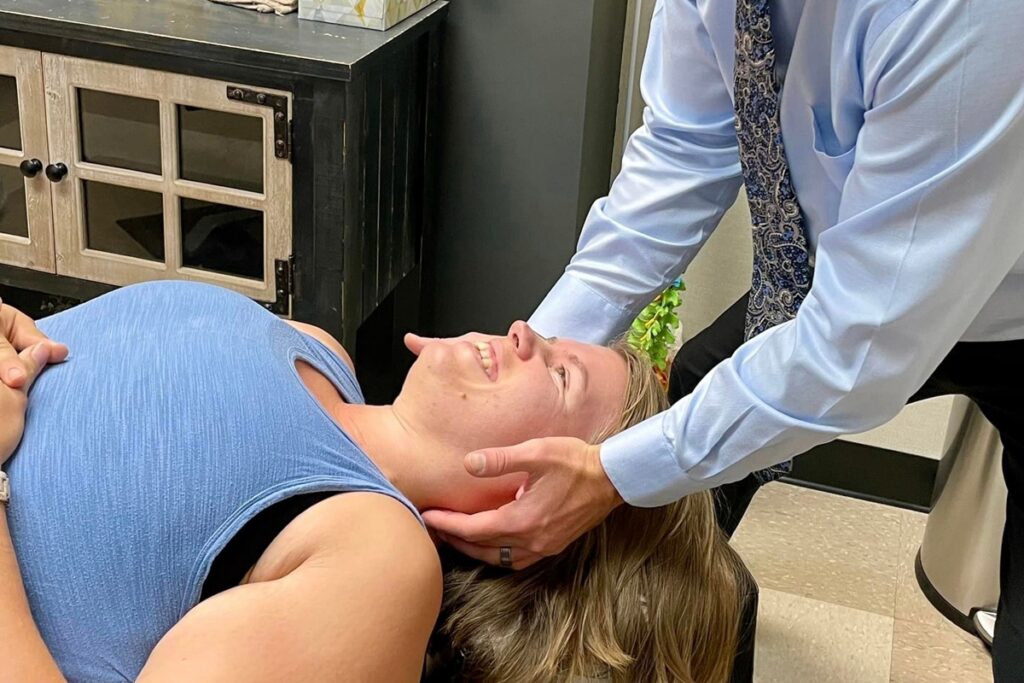
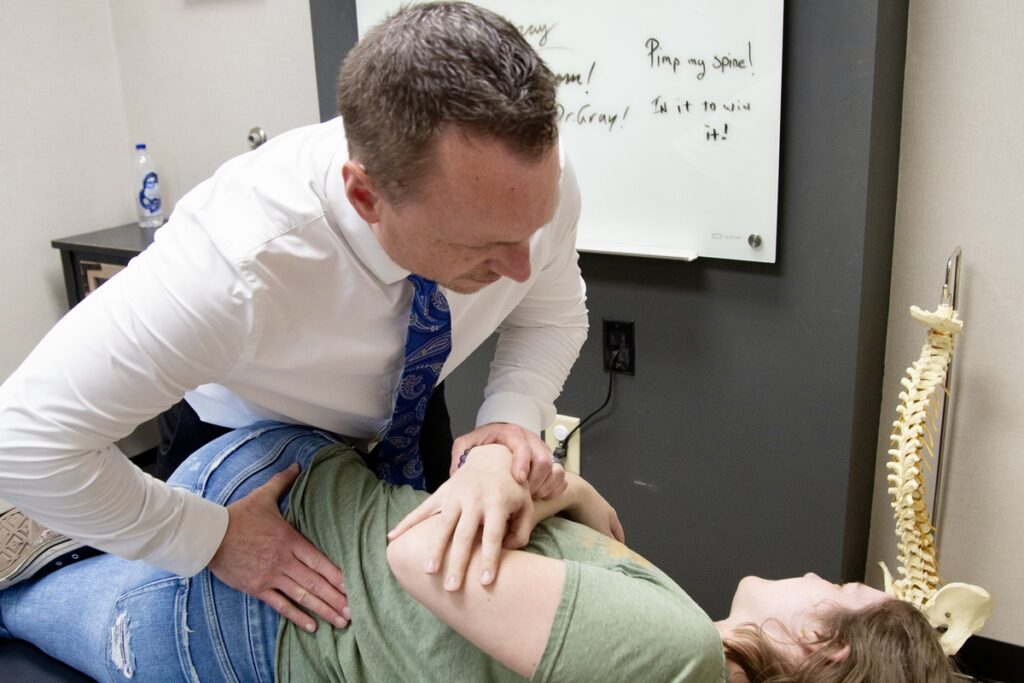
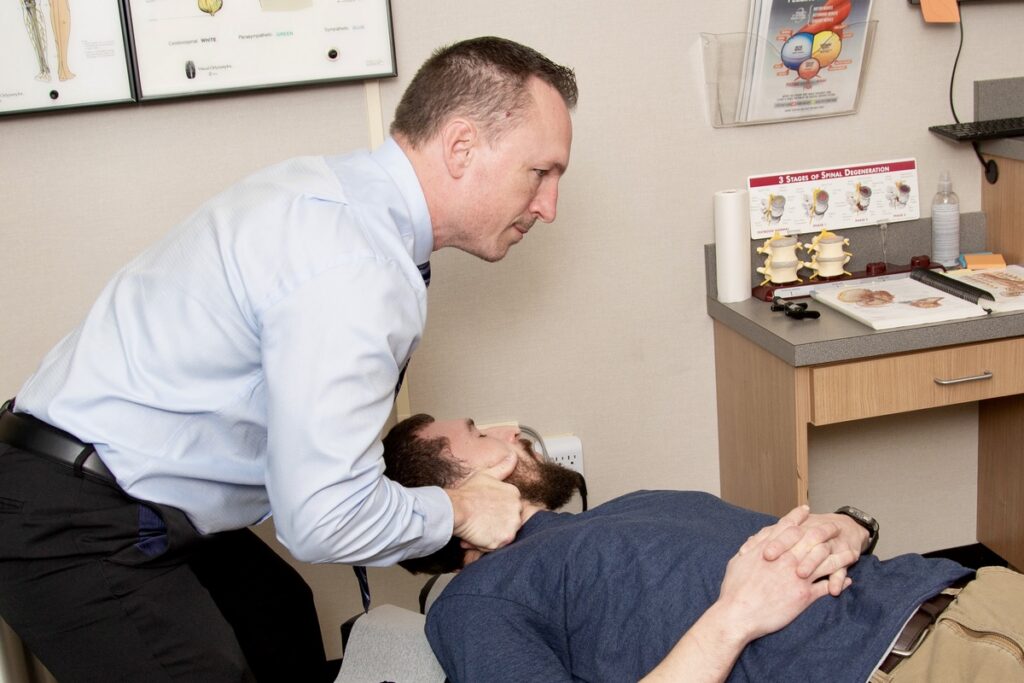
Dr. Charlie Gray at Wellness One in Hickory, NC evaluates each patient individually, looking at posture, spinal alignment, range of motion, and how the body moves as a whole system. The primary tool in chiropractic care is the spinal adjustment — a precise, controlled movement applied to specific joints to restore proper motion and reduce irritation. Adjustments are typically gentle, and many patients feel relief during or shortly after their visit.
Beyond spinal adjustments, chiropractic care at Wellness One often includes Non-Surgical Spinal Decompression, Electric Muscle Stim, Heat and Ice therapy, Therapeutic Ultrasound, and Intersegmental Traction. The goal isn’t just to get you out of pain temporarily — it’s to help your body function better so that pain doesn’t keep coming back. That kind of whole-person, root-cause focus is what sets chiropractic apart in the world of back pain treatment.
What the Evidence Says
This is where it gets really interesting. The evidence in support of chiropractic care for back pain has grown meaningfully over the past two decades. The American College of Physicians, which is one of the most respected medical organizations in the country, now recommends spinal manipulative therapy — the medical term for chiropractic adjustments — as a first-line, non-drug treatment for both acute and chronic low back pain. That’s not a fringe recommendation. That’s mainstream medicine acknowledging what chiropractors have long understood.
Research published through organizations like the Cochrane Library and the NIH’s National Center for Complementary and Integrative Health (NCCIH) suggests that spinal manipulation can provide meaningful short-term relief for low back pain comparable to other commonly used treatments. Evidence also indicates that chiropractic care is associated with high patient satisfaction and a lower likelihood of opioid use compared to other pain management routes — which matters enormously given our nation’s ongoing struggles with medication dependency.
That said, it’s important to be honest: chiropractic care isn’t a cure-all, and the evidence is stronger for some types of back pain than others. Mechanical low back pain — the most common type — responds particularly well. Conditions involving fractures, tumors, infections, or certain neurological emergencies require immediate medical attention and are outside the scope of chiropractic care. A great chiropractor knows when to refer out, and Dr. Charlie Gray at Wellness One prioritizes your safety above all else.
How Chiropractic Care Fits Into Your Recovery
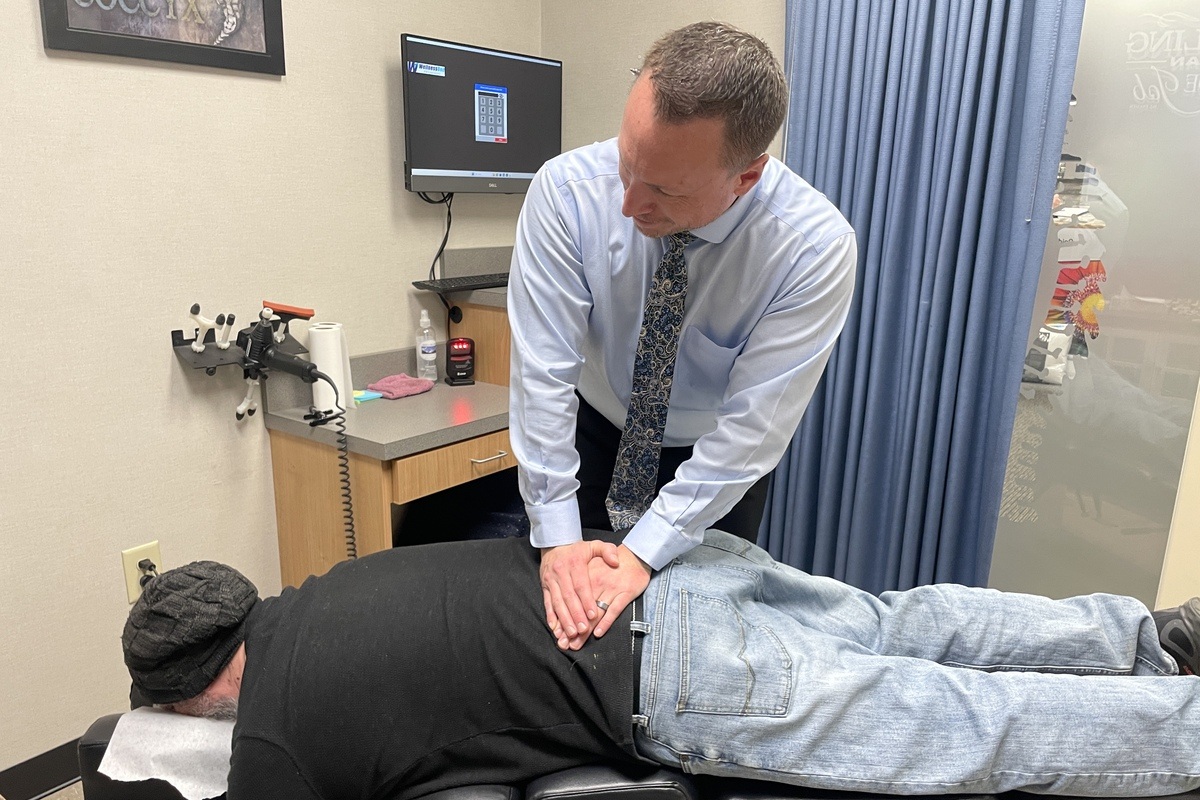
One of the biggest misconceptions about chiropractic care is that it exists in opposition to traditional medicine. In reality, the two approaches can work beautifully together. Many patients in Hickory, NC see both their primary care physician and Dr. Charlie Gray at Wellness One — and that collaborative approach often leads to better outcomes than either pathway alone.
Chiropractic care is non-invasive and drug-free, which makes it an ideal starting point for most back pain cases. If you’ve had back pain for a few weeks and it isn’t improving, or if you’ve been relying on pain medication to get through your day, that’s often a sign that something mechanical is going on that medication alone isn’t going to fix. Chiropractic care gets to that root issue without the risks associated with long-term medication use or surgical intervention.
At Wellness One, care is always tailored to the individual. There’s no one-size-fits-all protocol here. Dr. Charlie Gray takes the time to understand your specific history, your daily demands, and your goals. From there, a personalized care plan is developed — one that makes sense for your body, your lifestyle, and your timeline for recovery.
Practical Tips for Managing Back Pain
Regardless of which care pathway you choose, there are several things you can do on your own to support your recovery and reduce your risk of recurring pain. These aren’t complicated — small, consistent changes in how you move and live can make a significant difference over time.
First, keep moving. One of the worst things you can do for back pain is to stay completely still. Gentle, low-impact movement like walking helps circulate blood to the tissues, reduces stiffness, and supports healing. Prolonged bed rest has actually been shown to slow recovery in most cases of mechanical back pain.
Second, pay attention to your posture — especially if you spend long hours sitting at a desk. Slouching compresses the lumbar spine and creates an uneven load on the muscles and joints of your back. Sit with your feet flat on the floor, your hips slightly higher than your knees, and a small natural curve in your lower back. Dr. Charlie Gray often works with patients at Wellness One on posture awareness as part of their care plan, because small daily habits compound over time.
Third, strengthen your core. The muscles of your abdomen and lower back work together to support your spine. Gentle core exercises — done correctly — can take significant pressure off your spinal joints. Ask a chiropractor or physical therapist for guidance on where to start, especially if your pain is active.
When to See a Chiropractor
If your back pain has lasted more than a few days without improvement or has been coming and going for months or years, chiropractic care is worth considering. Pain that lingers, stiffness that limits your range of motion, or discomfort that radiates into the hips, buttocks, or legs are all signs that something mechanical may be contributing to your symptoms. These are the kinds of issues Dr. Charlie Gray and the team at Wellness One in Hickory, NC are trained to evaluate and address.
Chiropractic care is also a smart consideration if you’ve already tried medication and found only temporary or no relief, or if you want to avoid the risks associated with long-term anti-inflammatory use. It’s a natural first step for most adults and children with new or returning back pain.
However, there are certain warning signs that require immediate medical attention rather than a chiropractic visit. These include loss of bladder or bowel control, severe numbness or weakness in the legs, back pain following a significant trauma or fall, unexplained weight loss alongside back pain, or a history of cancer. These “red flag” symptoms need to be ruled out by a medical physician before conservative care begins. At Wellness One, patient safety always comes first, and Dr. Charlie Gray will refer you to the appropriate provider if your case warrants it.
Side-by-Side Comparison
|
Factor |
Traditional Medicine |
Chiropractic Care |
|---|---|---|
Primary Approach |
Symptom management through medication or surgery |
Root-cause care through spinal adjustment and movement restoration |
Invasiveness |
Can range from medication and needle injections to surgery |
Non-invasive, hands-on care |
Drug Use |
Often includes prescription or OTC medications |
Drug-free by nature |
Best For |
Red flag conditions, fractures, neurological emergencies, post-surgical care |
Mechanical low back pain, joint dysfunction, posture-related pain, nerve irritation |
Evidence Support |
Strong for acute trauma, structural conditions |
Strong for mechanical back pain; recommended by ACP as first-line care |
Patient Involvement |
Often passive (taking medication, awaiting surgery) |
Active participation in recovery and lifestyle habits encouraged |
Works Best With |
Chiropractic, physical therapy, lifestyle changes |
Medical care when appropriate, movement, posture correction |
Myths vs. Facts About Chiropractic and Back Pain
Myth: Chiropractic adjustments are dangerous or can make your back worse.
Fact: Serious adverse events from chiropractic spinal adjustments are rare. When performed by a licensed, trained chiropractor like Dr. Charlie Gray at Wellness One, adjustments are considered a safe, evidence-supported approach for most types of back pain. Chiropractors are trained to screen patients thoroughly before any treatment begins.
Myth: You’ll have to keep seeing a chiropractor forever once you start.
Fact: This is a common misconception. While some patients do choose ongoing wellness care to maintain spinal and overall health, many people complete a focused course of care and experience long-term relief. The decision to continue care is always yours, and a good chiropractor will be transparent about your progress and your options at every step.
Myth: Traditional medicine is always the safer or more legitimate choice for back pain.
Fact: Both chiropractic care and traditional medicine are legitimate, regulated forms of healthcare. In fact, the American College of Physicians specifically recommends non-pharmacological approaches — including spinal manipulation — as a first-line treatment for low back pain before turning to medications. Chiropractic care isn’t a last resort; for many people, it’s the smartest first step.
Myth: Chiropractic care only helps in the short term.
Fact: Research suggests that chiropractic care can provide both short-term and longer-term benefits for patients with mechanical back pain, particularly when paired with lifestyle changes, exercise, and posture improvement. The degree of long-term benefit depends on the nature of the condition and patient commitment to recommended habits.
Myth: Chiropractors only treat the spine.
Fact: While the spine is a central focus, chiropractors are trained in the broader musculoskeletal system. At Wellness One in Hickory, NC, care often extends to shoulders, hips, knees, and other joints — as well as soft tissue, movement patterns, and overall wellness.
Final Thoughts from Wellness One in Hickory, NC
So, which is better for back pain — chiropractic or traditional medicine? The honest answer is that it depends on the person, the condition, and the specific circumstances. For the vast majority of people dealing with mechanical back pain, chiropractic care is a highly effective, safe, and evidence-supported first choice. For those with serious structural issues, neurological emergencies, or red flag symptoms, traditional medicine plays an essential and irreplaceable role.
At Wellness One in Hickory, NC, Dr. Charlie Gray’s approach has always been centered on what’s best for the patient — not what fits a particular ideology. That means honest evaluations, transparent communication, and a genuine commitment to helping you feel better and move better for the long haul. The Hickory community deserves care that’s thoughtful, personalized, and rooted in real knowledge, and that’s what Wellness One strives to provide every single day.
If you’ve been struggling with back pain and aren’t sure where to turn, consider starting with a chiropractic evaluation. You might be surprised at how much can change when the underlying cause of your pain is finally addressed. The Wellness One team is here to answer your questions, listen to your concerns, and help you find a path forward that makes sense for your life.
Frequently Asked Questions
Is chiropractic care covered by insurance for back pain?
Many insurance plans do include chiropractic coverage, particularly for conditions like low back pain. Coverage varies widely depending on your specific plan and provider. It’s best to contact your insurance company directly or speak with the team at Wellness One to understand your benefits.
How long does it take to see results from chiropractic care for back pain?
Many patients notice improvement within their first few visits, though the timeline varies depending on how long the issue has been present and its underlying cause. Acute back pain often responds more quickly than chronic, long-standing conditions. Dr. Charlie Gray will give you a realistic picture of what to expect based on your individual evaluation.
Can I see a chiropractor and my regular doctor at the same time?
Absolutely! Chiropractic care and primary care medicine complement each other well. Keeping both providers informed about your care helps ensure a coordinated, comprehensive approach to your health.
What types of back pain does chiropractic care work best for?
Chiropractic care is particularly well-suited for mechanical low back pain, muscle strain, joint dysfunction, and nerve irritation caused by spinal misalignment. It is not appropriate as a standalone treatment for fractures, infections, tumors, or certain neurological emergencies, which require medical management.
Is it safe to get a chiropractic adjustment if I’ve had back surgery?
This depends on the type of surgery, how long ago it was, and your current spinal condition. Chiropractors can often work safely with post-surgical patients using modified techniques, but a thorough evaluation and communication with your surgical team and your chiropractor is essential. Dr. Charlie Gray will review your full history before making any treatment recommendations.
How do I know if my back pain is serious enough to see a doctor instead of a chiropractor?
If you experience any red flag symptoms — such as loss of bladder or bowel control, severe leg weakness, back pain after a fall or trauma, or unexplained weight loss — seek medical attention promptly rather than starting with chiropractic care. For most other types of back pain, a chiropractic evaluation at Wellness One in Hickory, NC is a safe and appropriate starting point.
TL;DR — Key Takeaways
-
Chiropractic care and traditional medicine are both valid approaches to back pain — the best choice depends on your specific condition and symptoms.
-
The American College of Physicians recommends spinal manipulation as a first-line, non-drug option for mechanical low back pain, supporting the role of chiropractic in mainstream care.
-
Chiropractic care is non-invasive, drug-free, and focused on addressing the root cause of pain rather than masking symptoms.
-
Red flag symptoms — like loss of bladder control, severe leg weakness, or trauma-related pain — require immediate medical evaluation, not chiropractic care.
-
At Wellness One in Hickory, NC, Dr. Charlie Gray provides personalized, evidence-informed care designed to help patients move better, feel better, and stay well long-term.