
Back pain is one of the most common reasons people seek care — and one of the most misunderstood. If you've ever woken up stiff, struggled to sit comfortably at a desk, or felt that nagging ache after a long day on your feet, you're far from alone. Here in Hickory, NC, many of the patients who come to Wellness One are dealing with back pain that has been going on for weeks, months, or even years. The good news is that back pain, while deeply uncomfortable, is rarely something you need to fear. Understanding the source of your discomfort is the first and most empowering step toward feeling better.
What Causes Back Pain?
Back pain is not a single condition — it's a symptom that can stem from many different underlying issues. In most cases, back pain involves the muscles, joints, nerves, or discs of the spine. Identifying what's actually driving your pain is key to finding lasting relief rather than just temporary comfort.
What Is Back Pain, Really?
The back is a complex, beautifully engineered structure. It includes the spine — made up of 24 movable vertebrae — along with muscles, tendons, ligaments, nerves, and intervertebral discs that all work together to support your body and allow movement. When any one of these components becomes irritated, compressed, inflamed, or misaligned, pain can follow.
Back pain is typically categorized by location: lower back pain (lumbar), mid-back pain (thoracic), or upper back and neck pain (cervical). Lower back pain is by far the most common, but all three regions can be sources of significant discomfort. It's also categorized by duration — acute pain lasts fewer than 12 weeks, while chronic pain persists beyond that point.
What many people don't realize is that the intensity of your pain doesn't always reflect the severity of the problem. Some significant structural issues cause very little discomfort, while a simple muscle strain can be absolutely debilitating. That's part of why a professional evaluation is so valuable. At Wellness One in Hickory, NC, Dr. Charlie Gray takes the time to identify not just where the pain is, but why it's happening in the first place.
Common Causes of Back Pain
Back pain rarely appears out of nowhere. Even when it seems to come on suddenly — like bending over to tie your shoes and feeling something "go" — there's usually an underlying vulnerability that made the spine susceptible to that moment of stress. Here are some of the most common causes our team sees at Wellness One.
Muscle Strains and Ligament Sprains
This is the most frequent culprit. When you lift something heavy, twist awkwardly, or overexert yourself, the muscles and ligaments that support your spine can stretch or tear. The result is pain, stiffness, and sometimes muscle spasming. These injuries are common in both active individuals and those with sedentary lifestyles — because weakened muscles are actually more vulnerable to strain.
Poor Posture and Prolonged Sitting
Modern life has us sitting more than ever. Many people here in Hickory spend hours each day at a desk, in a car, or on a couch — often in positions that place excessive stress on the lumbar spine. Over time, poor posture compresses the discs, weakens the core muscles that support the spine, and trains the body into misaligned movement patterns. This sets the stage for chronic back pain even without a specific injury.
Herniated or Bulging Discs
Between each vertebra sits an intervertebral disc — a rubbery cushion that absorbs shock and allows the spine to flex. When the outer layer of that disc weakens or cracks, the inner gel-like material can bulge or push out. This is known as a herniated disc. If the disc material presses on a nearby nerve root, it can cause not only localized back pain but also radiating pain, numbness, or tingling down the leg — a condition many people know as sciatica.
Spinal Subluxations and Joint Dysfunction
Chiropractors pay close attention to how the joints of the spine move and align. When one or more vertebrae are misaligned or not moving the way they should, the surrounding muscles, nerves, and tissues can be affected. This is referred to in chiropractic care as a subluxation. Subluxations can develop from physical trauma, repetitive stress, poor posture, or even emotional tension held in the body. They are one of the primary areas where chiropractic care can make a meaningful difference.
Degenerative Disc Disease
As we age, the intervertebral discs naturally lose some of their water content and height. This is a normal part of aging, but in some individuals it can lead to pain, stiffness, and reduced mobility — especially in the morning. Despite its name, degenerative disc disease is not truly a "disease" in the traditional sense. Many people with disc degeneration visible on imaging experience little to no pain, while others have significant symptoms. Lifestyle factors, activity levels, and spinal alignment all play a role in how this process affects you.
Spinal Stenosis
Spinal stenosis refers to a narrowing of the spinal canal — the passageway that houses the spinal cord and nerve roots. When this narrowing places pressure on those nerves, it can cause pain, heaviness, numbness, or weakness in the back and legs. Stenosis is more common in individuals over 50 and is often associated with arthritis or degenerative changes in the spine.
Sacroiliac Joint Dysfunction
The sacroiliac (SI) joints connect the base of the spine to the pelvis. When these joints become irritated, inflamed, or move improperly, they can produce pain in the lower back, hips, and buttocks. SI joint dysfunction is surprisingly common and is frequently mistaken for other causes of low back pain. It responds well to chiropractic evaluation and care.
Recognizing Your Symptoms
Not all back pain feels the same, and paying attention to the specific nature of your discomfort can help you and your care provider narrow down the cause. Here's what to notice:
A dull, achy pain that worsens with prolonged sitting or standing often points to muscle fatigue, postural issues, or disc compression. Sharp, stabbing pain — especially with certain movements — may suggest a joint issue, ligament injury, or disc problem. Radiating pain that travels down the leg (or arm, in the case of the upper back/neck) is a hallmark of nerve involvement. Stiffness in the morning that gradually loosens up throughout the day is often associated with joint inflammation or disc-related issues.
Pain that is accompanied by fever, unexplained weight loss, or loss of bladder or bowel control should be evaluated by a medical physician right away, as these can be signs of a more serious underlying condition. Dr. Charlie Gray and the team at Wellness One are always clear about when chiropractic care is appropriate and when a referral to another provider is the right call.
How Chiropractic Care Fits In
Chiropractic care is a non-invasive, drug-free approach to addressing the musculoskeletal sources of back pain. Rather than masking symptoms, the goal of chiropractic is to identify and address the underlying dysfunction — whether that's a misaligned vertebra, restricted joint motion, muscle imbalance, or nerve irritation.
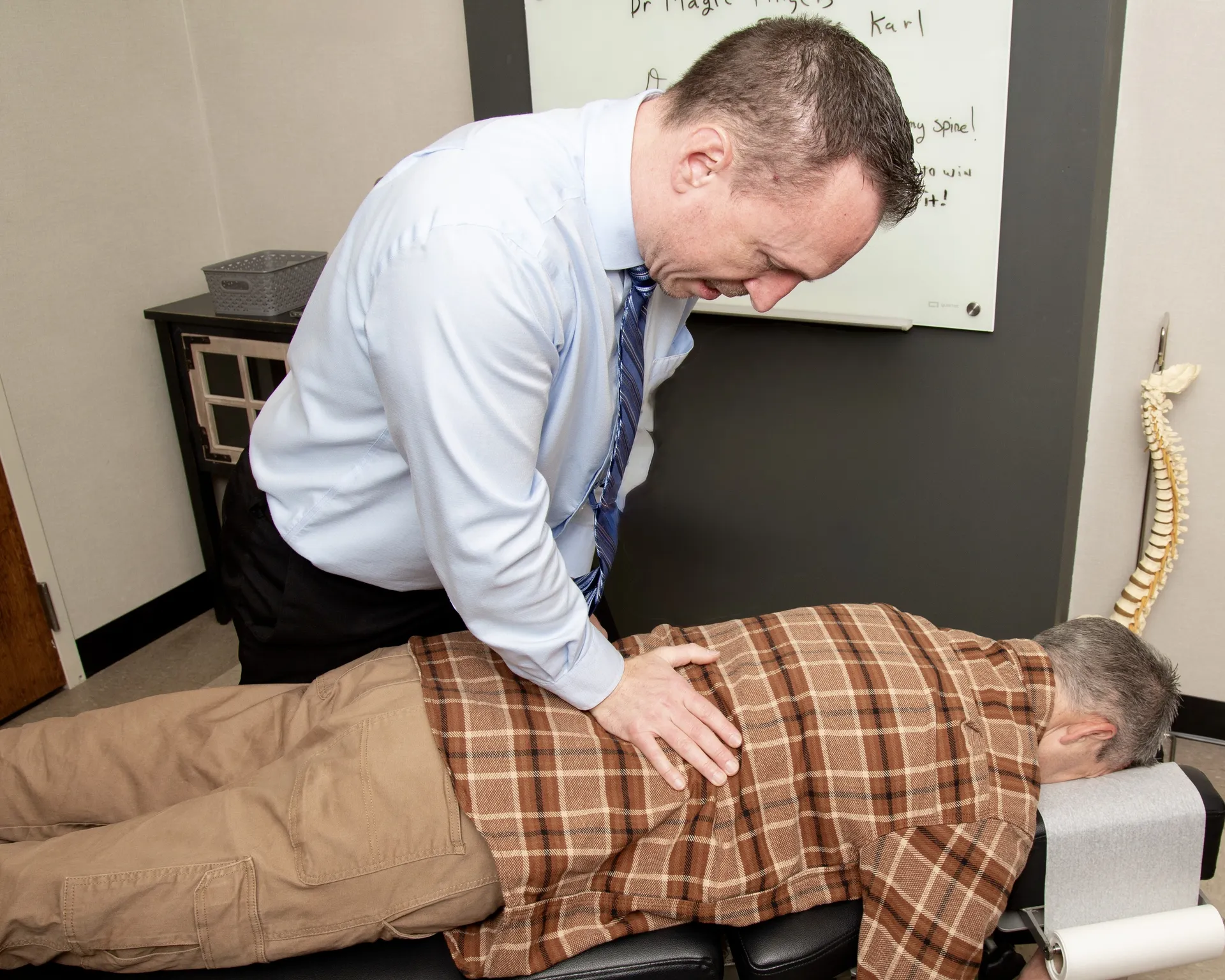
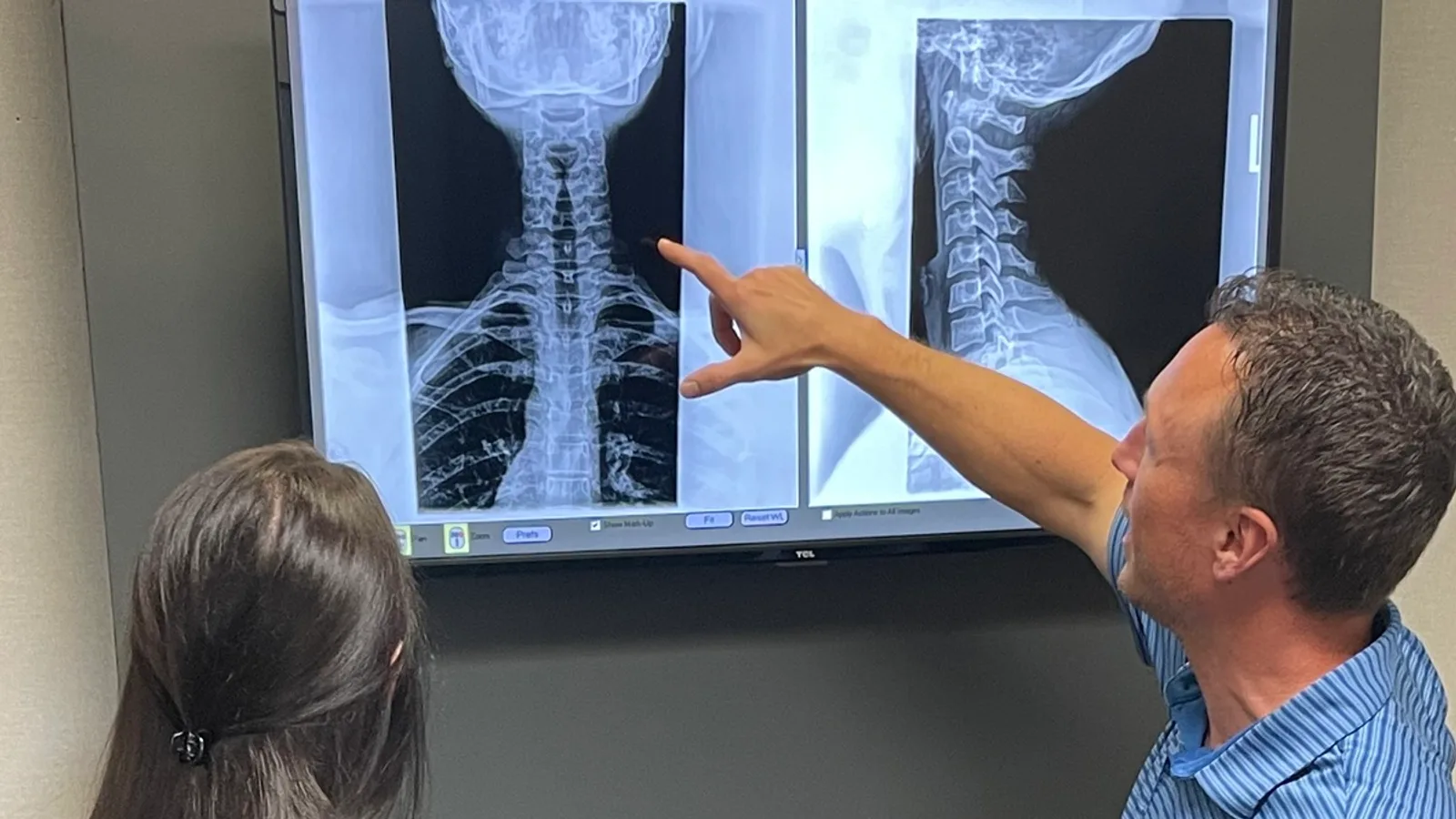
At Wellness One in Hickory, NC, Dr. Charlie Gray begins with a thorough consultation and examination. This may include postural analysis, orthopedic and neurological testing, and in some cases a review of imaging if appropriate. The goal is to build a clear picture of what's driving your pain before any hands-on care begins.
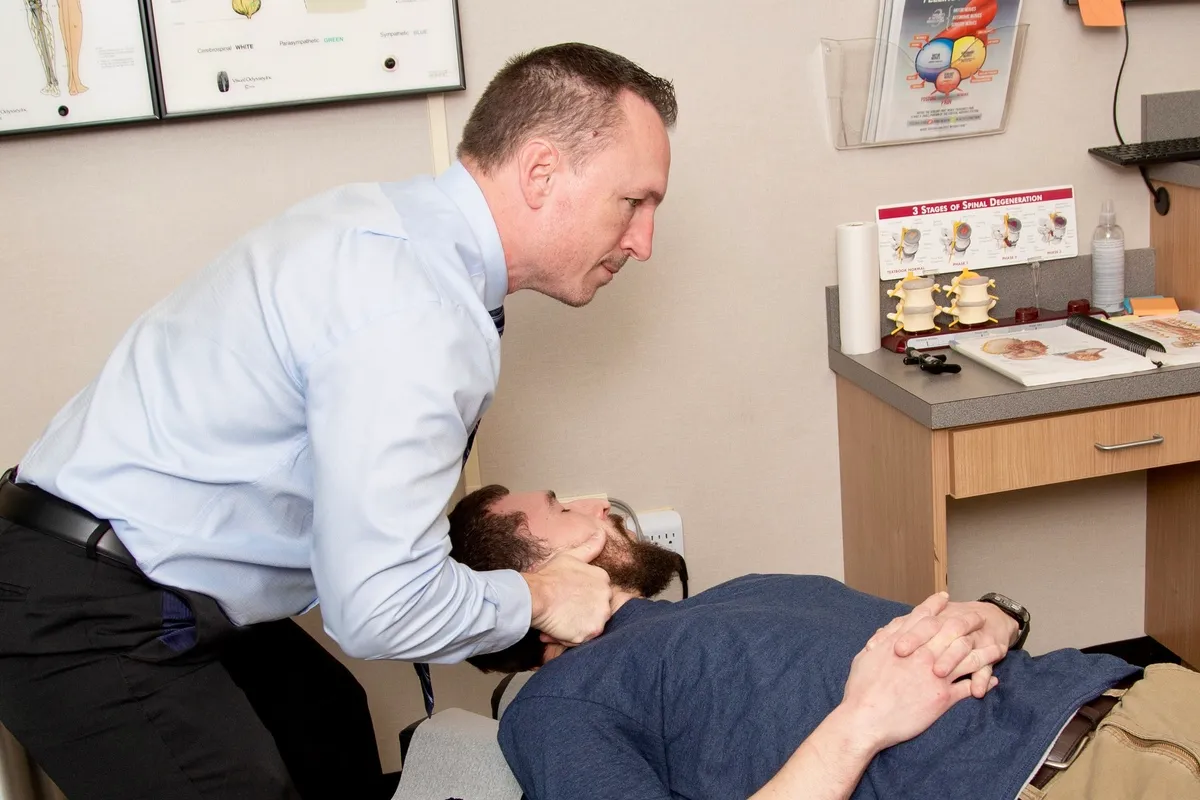
Chiropractic adjustments — also called spinal manipulations — involve the application of controlled, precise force to specific spinal joints to restore proper movement and alignment. Research from reputable organizations including the American College of Physicians (ACP) has found that spinal manipulation is a recommended first-line option for many types of acute and chronic low back pain.
Chiropractic care at Wellness One may also include soft tissue work, therapeutic stretching guidance, posture correction, Non-Surgical Spinal Decompression and lifestyle recommendations — all tailored to your individual situation. No two patients are exactly alike, and your care plan should reflect that.
Practical Tips for Back Pain Relief at Home
While professional care is important, there's a lot you can do between visits to support your spine and reduce discomfort. These tips are safe, simple, and grounded in solid biomechanical principles.
First, keep moving. It can be tempting to rest completely when your back hurts, but prolonged bed rest has been shown to slow recovery. Gentle movement — such as walking, light stretching, or swimming — helps maintain circulation, reduce stiffness, and support healing. Listen to your body and avoid activities that cause sharp or worsening pain, but don't be afraid of gentle motion.
Second, review your workstation setup. If you spend hours at a desk each day, make sure your chair supports your lumbar curve, your screen is at eye level, and your feet are flat on the floor. Small ergonomic improvements can make a significant difference over time.
Third, work on your core strength. The muscles of the core — including the abdominals, pelvic floor, and deep spinal muscles — act as a natural corset for your lumbar spine. Strengthening these muscles helps protect your back during everyday activities. Talk to Dr. Charlie Gray about specific exercises appropriate for your condition.
Finally, be mindful of how you lift. Always bend at the knees (not the waist), hold objects close to your body, and avoid twisting while carrying a load. This simple habit can prevent a significant number of back injuries.
When to See a Chiropractor
Many people wait far too long before seeking care for back pain. If your back pain has been present for more than a few days without improvement, has reoccurred multiple times for years, or if it's interfering with your sleep, work, or daily activities, it's time to get a professional evaluation. Early care often leads to faster recovery and helps prevent acute pain from becoming chronic.
You should also consider seeing a chiropractor if you've tried over-the-counter pain relievers and rest without significant improvement, if you notice pain radiating into your legs, or if you have a history of recurring back pain that keeps coming back despite temporary relief.
Seek immediate medical attention if your back pain follows a serious fall or accident, if you experience numbness or weakness in your legs, or if you have changes in bladder or bowel function. These are red flags that require urgent medical evaluation beyond the scope of chiropractic care. Dr. Charlie Gray and the team at Wellness One will always refer patients to the appropriate provider when needed — your safety comes first.
Back Pain at a Glance: Causes and Contributing Factors
Type of Back Pain | Common Cause | Key Contributing Factors | Chiropractic Relevance |
|---|---|---|---|
Muscle Strain | Overexertion, awkward movement | Weak core muscles, sudden activity | High — soft tissue care and spinal alignment |
Herniated Disc | Disc material pressing on a nerve | Repetitive stress, aging, poor posture | Moderate — depends on severity |
Postural Back Pain | Prolonged sitting or poor ergonomics | Sedentary lifestyle, desk work | High — posture correction and adjustments |
SI Joint Dysfunction | Improper joint movement in the pelvis | Pregnancy, leg length discrepancy, falls | High — targeted joint manipulation |
Degenerative Disc Disease | Age-related disc wear | Aging, genetics, inactivity | Moderate — supportive care and mobility |
Spinal Stenosis | Narrowing of the spinal canal | Arthritis, aging, previous injury | Moderate — conservative symptom management |
Myths vs. Facts About Back Pain
Myth: Back pain always means something is seriously wrong.
Fact: The vast majority of back pain episodes are mechanical in nature — meaning they involve muscles, joints, and discs rather than serious pathology. Most cases improve with conservative care like chiropractic treatment, movement, and proper ergonomics. That said, a professional evaluation is always a smart step to rule out anything that needs further attention.
Myth: Rest is the best treatment for back pain.
Fact: While a brief period of reduced activity can be helpful immediately after an acute injury, prolonged rest is not recommended. Research consistently indicates that staying gently active promotes faster recovery. Movement helps maintain joint health, reduce inflammation, and prevent the muscle weakness that can prolong pain.
Myth: If you have back pain, you'll eventually need surgery.
Fact: Surgery is only appropriate for a small percentage of back pain cases — typically those involving severe nerve compression or structural instability that hasn't responded to conservative care. Many people achieve meaningful, lasting relief through chiropractic care, physical therapy, and lifestyle changes without ever needing surgery.
Myth: Chiropractic adjustments are dangerous for the back.
Fact: Spinal manipulation, when performed by a licensed and trained chiropractor, is considered safe and effective for many types of back pain. Organizations like the American College of Physicians recognize spinal manipulation as a first-line, non-pharmacological option for low back pain. At Wellness One, Dr. Charlie Gray conducts a thorough evaluation before any adjustment to ensure it's appropriate for each individual patient.
Myth: You should wait for back pain to go away on its own.
Fact: While some acute episodes do resolve with time, waiting too long can allow dysfunction to become ingrained — leading to compensatory movement patterns, muscle imbalances, and chronic pain. Early evaluation and care often leads to better long-term outcomes.
Final Thoughts
Back pain can be frustrating, limiting, and sometimes frightening. But it's also one of the most responsive conditions to conservative, hands-on care — and understanding the source of your discomfort puts you in a much stronger position to find lasting relief. Whether your pain stems from a weekend injury, years of desk work, or the gradual wear of an active life, there are real answers and real solutions available to you.
Here at Wellness One in Hickory, NC, Dr. Charlie Gray is committed to helping members of our community get to the root of their back pain — not just manage it from day to day. If you've been living with back discomfort and haven't yet had it properly evaluated, we'd encourage you to take that step. You deserve to feel well, to move freely, and to enjoy life without back pain holding you back. The team at Wellness One is here to help you do exactly that.
Frequently Asked Questions
How long does back pain typically last?
Acute back pain — caused by a strain or minor injury — often improves within a few days to a few weeks with appropriate care. If pain persists beyond 12 weeks, it is considered chronic and typically benefits from a more structured evaluation and treatment approach. Early intervention can often shorten recovery time significantly.
Can a chiropractor help with herniated disc pain?
In many cases, yes. Chiropractic care can help reduce nerve irritation and restore spinal movement in patients with herniated discs, depending on the severity and location. Dr. Charlie Gray at Wellness One evaluates each case individually to determine whether chiropractic care is appropriate or whether referral is the better option.
Is back pain more common as you get older?
Back pain does become more common with age due to natural changes in the discs, joints, and muscles of the spine. However, it is not an inevitable part of aging, and many older adults manage their spinal health very effectively with consistent care, appropriate exercise, and lifestyle habits.
What's the difference between upper and lower back pain?
Lower back pain (lumbar) is more common and often related to disc issues, muscle strains, or joint dysfunction. Upper and mid-back pain (thoracic) is frequently associated with postural strain, prolonged sitting, or rib-related issues. Each area requires a somewhat different evaluation and care approach.
Can stress make back pain worse?
Absolutely. Psychological stress causes physical tension, particularly in the muscles of the neck, shoulders, and back. Chronic stress can contribute to muscle guarding, reduced pain tolerance, and slower healing. Addressing stress as part of a broader wellness approach is something the team at Wellness One values greatly.
Do I need an MRI before seeing a chiropractor?
In most cases, you do not need imaging before your first chiropractic visit. Dr. Charlie Gray will conduct a thorough clinical evaluation and determine whether imaging is necessary based on your specific history and symptoms. Many patients receive effective care without ever needing an MRI.
TL;DR Summary
Back pain has many possible causes, including muscle strains, herniated discs, poor posture, spinal joint dysfunction, and degenerative changes — identifying the source is essential for effective care.
Chiropractic care is a safe, non-invasive, drug-free approach that addresses the mechanical causes of back pain and is recommended by major health organizations for many types of low back pain.
Prolonged rest is not the best answer — gentle, guided movement and professional evaluation typically lead to faster, more lasting recovery.
Red flags like leg weakness, bladder changes, or pain following serious trauma require immediate medical evaluation beyond chiropractic scope.
At Wellness One in Hickory, NC, Dr. Charlie Gray offers individualized care aimed at finding and addressing the true source of your back pain — not just the symptoms.