
Headaches are one of those things most people have learned to just “push through.” You pop an over-the-counter pain reliever, wait it out, and hope for the best. But if headaches are showing up regularly — or if migraines are disrupting your work, family life, and sleep — it may be time to look at what’s actually causing them rather than just masking the pain. Here at Wellness One in Hickory, NC, Dr. Charlie Gray works with patients every week who are surprised to discover that chiropractic care for headaches can offer meaningful, lasting relief without relying solely on medication.
What does chiropractic care for headaches actually mean? Chiropractic care for headaches involves identifying and addressing musculoskeletal and neurological contributors to head pain — particularly those originating in the neck and upper spine. Through targeted spinal adjustments, soft tissue work, and lifestyle guidance, a chiropractor helps reduce the underlying tension and nerve irritation that can trigger or worsen headache patterns.
Understanding Headaches and Migraines
Headaches are incredibly common, but that doesn’t mean they’re normal or something you should simply accept. The World Health Organization recognizes headache disorders as among the most prevalent neurological conditions worldwide, and they rank as a leading cause of disability. Yet despite how frequently people experience them, the root causes are often misunderstood — and undertreated.
There are many different types of headaches, and knowing the distinction matters when it comes to finding the right approach to care. Tension-type headaches are the most common. They typically present as a dull, band-like pressure around the head and are often associated with muscle tightness in the neck, shoulders, and upper back. Cervicogenic headaches originate directly from structures in the neck — the joints, muscles, or nerves — and can closely mimic tension headaches or even migraines. Migraines are more complex and often involve throbbing, one-sided head pain, sensitivity to light and sound, nausea, and sometimes visual disturbances called auras.
What all of these headache types have in common is that the musculoskeletal system — particularly the cervical spine — often plays a contributing role. That’s where chiropractic care enters the picture in a meaningful way.
The Neck-Headache Connection Most People Miss
One of the most important things Dr. Charlie Gray helps patients understand is the relationship between the cervical spine and headache patterns. Most people don’t realize just how much the alignment, mobility, and muscle tension in the neck can influence head pain. The upper cervical spine — the top portion of your neck — shares nerve pathways with the trigeminal nerve, which is one of the primary nerves involved in headache and migraine pain. When there’s irritation, restriction, or dysfunction in those upper cervical joints, it can send pain signals upward into the head, temples, and even behind the eyes.
Poor posture is a major contributor here. In today’s world, most of us spend hours looking down at phones or hunched over keyboards. This forward head posture shifts the weight distribution along the cervical spine significantly. For every inch your head moves forward from its neutral position, the effective load on your neck increases substantially. Over time, this strains the muscles, compresses the joints, and irritates the surrounding nerves — creating the perfect environment for recurring headaches.
In Hickory, NC, many patients who come to Wellness One have been dealing with headaches for months or even years without connecting them to their neck. After a thorough evaluation, Dr. Charlie Gray often finds meaningful restrictions in the upper cervical region that, once addressed, help reduce both headache frequency and intensity. This connection between spinal function and head pain is one of the core principles that guides chiropractic care for headaches.
How Chiropractic Care Fits Into Headache Relief
Chiropractic care is a non-invasive, drug-free approach to supporting the body’s natural function. When it comes to headaches and migraines, it focuses on addressing the structural and neurological contributors rather than simply suppressing symptoms. Evidence from organizations like the American Chiropractic Association and published reviews in respected journals suggests that spinal manipulation — particularly in the cervical and upper thoracic spine — can be an effective option for reducing the frequency and severity of tension-type headaches and cervicogenic headaches. Research also indicates it may play a supportive role for some migraine sufferers.
At Wellness One, Dr. Charlie Gray approaches headache care with a thorough evaluation first. This includes a detailed health history, postural assessment, orthopedic and neurological screening, and hands-on examination of the cervical spine. Understanding the full picture is essential before developing any care plan. No two patients are alike, and the same is true for headaches — what works for one person may need to be tailored differently for another.
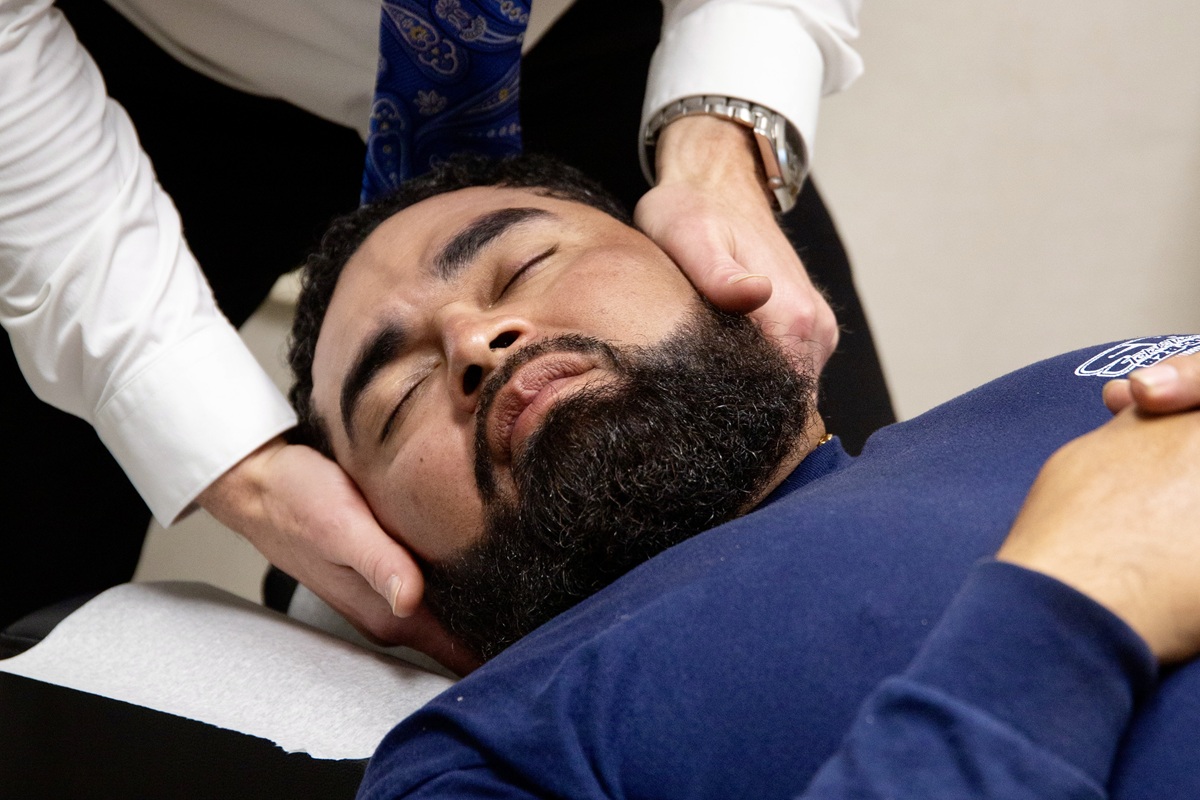
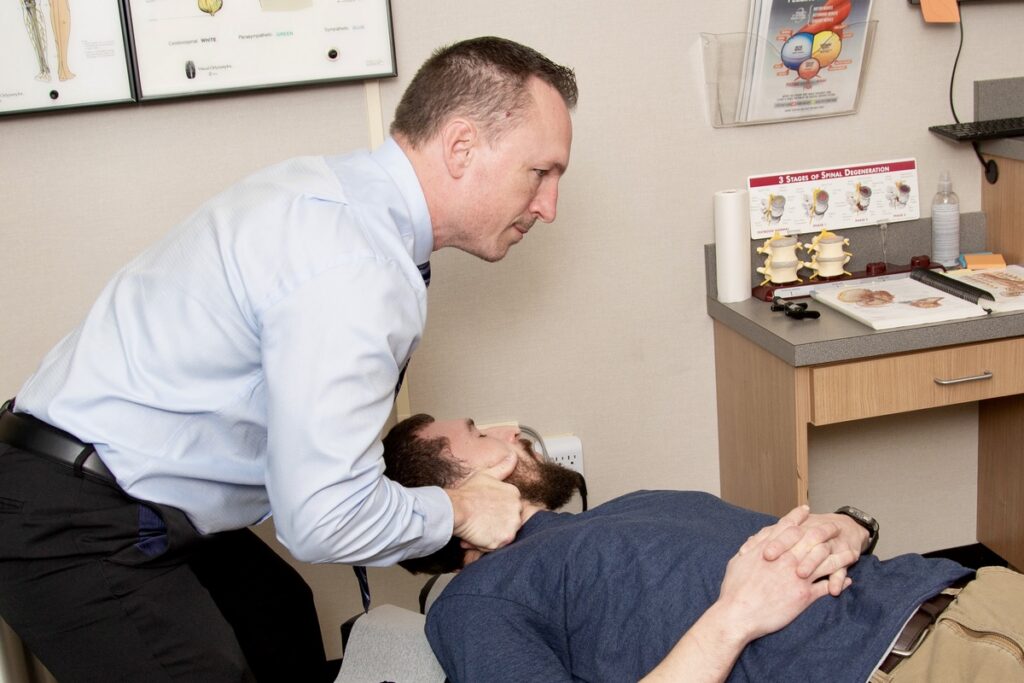
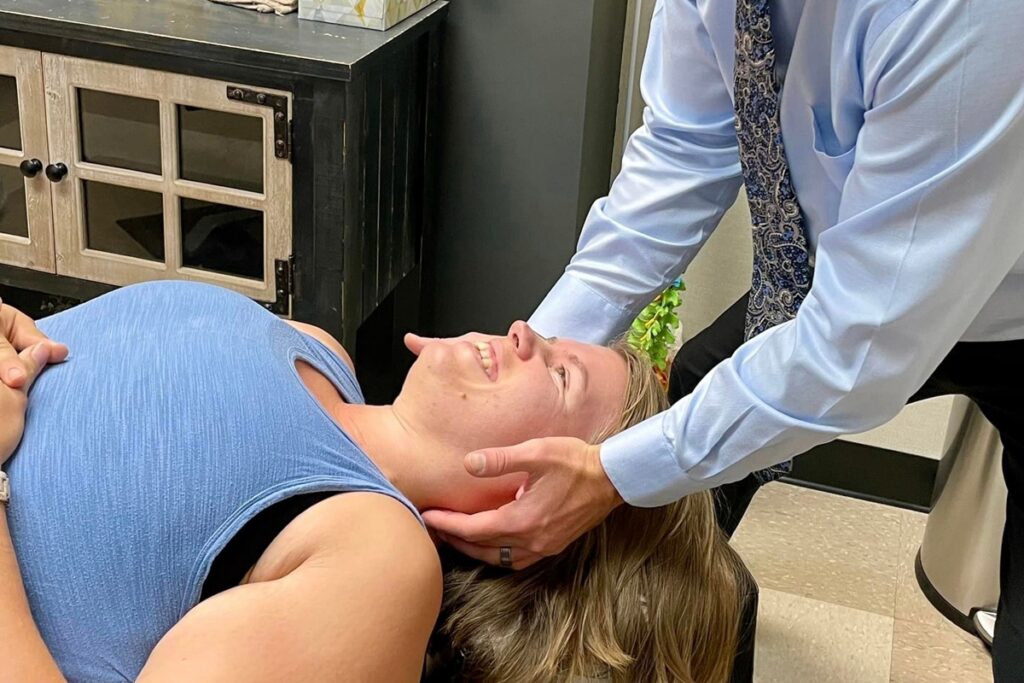
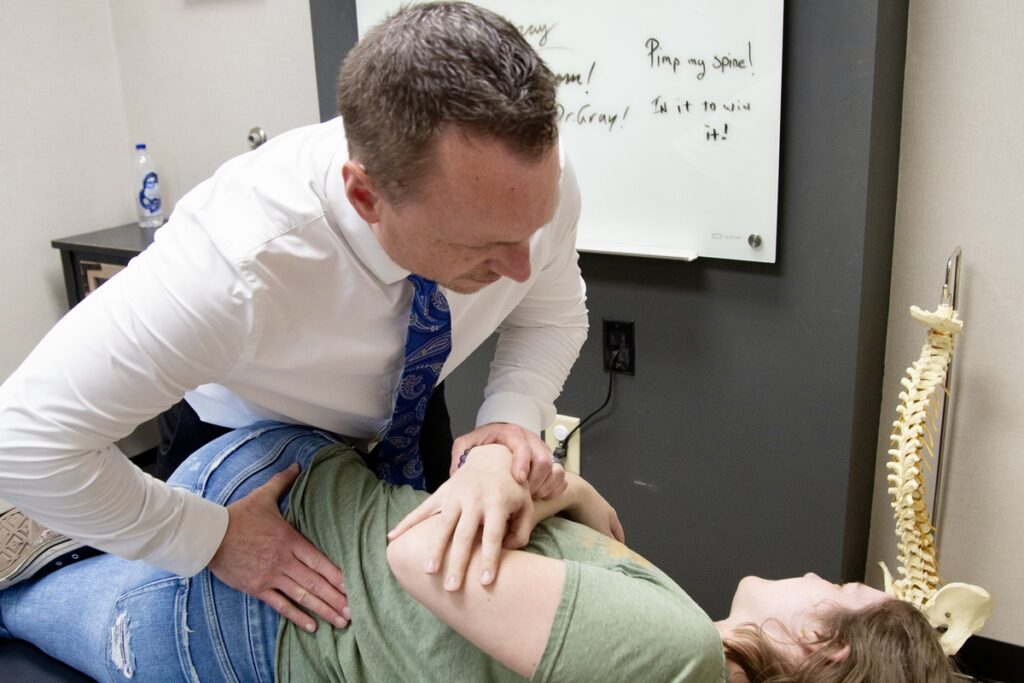
Chiropractic adjustments work by restoring proper movement and alignment to restricted spinal joints. When those joints move freely, the surrounding muscles relax, nerve irritation decreases, and the inflammatory signals that contribute to headache pain can begin to calm down. In addition to spinal adjustments, Dr. Charlie Gray may incorporate non-surgical spinal decompression to pump the discs in the neck and get more pressure off the nerves, soft tissue techniques to address muscle tension, provide guidance on ergonomics and posture, and recommend specific stretches or movement patterns to support lasting improvement.
For migraine patients specifically, chiropractic care is often considered as part of a broader, integrative approach. It may not eliminate migraines entirely, but many patients report that consistent care helps reduce how often migraines occur and how severe they feel when they do. That kind of improvement can be genuinely life-changing when you’ve been living with debilitating head pain.
Practical Tips for Managing Headaches at Home
While professional care is important, there’s a lot you can do between appointments to support your progress. Dr. Charlie Gray often discusses these strategies with patients at Wellness One because small daily habits can make a real difference in headache management.
Hydration is one of the simplest and most overlooked factors. Dehydration is a well-known headache trigger, and most people don’t drink nearly enough water throughout the day. Aim to keep a water bottle with you consistently and pay attention to whether your headaches worsen on days when you’ve had less to drink. A good rule of thumb is at least half your body weight in ounces of water each day.
Sleep quality and consistency also play a significant role. Irregular sleep schedules and poor sleep posture can both contribute to morning headaches and increased migraine frequency. Sleeping on your back or side with a supportive pillow that keeps your neck in a neutral position is generally a good starting point. Try to maintain consistent sleep and wake times, even on weekends.
Monitor your screen habits carefully. If you’re working at a computer for extended periods, make sure your monitor is at eye level so your head isn’t tilting forward or downward. Take brief movement breaks every 45 to 60 minutes to stretch your neck and reset your posture. These small interruptions can prevent the muscle buildup that contributes to tension headaches by the end of the day.
Finally, pay attention to your personal headache triggers. Common ones include certain foods, caffeine changes, stress, bright lights, and hormonal fluctuations. Keeping a simple headache journal — noting when headaches occur, how long they last, and what you were doing beforehand — can help both you and Dr. Charlie Gray identify patterns that form your care.
When to See a Chiropractor for Your Headaches
Many people wonder how they’ll know when it’s the right time to seek chiropractic care for headaches. A general guideline is this: if headaches are happening more than a few times per month, interfering with your daily life, or simply not responding to the strategies you’ve already tried, it’s worth getting a professional evaluation. You don’t need to be in crisis — in fact, earlier intervention often leads to better outcomes.
Cervicogenic headaches — those that are clearly linked to neck pain or stiffness, or that change with neck movement — are particularly well-suited for chiropractic evaluation. Tension-type headaches with an underlying postural or muscular component are also a strong candidate. Even migraine patients who haven’t found complete relief through other means often benefit from exploring what chiropractic care might add to their treatment approach.
That said, there are situations where headaches should be evaluated medically as soon as possible. These include a sudden, severe headache that comes on like a “thunderclap,” headaches accompanied by fever, stiff neck, confusion, vision changes, weakness, or difficulty speaking. Headaches following a head injury also require prompt medical assessment. Dr. Charlie Gray and the team at Wellness One are committed to appropriate and responsible care — if something needs a different level of attention, referrals are always made when warranted.
Headache Types: Triggers and Chiropractic Relevance
|
Headache Type |
Common Triggers |
Chiropractic Relevance |
|---|---|---|
|
Tension-Type Headache |
Muscle tightness, poor posture, stress, prolonged screen use |
High — responds well to cervical adjustments and soft tissue work |
|
Cervicogenic Headache |
Neck joint restriction, whiplash, poor ergonomics, forward head posture |
Very High — originates in the cervical spine; chiropractic is a primary approach |
|
Migraine |
Hormonal changes, food triggers, sleep disruption, sensory stimuli, stress |
Moderate — may reduce frequency and severity as part of an integrative plan |
|
Sinus Headache |
Allergies, congestion, sinus inflammation |
Moderate— Chiropractic can have a positive effect on the immune system, may also benefit from postural support |
|
Cluster Headache |
Alcohol, disrupted sleep patterns, smoking |
Limited — typically requires neurological and medical management |
Myths vs. Facts About Chiropractic and Headaches
Myth: Chiropractic care is only for back pain.
Fact: While chiropractic is commonly associated with back pain, it addresses the entire musculoskeletal and nervous system. The cervical spine, upper back, and associated soft tissues are directly relevant to headache patterns, and chiropractic care has been studied specifically in the context of headache and migraine management. It’s a broader discipline than most people initially assume.
Myth: You have to crack your neck to get relief, and that’s dangerous.
Fact: Chiropractic adjustments involve controlled, specific movements applied to spinal joints — not uncontrolled “cracking.” The audible sound sometimes heard during an adjustment is simply gas releasing from the joint. When performed by a trained and licensed chiropractor like Dr. Charlie Gray, cervical adjustments are considered safe and appropriate when indicated based on a thorough evaluation.
Myth: Chiropractic care will cure my migraines.
Fact: Chiropractic care is not a cure for migraines. It can be a helpful part of a broader management strategy, and research suggests it may help reduce migraine frequency and severity for some individuals. It’s best understood as a conservative, non-invasive tool — not a guaranteed solution. Honest expectations lead to better outcomes.
Myth: If my headache isn’t in my neck, chiropractic won’t help.
Fact: The source of a headache and the location where you feel the pain are often different. Many headaches that feel centered in the temples, forehead, or behind the eyes have roots in cervical dysfunction. A thorough chiropractic evaluation is designed to find those contributing factors, even when they aren’t obvious at first glance.
Myth: I’ll have to keep going to a chiropractor forever.
Fact: The goal of care at Wellness One is to help patients reach their health goals as efficiently as possible. Most people benefit from periodic maintenance visits after their initial care is complete. The length of care depends entirely on the individual and the nature of their condition.
Final Thoughts from Wellness One in Hickory, NC
Living with chronic headaches or migraines can feel isolating and exhausting. When you’ve tried everything and still find yourself canceling plans, reaching for pain relievers, or lying in a dark room waiting for the pain to pass, it’s completely understandable to feel discouraged. But there is often more that can be done — and it starts with understanding what’s actually driving your symptoms.
At Wellness One in Hickory, NC, Dr. Charlie Gray genuinely cares about helping members of this community find real relief and better quality of life. A chiropractic evaluation for headaches isn’t about guesswork — it’s a structured, careful process aimed at understanding your individual situation and putting together a plan that makes sense for you. Whether you’ve been dealing with headaches for months or years, it’s worth taking the step to find out if the source of your pain has been in your spine all along.
If you’re in the Hickory, NC area and you’re ready to explore a non-invasive, drug-free option for headache and migraine management, the team at Wellness One is here to help. You deserve more than just managing symptoms — you deserve to understand your health and take meaningful steps toward feeling better.
Frequently Asked Questions
Can a chiropractor really help with migraines, or just tension headaches?
Chiropractic care has shown benefit for both tension-type headaches and, to a lesser extent, migraines. Evidence suggests that cervical spinal manipulation may help reduce migraine frequency and severity in some patients, particularly when cervical dysfunction is a contributing factor. It’s typically considered as part of a broader, individualized management approach rather than a standalone cure.
How many chiropractic visits will it take before I notice improvement in my headaches?
This varies from person to person and depends on the type of headache, how long it’s been present, and your overall health. Some patients notice improvement within a few visits, while others require a longer course of care. Dr. Charlie Gray will outline realistic expectations during your initial evaluation at Wellness One.
Is it safe to get a chiropractic adjustment in the neck for headaches?
Cervical adjustments performed by a licensed chiropractor are considered safe when appropriate screening and examination are conducted beforehand. Dr. Charlie Gray performs a thorough assessment before any adjustment to ensure the care is well-suited to each individual patient’s needs and history.
What’s the difference between a tension headache and a cervicogenic headache?
Tension headaches are typically caused by muscle tension and stress throughout the head, neck, and shoulders, often presenting as a band-like pressure. Cervicogenic headaches, on the other hand, originate from specific structures in the cervical spine — joints, nerves, or muscles — and are often associated with neck pain or restricted neck movement. Both can benefit from chiropractic evaluation.
Should I stop taking my headache medication if I start chiropractic care?
Never discontinue prescribed medication without consulting your prescribing physician. Chiropractic care can complement medical management, but decisions about medications should always be made in coordination with the appropriate healthcare providers. Dr. Charlie Gray welcomes collaborative care with your other providers.
What should I expect at my first chiropractic visit for headaches at Wellness One?
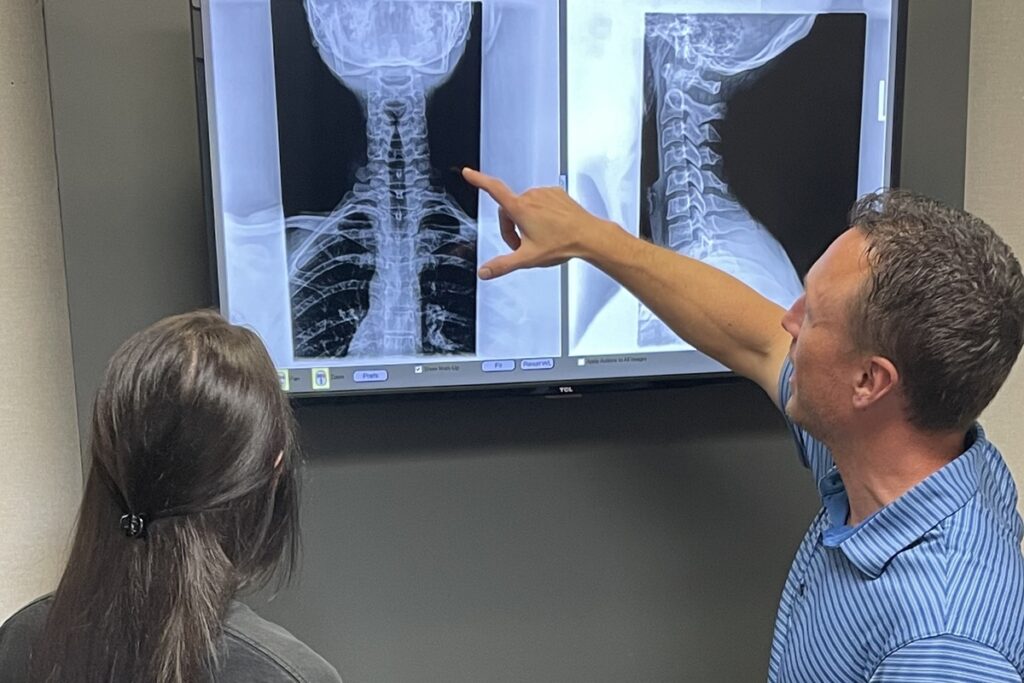
Your first visit will include a detailed health history review, a postural and orthopedic assessment, and a hands-on examination of your spine, digital x-rays are an option onsite if they are medically necessary — with particular attention to the cervical region. Dr. Charlie Gray will discuss your headache patterns, possible contributing factors, and what a care plan might look like before any treatment begins.
TL;DR
-
Headaches and migraines are often linked to dysfunction in the cervical spine, making chiropractic care a relevant and evidence-supported option for many sufferers.
-
Dr. Charlie Gray at Wellness One in Hickory, NC evaluates the whole picture — posture, spinal alignment, nerve function, and lifestyle factors — before developing a care plan.
-
Chiropractic is most effective for tension-type and cervicogenic headaches, and may help reduce migraine frequency and severity as part of an integrative approach.
-
Simple habits like improving hydration, screen ergonomics, and sleep posture can support your chiropractic care and reduce headache triggers at home.
-
Seek medical attention immediately for sudden severe headaches, headaches with neurological symptoms, or those following a head injury — these require prompt evaluation beyond chiropractic scope.