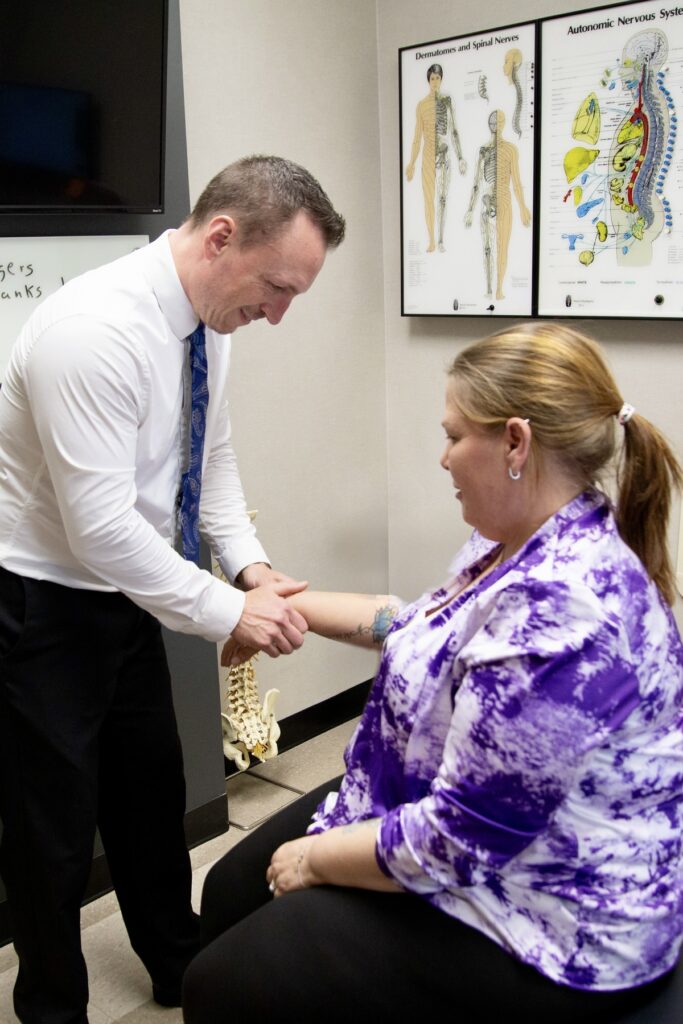
If you’re dealing with back pain, a custom chiropractic approach might just be the solution you’re looking for. By identifying the specific causes of your discomfort—such as poor posture, muscle strain, or everyday habits—you can create a personalized plan that targets these root issues effectively. Unlike quick fixes that only provide temporary relief, chiropractic care focuses on long-term recovery and overall wellness.
Chiropractic adjustments help realign your spine, improve mobility, and reduce pain, promoting your body’s natural ability to heal itself. By addressing the underlying problems, you can not only alleviate your current discomfort but also prevent future issues from arising.
In addition to regular chiropractic visits, here are some helpful tips to enhance your back health at home:
- Maintain Good Posture: Whether sitting at a desk or standing, being mindful of your posture can prevent unnecessary strain on your back.
- Stay Active: Engage in regular physical activity. Simple exercises like walking, stretching, and core strengthening can help support your spine.
- Ergonomic Setup: If you work at a desk, ensure your chair and computer are set up to promote good posture and reduce strain.
- Listen to Your Body: Pay attention to any signs of discomfort and take breaks to stretch and move around, especially if you sit for long periods.
- Stay Hydrated: Drinking plenty of water supports overall health and helps maintain the health of your spinal discs.
Are you ready to discover how a personalized chiropractic strategy can revolutionize your back health? Embracing this natural approach not only alleviates pain but also enhances your overall well-being. Let’s work together towards a healthier, pain-free life!
Key Takeaways
- At our chiropractic clinic, we understand that back pain is unique to each individual. That’s why we create customized treatment plans that are tailored to address the specific causes of your discomfort, ensuring you receive the personalized care you deserve.
- Regular chiropractic evaluations are essential. They help us identify any misalignments in your spine and track your progress over time. This allows us to make necessary adjustments to your treatment plan, ensuring it remains effective just for you!
- We believe in the power of combining chiropractic care with personalized exercise regimens. This not only enhances your spine health but also plays a crucial role in managing and alleviating your pain.
- Don’t forget about the importance of lifestyle modifications! Simple changes, like improving your workspace ergonomics and being mindful of your daily habits, can significantly reduce the risk of future back pain.
- Finally, ongoing communication with our team is key. We’re here to continuously refine your pain relief strategies and ensure you’re on the path to optimal health and wellness. Remember, we’re in this together—your journey to a pain-free life starts here!
Understanding the Causes of Back Pain
When you experience back pain, understanding its various causes is crucial for effectively addressing the issue. Back pain can arise from several sources, such as muscle strain, poor posture, or underlying conditions like arthritis. Often, improper lifting of heavy objects or prolonged sitting can contribute to your discomfort. Additionally, stress can lead to muscle tension, further intensifying back pain.
It’s important to recognize that conditions like herniated discs and sciatica can cause shooting pain down your legs, emphasizing the need to identify the root cause. Lifestyle choices, including lack of exercise and obesity, can significantly impact your back health. By becoming aware of these factors, you empower yourself to take proactive steps toward relief.
Chiropractic care is an excellent option for managing and alleviating back pain naturally. A chiropractor can help address misalignments in your spine, which may be contributing to your pain. Regular adjustments can promote better spinal health, improve posture, and enhance your overall well-being.
Here are some simple tips to help you manage and prevent back pain:
- Practice Good Posture: Whether sitting at a desk or standing, keep your spine aligned and avoid slouching. Ergonomic chairs and proper desk setup can make a big difference.
- Stay Active: Engage in regular physical activity, focusing on exercises that strengthen your core muscles. A strong core supports your spine and reduces the risk of pain.
- Lift Properly: When lifting heavy objects, bend at your knees, keep the object close to your body, and use your legs to lift, not your back.
- Manage Stress: Incorporate relaxation techniques such as deep breathing, yoga, or meditation to reduce stress and prevent muscle tension.
- Stay Hydrated: Drink plenty of water to keep your spinal discs hydrated, which can help maintain their flexibility and health.
The Importance of Personalization in Treatment
Finding relief from back pain often requires a personalized approach, as everyone’s experience and underlying causes can differ significantly. A one-size-fits-all treatment simply won’t work for everyone. What may provide relief for one person mightn’t resonate with your specific situation, which is why personalization is so crucial.
When you work with a chiropractor to create a customized treatment plan, you’re more likely to address the specific factors contributing to your discomfort. This plan may include a combination of chiropractic adjustments, targeted exercises, and lifestyle changes tailored just for you. Personalizing your care not only boosts the chances of effective relief but also helps you feel more in control of your recovery journey.
Here are some general tips to help you on your path to recovery:
- Stay Active: Regular movement and exercises that strengthen your core can support your spine and reduce pain.
- Maintain Good Posture: Be mindful of your posture whether sitting, standing, or lifting. Keeping your spine aligned can prevent unnecessary strain.
- Listen to Your Body: Pay attention to what your body is telling you. If certain movements worsen your pain, make adjustments accordingly.
- Stay Hydrated: Drinking plenty of water can help maintain the elasticity of the spinal discs and promote overall health.
- Incorporate Stretching: Gentle stretching can relieve tension in your back muscles and improve flexibility, which is essential for a healthy spine.
Assessing Your Lifestyle and Its Impact on Back Health
To enhance your back health, it’s crucial to examine your daily habits and their effects on your spine. One area to focus on is your workspace ergonomics, as improper setup can lead to discomfort or pain. By making simple changes, such as adjusting your chair height or using a supportive cushion, you can significantly improve your well-being.
Chiropractic care is an excellent choice for achieving optimal health and relieving back pain naturally. Regular chiropractic adjustments can help keep your spine aligned, reduce tension, and improve your overall function. Additionally, incorporating stretches and exercises into your routine can further support your spinal health.
Here are some general tips to consider:
- Maintain Good Posture: Always sit up straight with your shoulders back while working or sitting for extended periods.
- Take Frequent Breaks: Stand up, stretch, and walk around every hour to avoid stiffness and promote blood flow.
- Stay Active: Engage in regular physical activity to strengthen your core muscles, which support your spine.
- Consider Chiropractic Care: Regular visits to your chiropractor can help keep your spine in top shape and address any discomfort you may be experiencing.
Daily Habits Evaluation
Prioritize Your Back Health with Simple Daily Habits
As a local chiropractor, I understand how small daily habits can significantly impact your back health. By evaluating your routine, you can identify changes that not only enhance your well-being but also promote natural healing. Here are four crucial habits to consider for optimal spinal health:
- Posture Awareness: Be mindful of your posture throughout the day—whether you’re sitting, standing, or walking. Maintaining good posture helps prevent unnecessary strain on your spine. Consider setting reminders to check in on your posture regularly.
- Movement Breaks: If you find yourself sitting for long periods, it’s vital to take short breaks to stretch or walk around. Incorporating movement into your routine not only helps alleviate tension but also encourages blood flow, which is essential for spinal health.
- Hydration: Drinking plenty of water every day is essential for your overall health, including your muscles and spine. Proper hydration supports muscle function and helps maintain the elasticity of your spinal discs, reducing the risk of discomfort.
- Sleep Position: Take a moment to evaluate how you sleep. Your sleeping posture and the quality of your mattress play a significant role in your back health. A supportive mattress can help maintain proper alignment while you sleep, which is crucial for waking up pain-free.
By adopting these simple habits, you can take proactive steps toward pain relief and a healthier life. Remember, chiropractic care is a natural and effective way to support your journey toward optimal health. If you’re experiencing back pain or discomfort, don’t hesitate to reach out to your local chiropractor for personalized advice and treatment options.
Your spine will thank you!
Ergonomics in Workspace
Your daily habits have a profound impact on your back health, and one of the most crucial aspects is the ergonomics of your workspace. An ergonomic setup is essential not only for comfort but also for reducing strain and fostering better posture throughout your workday. As a chiropractor, I want to help you understand how to create a workspace that supports your spine and promotes overall wellness. Here are some key factors to consider:
| Element | Ideal Position | Impact on Back Health |
|---|---|---|
| Desk Height | At or slightly below elbow level | Prevents unnecessary shoulder and back strain, promoting a more relaxed posture. |
| Chair Support | Proper lower back support | Encourages natural spine alignment, making it easier for you to maintain a healthy posture while seated. |
| Monitor Height | Positioned at eye level | Reduces neck strain and helps avoid forward head posture, which can lead to discomfort. |
| Foot Position | Flat on the floor or on a footrest | Maintains spinal alignment and can help alleviate tension in the lower back. |
Techniques for Customizing Your Pain Relief Strategy
To create an effective pain relief strategy, it’s essential to focus on personalized exercise regimens that cater to your unique needs. As a chiropractor, I emphasize the importance of natural healing through chiropractic care, which not only helps alleviate pain but also promotes overall wellness.
Consider incorporating tailored pain management techniques that work best for you, such as gentle stretches and strengthening exercises that support your spine. Regular chiropractic adjustments can also play a crucial role in enhancing your body’s ability to heal itself, reducing tension, and improving mobility.
In addition to these techniques, making adaptive lifestyle modifications can significantly impact your pain management journey. Simple changes, like improving your posture while sitting or using ergonomic furniture, can help reduce strain on your back. Staying active and maintaining a healthy weight are also vital for spinal health.
Personalized Exercise Regimens
Creating a personalized exercise regimen is a vital step in managing back pain and promoting overall wellness. A customized plan not only strengthens the muscles that support your spine but also enhances flexibility and reduces discomfort.
Here are four essential components to consider when developing your exercise routine, all while emphasizing the benefits of chiropractic care:
- Assess Your Needs: Take the time to identify what specifically triggers your pain and any physical limitations you may have. This understanding is crucial for tailoring exercises that suit your unique situation and can be effectively integrated with chiropractic adjustments for optimal results.
- Focus on Core Strength: A strong core is your best ally when it comes to alleviating back pain. Engaging in core-strengthening exercises can provide better support for your spine, enhance stability, and complement the adjustments made during chiropractic care.
- Incorporate Flexibility Exercises: Stretching is key in relieving tension and improving your range of motion. By incorporating flexibility exercises, you can help maintain a healthy spine and further the benefits of your chiropractic treatments.
- Gradually Increase Intensity: Begin your exercise journey at a comfortable pace and gradually increase the intensity as your strength and endurance grow. This approach helps prevent injury and allows your body to adapt, making it easier to maintain the benefits gained through chiropractic care.
Tailored Pain Management Techniques
Creating a personalized exercise regimen is a great starting point for managing back pain, but there’s more you can do to enhance your recovery. Incorporating tailored pain management techniques can significantly support your healing journey. Begin by identifying your specific pain triggers and how your body responds to them.
Instead of relying on medications or other treatments, consider natural methods to alleviate discomfort. Here are some effective techniques that can complement your chiropractic care:
| Technique | Description |
|---|---|
| Heat Therapy | Helps reduce stiffness and relax tight muscles, promoting better mobility. |
| Cold Therapy | Reduces inflammation and numbs sharp pain, providing quick relief. |
| Gentle Stretching | Increases flexibility and helps maintain spinal health without strain. |
It’s essential to experiment with these techniques alongside your chiropractic adjustments to discover what works best for you. Remember, the goal is to customize your approach to pain relief, which can lead to greater comfort and improved daily function.
Additionally, consider these general tips for healthier living:
- Stay active with low-impact exercises like walking or swimming.
- Maintain good posture to alleviate unnecessary stress on your spine.
- Practice relaxation techniques such as deep breathing to reduce tension.
Adaptive Lifestyle Modifications
Making small yet impactful changes to your daily routine can significantly enhance your pain relief strategy, especially when it comes to back pain. By adopting adaptive lifestyle modifications, you can effectively manage your discomfort and promote overall wellness. Here are four effective techniques to consider:
- Ergonomic Setup: Ensure your workspace is set up to support good posture. This means adjusting your chair, desk, and computer screen to minimize strain on your back. A supportive chair and a properly positioned monitor can help maintain spinal alignment, reducing discomfort.
- Regular Movement: It’s vital to keep your body active throughout the day. Incorporate short breaks every hour to stretch or take a brief walk. This not only promotes circulation but also helps alleviate stiffness and tension in your back.
- Mindful Eating: Your diet plays a crucial role in managing pain. Focus on incorporating anti-inflammatory foods, such as fruits, vegetables, whole grains, and healthy fats into your meals. These foods can support your overall health and help reduce pain.
- Stress Management: High stress can often contribute to increased pain levels. Practicing mindfulness or meditation can help you relax and decrease tension in your body. Consider dedicating a few minutes each day to deep breathing or guided relaxation exercises.
By implementing these strategies, you can make significant strides in managing your back pain naturally. Remember, chiropractic care is a powerful tool in achieving optimal health and wellness. Regular visits to your chiropractor can help ensure that your spine is aligned and functioning properly, further enhancing your pain relief efforts.
Take control of your health today!
Integrating Professional Guidance Into Your Plan
Integrating Chiropractic Care Into Your Recovery Plan
If you’re dealing with back pain, understanding your condition is just the first step. The next crucial step is to integrate chiropractic care into your recovery plan for lasting relief and optimal health. Working with a chiropractor is an excellent way to create a program tailored specifically to your needs. They’ll assess your spine, identify any misalignments, and develop a personalized treatment plan that focuses on restoring balance and function to your body.
Chiropractors specialize in spinal adjustments and can help alleviate pain by correcting misalignments that may be contributing to your discomfort. In addition to adjustments, they can recommend specific exercises to strengthen your back and improve flexibility, which are essential for long-term relief.
Learning proper body mechanics is another important aspect of chiropractic care. Your chiropractor can provide guidance on how to move and lift correctly to prevent future injuries. Regular visits to your chiropractor can ensure that you stay on track with your recovery and allow you to address any concerns as they arise.
Additionally, many chiropractors offer complementary therapies, such as massage or lifestyle advice, to enhance your healing process naturally. These holistic approaches can be incredibly beneficial in supporting your overall wellness and helping you manage pain effectively.
Don’t underestimate the power of chiropractic care. By partnering with a chiropractor, you gain valuable insights and strategies for taking control of your back pain and achieving a healthier, more active life.
Embrace this opportunity for a more effective and personalized recovery journey towards optimal health!
Tracking Progress and Adjusting Your Approach
Regularly tracking your progress is key to managing back pain and enhancing your recovery journey naturally. By keeping an eye on your condition, you can uncover patterns that help you make informed decisions about your chiropractic care. Here are four simple strategies to keep you on the path to wellness:
- Keep a Pain Journal: Jot down your daily pain levels, what seems to trigger discomfort, and any relief methods that work for you. This will help you notice trends and communicate them effectively during your chiropractic visits.
- Set Specific Goals: Aim for clear and achievable objectives in your recovery, such as improving your mobility or reducing pain levels. Having a target can motivate you and allows your chiropractor to tailor your treatment plan to help you reach these goals.
- Schedule Regular Check-Ins: Make it a habit to assess your progress weekly or monthly. This will enable you to see what’s working well and what may need adjustment. Your chiropractor can provide valuable insights during these check-ins, ensuring your treatment remains effective.
- Communicate with Your Chiropractor: Share your experiences and findings with your chiropractor regularly. Open communication will help them refine your care plan, ensuring that you receive the most effective treatments for your individual needs.
By following these strategies, you can take an active role in your recovery and utilize the benefits of chiropractic care to achieve optimal health and wellness naturally.
Conclusion
To sum it up, a personalized approach can genuinely change your experience with back pain. By identifying the specific causes of your discomfort and creating a tailored plan that meets your individual needs, you can address the root issues instead of merely covering up the symptoms. Chiropractic care is an excellent choice for achieving this transformation, as it focuses on spinal health and natural healing.
With the right guidance from a chiropractor, you can engage in personalized exercises that strengthen your back and improve your overall function. Additionally, making simple lifestyle adjustments—like incorporating ergonomic practices at work or ensuring proper posture while sitting—can significantly enhance your recovery.
Stay dedicated to monitoring your progress, and be open to modifying your approach as you learn more about what works for your body. Remember, chiropractic care not only helps relieve pain but also promotes long-term wellness, allowing you to live a healthier, more active life. Embrace this journey towards a pain-free future!