
If you’ve ever woken up in the middle of the night with your hands tingling, or struggled to grip your morning coffee cup because your fingers feel numb and weak, you may already know exactly what carpal tunnel syndrome feels like. It’s one of the most common nerve-related conditions we see here in Hickory, NC, and it affects people from all walks of life — from office workers and nurses to tradespeople and musicians. The good news is that carpal tunnel syndrome is well understood, and there are meaningful lifestyle changes and conservative care strategies that can help you manage it and get back to living comfortably.
What Is Carpal Tunnel Syndrome?
Carpal tunnel syndrome (CTS) is a condition that occurs when the median nerve — which runs from your forearm through a narrow passageway in your wrist called the carpal tunnel — becomes compressed or irritated. This compression leads to numbness, tingling, weakness, and pain in the hand and wrist. It can range from mildly annoying to genuinely disabling when left unaddressed.
What Causes Carpal Tunnel Syndrome?
The carpal tunnel itself is a narrow channel formed by the bones of the wrist and a thick band of connective tissue called the transverse carpal ligament. The median nerve, along with several tendons, passes through this channel on its way to your fingers. When anything causes swelling or narrowing in that tunnel, the median nerve gets squeezed, and symptoms begin to appear.
There are many factors that can contribute to the development of carpal tunnel syndrome. Repetitive hand and wrist motions — like typing, using a mouse, or performing assembly-line tasks — are among the most commonly cited contributors. Over time, these repetitive movements can irritate the tendons that share space with the median nerve, leading to inflammation and increased pressure within the tunnel.
Other contributing factors include wrist anatomy (some people simply have a narrower carpal tunnel than others), fluid retention during pregnancy, certain health conditions like hypothyroidism and rheumatoid arthritis, and prolonged awkward wrist positions — particularly extension or flexion held for long periods. It’s also worth noting that poor posture and neck or upper back dysfunction can influence nerve health along the entire pathway from your cervical spine all the way down to your fingertips. This is something Dr. Charlie Gray at Wellness One in Hickory, NC takes into careful consideration when evaluating patients with hand and wrist complaints.
Recognizing the Symptoms of Carpal Tunnel Syndrome
One of the reasons carpal tunnel syndrome can be tricky to identify at first is that its symptoms tend to come and go, especially in the early stages. Many people brush off the initial tingling or numbness as nothing significant — only to find the symptoms growing more persistent and interfering with everyday activities.
The classic signs of carpal tunnel syndrome include numbness and tingling in the thumb, index finger, middle finger, and part of the ring finger. The pinky finger is typically not affected because it is served by a different nerve. Some people describe the sensation as similar to their hand “falling asleep,” often worse at night or upon waking. Weakness in the grip is another hallmark symptom — you might notice that you’re dropping things more often or struggling with fine motor tasks like buttoning a shirt or turning a key.
In more advanced cases, the discomfort can travel up the forearm toward the elbow, and some people experience a dull, aching pain throughout the wrist and hand. If you’re noticing these patterns consistently, it’s worth getting a professional evaluation. Here in Hickory, many patients come into Wellness One having lived with these symptoms for months before realizing there were real, conservative options to help them feel better.
How Chiropractic Care Fits In
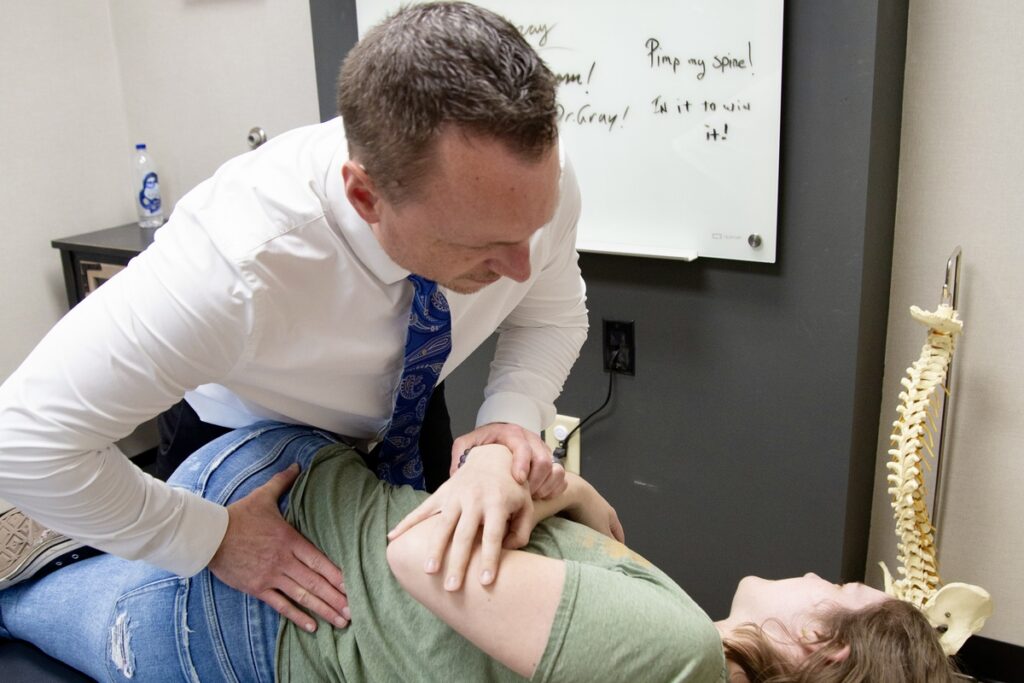
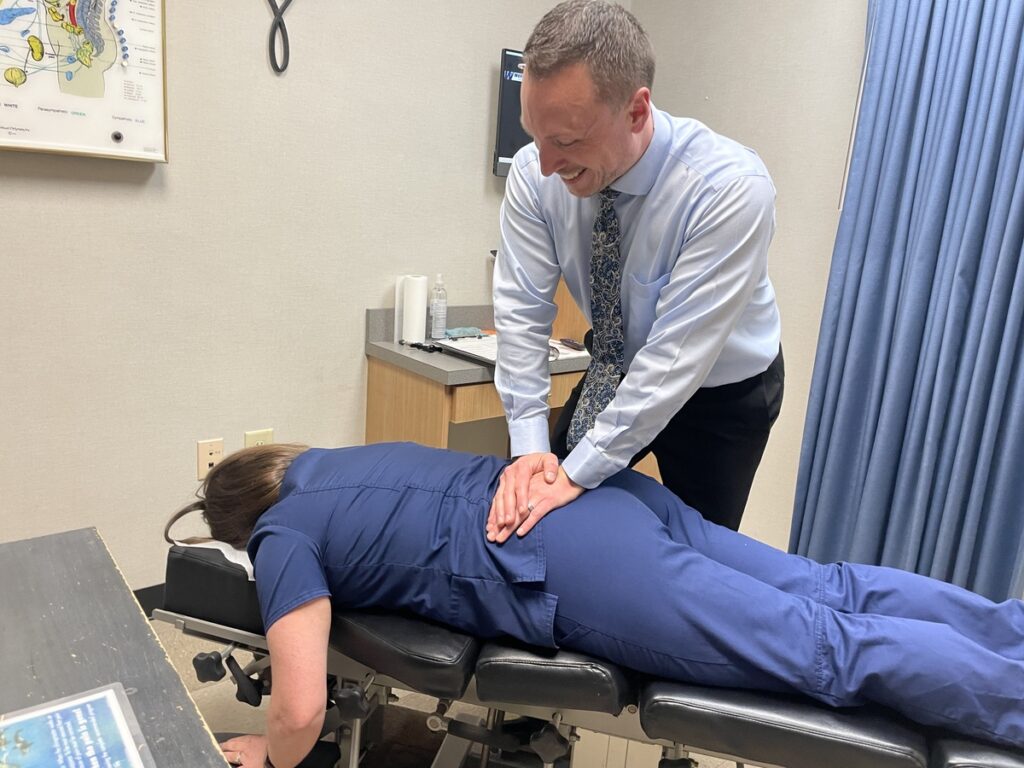
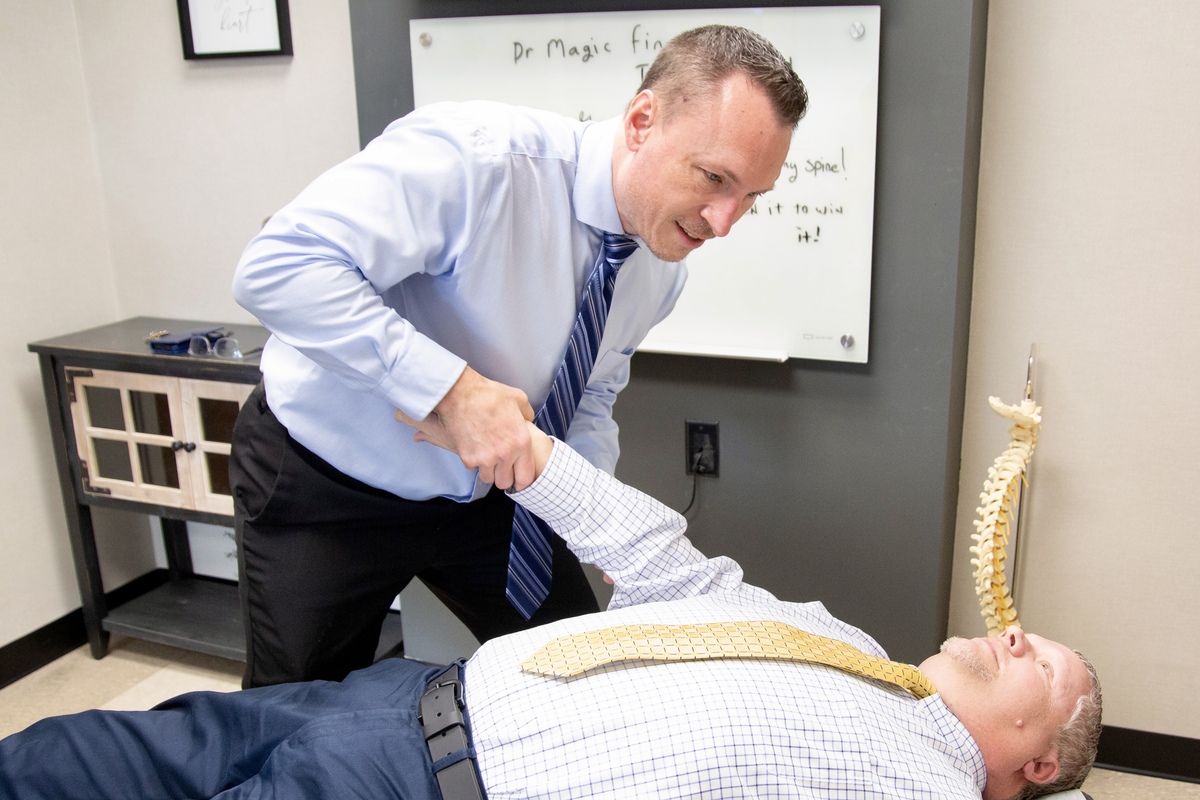
When most people think of chiropractic care, they think of back and neck pain. But chiropractic is fundamentally about the nervous system and musculoskeletal health — and that absolutely extends to conditions like carpal tunnel syndrome. Dr. Charlie Gray at Wellness One in Hickory, NC approaches carpal tunnel syndrome with a whole-body perspective, which is one of the things that sets conservative chiropractic care apart from simply treating the wrist in isolation.
Research suggests that nerve compression doesn’t always originate solely at the wrist. In some cases, there may be contributing dysfunction further up the kinetic chain — at the elbow, shoulder, or even the cervical (neck) spine. When the nerve is irritated or compressed at multiple points along its path, symptoms can be more severe and slower to resolve. This concept is sometimes referred to as “double crush syndrome,” and it underscores the importance of a thorough evaluation that looks beyond just the wrist.
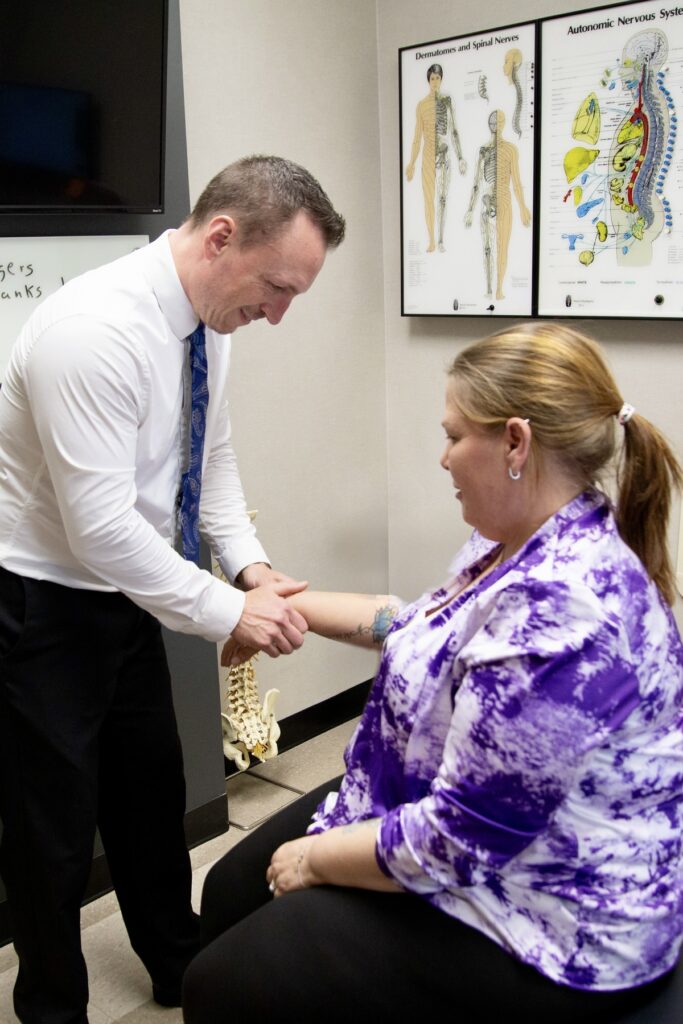
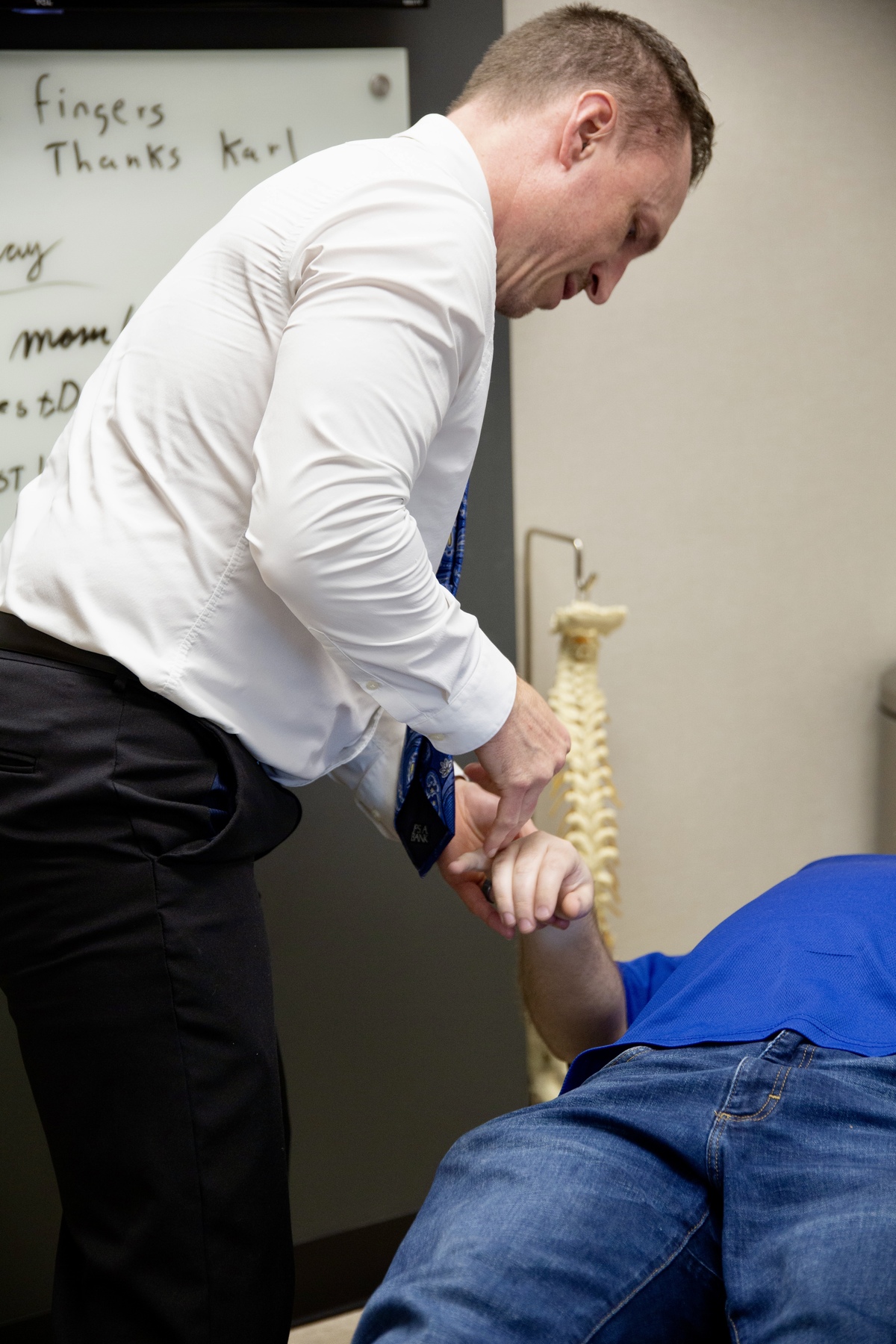
Chiropractic care for carpal tunnel syndrome may include gentle adjustments to the wrist, elbow, and cervical spine to improve joint mobility and reduce nerve irritation. Soft tissue techniques may also be used to address muscular tension and fascial restrictions in the forearm and hand. Therapeutic modalities, specific stretching guidance, and ergonomic recommendations often round out a comprehensive care plan. The goal is to reduce inflammation, restore healthy nerve function, and give the body the environment it needs to heal — all without surgery or medication.
Evidence from the National Center for Complementary and Integrative Health (NCCIH) and other reputable organizations indicates that conservative, non-invasive care — including chiropractic approaches — can be a reasonable first-line option for many people dealing with carpal tunnel syndrome, particularly in mild to moderate cases. Every person’s situation is different, and Dr. Charlie Gray will work with you to develop a plan that fits your specific needs and goals.
Practical Tips and Lifestyle Changes for Managing Carpal Tunnel Syndrome
Living with carpal tunnel syndrome doesn’t have to mean putting your life on hold. There are practical, everyday adjustments you can make that meaningfully support your recovery and help prevent symptoms from worsening. These aren’t quick fixes, but with consistency, they can make a genuine difference.
Be mindful of your wrist position. One of the most important things you can do is avoid prolonged positions where your wrist is bent sharply up or down. When typing, your wrists should be in a neutral position — not flexed downward toward your lap or extended upward at an angle. A wrist rest can help, though it should support the palm, not the wrist itself during active typing.
Take regular movement breaks. If your work involves repetitive hand movements or prolonged keyboard use, set a timer to take brief breaks every 30 to 45 minutes. Use these breaks to gently stretch the fingers, shake out the hands, and change your position. These micro-breaks reduce cumulative strain on the carpal tunnel and give irritated tissue a chance to recover.
Consider a nighttime wrist splint. Many people with carpal tunnel syndrome unconsciously curl their wrists during sleep, which increases pressure on the median nerve. A neutral-position wrist splint worn while sleeping can significantly reduce overnight symptoms and morning stiffness. This is a simple, inexpensive, and widely recommended strategy in conservative care.
Evaluate your workstation ergonomics. Your desk setup matters more than most people realize. Your monitor should be at eye level, your elbows should be at roughly 90 degrees, and your mouse should be positioned so that your forearm isn’t rotated inward. If you’re unsure whether your workstation is set up well, Dr. Charlie Gray and the team at Wellness One can offer guidance during your evaluation.
Stay active and maintain a healthy weight. General physical health plays a role in nerve health. Regular low-impact movement improves circulation, reduces systemic inflammation, and supports overall musculoskeletal function. If you have an underlying condition like diabetes or hypothyroidism, working with your primary care provider to manage it effectively can also help reduce carpal tunnel symptoms.
When to See a Chiropractor About Carpal Tunnel Syndrome
If your symptoms are mild and occasional, it’s still a good idea to get evaluated sooner rather than later. Early intervention with conservative care tends to produce better outcomes than waiting until symptoms become severe. At Wellness One in Hickory, NC, we frequently see patients who wish they had come in earlier, because they spent months managing discomfort on their own before seeking help.
You should consider scheduling an evaluation if you’re experiencing persistent numbness or tingling in the thumb, index, or middle fingers; if you’re waking regularly with hand discomfort; if you notice weakness or clumsiness in your hand; or if your symptoms have been present for more than a few weeks without improvement. These are all signs that the median nerve is under consistent stress and would benefit from professional attention.
There are also situations where chiropractic care alone may not be sufficient, and referral to another provider is the right call. If you experience sudden severe weakness in the hand, muscle wasting at the base of the thumb, or loss of sensation that is worsening rapidly, it’s important to seek medical evaluation promptly. A good chiropractor will always be honest about what is and isn’t within the appropriate scope of conservative care — and at Wellness One, Dr. Charlie Gray prioritizes your overall health above all else.
Ergonomic Habits: What Helps vs. What Hurts
|
Habit or Situation |
What Helps |
What Hurts |
|---|---|---|
|
Wrist position during typing |
Neutral, flat wrist alignment |
Wrists bent up or down sharply |
|
Mouse placement |
At elbow height, close to the body |
Reaching across or far to the side |
|
Sleep position |
Neutral wrist splint, hands relaxed |
Curled wrists under pillow or body |
|
Repetitive tasks |
Frequent breaks, varied movements |
Continuous motion without rest |
|
Grip strength tasks |
Padded grips, ergonomic tools |
Forceful, prolonged gripping motions |
|
Workstation chair height |
Elbows at 90 degrees, feet flat |
Hunched over desk, arms elevated |
Myths vs. Facts About Carpal Tunnel Syndrome
Myth: Carpal tunnel syndrome only affects people who use computers all day.
Fact: While computer use is certainly a contributing factor for many people, carpal tunnel syndrome affects a wide range of individuals — including carpenters, hairstylists, musicians, cashiers, and people who knit or play instruments. Any occupation or hobby that involves repetitive wrist and hand movements can contribute to the condition. Even pregnancy-related fluid retention can trigger it.
Myth: Surgery is the only real solution for carpal tunnel syndrome.
Fact: Surgery is one option, and in severe cases it may ultimately be necessary — but it is not the first or only option for most people. Evidence indicates that conservative approaches, including chiropractic care, wrist splinting, ergonomic modifications, and physical therapy, can be effective for mild to moderate carpal tunnel syndrome. Many patients see meaningful improvement without ever needing surgical intervention.
Myth: If your pinky finger is numb, it’s probably carpal tunnel syndrome.
Fact: The median nerve, which is compressed in carpal tunnel syndrome, does not supply sensation to the pinky finger. If numbness or tingling is isolated to the pinky and part of the ring finger, a different nerve — the ulnar nerve — is more likely involved. This is why a proper clinical evaluation is so important before assuming any diagnosis.
Myth: Rest alone will fix carpal tunnel syndrome.
Fact: While rest can reduce acute flare-ups, simply stopping activity is not a comprehensive solution. Without addressing the underlying causes — such as poor ergonomics, joint dysfunction, or muscular imbalances — the symptoms are likely to return once activity resumes. A thoughtful, structured approach to care tends to produce more lasting results.
Myth: Carpal tunnel syndrome is just part of getting older and there’s not much you can do.
Fact: While the risk of carpal tunnel syndrome does increase with age, it is not an inevitable consequence of aging, and it is not something you simply have to accept. Many people of all ages find significant relief through conservative care, lifestyle modifications, and proper education about how to protect their wrists and hands during daily activities.
Final Thoughts from Wellness One in Hickory, NC
Carpal tunnel syndrome is incredibly common, but that doesn’t mean you have to simply live with the discomfort. Here in Hickory, NC, the team at Wellness One is passionate about helping patients understand what’s going on in their bodies and empowering them to take meaningful steps toward feeling better. Dr. Charlie Gray brings a thorough, whole-body approach to every patient evaluation — because real, lasting relief comes from understanding the root cause of your symptoms, not just managing them on the surface.
Whether you’re just starting to notice occasional tingling at night or you’ve been dealing with hand pain and weakness for months, it’s never too early — or too late — to explore conservative care options. You deserve to be able to do the things you love, use your hands comfortably, and wake up in the morning feeling rested rather than sore. The team at Wellness One is here to walk alongside you on that journey, right here in the Hickory community.
Frequently Asked Questions About Carpal Tunnel Syndrome
Can a chiropractor actually help with carpal tunnel syndrome?
Yes, chiropractic care can be a helpful part of managing carpal tunnel syndrome, particularly for mild to moderate cases. A chiropractor can evaluate the wrist, elbow, and cervical spine for contributing dysfunction and develop a conservative care plan that addresses the condition from multiple angles. It is always individualized based on your specific presentation.
How long does it take to recover from carpal tunnel syndrome with conservative care?
Recovery timelines vary significantly depending on how long you’ve had symptoms, the severity of the nerve compression, and how consistently you follow your care plan. Some people notice improvement within a few weeks, while others may take several months. Early intervention generally leads to faster and more complete recovery.
Is it okay to keep working while receiving treatment for carpal tunnel syndrome?
In most cases, yes — especially if you implement ergonomic modifications and take regular breaks. Your chiropractor may recommend specific activity modifications based on what your work involves. Completely stopping work is rarely necessary for most people with mild to moderate symptoms.
What makes carpal tunnel syndrome worse at night?
During sleep, many people unconsciously flex or extend their wrists, which increases pressure inside the carpal tunnel and irritates the median nerve. Additionally, fluid tends to redistribute throughout the body when you’re lying down, which can increase tissue swelling around the wrist. Wearing a neutral-position wrist splint at night is commonly recommended to address this.
Are there any stretches I can do for carpal tunnel syndrome?
Gentle stretching of the wrist flexors and extensors can be beneficial as part of a broader care plan. However, it’s important to have a professional guide you on which stretches are appropriate for your specific situation and severity level. The team at Wellness One in Hickory, NC can provide personalized guidance during your evaluation.
Could my neck be contributing to my hand tingling?
Yes, this is actually more common than many people realize. Nerve irritation or compression at the cervical spine can produce symptoms that travel down the arm and into the hand, mimicking or compounding carpal tunnel syndrome. This is one reason why a thorough chiropractic evaluation that includes the neck and upper back is so valuable when hand and wrist symptoms are present.
TL;DR — Key Takeaways
-
Carpal tunnel syndrome is caused by compression of the median nerve at the wrist and produces numbness, tingling, and weakness in the hand — primarily in the thumb, index, and middle fingers.
-
Contributing factors include repetitive wrist movements, poor ergonomics, certain health conditions, pregnancy, and even dysfunction in the neck and upper back.
-
Conservative care — including chiropractic evaluation and treatment, wrist splinting, ergonomic changes, and movement breaks — is a well-supported first-line approach for mild to moderate carpal tunnel syndrome.
-
Simple daily habits like maintaining neutral wrist positions, taking regular breaks, and wearing a nighttime splint can make a meaningful difference in symptom management.
-
If you’re experiencing persistent hand numbness, grip weakness, or nighttime discomfort, consider reaching out to Dr. Charlie Gray at Wellness One in Hickory, NC for a thorough evaluation and personalized care plan.