
If you’ve recently been in a car accident or experienced a sudden jolt to your head and neck, you may have heard the term “whiplash” thrown around. It’s one of the most common injuries we see here at Wellness One in Hickory, NC — and unfortunately, one of the most misunderstood. Many people either dismiss whiplash as minor or, on the flip side, feel overwhelmed by fear about what it means for their long-term health. The truth is somewhere in the middle, and understanding what’s actually happening in your body is the first step toward feeling better.
At Wellness One, Dr. Charlie Gray brings advanced training in Whiplash and Brain Traumatology along with his certification as a Certified Chiropractic Sports Physician. Both of these advanced certifications required hundreds of hours of additional postgraduate education, allowing him to provide a highly specialized approach to evaluating and managing spine-related injuries following trauma.
What Is a Whiplash Injury?
Whiplash is a soft tissue injury to the neck caused by a rapid, forceful back-and-forth movement of the head — similar to the cracking of a whip. This sudden motion strains the muscles, ligaments, tendons, and sometimes the joints of the cervical spine (your neck). It most commonly results from rear-end car accidents, but it can happen in contact sports, falls, or any situation where the head is thrown suddenly in one direction and then snaps back.
What Causes Whiplash?
Whiplash happens when the neck is forced to move beyond its normal range of motion in a very short period of time. The cervical spine is designed to support the head and allow smooth, controlled movement — but when a sudden force disrupts that system, the structures around the spine take the hit.
The most well-known cause is a rear-end car collision. Even at relatively low speeds, the impact can cause the head to whip backward and then snap forward violently. This rapid movement can stretch and tear soft tissues that simply weren’t given time to brace for the force.
But car accidents aren’t the only cause. Dr. Charlie Gray at Wellness One in Hickory, NC regularly evaluates patients who have experienced whiplash from a range of situations, including:
-
Contact sports like football, hockey, or martial arts
-
Slip-and-fall accidents where the head jerks suddenly
-
Physical assault or abuse
-
Amusement park rides with sudden jerking motions
It’s also worth noting that the severity of whiplash doesn’t always match the force of the impact. Some people in high-speed collisions have mild symptoms, while others sustain significant injuries from lower-impact events. Factors like the angle of impact, the position of your head at the time of the accident, and your overall spinal health all play a role.
Signs and Symptoms of Whiplash
One of the trickiest things about whiplash is that symptoms don’t always show up right away. It’s entirely common for someone to walk away from a car accident feeling relatively fine, only to wake up the next morning with significant pain and stiffness. This delayed onset can lead people to assume they weren’t really injured — which is one of the reasons whiplash often goes untreated for too long.
The most classic symptom is neck pain and stiffness, often paired with a reduced range of motion. Turning your head to one side may feel difficult or painful. Many patients also experience headaches that start at the base of the skull and radiate forward toward the forehead — a very characteristic sign of whiplash-related tension.
Beyond the neck itself, whiplash can produce a surprisingly wide range of symptoms throughout the body. These can include:
-
Shoulder pain and upper back tension
-
Tingling or numbness that travels down the arms
-
Dizziness or a sense of being off-balance
-
Fatigue that doesn’t seem to have another clear cause
-
Difficulty concentrating or mental fogginess (sometimes called “brain fog”)
-
Jaw pain or tenderness (the jaw joint can be affected by the same sudden motion)
-
Sleep disturbances due to discomfort
-
Low back pain that radiates to the leg and/or foot
In more complex cases, patients may experience longer-lasting symptoms that affect their quality of life significantly. This is sometimes referred to as late whiplash syndrome or chronic whiplash-associated disorder. Early evaluation and care play an important role in reducing the risk of symptoms becoming long-term.
How Whiplash Is Diagnosed
Diagnosing whiplash is largely a clinical process — meaning it relies heavily on your history, reported symptoms, and a thorough physical examination. There’s no single definitive test that shows whiplash on a scan the way a broken bone shows up on an X-ray. This can be frustrating for patients who feel like their pain isn’t being taken seriously just because imaging looks “normal.”
During an evaluation, your provider will ask detailed questions about how the injury happened, the timeline of your symptoms, and how those symptoms are affecting your daily life. They’ll assess your cervical range of motion, feel for areas of muscle tenderness and spasm, and check your neurological function to make sure there are no signs of nerve involvement.
Imaging such as X-rays, MRI, or CT scans may be ordered in certain cases — particularly if there’s concern about fractures, disc injury, or nerve compression. X-rays can help rule out bony damage, while an MRI provides better detail of soft tissue structures like discs and ligaments. However, for many whiplash cases, the injury is primarily in the muscles and ligaments, which means imaging may come back without obvious abnormalities even when real pain and dysfunction are present.
At Wellness One in Hickory, Dr. Charlie Gray conducts a thorough assessment that takes your full clinical picture into account — not just what shows up on a scan. Understanding how your spine is moving, where tension is held, and how the injury is affecting your posture and mechanics gives a much more complete view of what’s going on and what kind of care would be most helpful.
One situation Dr. Gray sees regularly is patients who come into the office with neck pain, headaches, dizziness, or other symptoms that seem to have no obvious cause. After completing a thorough examination and taking X-rays when appropriate, he will often ask a simple question: “When was the car accident or trauma to your spine?” Many patients are surprised and respond that they were involved in a collision years earlier but were told they were “fine” because they didn’t have immediate symptoms or because the emergency room ruled out serious injuries. A hospital evaluation is incredibly important for identifying fractures and other emergencies, but being cleared of an emergency condition does not necessarily mean there are no soft tissue or mechanical issues involving the spine. That’s why a chiropractic evaluation can be valuable after trauma, even if you initially feel okay.
How Chiropractic Care Fits In
Chiropractic care is widely recognized as an effective, non-invasive approach for managing whiplash injuries. The American Chiropractic Association and various clinical guidelines support conservative care as a first-line option for neck pain and soft tissue injuries following trauma. Research published in journals like Spine suggests that spinal manipulation, when appropriately applied, can help reduce pain and improve function in patients with whiplash-associated disorders.
The goal of chiropractic care for whiplash isn’t to force a quick fix — it’s to restore normal movement, reduce muscle tension, and help the spine return to proper alignment so your body can heal the way it’s designed to. When the joints of the cervical spine are restricted or misaligned following trauma, the surrounding muscles often overwork themselves trying to compensate, which can prolong pain and stiffness significantly.
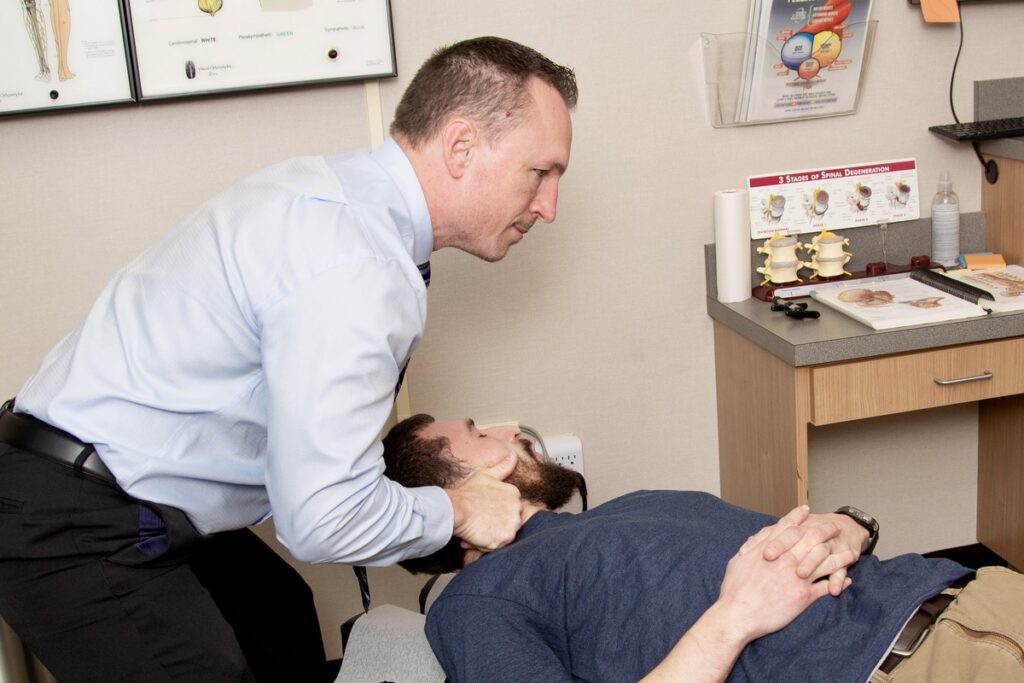
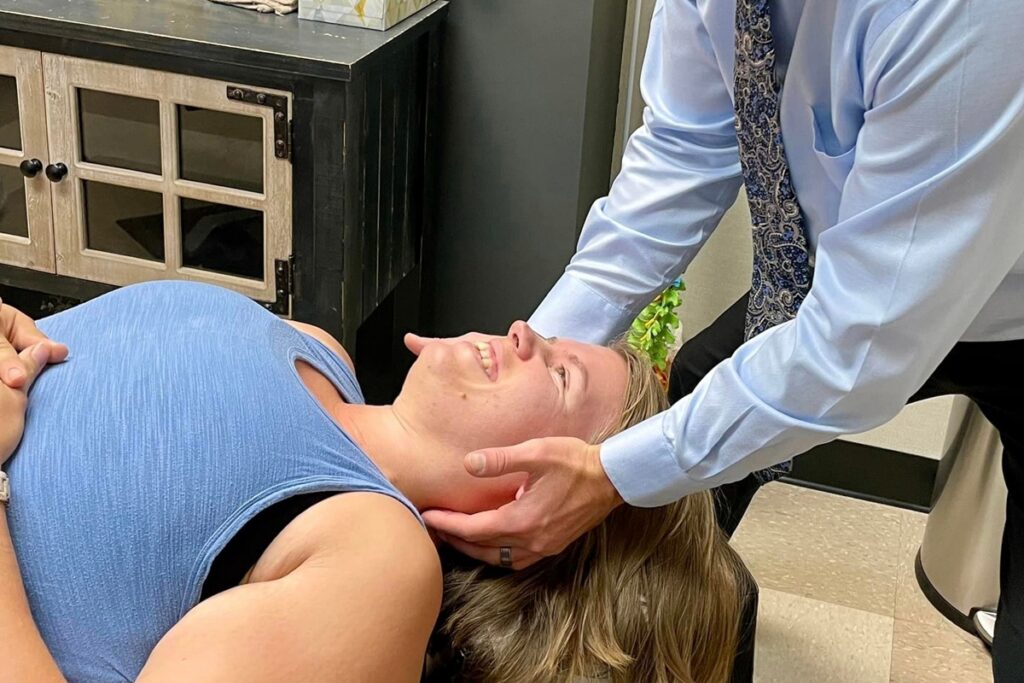
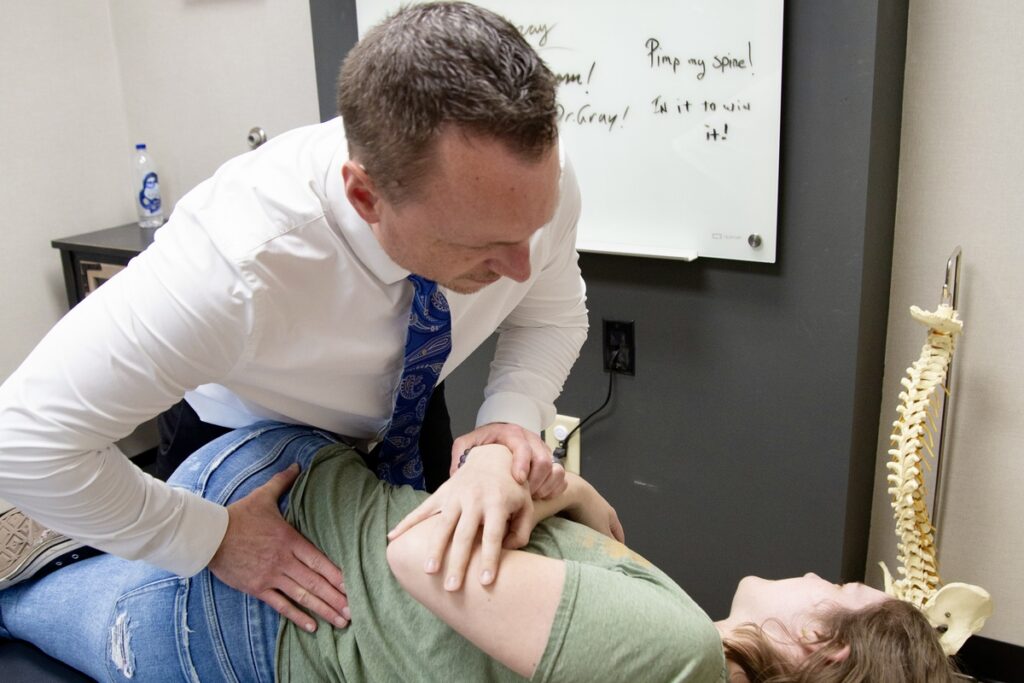
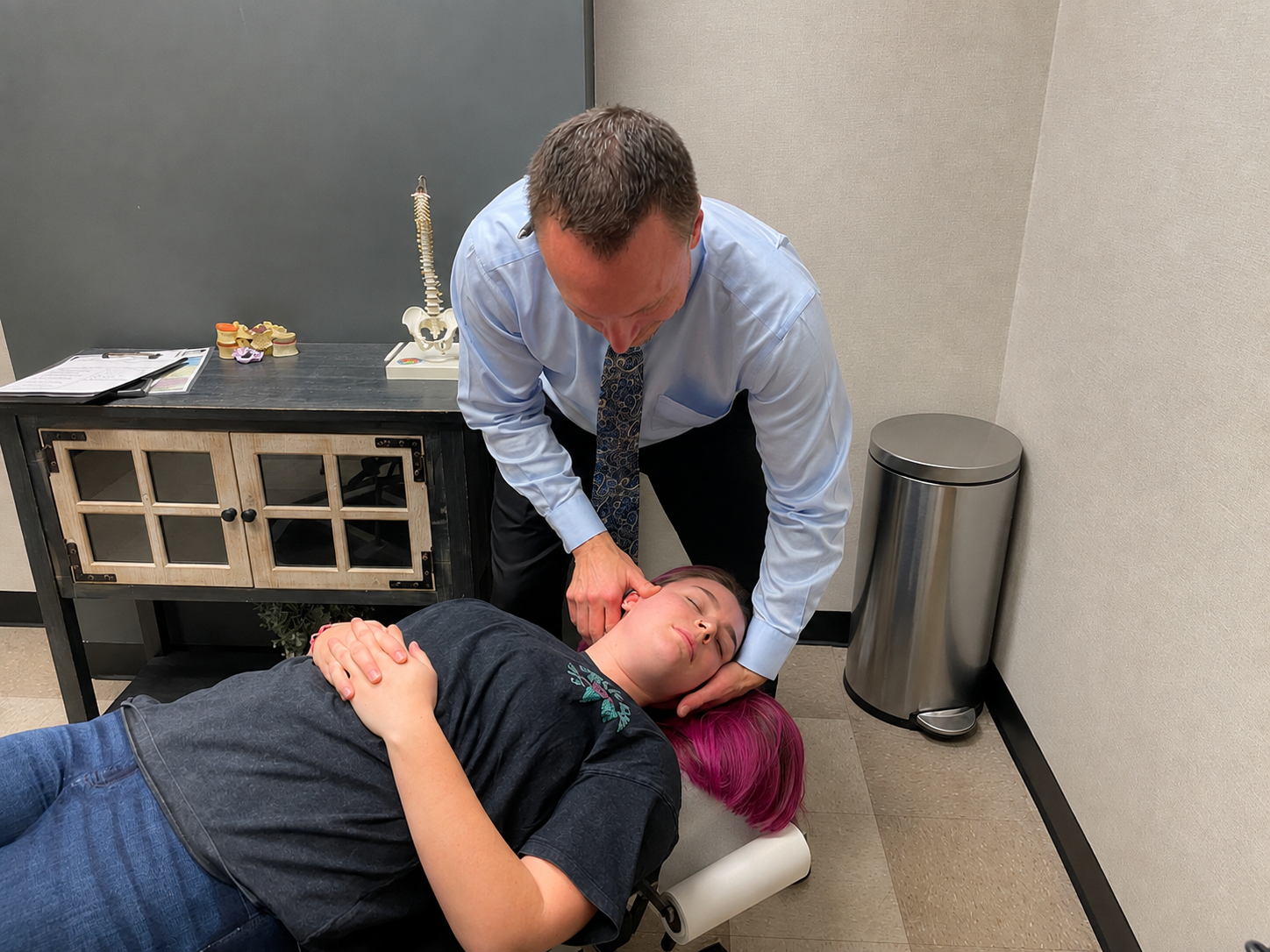
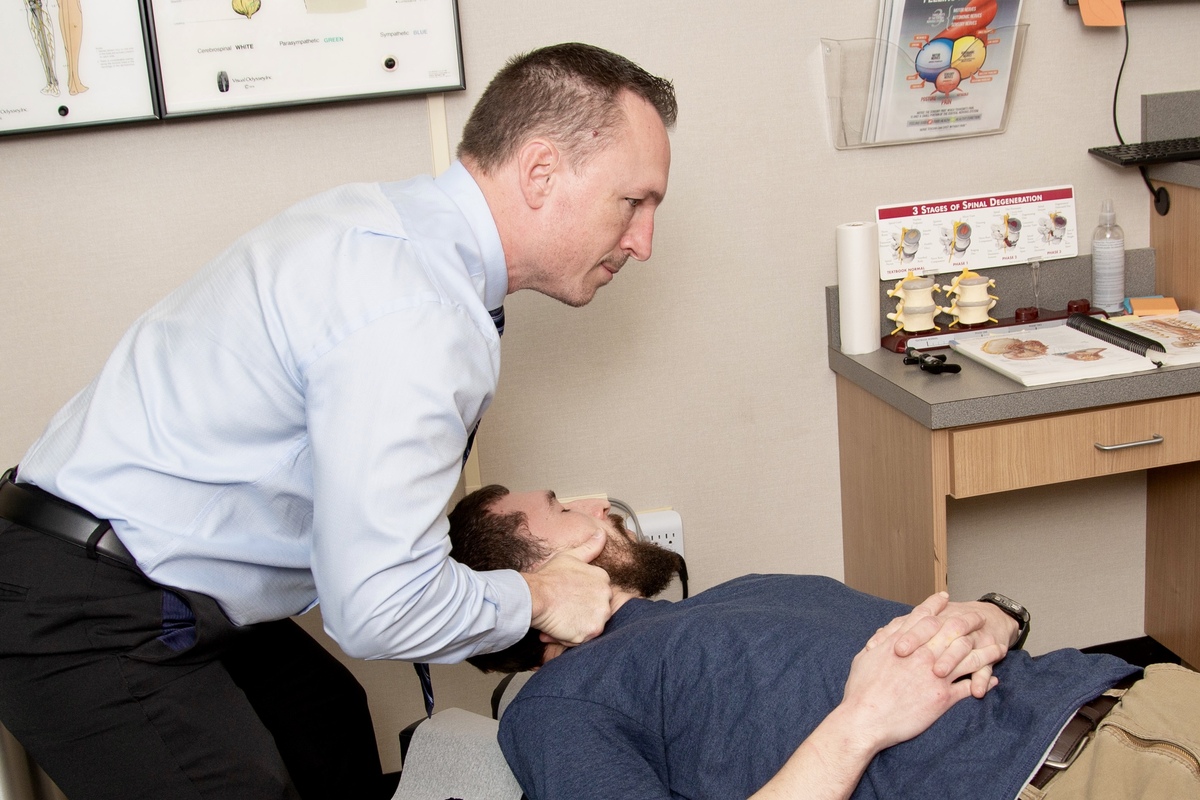
Dr. Charlie Gray tailors care to each individual patient’s presentation. A person who sustained a mild whiplash in a low-speed fender bender will have different needs than someone with more complex multi-region symptoms. Care may include gentle spinal adjustments to restore joint mobility, soft tissue work to release muscle tension, rehabilitative guidance to support recovery, and postural recommendations to help reduce strain on healing tissues.
Chiropractic care is also particularly valuable in the early phases of recovery, when avoiding stiffness and maintaining mobility — without overdoing it — is key. Research and clinical guidelines support early evaluation and active, conservative management for whiplash-associated disorders, and patients who are assessed promptly after an accident often have the best opportunity to begin appropriate care before symptoms become more established. At Wellness One, we encourage anyone involved in a collision to seek an evaluation as soon as possible, ideally within the first 72 hours when practical, even if they feel relatively fine initially. Early assessment allows your injury to be properly documented, your spinal function to be evaluated, and an individualized recovery plan to begin if needed.
Practical Tips for Managing Whiplash at Home
While professional evaluation and care are essential after a whiplash injury, there are things you can do at home to support your recovery. These suggestions are general in nature — always follow the specific guidance of your healthcare provider, as every injury is different.
Apply ice early, heat later. In the first 24 to 72 hours after injury, cold packs applied for 15 to 20 minutes at a time can help reduce inflammation and ease pain. After the acute phase has passed, gentle heat can help relax tight muscles. Avoid applying either directly to skin without a cloth barrier.
Keep moving gently. It might feel instinctive to keep your neck completely still, but gentle, controlled movement is generally better for recovery than complete immobilization. The old recommendation of wearing a cervical collar for extended periods has largely been replaced by guidance to stay as gently active as tolerated. Ask Dr. Charlie Gray about appropriate movements for your specific situation.
Support your sleep position. Sleeping on your back with a cervical pillow that supports the natural curve of your neck is generally more comfortable and less aggravating than sleeping on your stomach. Avoiding positions that twist or torque the neck during sleep can make a meaningful difference.
Be mindful of screen time and posture. Extended periods of looking down at a phone or hunching forward at a computer can significantly increase neck strain during recovery. Taking frequent breaks, adjusting screen height, and being aware of how you’re holding your head can all reduce unnecessary load on healing tissues.
When to See a Chiropractor
If you’ve been in an accident or experienced a sudden jolt that affected your neck, it’s wise to seek evaluation sooner rather than later — even if your symptoms feel mild at first. As mentioned earlier, symptoms can be delayed, and getting a clear picture of what’s going on early can help guide appropriate care and prevent problems from lingering. We recommend scheduling a chiropractic evaluation as soon as possible after a collision, ideally within the first 72 hours when practical, even if you feel fine or were told at the hospital that no emergency injury was found. Those are two very different evaluations, and a thorough chiropractic examination focuses specifically on how the spine, joints, muscles, and surrounding soft tissues may have been affected by the trauma.
You should seek evaluation if you experience neck pain or stiffness after an accident, recurring headaches following a trauma, numbness or tingling in your arms or hands, dizziness or balance issues after a head or neck injury, or difficulty turning your head normally.
There are also certain red flags that warrant immediate medical attention — not chiropractic care as a first step. These include severe and worsening neurological symptoms, loss of bladder or bowel control, significant arm or leg weakness, or intense pain following a high-impact trauma. In those cases, emergency evaluation is the right first move. Once more serious causes have been ruled out, chiropractic care may then be appropriate as part of your recovery plan.
Whiplash Symptom and Cause Comparison
|
Common Cause |
Typical Symptoms Involved |
Severity Range |
|---|---|---|
|
Rear-end car collision |
Neck pain, stiffness, headache, shoulder tension |
Mild to severe depending on impact and position |
|
Contact sports impact |
Neck soreness, dizziness, upper back tightness |
Usually mild to moderate; can be significant |
|
Slip-and-fall accident |
Neck and upper back pain, possible jaw or head pain |
Varies widely by fall angle and surface |
|
Physical trauma or assault |
Broad symptom range including neurological signs |
Potentially moderate to severe |
|
Amusement park rides |
Neck stiffness, headaches, fatigue |
Usually mild; occasionally more significant |
Myths vs. Facts About Whiplash
Myth: If you don’t feel pain right away, you weren’t really injured.
Fact: Delayed onset of symptoms is extremely common with whiplash. Adrenaline and inflammation processes can mask pain in the immediate aftermath of an accident. Many people feel fine on the day of the injury and wake up the next morning barely able to turn their head. Not feeling pain immediately does not mean no injury occurred.
Myth: Whiplash only happens in high-speed crashes.
Fact: Whiplash can and does occur at relatively low speeds. Research has shown that even in a collision at around 5 mph, the neck may be subjected to forces of approximately 3 Gs. The forces involved in a slow-speed rear-end collision can be enough to strain the muscles, ligaments, and other structures of the cervical spine. Research in biomechanics has demonstrated that vehicle speed alone is not a reliable predictor of whether an injury will occur or how severe it may be.
Myth: Wearing a neck brace is the best treatment for whiplash.
Fact: Current clinical guidance generally does not recommend prolonged use of a cervical collar for whiplash. Extended immobilization can actually slow recovery by allowing muscles to weaken and stiffen further. Gentle, guided movement and active recovery approaches — like those used in chiropractic care — tend to produce better outcomes.
Myth: Whiplash injuries always show up on imaging.
Fact: Many whiplash injuries primarily involve muscles, tendons, and ligaments — soft tissues that don’t show up clearly on standard X-rays. A normal imaging result does not mean there is no injury. A thorough clinical examination is essential for accurately assessing the extent of the problem.
Myth: Whiplash always becomes a long-term chronic problem.
Fact: While some people do experience prolonged symptoms, many whiplash injuries resolve well with appropriate, timely care. Early intervention, active recovery strategies, and addressing spinal function — rather than just masking pain — are all factors that support a good recovery outcome for many patients.
Final Thoughts from Wellness One in Hickory, NC
Whiplash is a real, sometimes complex injury — but it’s also one that responds well to the right kind of care. The key is not to ignore it, not to let fear take over, and not to assume it will just go away on its own without understanding what’s actually happening in your neck and spine.
Dr. Gray’s experience with whiplash cases has shown him something important over the years: many people don’t connect their current symptoms to a trauma that happened months or even years earlier. While not every case of neck pain is caused by an old accident, previous trauma is an important part of a patient’s history and deserves careful consideration during a comprehensive examination. If you’ve ever been involved in a car accident, sports collision, or other significant trauma to your spine, mentioning that history during your evaluation can provide valuable clinical context.
Here at Wellness One in Hickory, NC, Dr. Charlie Gray and our care team have a genuine passion for helping members of this community recover from injuries like whiplash and get back to living their lives fully. We take the time to understand your specific situation, explain what we’re finding, and work with you on a plan that makes sense for your body and your goals.
If you or someone you know has recently been in an accident or is dealing with neck pain, stiffness, or headaches that started after a traumatic event, we encourage you to reach out and schedule an evaluation. You don’t have to figure it out alone — and the sooner you get a clear picture of what’s going on, the sooner you can start moving in the right direction.
Frequently Asked Questions About Whiplash
How long does whiplash typically take to heal?
Recovery time varies depending on the severity of the injury, the individual’s overall health, and how quickly appropriate care is started. Many people with mild to moderate whiplash see significant improvement within a few weeks to a couple of months. More complex cases can take longer, which is why early evaluation and consistent care matter.
Can a chiropractor treat whiplash?
Yes. Chiropractic care is a well-recognized conservative treatment option for whiplash-associated disorders. Chiropractors are trained to assess cervical spine function, address joint restrictions, and support soft tissue recovery. Care is individualized based on the nature and severity of your specific injury.
Should I see a chiropractor or a medical doctor first after a whiplash injury?
If you have severe neurological symptoms, significant weakness, or concerns about fractures, a medical evaluation should come first to rule out serious injury. For typical whiplash symptoms like neck pain, stiffness, and headaches, seeing a chiropractor for a thorough assessment is a completely appropriate first step. Many patients benefit from coordinated care between multiple providers.
Is it normal for whiplash symptoms to come and go?
Yes, fluctuating symptoms are common, especially in the early phases of recovery. Pain and stiffness can vary day to day based on activity levels, sleep quality, and posture. This variability doesn’t mean the injury isn’t healing — it just means the body is working through a complex recovery process.
Can whiplash cause headaches?
Absolutely. Cervicogenic headaches — headaches that originate from dysfunction in the cervical spine and surrounding soft tissues — are one of the most common symptoms of whiplash. They typically start at the base of the skull and can radiate to the forehead, temples, or behind the eyes. Addressing the underlying neck dysfunction is often key to relieving these headaches.
What happens if whiplash goes untreated?
Untreated whiplash can sometimes lead to prolonged pain, chronic neck tension, persistent headaches, and reduced range of motion that affects daily function. Not everyone develops long-term symptoms, but delayed evaluation can make it harder to identify and address spinal dysfunction early in the recovery process. Getting checked by a chiropractor after a collision — even if you initially feel fine or have been cleared of emergency injuries — can help determine whether your neck and spine require additional care or monitoring.
TL;DR — Quick Summary
-
Whiplash is a soft tissue injury to the neck caused by a sudden, forceful back-and-forth motion of the head, most commonly from car accidents or contact sports.
-
Symptoms can be delayed and may include neck pain, stiffness, headaches, shoulder tension, dizziness, and arm tingling — making early evaluation important even when you feel okay initially.
-
Diagnosis is primarily clinical, relying on your history and physical examination; imaging can help rule out fractures or disc issues but often appears normal in soft tissue injuries.
-
Chiropractic care is a well-supported, non-invasive approach to whiplash recovery, focusing on restoring joint movement, reducing muscle tension, and supporting natural healing.
-
At Wellness One in Hickory, NC, Dr. Charlie Gray provides thorough, individualized evaluations and care for whiplash patients — reaching out sooner rather than later gives you the best chance at a full recovery.