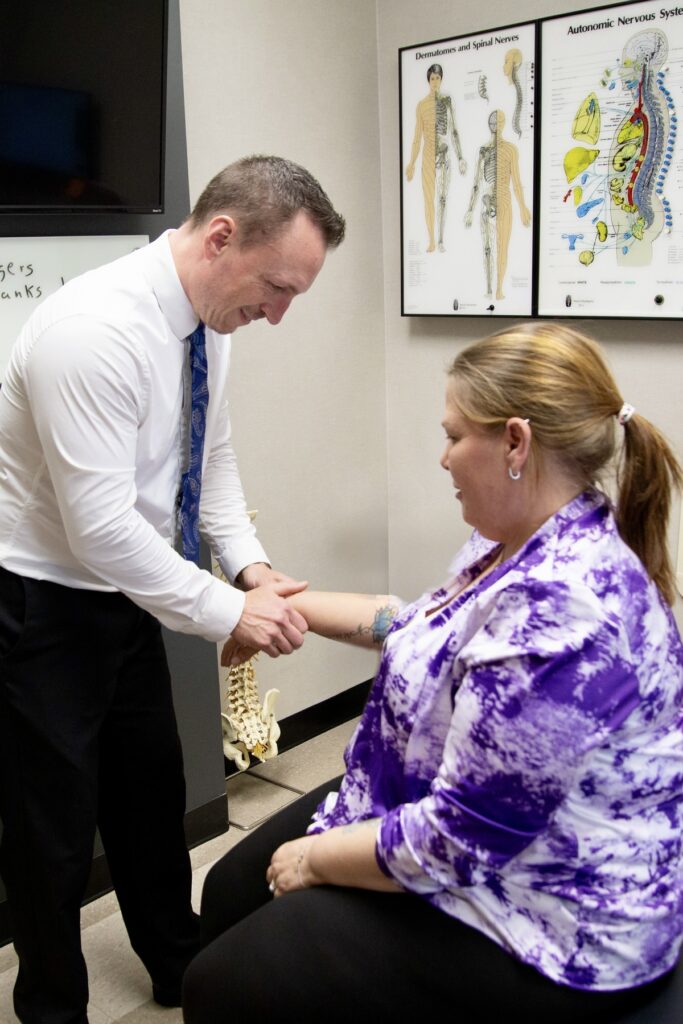
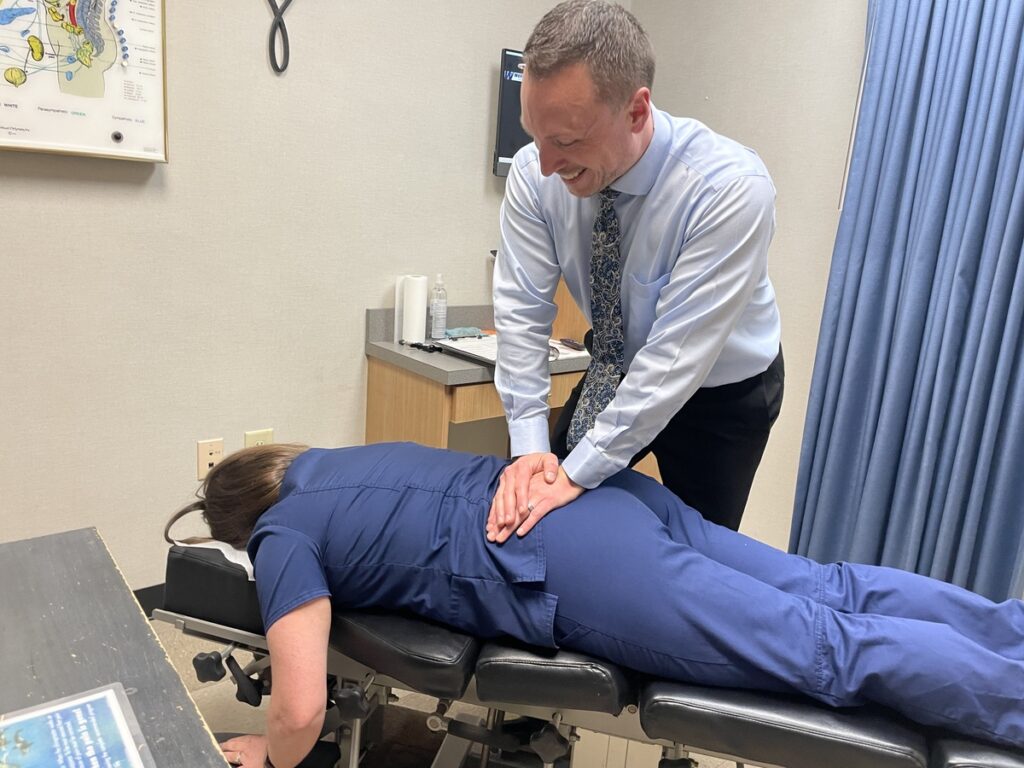
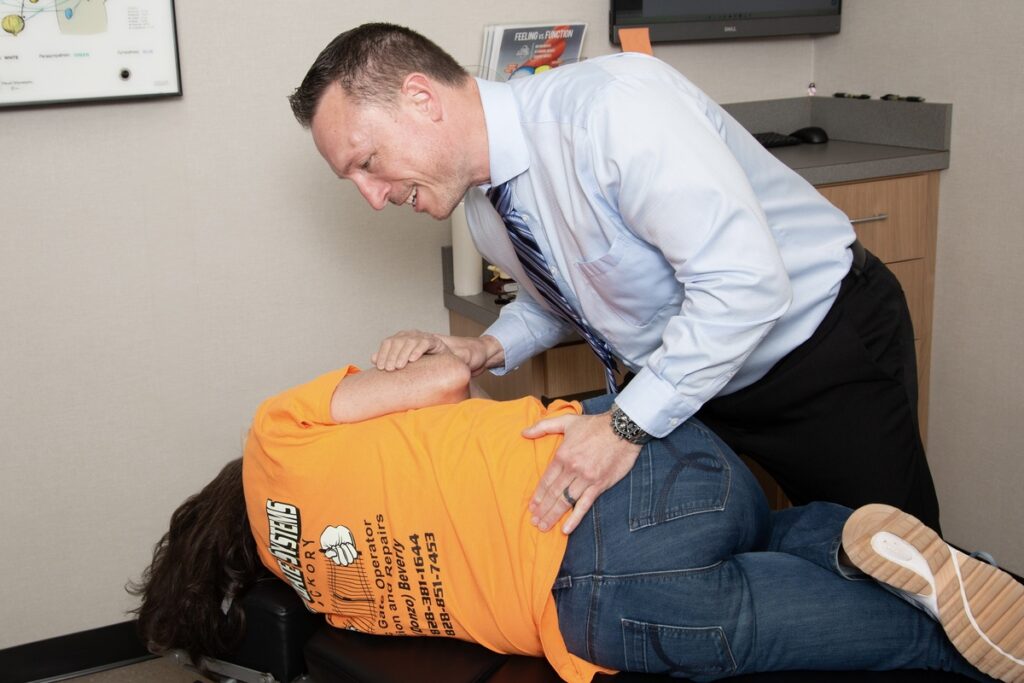
If you’re dealing with lower back pain, know that you’re not alone. Many individuals experience discomfort that can hinder daily activities. Thankfully, there are effective strategies you can implement today to find relief, and chiropractic care is a leading option for addressing these issues naturally. By focusing on spinal health, you can experience improved well-being and a reduction in pain without the need for medications or surgeries.
Here are some practical tips to help you get started on your journey to relief:
- Posture Matters: Pay attention to your posture while sitting, standing, and walking. Keeping your spine aligned can significantly reduce strain on your back. Consider using a supportive chair or cushion to maintain proper alignment.
- Gentle Exercises: Incorporating gentle stretches and low-impact exercises can strengthen your back muscles and improve flexibility. Simple movements like knee-to-chest stretches or pelvic tilts can be beneficial.
- Stay Active: Regular movement is crucial for spinal health. Whether it’s a daily walk or light stretching, keeping your body moving helps maintain healthy blood flow and reduces stiffness.
- Listen to Your Body: If certain activities exacerbate your pain, it’s important to listen to those signals. Modify your routine to include activities that feel good and avoid those that cause discomfort.
- Chiropractic Care: Regular visits to a chiropractor can provide significant relief from lower back pain. Chiropractic adjustments focus on aligning the spine and improving overall function, which can lead to lasting pain relief and enhanced wellness.
- Heat and Cold Therapy: Applying a warm compress or an ice pack to your lower back can help alleviate pain. Heat can relax tense muscles, while cold therapy can reduce inflammation.
- Stay Hydrated: Drinking plenty of water is essential for maintaining the health of your spinal discs. Proper hydration can help prevent degeneration and support overall spinal health.
By implementing these tips and considering chiropractic care as a primary method for treating lower back pain, you can take proactive steps towards achieving optimal health and wellness. Remember to consult with a qualified chiropractor who can tailor a treatment plan to your specific needs and help you on your path to recovery.
Key Takeaways
- Prioritize good posture by sitting with your back straight and using a chair that provides support for your lower back. This simple adjustment can make a significant difference in your comfort and overall spinal health.
- Embrace gentle stretching exercises, like the cat-cow and hip flexor stretches, to relieve tension in your back. These movements can help improve flexibility and keep your spine healthy.
- Consider using heat therapy, such as a warm towel or heating pad, for 15–20 minutes. This can help relax tight muscles and promote better blood flow, aiding in recovery and pain relief.
- Cold therapy can also be beneficial. Applying a cold pack for 15–20 minutes can help reduce inflammation and numb any sharp pain, giving your body a chance to heal.
- Regular visits to a chiropractor can provide you with personalized adjustments and expert guidance. Chiropractic care focuses on supporting spinal alignment, which is crucial for managing pain effectively and achieving optimal health.
- Remember, your body is designed to heal itself. Chiropractic care, combined with healthy lifestyle choices, can enhance your natural healing abilities and lead to lasting wellness.
Maintain Good Posture
Maintaining good posture is crucial for preventing and alleviating lower back pain, especially for those of us who spend long hours sitting or standing. As a chiropractor, I want to emphasize how proper posture can significantly impact your overall health and wellness.
When sitting, ensure your back is straight and your shoulders are relaxed—not slouched. Your feet should rest flat on the floor, and your knees should form a right angle. Consider using a chair that provides support for your lower back; this can make a world of difference in maintaining your spinal health.
If you find yourself standing, aim to distribute your weight evenly on both feet. Keep your shoulders back and align your head with your spine. It’s important to avoid locking your knees, as this can lead to strain on your back.
Being mindful of your posture throughout the day can help you prevent unnecessary tension and discomfort. Remember, even small adjustments can lead to significant relief. Regularly check in with your body; if you catch yourself slipping into poor posture habits, don’t hesitate to make those changes.
Incorporating chiropractic care into your routine can also help maintain proper posture and support your overall well-being. A chiropractor can provide personalized guidance and adjustments to help you achieve optimal spinal alignment and health. By prioritizing your posture and seeking chiropractic care, you’re taking proactive steps toward a healthier, pain-free life.
Incorporate Stretching Exercises
Good posture is a solid foundation for spinal health, but incorporating stretching exercises can elevate your back care routine even further. Stretching not only improves flexibility but also relieves tension and enhances blood flow to your muscles. These benefits are essential for alleviating lower back pain and promoting overall wellness.
Consider adding simple stretches to your daily routine, such as the cat-cow, child’s pose, or hip flexor stretch. These exercises specifically target the muscles surrounding your spine, helping to improve your mobility and comfort. Aim to dedicate at least 10-15 minutes each day to stretching, focusing on areas that feel tight. Remember to breathe deeply and move slowly to prevent any injuries.
It’s also wise to incorporate dynamic stretches before engaging in any physical activity to properly warm up your muscles. Always listen to your body; if you encounter any discomfort, ease off the stretch. By making stretching a regular part of your routine, you not only relieve current discomfort but also help prevent future issues, keeping your back healthy and pain-free.
Chiropractic care complements your stretching routine perfectly. Regular visits to your chiropractor can enhance your body’s natural healing abilities, ensuring your spine is aligned and functioning optimally. Together, stretching and chiropractic care can help you achieve a healthier, more active lifestyle—naturally and effectively. Remember, your health is in your hands!
Use Heat and Cold Therapy
When you’re experiencing lower back pain, incorporating heat and cold therapy can be incredibly beneficial. These methods not only provide relief but also support the healing process. As a chiropractor dedicated to your health and wellness, I want to share how to effectively use these therapies for optimal results.
Heat Therapy: Applying heat to your lower back can help relax tense muscles and improve blood circulation, which is essential for healing. You can use a heating pad, warm towel, or even take a warm bath. Aim for about 15-20 minutes of heat application, ensuring that it’s warm but not too hot to avoid burns. This gentle warmth can soothe discomfort and promote relaxation, which is crucial for overall spinal health.
Cold Therapy: On the other hand, cold therapy is excellent for reducing inflammation and numbing sharp pain. You can use an ice pack wrapped in a cloth to protect your skin. Apply it to the affected area for about 10-15 minutes at a time. This can be particularly useful right after an injury or flare-up, helping to minimize swelling and provide quick relief.
Combining Both Therapies: For maximum benefit, consider alternating between heat and cold. This can stimulate circulation while reducing inflammation. Start with cold therapy to numb the area, then switch to heat to relax the muscles. This approach can be especially effective in managing pain and supporting the healing process.
While heat and cold therapy can be helpful, it’s essential to remember that these methods are best used in conjunction with regular chiropractic care. A chiropractor can address the underlying issues causing your pain, ensuring a holistic approach to your wellness. Regular adjustments can help maintain proper spinal alignment, reduce tension, and enhance your overall health.
Incorporating these therapies into your routine can provide relief, but always listen to your body. If you experience increased pain or discomfort, it’s important to consult with your chiropractor for personalized guidance. Together, we can work towards achieving optimal health and wellness, naturally.
Benefits of Heat Therapy
Heat therapy is a fantastic tool for easing lower back pain, and as a chiropractor, I often recommend it to my patients as part of a holistic approach to wellness. Applying heat to your lower back can help relax tight muscles and boost blood circulation, which is essential for healing. When you introduce warmth, whether through a heating pad, a warm towel, or a soothing hot bath, it penetrates deeply into your muscles, alleviating discomfort and reducing stiffness. This can make moving around much easier and more comfortable.
Incorporating heat therapy into your routine can also be beneficial before physical activities. It prepares your back for movement, potentially reducing the risk of injury. However, it’s important to use heat wisely—limit your application to about 15-20 minutes at a time to avoid overheating.
While heat therapy can be an effective way to manage pain, remember that it’s just one part of a comprehensive strategy for optimal health. Regular chiropractic adjustments play a crucial role in addressing the root causes of pain and maintaining spinal health. By combining heat therapy with chiropractic care, you can enhance your recovery process and promote overall wellness. Always listen to your body and consult with your chiropractor for personalized advice on managing pain effectively.
Benefits of Cold Therapy
Cold therapy can be a valuable tool for managing lower back pain, especially after physical activity or injury. As a chiropractor, I often recommend incorporating this simple method into your routine to help alleviate discomfort and promote natural healing. Here’s why cold therapy can be beneficial:
- Reduces inflammation: When you apply cold to the affected area, it constricts blood vessels, which helps minimize swelling. This can be particularly helpful after activities that strain your back.
- Numbs pain: Cold therapy can dull the nerve activity in the area, providing immediate pain relief. This makes it easier to go about your daily activities without being hindered by discomfort.
- Prevents further injury: By reducing inflammation, cold therapy can help prevent your pain from worsening, allowing your body to recover more effectively.
- Improves recovery: Utilizing cold therapy after physical exertion can help speed up the healing process, making it an excellent addition to your post-activity routine.
While cold therapy is a great option for managing lower back pain, it’s essential to remember that regular chiropractic care is the best choice for achieving optimal health. A chiropractor can address the underlying issues contributing to your pain and help you develop a personalized plan to enhance your overall wellness.
To incorporate cold therapy effectively, try these tips:
- Use a cold pack: Wrap a cold pack or ice in a cloth and apply it to your lower back for 15-20 minutes at a time.
- Frequency: Use cold therapy several times a day, especially after activities that aggravate your back pain.
- Listen to your body: If you feel too cold or uncomfortable, remove the ice pack immediately.
Application Techniques Explained
Managing lower back pain can be greatly improved through effective use of heat and cold therapy, and incorporating these techniques into your routine can lead to better overall wellness. As a chiropractor, I want to share how you can use these methods to find relief naturally.
Start with cold therapy. For the first 15-20 minutes, apply an ice pack wrapped in a towel to the area where you’re feeling pain. This can help reduce inflammation and numb any sharp sensations. Cold therapy is particularly beneficial in the initial stages of pain, as it can help calm your body’s response to injury.
After 48 hours, it’s time to transition to heat therapy. Using a heating pad or a warm towel for 15-30 minutes can work wonders. Heat increases blood flow and helps relax tight muscles, which is essential for healing. Always remember to check the temperature before applying it to avoid any burns—your comfort and safety are paramount.
You may find it beneficial to alternate between heat and cold as needed. However, always remember to avoid direct contact with your skin; wrap ice packs and heating pads to protect yourself.
Listening to your body is crucial. If your pain persists or worsens, it’s important to consult with a chiropractor who can provide tailored treatment options that promote natural healing and optimal spinal health.
In addition to these techniques, consider incorporating gentle stretches and strengthening exercises into your routine to support your back. Maintaining good posture and staying active are also key components of healthier living.
Invest in a Supportive Mattress
Investing in a supportive mattress is crucial for your overall health and can significantly improve your comfort, especially if you experience lower back pain. A quality mattress not only enhances your sleep but also plays a vital role in keeping your spine aligned during the night.
Here are some essential features to consider when selecting the right mattress for your well-being:
- Firmness Level: Aim for a medium-firm mattress. This type of mattress provides the right amount of support for your back without creating painful pressure points that can lead to discomfort.
- Material: Look for mattresses made from memory foam, latex, or hybrid materials. These options can offer excellent support while molding to your body shape, promoting proper spinal alignment.
- Durability: Choose a mattress that maintains its shape and support over time. A durable mattress will help prevent sagging, which can lead to misalignment and further discomfort.
- Trial Period: Consider brands that provide a trial period. This allows you to test the mattress in your own home and ensure it meets your comfort and support needs.
In addition to investing in a supportive mattress, remember that regular chiropractic care can be an essential part of your journey to optimal health. Chiropractic adjustments help align your spine, reduce pain, and improve overall function.
Stay Active With Regular Exercise
Stay Active With Regular Exercise for Optimal Spinal Health
As a chiropractor, I can’t emphasize enough the importance of regular exercise in managing lower back pain and promoting overall health. Staying active isn’t just about moving; it’s about strengthening the muscles that support your spine, which enhances both flexibility and stability.
Incorporating low-impact activities like walking, swimming, or cycling into your routine can significantly benefit your back. These exercises help improve blood circulation, which is crucial for healing and reducing stiffness. Plus, they’re easy on your joints!
Focusing on core-strengthening workouts, such as planks and bridges, can further enhance your posture and alleviate strain on your back. I also recommend gentle stretching exercises, like yoga or simple back stretches, to relieve tension and increase your range of motion. Strive for at least 30 minutes of moderate exercise most days of the week to keep your body engaged and your spine supported.
Always listen to your body. If a specific activity causes discomfort, it’s essential to modify it or try something else. Remember, consistency is vital; staying active not only helps relieve pain but also contributes significantly to your overall wellness.
In addition to exercise, consider regular chiropractic care as a natural way to support your health. Chiropractic adjustments can help ensure your spine is in alignment, which is key to reducing pain and improving function. By making chiropractic care a part of your routine, you can achieve optimal health and well-being.
Practice Mindfulness and Relaxation Techniques
Practicing mindfulness and relaxation techniques can significantly ease lower back pain, and as a chiropractor, I believe these practices can be a valuable complement to your overall spinal health.
By incorporating simple breathing exercises and guided meditation into your daily routine, you can reduce stress and tension in your body, which often contributes to discomfort in the lower back.
These mindfulness techniques not only promote relaxation but also help you become more in tune with your body’s needs.
When you take the time to listen to your body, you can better understand the signals it sends and make informed choices that support your health.
Here are a few tips to get you started:
- Deep Breathing: Take a few moments each day to practice deep breathing. Inhale deeply through your nose, allowing your abdomen to expand, and then exhale slowly through your mouth. This simple exercise can help relieve tension and promote a sense of calm.
- Guided Meditation: Consider using a guided meditation app or video that focuses on relaxation and pain relief. Set aside 10-15 minutes to sit or lie down comfortably, close your eyes, and follow along. This can help clear your mind and reduce the perception of pain.
- Gentle Stretching: Incorporate gentle stretching into your routine to help maintain flexibility and relieve muscle tension. Focus on stretches that target the lower back, hips, and legs. Always listen to your body and stop if you feel any pain.
- Mindful Movement: Engage in activities like yoga or tai chi, which combine movement with mindfulness. These practices can help improve your posture, strengthen your core, and enhance your overall spinal health.
Remember, chiropractic care is a natural and effective way to achieve optimal health and relieve pain.
By combining chiropractic adjustments with mindfulness and relaxation techniques, you can take a holistic approach to your wellbeing.
If you’re experiencing persistent lower back pain, don’t hesitate to reach out to your local chiropractor for personalized care and support.
Your journey to a healthier, pain-free life starts with understanding your body and making choices that promote healing.
Breathing Exercises Benefits
Incorporating breathing exercises into your daily routine is a fantastic way to enhance your overall wellness and support your chiropractic care journey. By focusing on your breath, you can effectively reduce tension in your body, which complements the benefits of spinal adjustments.
Here are some key advantages of practicing breathing exercises alongside your chiropractic treatment:
- Reduces Stress: Deep breathing activates your body’s relaxation response, calming your nervous system and helping to lower stress levels. This is particularly beneficial for those who may experience tension in their back or neck, as stress can contribute to discomfort.
- Improves Focus: Mindful breathing clears your mind and helps you concentrate better. This improved focus can enhance your daily activities and allow you to be more aware of your body, which is vital for maintaining good posture and spinal health.
- Enhances Relaxation: Practicing controlled breathing techniques enables you to enter a deeper state of relaxation. This not only helps your mind but also allows your muscles to relax, supporting the effectiveness of your chiropractic adjustments.
- Alleviates Pain: Deep breaths can trigger the release of endorphins in your body, which are natural pain relievers. This can be particularly helpful for individuals dealing with lower back pain, as it promotes a sense of relief and comfort.
To integrate breathing exercises into your routine, consider these simple tips:
- Set Aside Time: Dedicate a few minutes each day for your breathing practice. This can be in the morning, during lunch, or before bed.
- Find a Comfortable Position: Whether sitting or lying down, ensure you’re comfortable. A straight spine is important, so maintain good posture.
- Focus on Your Breath: Inhale deeply through your nose, letting your abdomen expand, and then exhale slowly through your mouth. Aim for a rhythm that feels natural to you.
- Practice Mindfulness: While breathing, pay attention to how your body feels. This awareness can help you identify areas of tension and promote relaxation.
Guided Meditation Techniques
Embracing guided meditation techniques can be an excellent complement to chiropractic care, enhancing your journey towards better health and wellness.
Start by finding a quiet space where you can comfortably sit or lie down. Close your eyes and take a few deep breaths, allowing yourself to relax and become present in the moment.
Consider using a guided meditation app or video that encourages visualization of calming environments like a serene beach or a peaceful forest. As you immerse yourself in these soothing images, gently focus on releasing any tension, particularly in your lower back—a common area that can hold stress. Imagine warm, healing energy enveloping this region, helping to ease discomfort and promote relaxation.
Incorporating this mindful practice into your daily routine, even if it’s just for a few minutes, can significantly enhance your overall well-being. Regular meditation can support the alignment and healing that chiropractic care provides, helping you manage pain more effectively and achieve a state of natural wellness.
Here are some general tips to enhance your practice:
- Consistency is Key: Aim for daily practice, even if it’s brief. Consistency helps reinforce the benefits of both meditation and chiropractic adjustments.
- Listen to Your Body: Pay attention to how your body feels during meditation. If you notice areas of tension, focus your breathing there, and visualize warmth and healing.
- Combine Practices: Consider scheduling your meditation sessions around your chiropractic appointments. This can amplify the effects of your adjustments and support your recovery.
- Stay Hydrated: Drinking plenty of water after your meditation and chiropractic sessions can help with relaxation and recovery.
- Create a Peaceful Environment: Make your meditation space inviting and calming. Use soft lighting, soothing sounds, or essential oils to enhance your experience.
Seek Professional Help if Needed
If your lower back pain lingers even after trying some self-care methods, it may be time to seek professional assistance. Consulting with a chiropractor can be a vital step on your path to recovery. Chiropractors specialize in diagnosing and treating musculoskeletal issues, including those pesky lower back pains. Here are some signs that indicate it’s a good idea to visit a chiropractor:
- You have intense pain that doesn’t get better with rest.
- Everyday tasks become difficult or impossible due to discomfort.
- You’re feeling numbness or tingling extending into your legs or feet.
- Your pain started after an injury or accident.
Chiropractic care offers personalized treatment options that focus on natural healing. Through hands-on adjustments, targeted exercises, and lifestyle advice, chiropractors can help you restore balance to your body and alleviate pain.
Remember, the sooner you seek help, the better your chances of avoiding more serious issues down the line.
Additionally, incorporating simple daily habits can enhance your overall well-being. Here are a few tips to consider:
- Maintain good posture while sitting and standing to reduce strain on your back.
- Engage in gentle stretching exercises to improve flexibility and strengthen your core muscles.
- Stay active with low-impact activities like walking or swimming to keep your body moving without overexerting yourself.
Prioritizing your health is essential, and you don’t have to navigate this journey alone. Chiropractic care can make a significant difference in not only relieving your pain but also promoting a healthier lifestyle. Take the first step toward feeling better today!
Conclusion
By implementing these tips, you can take control of your lower back pain and enhance your overall wellness. Start by maintaining good posture; it plays a crucial role in spinal health. Incorporating gentle stretching into your daily routine can help relieve tension in your muscles and improve flexibility. Utilizing heat and cold therapy can provide immediate relief and soothe discomfort.
Staying active is vital, as regular movement supports a healthy spine and prevents stiffness. Investing in a supportive mattress is also key; it helps maintain proper alignment while you sleep, promoting restful nights. Practicing mindfulness techniques can further reduce tension and support your mental well-being.
Remember, chiropractic care is an excellent choice for addressing lower back pain naturally. A chiropractor can help identify the underlying causes of your discomfort and provide personalized adjustments to restore balance to your spine. If your pain continues, don’t hesitate to reach out to a chiropractic professional. You deserve to feel comfortable and pain-free every day, and chiropractic care can support you on your journey to optimal health!