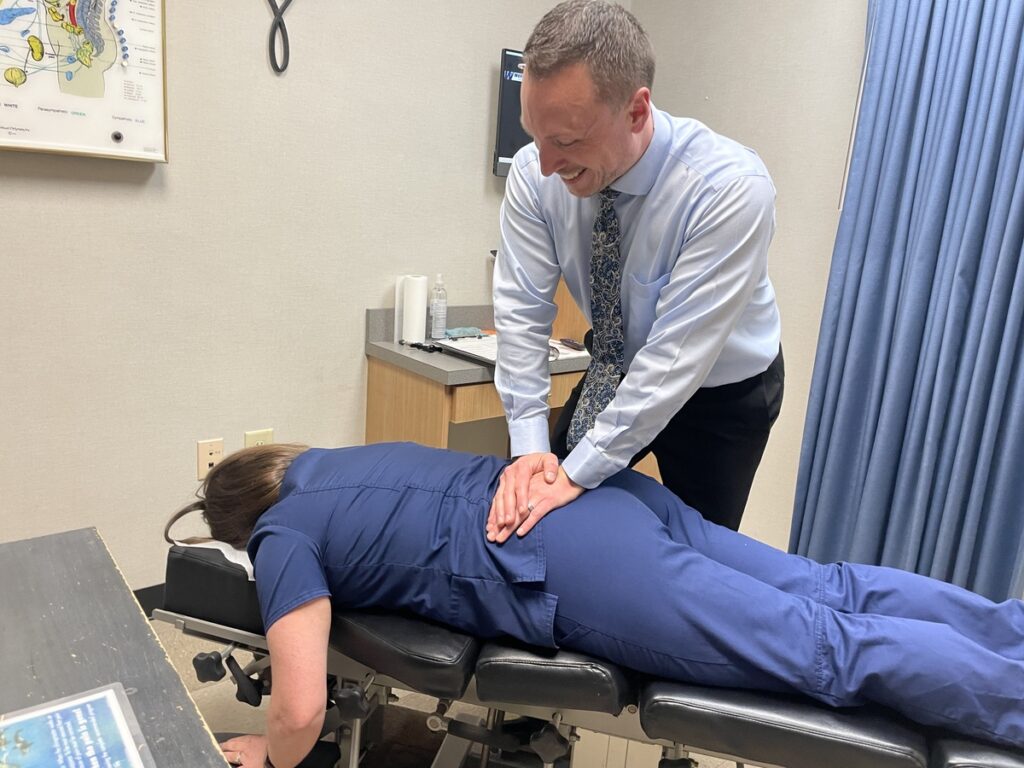
As a chiropractor, I want to emphasize the importance of maintaining perfect posture while working at your desk. Not only does good posture contribute to your overall health, but it can also enhance your productivity. It’s not just about how you sit; it’s about cultivating an ergonomic workspace and incorporating regular movement into your daily routine.
You might be surprised at how small adjustments can lead to significant improvements in your comfort and well-being. Here are some essential strategies to help you transform your workday while promoting spinal health and natural wellness:
- Set Up an Ergonomic Workspace: Ensure your chair supports your lower back, your feet are flat on the floor, and your computer screen is at eye level. These simple adjustments can help prevent strain on your spine.
- Take Regular Breaks: Incorporate short breaks into your routine every 30-60 minutes. Stand up, stretch, and take a quick walk. This movement promotes circulation and helps relieve tension in your muscles.
- Practice Good Sitting Habits: Sit back in your chair with your back straight and shoulders relaxed. Avoid slumping or leaning forward, as this can put unnecessary pressure on your spine.
- Strengthen Your Core: A strong core supports your spine and helps maintain good posture. Incorporate exercises like planks and bridges into your routine to enhance core strength.
- Mind Your Neck and Head: Keep your head aligned with your spine. Avoid craning your neck forward to look at your screen. Consider using a headset for phone calls to reduce neck strain.
- Chiropractic Care: Regular chiropractic adjustments can help maintain spinal alignment, relieve discomfort, and promote optimal health. A chiropractor can provide personalized care that supports your posture and overall wellness.
By implementing these strategies, you can create a healthier work environment and reduce discomfort associated with prolonged sitting. Remember, your journey to better posture doesn’t have to be overwhelming. With small changes and the support of chiropractic care, you can achieve a more comfortable and productive workday. Your path to better health starts here!
Key Takeaways
- Sit with a straight back and relaxed shoulders to support the natural curve of your spine while working. This simple adjustment can significantly reduce discomfort and promote better spinal health.
- Position your computer screen at eye level. This helps avoid unnecessary neck strain and encourages proper alignment, making it easier for your body to function optimally.
- Invest in an ergonomic chair that offers lumbar support. Ensure your feet are flat on the floor and your knees are bent at a 90-degree angle. This setup not only enhances your comfort but also contributes to better posture and spinal alignment.
- Remember to take short breaks every 30 minutes to stretch and move around. These breaks are crucial for resetting your posture and improving circulation, which can help alleviate pain and stiffness.
- Incorporate gentle stretches and core-strengthening exercises into your daily routine. These practices will not only support your spine but also enhance your posture, leading to overall better health and wellness.
As a chiropractor, I encourage you to prioritize your spinal health through these simple yet effective strategies. Chiropractic care can provide you with the tools and treatments necessary for maintaining optimal posture and alleviating pain naturally. Remember, a healthy spine is key to a healthy life!
Understanding the Importance of Posture
As a chiropractor, I want to emphasize the vital role that posture plays in your overall health and productivity, especially if you find yourself sitting at a desk for extended periods. Poor posture can lead to discomfort and pain, making it difficult to focus and perform your best. It can misalign your spine, resulting in tension in your neck, shoulders, and back. When you slouch, you might also limit your breathing, reducing oxygen flow to your brain, which can drain your energy and hinder your concentration.
Conversely, maintaining good posture can work wonders for your well-being. It encourages better blood circulation and helps you feel less fatigued. When your muscles are positioned correctly, they can function more efficiently, preventing unnecessary strain and potential injuries. By being aware of how you sit or stand, you can significantly enhance your comfort and productivity throughout the day.
Here are some simple tips to improve your posture and promote spinal health:
- Check Your Setup: Ensure your chair supports your lower back and that your feet can rest flat on the floor. Your computer screen should be at eye level to avoid straining your neck.
- Take Breaks: Stand up, stretch, and walk around every hour. This not only helps reset your posture but also boosts your circulation and energy levels.
- Strengthen Your Core: Engaging in exercises that strengthen your core muscles can provide better support for your spine and help maintain good posture.
- Be Mindful: Throughout the day, take a moment to check in with your posture. Are your shoulders relaxed? Is your back straight? Adjust as needed.
- Chiropractic Care: Regular visits to a chiropractor can help you maintain proper spinal alignment and address any discomfort you may experience. Chiropractic care focuses on natural healing, helping you achieve optimal health without the need for medications or surgeries.
Setting Up Your Workspace for Success
Creating a workspace that promotes spinal health and overall well-being can significantly enhance your productivity and comfort. As a chiropractor, I understand the importance of proper ergonomics in preventing pain and discomfort. Start by positioning your desk at elbow height; this allows your arms to rest comfortably and promotes a healthier posture. If you’re using a chair, select one that provides adequate support for your lower back, ensuring your feet remain flat on the ground. An adjustable chair can be a valuable investment, as it allows you to find the perfect height for your body.
Next, it’s crucial to set your computer screen at eye level to avoid straining your neck, which can lead to discomfort and misalignment over time. Use a monitor riser or stack some books to achieve this ideal height. Additionally, keep frequently used items within arm’s reach to minimize unnecessary stretching, which can strain your back and shoulders.
Consider the lighting in your workspace as well. Natural light is the best option, as it not only boosts your mood but also reduces eye strain. If natural light isn’t available, use a desk lamp that minimizes glare.
Finally, add a few personal touches to your workspace with inspiring items, but remember to keep it organized. Clutter can lead to distractions and stress, which can negatively affect your spine and overall wellness. A tidy workspace can enhance your focus and contribute to a more enjoyable workday.
The Ideal Sitting Position
To maintain optimal spinal health throughout your workday, it’s crucial to adopt the ideal sitting position. When you sit correctly, you not only reduce strain on your back but also enhance your focus and overall well-being.
Here’s how to achieve that:
- Feet Flat on the Floor: Ensure your feet are flat and firmly planted on the ground, with your knees bent at about a 90-degree angle. This position helps distribute your weight evenly and provides essential support for your lower back, which is vital for preventing discomfort and promoting a healthy spine.
- Back Straight Against the Chair: Sit all the way back in your chair, allowing your lumbar region to receive the support it needs. This alignment helps keep your spine in its natural curve, reducing the risk of pain and tension that can arise from poor posture.
- Elbows Close to Your Body: Position your arms so that your elbows are bent at approximately 90 degrees. This ensures that your wrists remain straight while typing, which helps prevent strain and discomfort in your arms and hands.
By incorporating these simple adjustments into your daily routine, you can significantly improve your spinal health and overall comfort.
Remember, regular chiropractic care can further support your journey to optimal health, helping to alleviate pain and promote natural healing.
Making these small changes today can lead to a healthier, more productive tomorrow!
Ergonomic Accessories to Consider
Investing in ergonomic accessories is a great way to support your health and wellbeing at work, especially when it comes to spinal health. As a chiropractor, I see firsthand how important it’s to maintain proper posture and minimize strain on your body during the long hours we often spend sitting or working at our desks.
First on the list is an adjustable chair. Look for one that offers lumbar support, which helps maintain the natural curve of your spine. This can significantly reduce strain on your lower back and help you maintain good posture, which is key for preventing discomfort and pain.
Next, consider a height-adjustable desk. Alternating between sitting and standing can promote better circulation and reduce the risk of stiffness. If you choose to stand while working, a cushioned standing mat can provide extra comfort for your feet and lower back.
Keyboard and mouse placement is also crucial. An ergonomic keyboard and mouse can help minimize wrist strain, which is essential for avoiding repetitive motion injuries. Adding a wrist rest can provide additional support and help keep your wrists in a neutral position, further protecting your spine.
Finally, using monitor stands or arms can help you position your screen at eye level. This is important for reducing neck strain, which can lead to discomfort and tension headaches.
Taking Breaks and Staying Active
To maintain good posture and support your overall health, it’s essential to schedule regular breaks throughout your workday. As a chiropractor, I often emphasize the importance of these breaks in preventing discomfort and injury.
Incorporating simple stretching exercises can work wonders for relieving tension and keeping your muscles engaged. Remember, tight muscles can lead to misalignments, so a few minutes of stretching can help keep your spine in alignment.
Additionally, consider exploring active workstations, such as standing desks or balance ball chairs. These options can transform how you approach your daily tasks and promote better posture. However, it’s crucial to remember that the best way to ensure your spine remains healthy and aligned is through regular chiropractic care. Chiropractic adjustments can provide targeted relief from pain and help you maintain your body’s natural balance.
Here are a few tips to take away for better health and wellness:
- Take Frequent Breaks: Set a timer to remind you to stand up, stretch, and move around every hour.
- Incorporate Stretching: Simple stretches for your neck, back, and legs can help alleviate tension. Try gentle neck rolls or back stretches throughout the day.
- Stay Active: Find opportunities to walk, whether it’s during a break or while on a phone call. Movement is key to keeping your spine healthy.
- Consider Chiropractic Care: Regular visits to your chiropractor can help maintain your spinal health, relieve pain, and promote overall wellness.
Schedule Regular Breaks
Regularly scheduling breaks is crucial for maintaining both physical and mental well-being, especially when you’re spending long hours at your desk. Taking short, intentional breaks not only rejuvenates your mind and body but also supports spinal health, helping you stay focused and productive. Here are three effective ways to incorporate breaks into your workday that align with your path to optimal health:
- Set a Timer: Use your phone or computer to remind you to take a five-minute break every hour. During this time, step away from your desk and engage in gentle movements. This helps prevent stiffness and promotes spinal alignment, which is essential for overall health.
- Change Your Scenery: Take your break outside or to a different room. Fresh air and a new environment can greatly improve your mood and energy levels. Plus, a little outdoor time can be an excellent way to relax your spine and reduce tension accumulated from prolonged sitting.
- Engage in a Quick Activity: Consider doing a few stretches or light exercises, such as a short walk. These activities not only energize you but also improve circulation, keeping you alert for the tasks ahead. Remember, a healthy spine is crucial for a healthy life, and gentle movement can enhance your overall well-being.
Incorporate Stretching Exercises
While you’re taking breaks, incorporating stretching exercises can significantly enhance your physical comfort and productivity, especially for those of us who spend long hours at a desk.
Simple stretches can help relieve tension in your neck, shoulders, and back, areas that can become stiff and sore from prolonged sitting. As a chiropractor, I can tell you that keeping your spine flexible is crucial for maintaining overall health.
Try standing and reaching your arms overhead, or gently twisting your torso side to side. These movements not only increase blood flow but also promote spinal mobility, which can help alleviate discomfort.
Aim to stretch every hour for just a few minutes. It doesn’t have to be complicated; even a few deep breaths while stretching your legs can work wonders.
By integrating these short stretching routines into your workday, you’ll not only feel more relaxed but also improve your posture and overall well-being.
Explore Active Workstations
After incorporating stretching exercises into your daily routine, it’s important to consider how your workspace can further support your health. Active workstations are a fantastic way to stay on your feet and keep your body moving throughout the day. These setups not only help boost your energy levels but also promote better posture, which is essential for spinal health. Here are three engaging options to explore:
- Standing Desks: Elevating your workspace can encourage you to stand while you work. This not only supports better spinal alignment but also reduces the strain that often comes from sitting for long periods. Remember to shift your weight from one foot to the other and take short breaks to stretch, as this will further enhance your posture and comfort.
- Treadmill Desks: If you’re looking to combine movement with productivity, a treadmill desk may be the right choice for you. Walking at a gentle pace while you work keeps your blood flowing and can sharpen your focus. This low-impact activity can also help alleviate tension in your back, making it a great option for those who experience discomfort from prolonged sitting.
- Balance Ball Chairs: Instead of a conventional chair, consider using a stability ball. This alternative engages your core muscles and encourages better balance as you type. It can also help promote a more upright posture, which is vital for maintaining spinal health. Just be sure to alternate between the ball and a traditional chair to avoid fatigue.
By incorporating these active workstations into your daily routine, you’re taking a proactive step towards a healthier lifestyle. Remember, regular chiropractic care can further enhance your well-being by ensuring your spine is aligned, which supports overall health.
Always listen to your body, and don’t hesitate to reach out to your chiropractor for personalized advice on maintaining a healthy workstation and lifestyle.
Exercises to Improve Posture
To enhance your posture, integrating specific exercises into your daily routine can significantly benefit your overall health and well-being. As a chiropractor, I often emphasize the importance of maintaining a healthy spine, and that starts with proper posture. Engaging in targeted stretching techniques can alleviate tension in your muscles, while strengthening your core supports the spine’s alignment. Here are some effective moves you can easily incorporate into your routine to promote better posture and spinal health.
1. Chest Stretch: Stand tall and clasp your hands behind your back, gently pulling your shoulders back and down. This stretch opens up the chest and counteracts the forward hunch that can come from prolonged sitting.
2. Cat-Cow Stretch: On your hands and knees, alternate between arching your back (cat) and dipping it down (cow). This gentle movement helps mobilize the spine and improve flexibility.
3. Plank: Strengthening your core is crucial for good posture. Start in a push-up position, keeping your body straight from head to heels. Hold for 20-30 seconds, focusing on maintaining a stable core.
4. Wall Angels: Stand with your back against a wall, arms at a 90-degree angle. Slowly slide your arms up and down the wall, keeping contact. This helps strengthen the upper back and improve shoulder mobility.
5. Hip Flexor Stretch: Kneel on one knee, with the other foot in front, and gently push your hips forward. This stretch alleviates tightness in the hip flexors, which can contribute to poor posture.
Incorporating these exercises into your daily routine can help you achieve and maintain a healthier posture. Remember, chiropractic care is an excellent complement to these practices, as it focuses on aligning the spine and enhancing your body’s natural ability to heal. Regular chiropractic adjustments can help keep your spine healthy, reduce pain, and support your journey toward optimal wellness.
Always listen to your body, and if you’re experiencing persistent discomfort, consider scheduling a visit to your local chiropractor for personalized care and guidance.
Stretching Techniques for Relief
Stretching regularly is an essential part of maintaining a healthy spine and overall well-being, especially if you find yourself sitting for long periods. By integrating simple stretches into your daily routine, you can experience significant relief from tension and improve your posture.
Remember, chiropractic care is designed to support your body’s natural healing processes, and these stretches can complement your chiropractic adjustments. Here are three effective stretching techniques to incorporate into your day:
- Neck Stretch: To alleviate neck tension, gently tilt your head to one side while using your hand to apply slight pressure. Hold this position for 15-30 seconds, then repeat on the other side. This stretch can help enhance flexibility and reduce discomfort in the neck area, making your adjustments more effective.
- Shoulder Rolls: To relieve tightness in your shoulders, practice rolling them in a circular motion. Start by rolling forward for 10-15 repetitions, then switch to rolling backward. This simple exercise helps to release built-up tension, allowing your body to respond better to chiropractic care.
- Seated Torso Twist: While sitting, place one hand on the back of your chair and gently twist your torso to one side. Hold this position for 15-30 seconds before switching to the other side. This twist not only enhances spinal mobility but also complements the work done during your chiropractic sessions.
By incorporating these stretches into your daily routine, you can promote natural healing and maintain a healthier spine. Remember, chiropractic care is your best ally in achieving optimal health and wellness.
Take charge of your well-being today!
Strengthening Core Muscles
Strengthening your core muscles is crucial for enhancing your posture and supporting your spine, particularly if you find yourself sitting at a desk for long periods. A strong core acts as a stabilizer for your body, helping you maintain an upright position without unnecessary strain.
One effective exercise to get started is the plank. This exercise engages your entire core. Aim to hold a plank for 30 seconds and gradually increase the duration as you get stronger.
Another great exercise is the bridge, which targets your lower back and glutes. Simply lie on your back, lift your hips off the ground, and hold for a few seconds.
If you want to keep your muscles active throughout your workday, try seated leg lifts while at your desk. These can be done discreetly and help engage your core even while you’re working. Additionally, include some twists into your routine to enhance spinal mobility; these can be done standing or seated.
Regularly practicing these exercises not only builds strength but also supports better posture, which is essential for your overall health. Remember, chiropractic care can also play a vital role in maintaining a healthy spine. By addressing any misalignments and ensuring your nervous system functions optimally, chiropractic adjustments complement your core-strengthening efforts. For optimal health, consider integrating chiropractic care into your wellness routine.
Mindfulness and Body Awareness
Practicing mindfulness and body awareness can significantly enhance your workday experience and contribute to your overall health.
By paying attention to your body and surroundings, you can improve your posture, reduce discomfort, and support your spine’s well-being. Here are three simple techniques to incorporate mindfulness that complement chiropractic care:
- Check-in with Your Body: Every hour, take a moment to close your eyes and perform a quick scan from head to toe. Notice any areas of tension, especially in your neck and back. Consciously relax these areas to promote spinal health and reduce stress on your body.
- Breath Awareness: Spend a few minutes focusing on your breath. Inhale deeply through your nose, allowing your belly to expand, and then exhale slowly. This practice not only calms your mind but also helps realign your posture. Proper breathing supports your spine by reducing tension and promoting relaxation.
- Movement Breaks: Set a timer for short breaks throughout your workday. Stand up, stretch your arms overhead, and gently twist your torso. This keeps your muscles engaged, promotes circulation, and prevents stiffness that can lead to discomfort and misalignment. Regular movement is essential for maintaining a healthy spine.
By integrating these mindfulness techniques into your daily routine, you can support your overall wellness and experience the benefits of chiropractic care.
Long-term Benefits of Good Posture
Good posture not only enhances your comfort but also provides numerous long-term benefits that can significantly improve your overall well-being. As a chiropractor, I can assure you that maintaining proper alignment can lead to increased muscle strength and flexibility, which in turn reduces the risk of injuries. Furthermore, good posture can boost your confidence, making you feel more assertive and engaged in your daily activities.
Let’s take a closer look at the long-term benefits of good posture and how chiropractic care can support you in achieving it:
| Benefit | Description | Impact on Daily Life |
|---|---|---|
| Reduced Back Pain | Alleviates strain on the spine | Increased comfort while sitting or standing |
| Enhanced Breathing | Opens up the chest and lungs | Improved energy levels throughout the day |
| Better Digestion | Supports organs in their prime alignment | Reduced bloating and discomfort after meals |
| Increased Focus | Enhances blood flow to the brain | Better concentration and productivity at work |
| Boosted Mood | Encourages a more positive outlook | Higher overall productivity and happiness |
Adopting good posture is not just about looking good; it’s about feeling good too. Regular chiropractic adjustments can help align your spine and promote better posture. Here are a few simple tips you can incorporate into your daily life to help maintain good posture:
- Be Mindful of Your Alignment: Whether sitting at a desk or standing, keep your shoulders back, chest open, and neck aligned with your spine.
- Take Breaks and Move: If you spend a lot of time sitting, make it a habit to stand up and stretch every 30 minutes. This can alleviate tension and improve circulation.
- Strengthen Your Core: Engage in exercises that strengthen your core muscles, as a strong core supports a healthy posture.
- Use Ergonomic Furniture: Invest in an ergonomic chair and desk setup that promotes proper alignment and reduces strain on your body.
- Stay Active: Regular physical activity, like walking or yoga, can help keep your muscles flexible and strong, supporting better posture.
Conclusion
By prioritizing your posture, you can significantly boost your comfort and productivity while working at your desk. Setting up your workspace with ergonomics in mind is essential for supporting your spine. Ensure your chair provides proper lumbar support and that your computer screen is at eye level to prevent straining your neck.
Maintaining an ideal sitting position is crucial—keep your feet flat on the ground, your hips pushed back in the chair, and your back straight. Regular movement is also vital; take breaks to stretch and walk around, which helps alleviate tension and encourages better circulation.
In addition to these adjustments, strengthening your core muscles can provide much-needed support for your spine. Simple exercises like planks or bridges can make a noticeable difference over time. Practicing mindfulness techniques, such as deep breathing or gentle stretches, can also improve your awareness of body alignment throughout the day.
Chiropractic care is an excellent choice for achieving and maintaining optimal posture. Regular adjustments can help correct misalignments in your spine, alleviate pain, and enhance your overall well-being. By incorporating these strategies into your daily routine, you’ll not only feel better but also enjoy long-term health benefits. Start implementing these secrets today, and experience a transformative difference in your desk experience!