If you’re eager to enhance your flexibility, understanding the right techniques is crucial. It goes beyond mere stretching; it encompasses a blend of dynamic movements, targeted exercises, and mindful recovery practices. By weaving these simple strategies into your daily routine, you can significantly improve your range of motion while also promoting overall spinal health.
As a chiropractor, I can’t stress enough how essential spinal alignment is for achieving optimal flexibility. When your spine is properly aligned, your body functions better, allowing for greater movement and reduced discomfort. Here are some effective tips and techniques to help you on your journey to improved flexibility:
- Incorporate Dynamic Stretching: Before any physical activity, try dynamic stretches, like arm circles and leg swings. These movements warm up your muscles and prepare your joints for more extensive stretching.
- Focus on Targeted Exercises: Engage in exercises that specifically target areas of tightness. For instance, yoga poses such as Downward Dog or Child’s Pose can help lengthen and relax your muscles.
- Practice Mindful Recovery: After any physical activity, take time to cool down. Gentle stretches and breathing exercises can help your body recover and maintain flexibility.
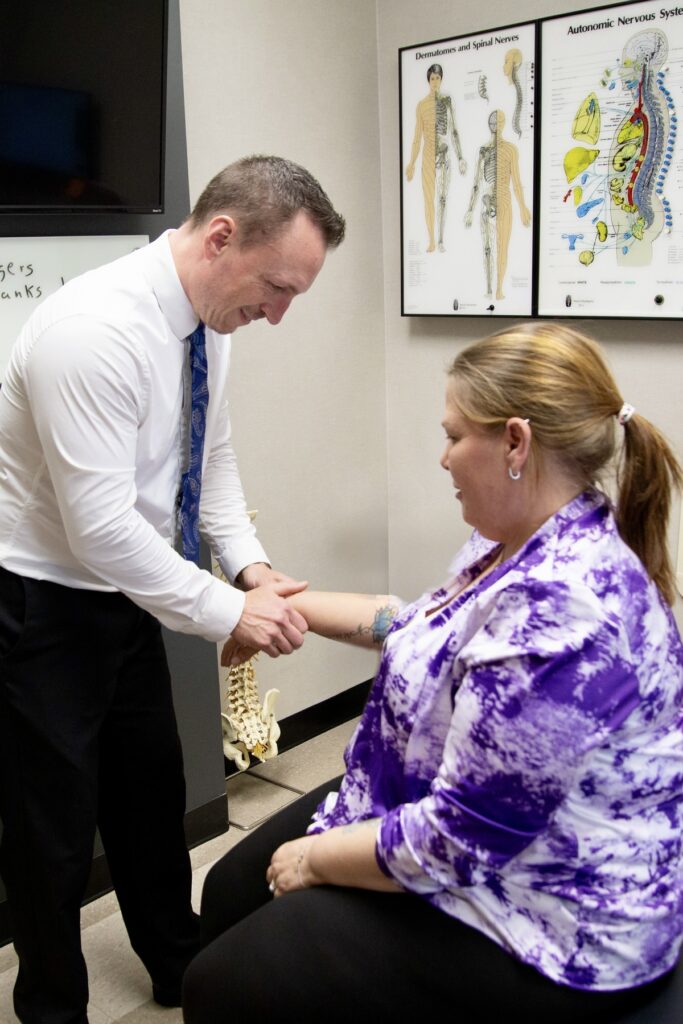
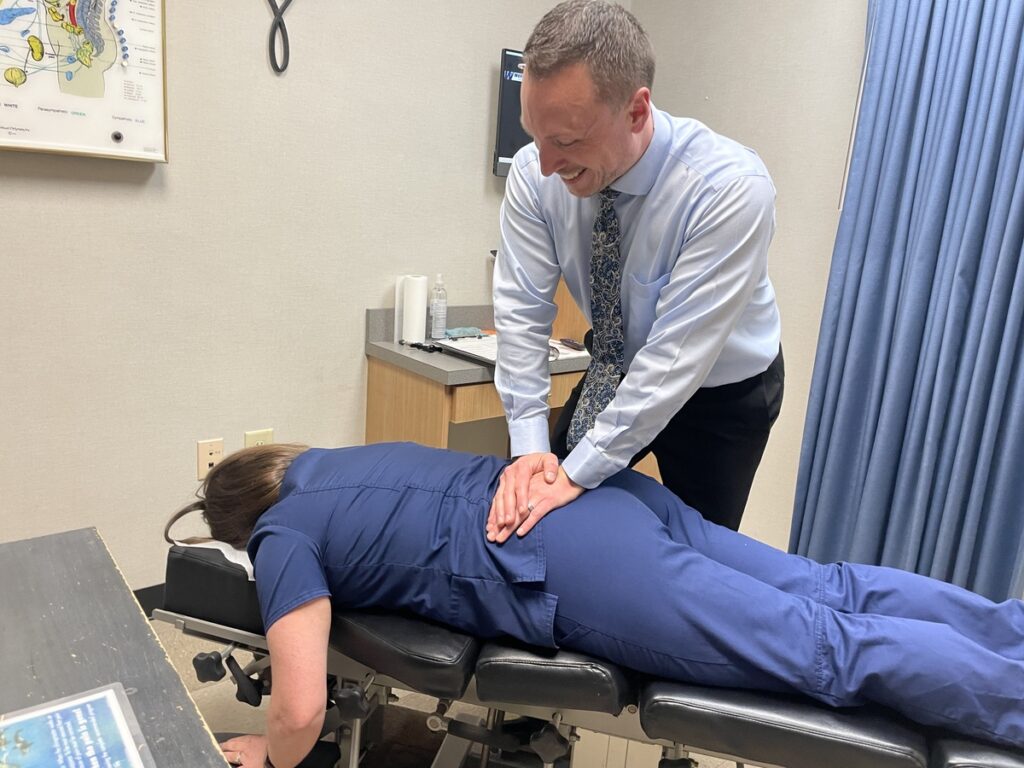
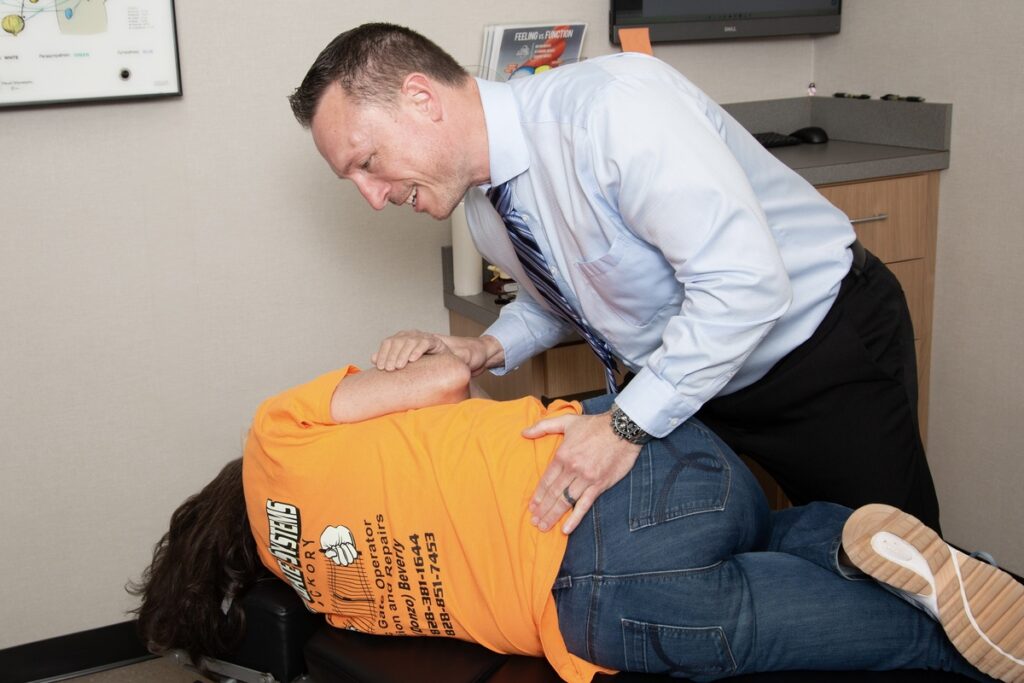
- Consider Regular Chiropractic Care: Regular visits to your chiropractor can greatly enhance your flexibility. Chiropractic adjustments help align your spine, relieve tension, and improve your overall mobility.
- Stay Hydrated: Drinking plenty of water is vital for muscle function and elasticity. Staying hydrated helps keep your tissues supple and ready for movement.
- Listen to Your Body: Pay attention to your body’s signals. If you feel pain during stretching or movement, it’s a sign to stop and reassess. Gentle movements should never cause discomfort.
By incorporating these techniques into your routine, not only can you improve your flexibility, but you’ll also support your spinal health and overall well-being. Remember, achieving optimal health is a journey, and chiropractic care can be an invaluable part of that process. Let’s commit to a healthier, more flexible future together!
Key Takeaways
Boost Your Flexibility With Effective Techniques
- To improve your flexibility and overall well-being, consider incorporating gentle stretching into your daily routine. Pay special attention to tight areas such as your back, hips, and legs. This practice can help alleviate tension and support a healthy spine.
- Dynamic stretching techniques, like leg swings and walking lunges, are excellent ways to prepare your muscles for activity. These movements can enhance your range of motion while promoting a balanced and aligned body—key principles in chiropractic care.
- Engaging in mind-body practices such as yoga or Pilates can greatly support your journey toward flexibility and core strength. These disciplines not only enhance your physical health but also foster relaxation and mental clarity, aligning with the holistic approach of chiropractic care.
- Regularly using a foam roller can be beneficial for relieving muscle tightness and improving circulation. This practice can complement your chiropractic adjustments, helping to enhance flexibility and accelerate recovery.
- Lastly, don’t forget the importance of staying hydrated and warming up properly before any physical activities. Proper hydration and warm-ups are crucial for maintaining muscle function, preventing injuries, and ensuring your spine stays healthy and aligned.
By embracing these techniques, you’re not just promoting flexibility; you’re also supporting your overall health and well-being. Remember, chiropractic care is a fantastic natural option for achieving optimal health, providing pain relief and enhancing your quality of life without the need for invasive procedures or medications.
Understanding Flexibility and Its Benefits
Flexibility is more than just the ability to touch your toes; it’s essential for your overall physical health and well-being. It refers to the range of motion in your joints and muscles, allowing you to move freely without pain or restriction. When your body is flexible, everyday activities become easier and more efficient, and this can significantly enhance your athletic performance.
Incorporating flexibility training into your routine can lead to reduced muscle tension and a lower risk of injuries. As a chiropractor, I often see how improved flexibility contributes to better spinal health, allowing your body to function optimally. You may notice that daily tasks like bending down to pick something up or reaching for an item on a high shelf become much less challenging.
Moreover, flexibility plays a crucial role in maintaining good posture. Proper posture is vital for preventing back pain and discomfort, which is something I often address in my practice. When your muscles and joints are flexible, they can support your spine better, reducing strain and the likelihood of pain.
Here are some simple tips to improve your flexibility and overall health:
- Gentle Stretching: Incorporate gentle stretches into your daily routine. Focus on areas that feel tight, such as your back, hips, and legs. Even a few minutes each day can make a difference.
- Stay Hydrated: Drinking plenty of water helps keep your muscles hydrated and functioning well, which can aid in flexibility.
- Warm Up Properly: Before engaging in any physical activity, take time to warm up your muscles. This can prevent injuries and help your body move more freely.
- Chiropractic Care: Regular visits to a chiropractor can help maintain your spine’s health and improve your flexibility. Chiropractic adjustments can align your spine and joints, enhancing your range of motion and eliminating pain.
- Mind-Body Practices: Consider activities like yoga or Pilates, which focus on flexibility and core strength. These practices can complement your chiropractic care and promote overall wellness.
Dynamic Stretching Techniques
Incorporating dynamic stretching techniques into your warm-up routine can significantly improve your flexibility and overall performance, making it a great complement to chiropractic care. Unlike static stretches, dynamic stretches involve movement, which helps increase blood flow and prepares your muscles for the activity ahead.
Start with leg swings: stand next to a wall for support and swing one leg forward and backward, gradually increasing your range of motion. This not only warms up your legs but also engages your hips, which is essential for maintaining a healthy spine.
Next, consider walking lunges; step forward into a lunge while keeping your knee aligned with your toes. This exercise is excellent for strengthening your lower body and improving balance, which can help alleviate stress on your spine. Alternate legs for a complete stretch.
Arm circles are also beneficial; extend your arms out to the sides and make small circles, gradually increasing their size. This helps loosen up your shoulders and upper back, areas that often hold tension and can benefit from chiropractic adjustments.
You could also perform high knees or butt kicks to engage your core and lower body. These movements not only prepare your muscles for action but also help improve your posture, which is crucial for spinal health. Aim for 10-15 repetitions of each exercise.
The Power of Yoga for Flexibility
If you’re looking to enhance your flexibility and overall wellness, incorporating yoga into your routine can be a wonderful addition. This ancient practice not only offers physical postures but also emphasizes the importance of breath control and mindfulness. By engaging in yoga, you can promote a holistic approach to health that aligns well with chiropractic care.
As you practice various poses like downward dog and pigeon, you activate different muscle groups, fostering balance and strength. This can be particularly beneficial for spinal health, as increased flexibility helps support proper alignment. Regular yoga practice teaches you to listen to your body, encouraging mindful movement that can help prevent injuries and discomfort.
For those of you seeking to improve flexibility, consider incorporating yoga into your weekly routine. Just a few sessions can lead to noticeable improvements in your flexibility and overall mobility. Remember, chiropractic care can further enhance these benefits by ensuring your spine is in proper alignment, allowing your body to function optimally.
In addition to yoga, here are a few tips to support your flexibility journey and spinal health:
- Stay Hydrated: Keeping your body well-hydrated helps maintain muscle elasticity and joint lubrication.
- Warm Up: Always take time to warm up before stretching to prepare your muscles and reduce the risk of injury.
- Focus on Your Breath: Deep, mindful breathing during yoga can help you relax and increase your range of motion.
- Listen to Your Body: Pay attention to how your body feels during practice and adjust poses as needed to avoid strain.
- Combine with Chiropractic Care: Regular chiropractic adjustments can improve your spinal alignment, which can further enhance your flexibility and overall wellness.
Foam Rolling: A Key to Muscle Recovery
Foam rolling is a fantastic tool that can significantly support your muscle recovery and overall well-being.
By regularly using a foam roller, you can apply gentle pressure to specific areas of your body, helping to ease knots and tightness in your muscles. This process encourages better blood flow, which is essential for delivering nutrients to your muscles and speeding up recovery after physical activities.
Incorporating foam rolling into your routine not only helps minimize soreness but also enhances your flexibility.
Think of it as giving your muscles a soothing deep tissue massage, which can relieve tension and improve your range of motion. You may notice a remarkable difference in how your body feels when you take a few minutes to roll out your muscles before and after exercise.
While foam rolling is beneficial, it’s important to remember that chiropractic care plays a crucial role in achieving optimal health and wellness.
As a chiropractor, I encourage you to consider how spinal health impacts your overall physical performance. Regular chiropractic adjustments can complement your foam rolling practice by ensuring that your spine is aligned, which can further enhance circulation and promote healing throughout your body.
Here are a few tips to help you get the most out of your foam rolling experience:
- Focus on Your Breath: As you roll out tight areas, practice deep breathing. This will help relax your muscles and enhance the effectiveness of the foam rolling.
- Be Mindful of Tension: If you hit a particularly tight spot, pause and apply gentle pressure for 20-30 seconds. Allow your muscles to relax before continuing.
- Consistency is Key: Try to incorporate foam rolling into your routine a few times a week. Consistency will yield better results and enhance your recovery process.
- Pair with Chiropractic Care: Don’t forget to include regular visits to your chiropractor in your wellness routine. This can help maintain your spinal alignment and overall health, making your foam rolling even more effective.
By combining foam rolling with chiropractic care, you can create a powerful approach to achieving pain relief and enhancing your overall health naturally.
Targeted Exercises to Enhance Flexibility
To enhance your flexibility and overall well-being, incorporating targeted exercises into your daily routine can be incredibly beneficial. As a chiropractor, I believe in the power of natural healing and movement to support your health. By focusing on key muscle groups, you can improve your flexibility and reduce discomfort, which complements the benefits of chiropractic care.
Here are a few simple exercises you can do at home:
- Hamstring Stretch: Sit on the floor and extend one leg out in front of you. While keeping your back straight, gently reach toward your toes. This stretch helps relieve tension in your lower back and legs. Hold for 20-30 seconds, then switch legs. Remember, flexibility takes time, so be patient with yourself!
- Hip Flexor Lunge: Step forward into a lunge position, ensuring your front knee is directly above your ankle while keeping your back leg straight. Lower your hips down gently; you should feel a nice stretch in your hip flexors. This can alleviate tightness that often contributes to back pain. Hold for 20-30 seconds on each side.
- Shoulder Stretch: Bring one arm across your body and use the opposite arm to gently pull it closer to your chest. This stretch opens up your shoulders and upper back, which can become tight from daily activities. Hold for 20-30 seconds on each side to help improve posture and reduce tension.
Incorporating these exercises regularly can significantly enhance your flexibility and range of motion, complementing the adjustments and care you receive through chiropractic treatment.
Conclusion
Incorporating these effective techniques into your routine can significantly enhance your flexibility and overall well-being, while also promoting spinal health. As a chiropractor, I recommend combining dynamic stretching, yoga, and foam rolling to support your body’s natural range of motion and aid in recovery.
Consistency is key—make these practices a regular part of your day. Remember to stay hydrated, as proper hydration is essential for joint health and muscle function. Be patient with your progress; flexibility takes time to develop, but with dedication, you’ll notice improvements that enhance your daily activities.
Chiropractic care is an excellent way to support your journey toward greater flexibility. By aligning your spine and ensuring optimal nervous system function, chiropractic adjustments can help alleviate pain and improve your overall health. So, why not take the first step today? Embrace the journey to greater flexibility and experience the natural healing benefits of chiropractic care!