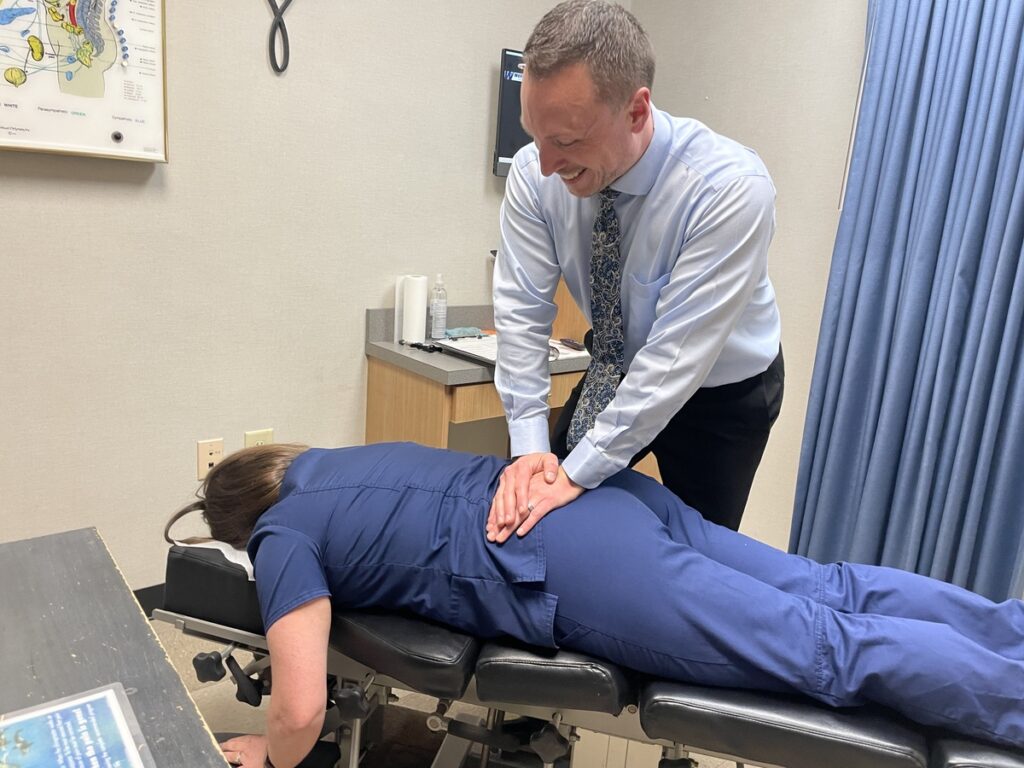
If you’re grappling with chronic tension headaches, you might be surprised to discover that relief can often be found without relying on medication. As a chiropractor, I believe that simple lifestyle adjustments and natural therapies can have a significant impact on your well-being. By focusing on the health of your spine and nervous system, you can experience lasting relief from headaches.
One effective strategy is to create an ergonomic workspace. Adjusting your chair, desk height, and computer screen can help reduce strain on your neck and shoulders, which are often culprits in tension headaches. Be mindful of your posture throughout the day—sitting up straight and using proper body mechanics can alleviate unnecessary pressure on your spine.
Incorporating mindfulness techniques, such as deep breathing exercises or gentle stretching, can also play a crucial role in managing headache frequency. These practices not only promote relaxation but also help to reduce muscle tension.
Additionally, regular chiropractic care is a fantastic way to maintain spinal health and promote overall wellness. Chiropractic adjustments can improve spinal alignment, relieve muscle tension, and enhance your body’s natural ability to heal itself. Many patients report a significant reduction in headache frequency after incorporating chiropractic care into their wellness routines.
Consider integrating these approaches into your daily life and see how they transform your experience with chronic tension headaches. Remember, prioritizing your spinal health and making simple lifestyle changes can lead to a lasting improvement in your quality of life. Let’s work together towards a healthier, headache-free future!
Key Takeaways
- Regular chiropractic adjustments are key in relieving muscle tension in the neck and shoulders, offering significant relief from chronic tension headaches. By realigning the spine, chiropractic care helps restore proper function and balance to the body, reducing pain and discomfort.
- Staying hydrated is essential for overall health, and it’s especially important for headache prevention. Aim to drink at least eight 8-ounce glasses of water each day to help keep headache triggers at bay and lessen their intensity. Proper hydration supports spinal health, too!
- Creating an ergonomic workspace and practicing good posture can greatly reduce spinal strain, which is crucial for preventing tension headaches. Simple adjustments, like using a chair that supports your lower back and keeping your monitor at eye level, can make a big difference in how you feel.
- Engaging in regular physical activity, such as brisk walking or yoga, is beneficial for your overall well-being. These activities improve circulation and release feel-good hormones called endorphins, which can help alleviate headache symptoms. Plus, they promote a strong and flexible spine, supporting your overall health.
- Mindfulness techniques, like deep breathing exercises, can be incredibly helpful in managing stress and reducing muscle tension. These practices calm the nervous system and can enhance the effectiveness of chiropractic care, making it easier for you to find relief from headaches naturally.
Embracing chiropractic care along with these simple lifestyle changes can lead you on a path to optimal health and wellness, allowing you to live a life free from the burden of chronic tension headaches.
Understanding Chronic Tension Headaches
Chronic tension headaches can significantly interfere with your daily activities and overall quality of life. These headaches often arise from muscle tension in the neck, shoulders, and scalp and may be triggered by stress, poor posture, or inadequate sleep. You may experience a persistent, dull ache that becomes more intense as the day goes on, making it difficult to focus on your responsibilities. Unlike migraines, tension headaches typically don’t come with nausea or severe sensitivity to light, but they can still be quite debilitating.
To effectively manage chronic tension headaches, it’s crucial to identify your specific triggers. For many, these headaches occur after prolonged hours at a computer or during particularly stressful times. By understanding what causes your headaches, you can take proactive steps toward relief.
Chiropractic care is an excellent option for addressing the root causes of tension headaches. A chiropractor can help alleviate muscle tension in your neck and shoulders through targeted adjustments and therapies. These treatments not only provide immediate relief but also contribute to long-term wellness by improving spinal alignment and overall body function.
In addition to chiropractic care, there are several simple tips you can incorporate into your routine to help reduce the frequency and intensity of tension headaches:
- Practice Good Posture: Ensure that your workspace is ergonomically friendly. Keep your computer screen at eye level and your chair adjusted to support your lower back.
- Stay Hydrated: Dehydration can contribute to headaches, so be sure to drink plenty of water throughout the day.
- Take Breaks: If you’re working at a desk, remember to take short breaks to stretch and move around. This can help alleviate muscle tension.
- Manage Stress: Incorporate relaxation techniques such as deep breathing, meditation, or yoga into your daily routine to help lower stress levels.
- Prioritize Sleep: Aim for a consistent sleep schedule and ensure you’re getting enough restful sleep each night.
If your headaches persist or worsen, seeking the expertise of a chiropractor can help you find natural, effective relief without the need for medications or invasive procedures. Your journey to optimal health and wellness may be just a chiropractic visit away!
Mindfulness Techniques for Pain Relief
Practicing mindfulness can be an excellent way to manage pain, including chronic tension headaches, and it works hand in hand with chiropractic care. By focusing on the present moment, you can alleviate the stress and tension that often contribute to your headaches. One of the simplest techniques to start with is deep breathing exercises—take slow, deep breaths, allowing your abdomen to rise and fall. As you breathe, pay attention to the sensations in your body, particularly any areas of tightness that may need extra care.
Another effective technique is guided imagery. Imagine a peaceful place—such as a beach or a forest—and immerse yourself in the sights, sounds, and smells of that environment. This mental escape can help distract you from pain while promoting relaxation, complementing the benefits of your chiropractic adjustments.
Incorporating mindfulness into your daily routine can greatly enhance its effectiveness in conjunction with chiropractic care. Set aside a few minutes each day for practices like meditation or gentle yoga. These techniques not only help alleviate headaches but also empower you to manage stress more effectively. When combined with chiropractic care, you can achieve a healthier, more balanced life.
Dietary Changes That May Help
Making dietary changes can significantly enhance your overall health and may help you manage tension headaches more effectively. As a local chiropractor, I believe in the power of natural healing and how the right nutrition can support your spine and well-being. By being mindful of what you eat, you can either aggravate or alleviate your symptoms.
Here’s a straightforward guide to foods that can help you feel better and those you might want to steer clear of:
| Foods to Include | Foods to Avoid |
|---|---|
| Leafy greens | Processed snacks |
| Whole grains | Aged cheeses |
| Omega-3 rich fish | Caffeinated beverages |
| Hydrating fruits | Alcohol |
Incorporating more leafy greens and omega-3 rich fish into your meals can provide essential nutrients that help reduce inflammation, which is key in managing headaches. Staying well-hydrated is also crucial, so choose hydrating fruits like watermelon to keep your body nourished.
On the other hand, it’s wise to limit processed snacks and aged cheeses, as these can contribute to headache pain. As you make these simple dietary adjustments, remember that chiropractic care can further support your journey to optimal health. Regular chiropractic adjustments can help align your spine, improve your nervous system function, and reduce pain, allowing your body to heal naturally.
Exploring Alternative Therapies
When it comes to managing tension headaches, chiropractic care is one of the most effective options you can explore. As a chiropractor, I’m dedicated to helping you achieve optimal health through natural healing. Chiropractic adjustments focus on aligning your spine and relieving tension in your body, which can significantly reduce headache pain.
In addition to chiropractic care, incorporating mindfulness techniques such as meditation and yoga into your routine can be incredibly beneficial. These practices promote relaxation and teach you how to manage stress—one of the main triggers for headaches. Simple breathing exercises can also help calm your mind and ease tension.
Another natural approach is the use of essential oils. Oils like lavender and peppermint are known for their soothing properties. You can apply them to your temples or inhale their calming scents to find some relief.
Lastly, biofeedback is a great tool to consider. This technique helps you learn how to control certain bodily functions, which can lead to fewer headaches and less discomfort over time.
The Role of Hydration in Headache Management
Staying hydrated is crucial for managing headaches, as your water intake plays a significant role in your overall health and wellness. When you’re not drinking enough water, you may experience signs of dehydration such as fatigue or a dry mouth, which can lead to tension headaches. As a chiropractor, I want to emphasize that maintaining proper hydration isn’t just about drinking water; it’s also about supporting your body’s natural healing processes and ensuring your spine is functioning optimally.
Here are some simple tips to help you stay hydrated and potentially alleviate headache symptoms:
- Drink Water Regularly: Make it a habit to sip water throughout the day. Keep a water bottle with you as a reminder to stay hydrated.
- Incorporate Hydrating Foods: Fruits and vegetables, such as cucumbers, oranges, and watermelon, have high water content and can contribute to your daily hydration needs.
- Limit Caffeine and Alcohol: Both caffeine and alcohol can contribute to dehydration. If you enjoy these beverages, be sure to balance them with extra water intake.
- Listen to Your Body: Pay attention to signs of dehydration. If you notice dryness in your mouth or fatigue, it’s time to drink more water.
- Consider Your Environment: If you’re in a hot or dry climate, you may need to increase your water intake to compensate for the extra moisture loss.
- Chiropractic Care: Regular chiropractic adjustments can help improve your overall health, including proper hydration. When your spine is aligned, your body can function more effectively, including the absorption and distribution of fluids.
By prioritizing hydration and considering the benefits of chiropractic care, you can take proactive steps towards managing headaches and enhancing your overall wellness.
Importance of Water Intake
Hydration is essential not only for your overall health but also plays a significant role in managing chronic tension headaches. When you’re properly hydrated, your body operates more efficiently, which can help reduce the frequency and intensity of these headaches.
As a chiropractor, I encourage you to aim for at least eight 8-ounce glasses of water each day. However, this amount may need to be adjusted depending on your activity level and the climate you live in. If you’re active or in a warmer environment, you may require additional fluids.
To remind yourself to drink water throughout the day, keep a water bottle nearby. It’s also beneficial to include hydrating foods in your diet, such as fruits and vegetables, which can contribute to your daily water intake. By prioritizing hydration, you’re taking a proactive step in minimizing headache triggers while promoting your overall well-being.
Chiropractic care can also support your journey to optimal health. Regular adjustments can improve spinal alignment, which may enhance your body’s ability to cope with stress and tension—common contributors to headaches.
Signs of Dehydration
Dehydration can creep up on us and often presents symptoms that may be confused with other health issues. As a chiropractor, I want to emphasize the importance of staying attuned to your body, especially when it comes to managing headaches and overall wellness. Here are four key signs of dehydration that you should be mindful of:
- Dry Mouth and Increased Thirst: If you find yourself feeling unusually thirsty or experiencing a dry mouth, it’s a clear signal that your body needs more hydration.
- Fatigue: Low energy levels can often be a result of not drinking enough water. Staying hydrated helps keep your energy up, which is essential for maintaining a healthy spine and overall wellness.
- Headaches: If you’re dealing with frequent or worsening headaches, dehydration might be the culprit. Proper hydration supports your body’s functions and can alleviate tension in your spine.
- Dark Urine: A change in urine color to a darker shade can indicate that your body needs more fluids. Aim for lighter-colored urine as a sign that you’re properly hydrated.
Being aware of these signs allows you to take proactive steps to ensure your body is functioning optimally, which can help prevent chronic tension headaches and support your overall health.
Remember, proper hydration is crucial not just for headache management but also for maintaining a healthy spine and well-being.
Incorporating good hydration habits into your daily routine and complementing them with chiropractic care can lead to a more vibrant, pain-free life. Make sure to drink enough water throughout the day and consider consulting your chiropractor to explore holistic approaches for managing tension and promoting wellness!
The Benefits of Regular Exercise
Regular exercise is a powerful tool for enhancing your blood circulation, which is essential for delivering oxygen and nutrients to both your muscles and brain. Improved circulation can lead to better overall health, and when combined with chiropractic care, it can significantly aid in reducing stress—one of the leading causes of tension headaches.
As a local chiropractor, I encourage you to make physical activity a regular part of your routine. Not only can this boost your mood and energy levels, but it also supports your body’s natural healing processes. While exercise is beneficial, it’s important to remember that proper spinal alignment plays a crucial role in your overall well-being.
To maximize your health and find relief from headaches, consider these tips:
- Incorporate gentle stretches: These can help maintain flexibility and reduce tension in your neck and shoulders, areas often affected by headaches.
- Focus on posture: Whether you’re at work or at home, being mindful of your posture can help alleviate strain on your spine.
- Combine chiropractic care with exercise: Regular visits to your chiropractor can help ensure that your spine is properly aligned, making your body more responsive to the benefits of exercise.
Improved Blood Circulation
Engaging in consistent exercise can significantly improve your blood circulation, which is vital for your overall health. Enhanced circulation plays a crucial role in delivering oxygen and nutrients to your muscles and organs, allowing them to function at their best. As a chiropractor, I often see the benefits that regular exercise brings, particularly when it comes to alleviating chronic tension headaches. Here are some simple ways exercise can help:
- Better oxygen flow: When you exercise, your blood flow improves, which means more oxygen reaches your brain. This can help reduce the triggers that lead to headaches.
- Nutrient delivery: Good circulation ensures your body gets the essential nutrients it needs to function well, supporting your overall wellness.
- Boosted energy levels: With improved circulation, you’ll feel more energized throughout the day, making it easier to avoid fatigue-related headaches.
- Relaxed muscles: Better blood flow helps to relax tight muscles, which can alleviate the tension that often leads to headaches.
Incorporating regular exercise into your routine can truly make a difference in how you feel.
Additionally, don’t forget the importance of maintaining good spinal health. Regular chiropractic adjustments can enhance your body’s ability to function properly and improve circulation even further.
Together, exercise and chiropractic care can be powerful allies in achieving optimal health and wellness. Remember to listen to your body, and consult with your chiropractor to find the best exercise plan for you!
Stress Reduction Techniques
Incorporating exercise into your daily routine is not just beneficial for your physical health; it can also be a powerful tool for reducing stress. As a chiropractor, I want to emphasize how regular physical activity can complement your overall wellness and enhance the benefits of chiropractic care. When you engage in exercise, your body releases endorphins, which not only lift your mood but also help alleviate tension and stress. Even a simple brisk walk can provide mental clarity and contribute to your well-being.
Here’s how exercise can positively impact your emotions and how you can respond for better health:
| Emotion | Exercise Impact | Your Response |
|---|---|---|
| Anxiety | Decreased tension | Focus on deep breathing and relaxation techniques during your walk. |
| Frustration | Improved focus | Use your workout time to clear your mind and set intentions for the day. |
| Fatigue | Increased energy levels | Incorporate stretches or light exercises to invigorate your body and enhance your chiropractic adjustments. |
Stress Management Strategies
To effectively manage stress and alleviate the frequency of chronic tension headaches, it’s essential to adopt strategies that align with a holistic approach to health and wellness. As a chiropractor, I believe that chiropractic care can significantly contribute to your overall well-being by addressing the root causes of tension and discomfort.
Here are four effective stress management techniques you can incorporate into your daily routine, alongside regular chiropractic adjustments:
- Mindfulness Meditation: Dedicate a few minutes each day to focus on your breath and clear your mind. This practice not only calms your mind but can also help improve spinal alignment by promoting relaxation throughout your body. A relaxed state can reduce tension in the muscles surrounding the spine, enhancing the benefits of chiropractic care.
- Physical Activity: Engage in regular exercise, such as brisk walking, yoga, or any activity that you enjoy. Movement is vital for maintaining spinal health and overall wellness. Exercise releases endorphins, which help elevate your mood and reduce stress. Remember, a strong and flexible body supports a healthy spine!
- Time Management: Organize your day to minimize stress. By prioritizing your tasks and setting achievable deadlines, you can create a more manageable schedule that reduces feelings of overwhelm. A well-structured day allows you to focus on self-care, including your chiropractic visits, which are essential for maintaining optimal health.
- Social Connections: Nurturing relationships with friends and family is crucial for emotional support and stress relief. Sharing your experiences and feelings can lighten your load and foster a sense of community. Plus, enjoying time with loved ones can lead to laughter and joy, which are great for your overall health and can complement the benefits of chiropractic care.
In conclusion, incorporating these stress management techniques into your life can significantly enhance your well-being. Coupled with regular chiropractic adjustments, you can achieve a more balanced, healthy lifestyle that promotes natural healing and pain relief.
When to Seek Professional Help
Recognizing when to seek professional help for chronic tension headaches is crucial for your overall health and well-being. If your headaches persist for more than a few days or significantly interfere with your daily activities, it’s important to consult a healthcare provider. Pay close attention to any new symptoms, such as changes in vision, nausea, or intense pain, as these could signal more serious issues.
However, you don’t need to wait for the pain to become unbearable. If you find that over-the-counter medications aren’t providing the relief you need, or if you find yourself relying on them too often, it’s a good idea to explore other options. Chiropractic care can be an excellent choice for addressing chronic headaches naturally. A skilled chiropractor can help assess your condition, identify possible underlying causes related to spinal health, and recommend effective treatment plans that focus on natural healing.
Chiropractic adjustments can help relieve tension in the neck and spine, which may be contributing to your headaches. Additionally, regular chiropractic care promotes better posture and alignment, which can play a significant role in preventing headaches in the future.
Incorporating healthy lifestyle habits can also make a difference. Staying hydrated, practicing stress-reduction techniques like yoga or meditation, and ensuring you have a comfortable workspace can all contribute to headache relief.
Don’t hesitate to reach out for support. Chronic headaches can significantly affect your life, and addressing them early through chiropractic care can lead to better management strategies and an improved quality of life. Your health is paramount, and natural solutions like chiropractic care can help you achieve optimal wellness!
Conclusion
By incorporating these surprising solutions into your routine, you can effectively manage chronic tension headaches while prioritizing your spinal health. Consider embracing mindfulness techniques to help reduce stress, which is often a significant contributor to tension headaches. Dietary adjustments can also play a crucial role; focus on a balanced diet rich in whole foods that support overall wellness.
Chiropractic care is a fantastic option for relieving tension headaches. Regular adjustments can help realign the spine, reduce tension in the muscles, and improve overall nervous system function, which often leads to fewer headaches. Additionally, staying hydrated and engaging in regular exercise, such as stretching or yoga, can enhance your well-being and promote better spinal health.
Remember to prioritize stress management strategies, such as deep breathing exercises or gentle movement, as they can significantly impact your tension levels. If your headaches persist, consulting with a chiropractor can provide you with tailored strategies and treatments to address the root cause of your discomfort. You have the tools to take charge of your health and improve your quality of life naturally!