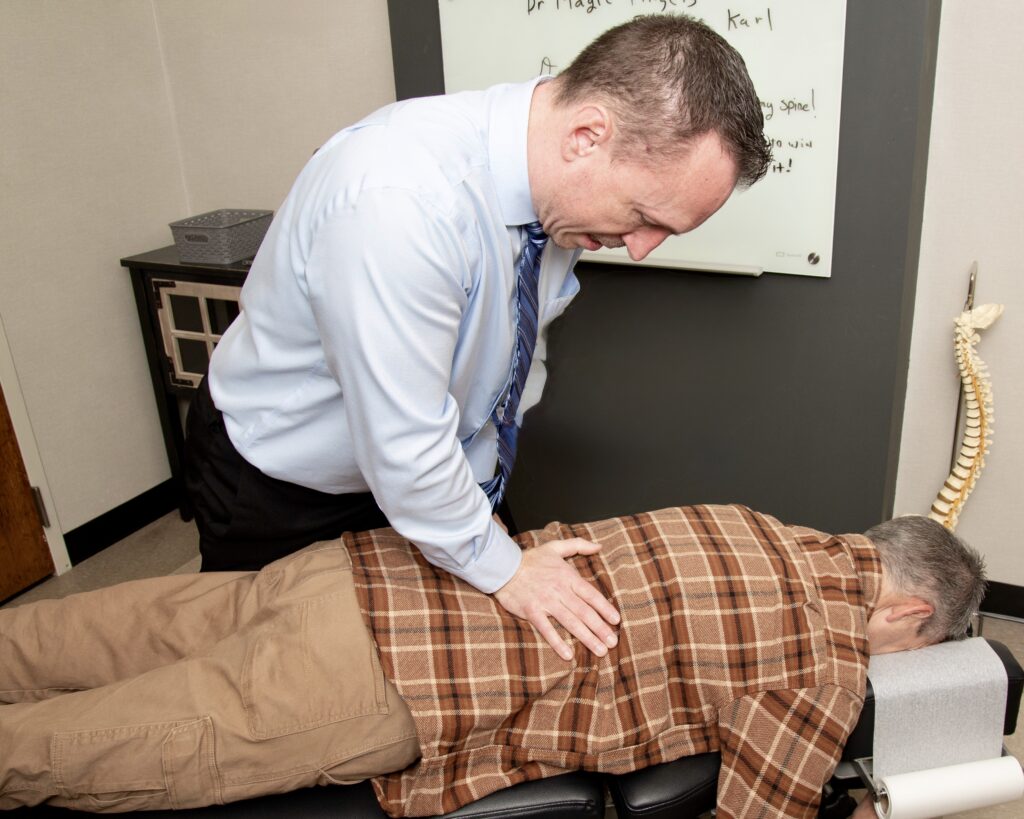
If you’re feeling overwhelmed by anxiety, small adjustments to your daily habits can make a significant difference in how you feel. As a chiropractor, I want to emphasize that these strategies not only support your mental well-being, but they also align beautifully with chiropractic care, which is focused on achieving optimal health naturally. By improving your posture, practicing deep breathing techniques, and incorporating mindful movement into your day, you can create a calming routine that nurtures both your body and mind.
Let’s break down these tips a bit further:
- Posture: Poor posture can contribute to feelings of anxiety and discomfort. When you slouch or hunch over, it can affect your breathing and overall energy levels. Aim to sit and stand tall, with your shoulders back and your spine aligned. This simple adjustment can help you feel more grounded and confident.
- Deep Breathing: Deep breathing is a powerful tool for reducing anxiety. Take a moment each day to focus on your breath. Inhale deeply through your nose, allowing your abdomen to expand, and then exhale slowly through your mouth. This practice not only calms your mind but also enhances oxygen flow to your body, supporting your overall health.
- Mindful Movement: Incorporating gentle, mindful movement into your routine can be incredibly beneficial. Activities like yoga, stretching, or even a leisurely walk can help release tension in your body and promote relaxation. These movements, when combined with chiropractic adjustments, can enhance your overall well-being and help you manage anxiety more effectively.
By integrating these simple yet effective strategies into your daily life, you can work towards greater peace and wellness. Remember, chiropractic care is an excellent complement to these practices, helping to ensure that your spine and nervous system are functioning optimally, which is key to achieving lasting health and relief from anxiety. Embrace these tips and prioritize your well-being—you deserve it!
Key Takeaways
3 Tips for Anxiety Relief Through Chiropractic Adjustments
- Embrace Regular Chiropractic Adjustments: Regular visits to your chiropractor can help improve your spinal alignment, which is essential for maintaining good posture. This not only promotes a healthier spine but also reduces physical tension that can contribute to feelings of anxiety. By keeping your spine aligned, you’re supporting your overall well-being and creating a foundation for a more relaxed state of mind.
- Incorporate Deep Breathing Techniques: After your chiropractic adjustment, take a moment to practice deep breathing. This simple yet powerful technique can calm your nervous system and enhance your relaxation. By focusing on your breath, you can help release any lingering tension in your body and promote a sense of peace that complements the benefits of your chiropractic care.
- Engage in Mindful Movement Practices: Consider adding mindful movement practices like yoga or tai chi to your routine. These activities not only enhance your flexibility and strength but also work hand-in-hand with chiropractic care. They help reduce stress and improve your body awareness, making it easier for you to recognize and address tension before it contributes to anxiety.
Bonus Tip: Schedule regular posture check-ins and ergonomic assessments with your chiropractor. This proactive approach helps maintain proper alignment and prevents discomfort that can lead to anxiety. Additionally, strengthening your core muscles through specific exercises can support better posture, ultimately helping to alleviate anxiety symptoms over time.
By incorporating these tips into your routine, you’re taking meaningful steps towards managing anxiety naturally and supporting your journey to optimal health through chiropractic care. Remember, your chiropractor is here to guide you every step of the way!
Improve Your Posture for Better Mental Clarity
Improve Your Posture for Better Mental Clarity and Wellness
As a chiropractor, I often see how posture directly impacts not just physical health but mental clarity as well. Take a moment to notice how your posture affects your mind. When you sit or stand tall, you send a signal to your brain to be alert and engaged. Conversely, slouching or hunching over can lead to feelings of fatigue and anxiety, making it more challenging to concentrate. By simply adjusting your posture, you can cultivate a more open and confident presence—something that can significantly enhance your mental clarity.
To maintain good posture, keep your shoulders back and your head held high. This small adjustment can lift your mood and increase your energy levels, equipping you to handle daily stresses more effectively. Regularly check in with your body throughout the day; the more you practice good posture, the more natural it will become.
Remember, your body and mind are interconnected. Improving your posture not only contributes to physical health but also plays a crucial role in enhancing your mental well-being. Chiropractic care can be an excellent way to support this process, helping to align your spine and improve your overall posture.
Here are some general tips to help you maintain good posture throughout your day:
- Set Reminders: Use your phone or computer to remind yourself to check your posture every hour.
- Strengthen Your Core: Engage in exercises that strengthen your core muscles, as a strong core supports better posture.
- Ergonomic Setup: If you work at a desk, ensure your workspace is ergonomically designed to encourage good posture.
- Stretch Regularly: Incorporate regular stretching into your day to keep your muscles flexible and relaxed.
Standing tall and breathing easy isn’t just about looking good; it’s about feeling good too! Embrace the connection between your posture and your mental clarity, and consider chiropractic care as a natural, effective approach to achieving optimal health and wellness.
Practice Deep Breathing Techniques
Practicing deep breathing techniques can be an effective way to alleviate anxiety and promote relaxation, which is essential for maintaining overall well-being. As a chiropractor, I often emphasize the importance of a calm mind and body in achieving optimal health. When you find yourself feeling overwhelmed, take a moment to focus on your breath.
Begin by finding a comfortable position, whether you’re sitting in a chair or lying down on a supportive surface. Inhale deeply through your nose for a count of four, allowing your abdomen to expand fully. This deep breathing not only helps calm your nervous system but also can assist in releasing tension stored in your spine and muscles. Hold that breath for a count of four, then exhale slowly through your mouth for a count of six. This simple rhythm can help to ease both mental and physical tension.
Repeat this process for several minutes, concentrating solely on your breath and how it feels as it moves in and out of your body. You may notice your heart rate slowing and the tightness in your muscles beginning to ease. Such relaxation techniques, when combined with regular chiropractic care, can enhance your overall sense of well-being and support your body’s natural healing processes.
Whenever anxiety strikes, remember that this easy technique is always accessible. It can help you regain control and find peace in the moment, complementing the benefits of chiropractic adjustments. Incorporating deep breathing into your daily routine, along with regular chiropractic visits, can significantly contribute to pain relief and a healthier, more balanced life. Give it a try, and notice how it positively influences your state of mind and body.
Implement Mindful Movement in Your Routine
After you’ve centered yourself with deep breathing, incorporating mindful movement into your routine can further enhance your sense of calm and well-being, especially when it comes to maintaining a healthy spine. As a chiropractor, I believe that activities connecting your mind and body, such as yoga, tai chi, or even a gentle walk, can be incredibly beneficial for your overall health. Focus on the sensations of each movement and be mindful of how your spine feels as you engage in these activities.
While you practice mindful movement, pay attention to your breath and the natural rhythm of your body. This awareness not only helps ground you in the present moment but can also reduce tension and discomfort, promoting better spinal health. Stretching is a fantastic way to relieve pressure on your spine, and if you enjoy dancing, let the rhythm guide you—just remember to stay aware of your body’s alignment to avoid strain.
Consider setting aside a few minutes each day to move mindfully, and take note of how it positively impacts your mood and physical well-being. With consistent practice, you can build resilience against stress and enhance your connection with your body. Remember, the goal isn’t perfection; it’s about finding joy and peace in each movement, which ultimately supports your spinal health.
If you experience pain or discomfort during these activities, it’s essential to consult with a chiropractor. They can provide personalized guidance on maintaining proper posture and alignment, ensuring that your movement supports your body’s natural healing processes. Embrace the power of mindful movement as a natural and effective way to achieve optimal health and wellness.
Conclusion
Incorporating these three simple tips into your daily routine can significantly reduce anxiety and enhance your overall well-being. First, let’s talk about posture. Maintaining good posture not only supports your spine but also promotes mental clarity. When you sit or stand up straight, you allow your body to function optimally, which can help alleviate feelings of anxiety.
Next, practice deep breathing. This technique is fantastic for calming your nervous system. When you take slow, deep breaths, you signal to your body that it’s time to relax. It’s a simple yet powerful way to manage stress and anxiety.
Lastly, engage in mindful movement. Whether it’s gentle stretching, yoga, or even a casual walk, moving your body mindfully helps boost your awareness and connection to yourself. This can be particularly helpful in reducing anxiety levels.
When combined with gentle chiropractic adjustments, these habits create a powerful synergy for managing anxiety. Chiropractic care focuses on aligning your spine and enhancing your body’s natural ability to heal, allowing you to experience pain relief and improved wellness without the need for medications or invasive procedures.
Start incorporating these tips today, and you’ll likely feel a positive shift in both your mind and body. Remember, chiropractic care is a natural path towards achieving optimal health, helping you not only to manage anxiety but to thrive in your daily life.